
Every kid growing up had that dream of playing hoops in their backyard. But what if you live in a tiny space? What if you have a modest lot or just want to avoid the cost of building a full-size court? The answer might surprise you – you can build a functional basketball court even in the smallest backyard.
Picture this: It's a beautiful Saturday morning, the sun is shining, and your family is gathered around a makeshift basketball court in your backyard. You've spent weeks planning, measuring, and building something that brings joy to everyone. This isn't just about having a place to play – it's about creating a space where memories are made, friendships grow, and the whole family gets involved in some good old-fashioned fun.
The idea of a backyard basketball court may seem like a luxury, but it's actually one of the most rewarding DIY projects you can take on. Whether you're a seasoned builder or someone who has never touched a hammer, the process of creating your own court can be incredibly satisfying. And the best part? It doesn't require a massive space or a huge budget.
Planning Your Space
Before you start digging, you need to figure out exactly what space you have available. Measure your backyard carefully and consider the dimensions of a standard half-court setup. A typical small backyard court measures about 14 feet wide by 25 feet long, though you can make it smaller if needed.
Think about the layout of your yard. Is there a spot near the house that works well? Are there trees or utility lines that might interfere? Consider the direction the court faces – a south-facing court gets more sunlight during the day. Also, think about drainage. Water shouldn't pool on your court after rain.
Here are some important things to keep in mind:
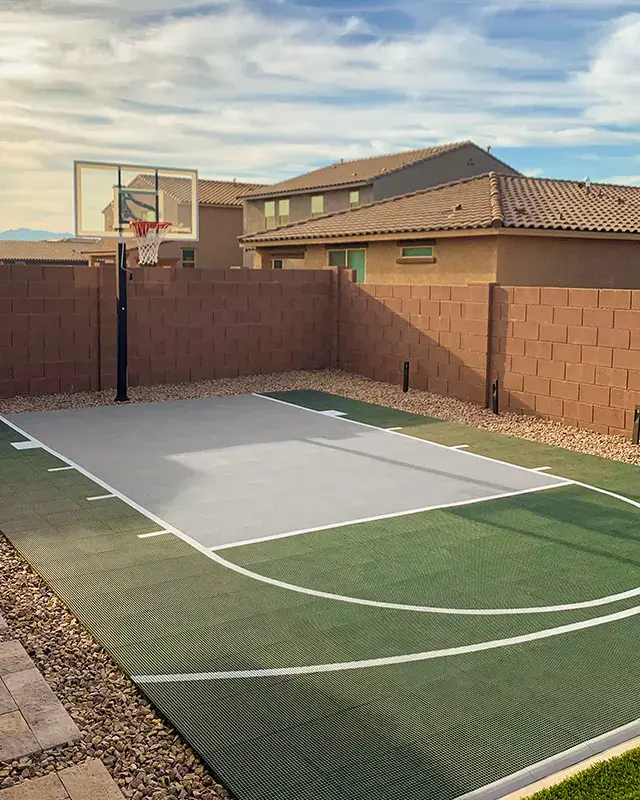
The key is to start small and expand if you have room. Many successful backyard courts begin with just a few basic elements and grow over time.
Essential Materials and Tools
Building your court doesn't require expensive materials, but you do need quality items that will last. Here's what you'll typically need:
Materials:
Tools:
One common mistake people make is buying cheap materials that won't hold up. Investing a bit more upfront in quality concrete and proper hardware pays off in the long run. You don't want your court to be a safety hazard or require constant repairs.
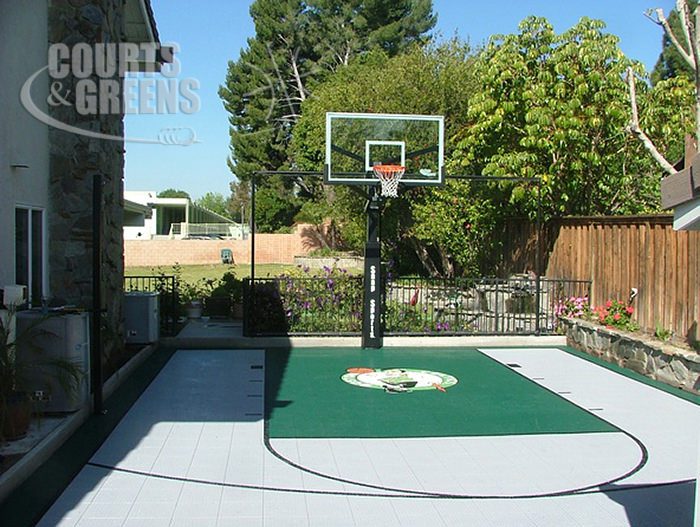
For those on a tight budget, there are affordable options. You can often find used basketball hoops at garage sales or online marketplaces. Some people even repurpose existing concrete areas or use decorative stones to create a unique look.
Foundation and Surface Preparation
The foundation is the backbone of any good basketball court. Without proper preparation, your court will be unstable and potentially dangerous. Start by clearing the area of grass and debris. Then, dig out the area to about 6 inches deep.
Next comes the base layer. You'll want to add a 2-inch layer of gravel followed by a 2-inch layer of sand. This creates a stable platform that drains well and prevents settling. Level everything carefully before moving forward.
If you're using concrete, mix it according to package directions. Pour it evenly across the prepared area and smooth it out with a float. Let it cure for at least 24 hours before proceeding. If you prefer pavers, lay them in a pattern that creates a smooth surface.
Some people skip this step because it seems tedious, but it's absolutely crucial. A poorly prepared foundation leads to cracks, uneven surfaces, and safety issues. Take the time to get it right – your future self will thank you when you're playing without worrying about tripping or falling.
Remember to check local building codes for any requirements regarding foundations. Some areas require permits for certain types of construction projects.
Installing the Hoop and Rim
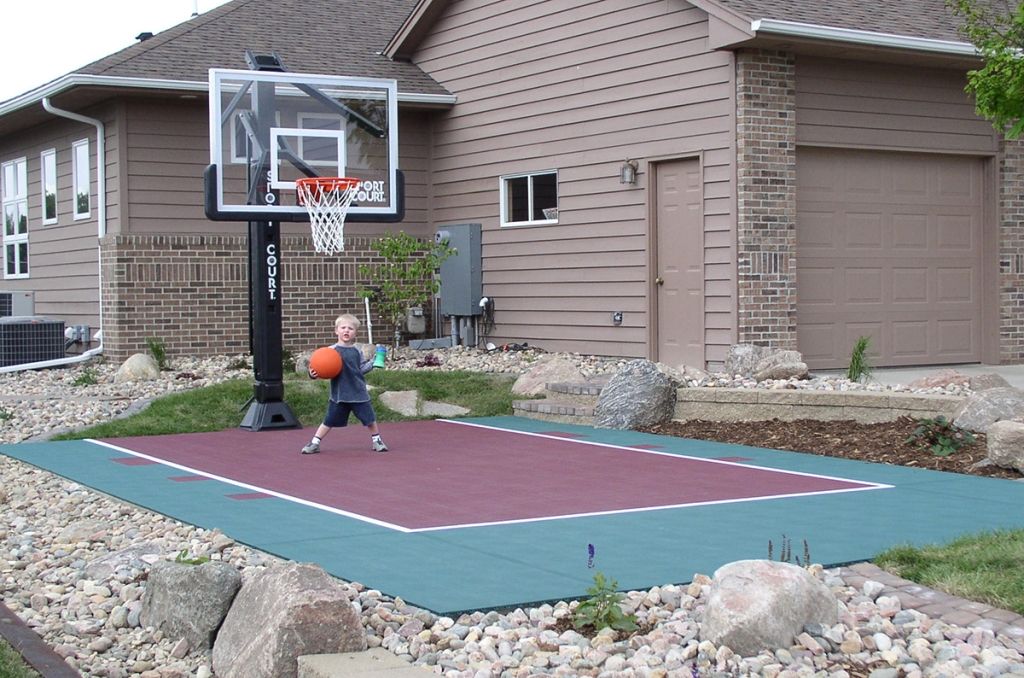
The basketball hoop is probably the most exciting part of the project, but it also requires careful attention to detail. You can choose between portable and fixed hoops depending on your needs and budget.
Portable hoops are great for beginners and temporary setups. They usually come with wheels and can be moved easily. However, they may not provide the stability that serious players want. Fixed hoops offer better performance but require more installation work.
When installing a fixed hoop, follow these steps:
Safety should always be your top priority. Make sure the rim is at the correct height (10 feet) and that the entire structure is sturdy enough to handle regular use. Check that all bolts and connections are tight and secure.
Many people underestimate the importance of proper installation. A loose or wobbly hoop can cause injuries and ruin the experience for everyone playing. Take the time to ensure everything is properly secured.
Court Lines and Markings
The markings on your court aren't just for looks – they define the playing area and make games fair and enjoyable. Start by sketching out the basic outline with spray paint or chalk. You'll need to mark:
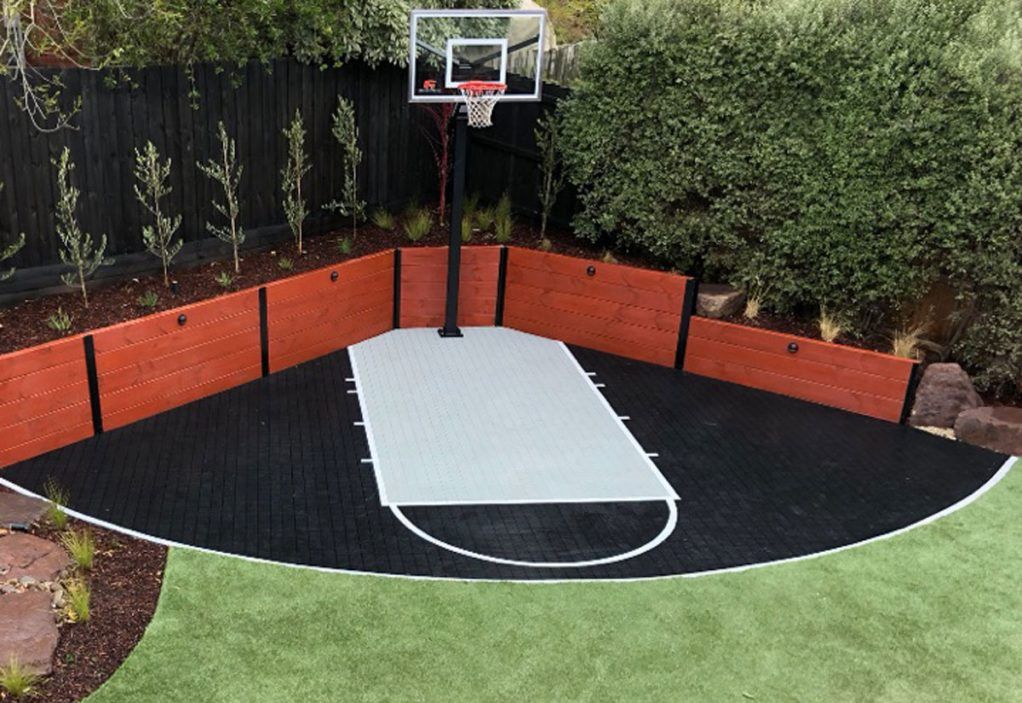
For a small court, focus on the essential markings first. You can always add more details later. Most backyard courts use bright white paint for the lines, but you can also use stencils or specialized court marking tape.
Consider using a template or following a diagram to ensure accuracy. Measuring twice and painting once is definitely the way to go. A crooked line or incorrect distance can make the game frustrating for players.
Some people spend a lot of time on elaborate designs, but remember that functionality comes first. The lines should be clearly visible and easy to see from different angles. Test them yourself by walking around the court and checking visibility from various spots.
Finishing Touches and Safety Features
Once your court is built, it's time to add the finishing touches that make it truly usable and safe. Safety should always be your primary concern.
Start with protective padding around the rim and backboard. This prevents injuries from accidental contact with hard edges. You can buy commercial padding or make your own using foam or rubber materials.
Consider adding:
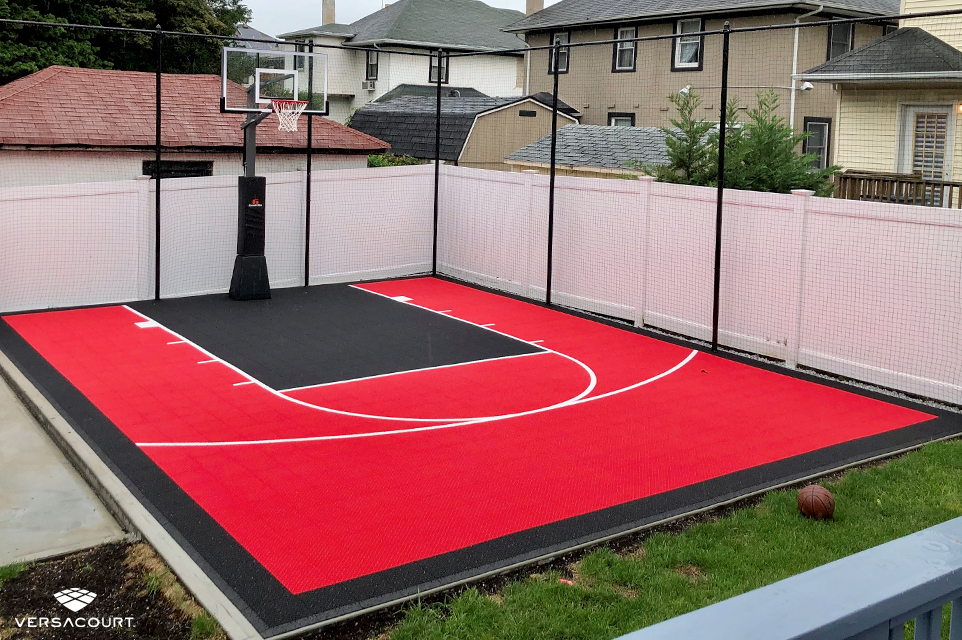
Good lighting is especially important if you plan to play after dark. LED lights mounted high on the posts work well and don't create shadows. Some people install solar lights that charge during the day.
Don't forget about the surrounding area. Clear the space around the court of any obstacles that could cause accidents. Make sure there's enough room for players to move freely without bumping into anything.
Finally, test your court thoroughly before inviting guests over. Walk around it, jump on the surface, and make sure everything feels solid and stable.
Maintenance Tips for Longevity
A well-built court will last for years with proper care. Regular maintenance keeps it looking great and functioning safely.
Concrete courts may need sealing every few years to protect against weather damage. Paver courts might need occasional re-leveling if they shift over time.
One thing many people forget is seasonal care. In winter, make sure water can drain properly to prevent freezing damage. During summer, watch for heat-related expansion that might affect the surface.
Create a simple maintenance schedule to keep track of tasks. Even a quick monthly inspection can catch problems before they become major issues. Think of it as taking care of a pet or a car – consistent attention keeps it in good shape.
Creating a backyard basketball court is more than just a home improvement project – it's an investment in family fun and community building. The satisfaction of building something that brings joy to everyone in your household is priceless.
Whether you're setting up a simple half-court or going all-in on a full-sized court, the key is to start with realistic expectations and good planning. Don't try to tackle too much at once. Build your court gradually, adding features as you gain confidence and discover what works best for your family.
Remember, the goal isn't to create a professional facility – it's to create a space where people can enjoy themselves while staying active. The court becomes a gathering place, a place for kids to learn skills, and a venue for friendly competition.
With some patience, creativity, and basic tools, anyone can build a backyard basketball court that provides years of enjoyment. It's a project that shows what's possible when you combine determination with a little imagination. So grab your shovel, measure twice, and get ready to start your own basketball journey.


