
There's something deeply satisfying about settling into a chair that moves with you. Whether it's a gentle sway that mimics ocean waves or a smooth turn that lets you watch the world go by, outdoor rocking and swiveling chairs bring a new level of comfort to outdoor living. These aren't just fancy additions to your patio—they're game-changers for anyone who loves spending time outside.
Picture this: You're sitting on your porch, the sun is setting, and you're watching your kids play in the yard. A gentle breeze rustles through the trees, and you lean back into your chair. It rocks softly with each breath, and you can turn to watch different scenes without moving your whole body. This isn't just a dream—it's the reality that outdoor rocking and swiveling chairs provide. These chairs have evolved far beyond simple backyard furniture, becoming essential pieces for modern outdoor living spaces.
The Evolution of Outdoor Seating
Outdoor chairs have come a long way from the basic wooden stools of decades past. Today's rocking and swiveling chairs represent a fusion of traditional craftsmanship and modern engineering. Think about how much more enjoyable it is to sit on a chair that responds to your movements rather than one that simply sits still. The evolution has been driven by people wanting more comfort, better ergonomics, and that special touch of luxury in their outdoor spaces.
Consider the difference between a static chair and one that rocks. The former requires you to adjust your position constantly, while the latter helps you relax naturally. When you add swiveling capability, you get even more freedom. These chairs allow you to face different directions without having to get up and move around. It's like having a personal assistant built into your seating.
Many manufacturers now offer chairs that combine all three elements: rocking, swiveling, and sometimes even reclining. This evolution has made outdoor living more accessible to people of all ages and physical conditions. The gentle motion alone can help reduce stress and promote better sleep, especially when used in the evening hours.
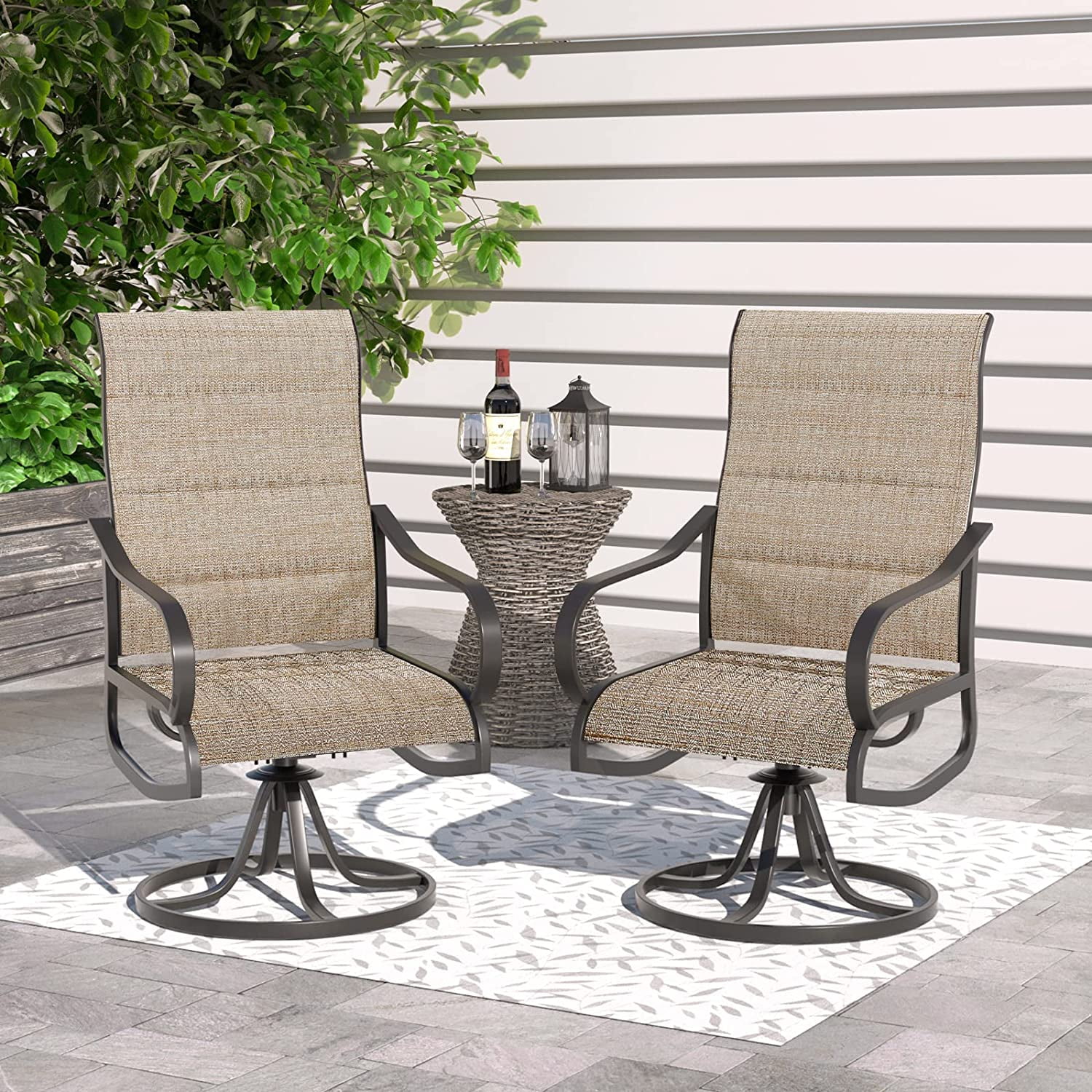
Types of Rocking and Swiveling Mechanisms
Not all rocking and swiveling chairs are created equal. Understanding the different mechanisms behind these features can help you choose the right one for your needs:
The materials used in these mechanisms matter too. Steel pivots tend to last longer than plastic ones, while bronze bushings often provide smoother operation than standard metal components. Consider what kind of environment you'll use the chair in—will it be exposed to salt air, heavy rain, or extreme temperatures? These factors influence which mechanism will serve you best over time.
Material Considerations for Longevity
When investing in outdoor furniture, durability should be a top priority. The materials used in rocking and swiveling chairs must withstand weather, UV exposure, and regular use. Here are some popular options:
The seat cushions also deserve attention. Look for weather-resistant fabrics like Sunbrella or similar materials that won't fade quickly. Mesh or breathable fabrics are excellent for hot climates, while thicker materials provide better insulation in cooler weather. Remember that the chair's frame material affects how well it handles moisture and temperature changes.
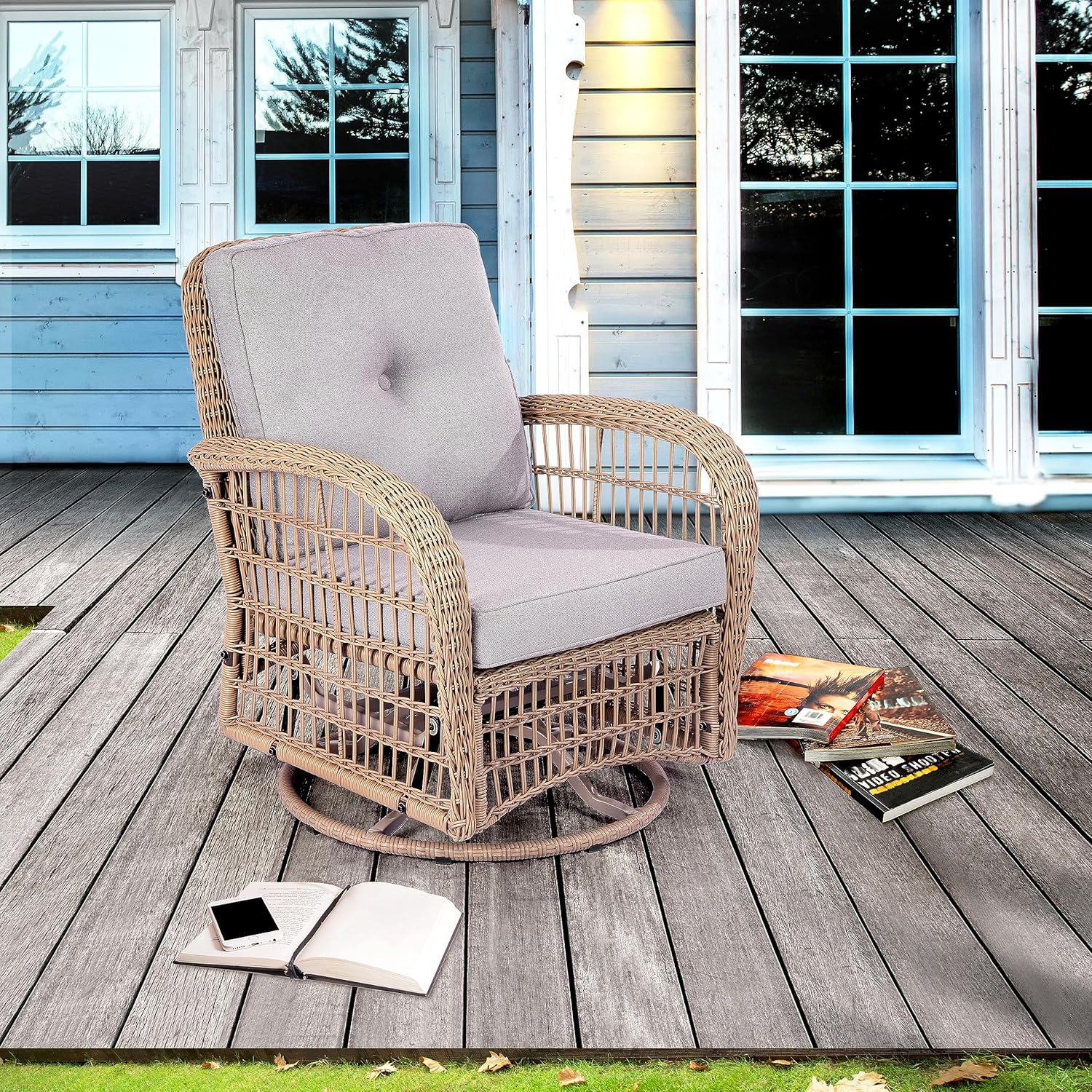
Comfort Features That Make a Difference
Comfort isn't just about the basic rocking motion. The best outdoor chairs consider several key factors:
The weight capacity matters too. A chair rated for 300 pounds might seem adequate, but if you're planning to use it regularly with family members of varying sizes, look for models rated higher. The chair should feel solid under pressure, not wobbly or unstable.
Popular Design Styles and Their Appeal
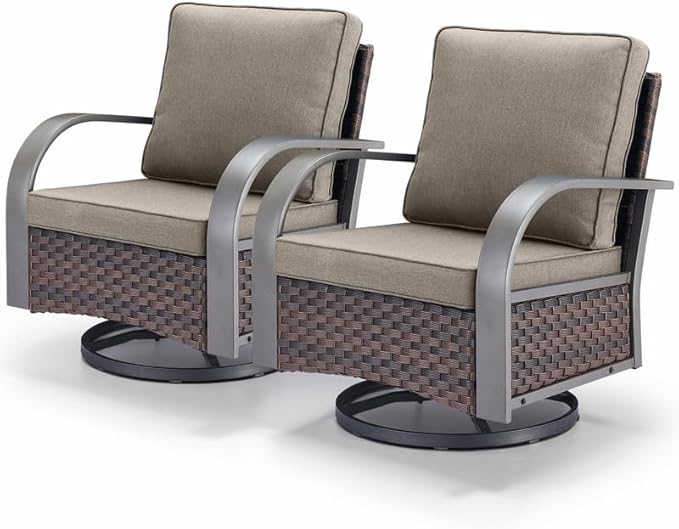
Outdoor rocking and swiveling chairs come in various styles, each appealing to different tastes and settings:
Consider how the chair will fit into your overall space. Will it complement existing furniture, or will it be the centerpiece of your outdoor room? The design should reflect your personality and lifestyle. For instance, if you entertain frequently, a chair with bold colors and interesting textures might energize your space. If you prefer quiet relaxation, a neutral tone with soft curves might be more appealing.
Some designers now incorporate smart features like integrated cup holders, USB ports, or even built-in lighting. These additions make the chairs more functional for modern lifestyles while maintaining their aesthetic appeal.
Maintenance Tips for Extended Life
Proper care ensures your rocking and swiveling chair lasts for years. Here's what to do:
Think about your local climate. In humid areas, pay extra attention to rust prevention. Salt air near the ocean requires more frequent cleaning and protection. Extreme cold might necessitate additional storage considerations. The investment in proper maintenance pays off significantly in terms of longevity and continued enjoyment.
Cost Considerations and Value Factors
Outdoor rocking and swiveling chairs vary widely in price, from affordable options to luxury pieces. Several factors affect cost:
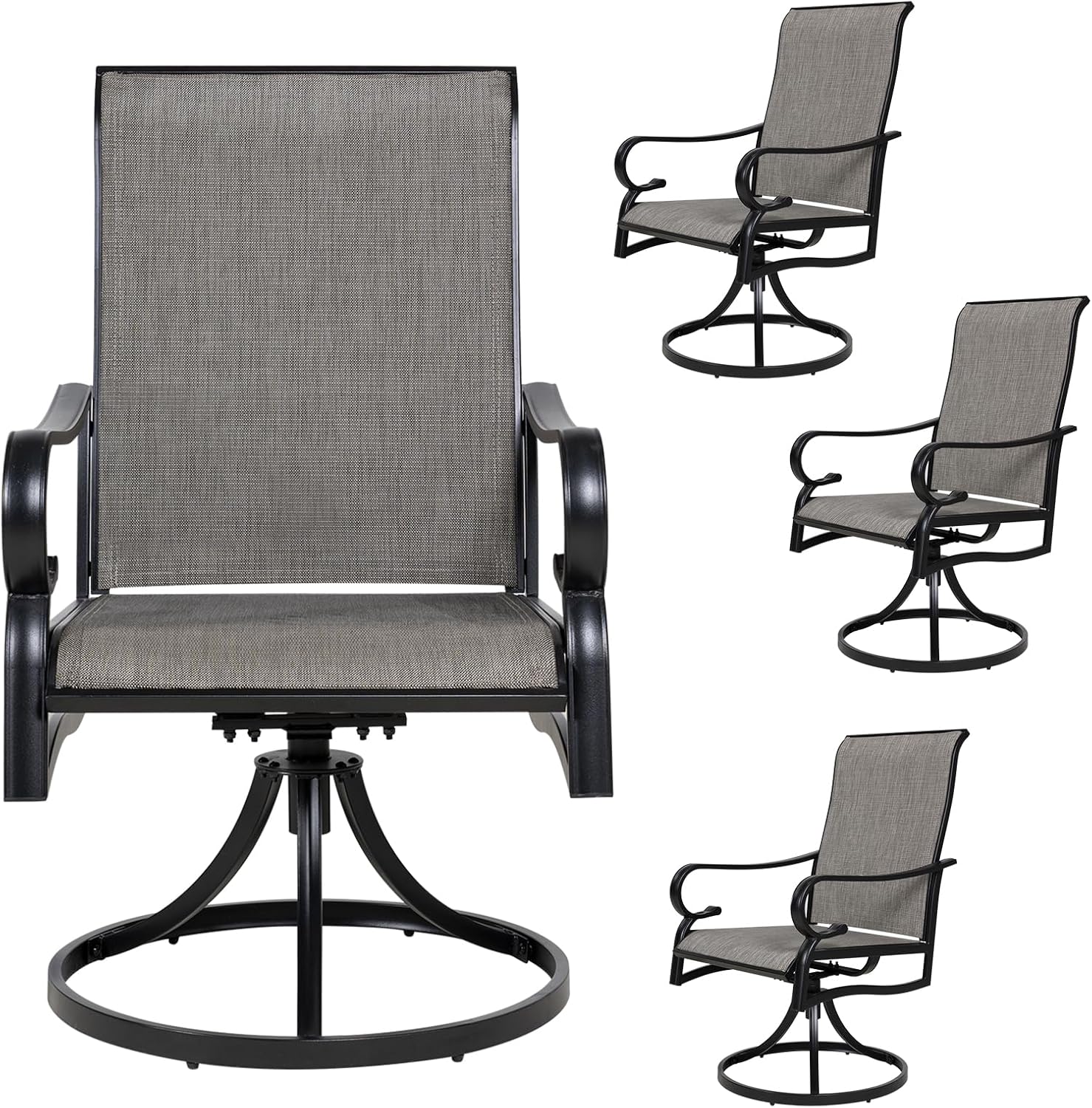
Consider your budget carefully. A $200 chair might seem like a bargain, but if it breaks within a year, you've actually paid more in replacement costs. Conversely, spending $800 on a quality chair could save money in the long run. The key is finding a balance between your needs and financial constraints.
Look for sales, seasonal discounts, or warranty offers that might improve the value. Many retailers offer extended warranties or free delivery, which can offset initial costs. Also consider whether you'll use the chair frequently enough to justify the investment. If you plan to use it daily, spending a bit more on quality makes sense.
Safety and Stability Guidelines
While these chairs are designed to be safe, following certain guidelines ensures maximum safety:
The rocking and swiveling motion itself should be smooth and controlled. If you notice excessive movement or unusual sounds, it's time to check the mechanisms. Regular maintenance keeps everything running smoothly and safely.
Choosing the Right Chair for Your Needs
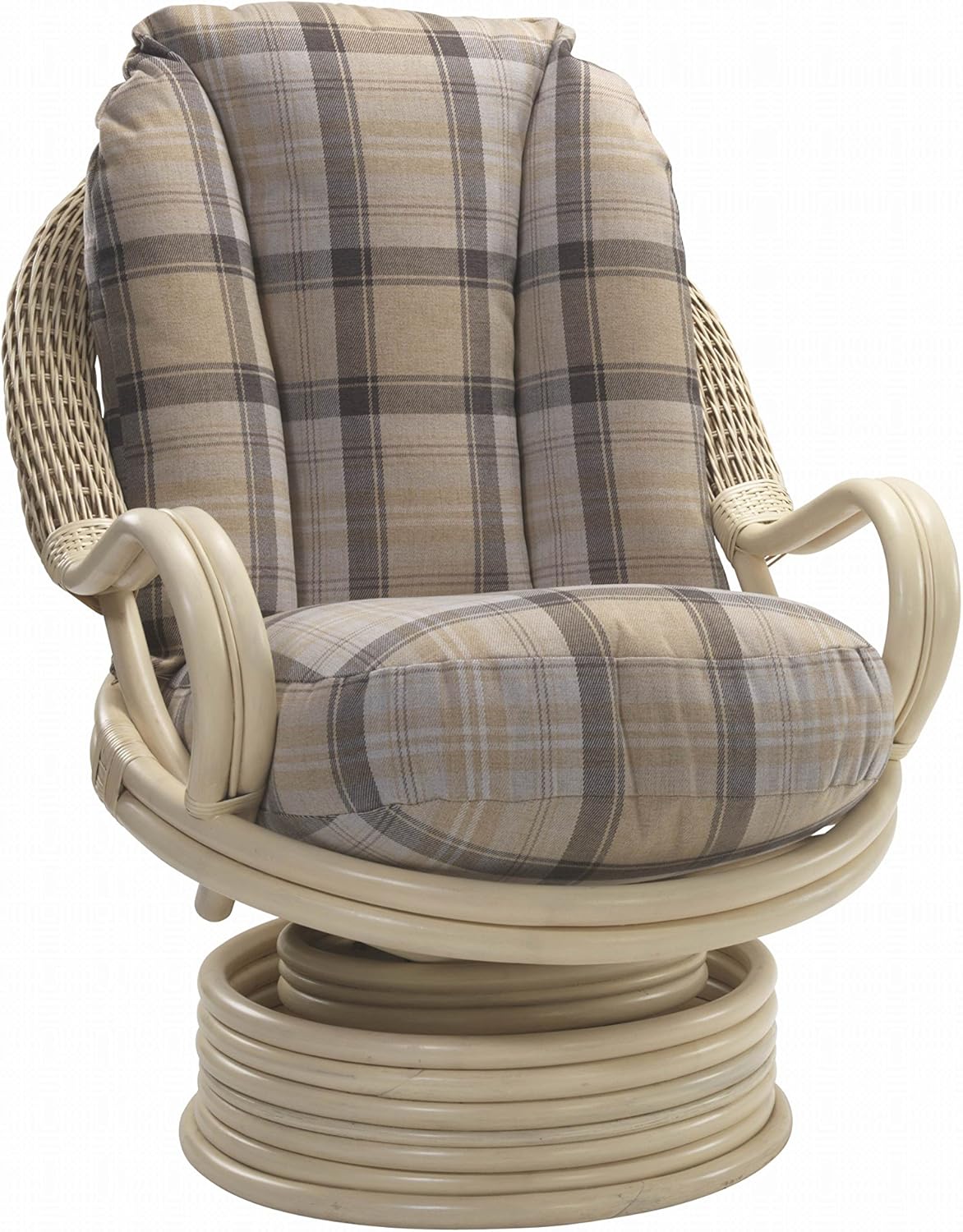
Selecting the perfect outdoor chair involves considering several factors:
Take time to test chairs in person when possible. Sit in them, try the rocking motion, and assess the overall comfort. Remember that what feels great in the store might not suit your specific body type or usage patterns. Trust your instincts and prioritize features that matter most to you.
The Future of Outdoor Seating Innovation
Technology continues to enhance outdoor seating experiences. Emerging trends include:
Manufacturers are also focusing on reducing environmental impact through sustainable production methods and recyclable components. As we become more aware of our ecological footprint, these innovations are likely to grow in popularity.
The future looks bright for outdoor seating. With ongoing improvements in materials science, manufacturing processes, and user experience design, we can expect even more sophisticated and comfortable options. The integration of smart technology with traditional comfort features represents an exciting frontier in outdoor living.
Outdoor chairs that rock and swivel represent more than just furniture—they're investments in comfort, relaxation, and quality time outdoors. From the gentle motion that soothes tired muscles to the freedom of movement that keeps you engaged with your surroundings, these chairs transform ordinary outdoor spaces into extraordinary retreats. Whether you're looking for a quiet spot to read, a social hub for entertaining, or simply a place to unwind after a busy day, there's a rocking and swiveling chair designed to meet your needs.
The key is understanding what features matter most to you, choosing quality materials that will stand up to your local climate, and maintaining your investment properly. With the right chair, your outdoor space can become a sanctuary where time moves differently and relaxation feels effortless. So take your time in selecting the perfect piece—after all, it's going to be with you for years to come, providing comfort and joy with every gentle sway and smooth turn.


