
Picture this: You're enjoying your backyard peace and quiet when suddenly, a bushy-tailed intruder starts raiding your bird feeders. Or worse, they're chewing through your garden plants and nesting in your attic. This isn't just an annoyance – it's a common problem many homeowners face. The good news? There are ways to handle squirrels that work without harming them.
Squirrels are clever creatures that have adapted remarkably well to living near humans. While they might seem cute and harmless, their presence in your yard can quickly become problematic. They're notorious for damaging gardens, stealing bird feeders, and sometimes causing structural issues. But here's the thing – most squirrel problems stem from easy access to food sources and suitable shelter. Understanding their behavior is the first step toward peaceful coexistence or effective removal.
Understanding Squirrel Behavior and Habits
Before diving into removal techniques, it helps to know what makes squirrels tick. These little mammals are incredibly resourceful and adaptable. They're most active during dawn and dusk, which means you'll often spot them during those quieter hours. Their diet includes nuts, seeds, fruits, and even small insects. When food is scarce, they'll venture into areas they normally wouldn't, like your garden or attic spaces.
Squirrels build nests called dreys in trees, but they're also excellent climbers and will use any available space for shelter. They can squeeze through surprisingly small openings, so a simple fence isn't always enough. Their burrowing habits can cause damage to foundations and landscaping. Knowing these behaviors helps you plan better strategies for keeping them at bay.
Prevention First: Eliminating Food Sources
This is where most people go wrong. They try to chase squirrels away after they've already established themselves. The smart approach is prevention. Start by examining what's attracting them to your property in the first place.
The key is consistency. If you're sloppy about one area, squirrels will find it again and again. It's like trying to stop a leaky faucet with a band-aid – it won't last long.
Natural Deterrents That Actually Work
There are several natural options that can discourage squirrels from hanging around. Many of these are things you probably already have around your home.
Remember, these deterrents work best when used together rather than individually. It's like layering different types of protection for your home.
Physical Barriers and Exclusion Methods
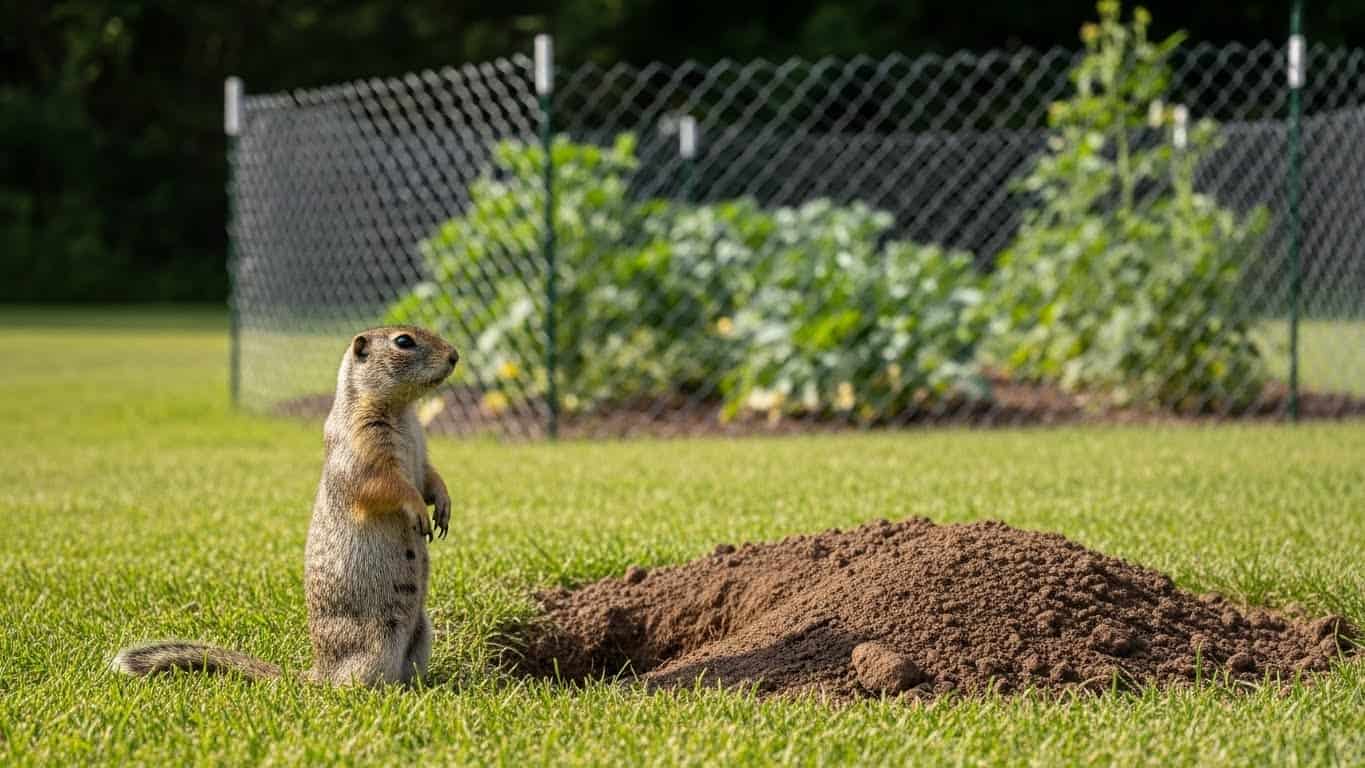
Sometimes you need to take more direct action. Physical barriers are often the most reliable solution for long-term problems. Here's how to implement them effectively:
These methods require some effort upfront but tend to pay off in the long run. They're especially useful if squirrels are already causing damage to structures or plants.
Humane Trapping Techniques
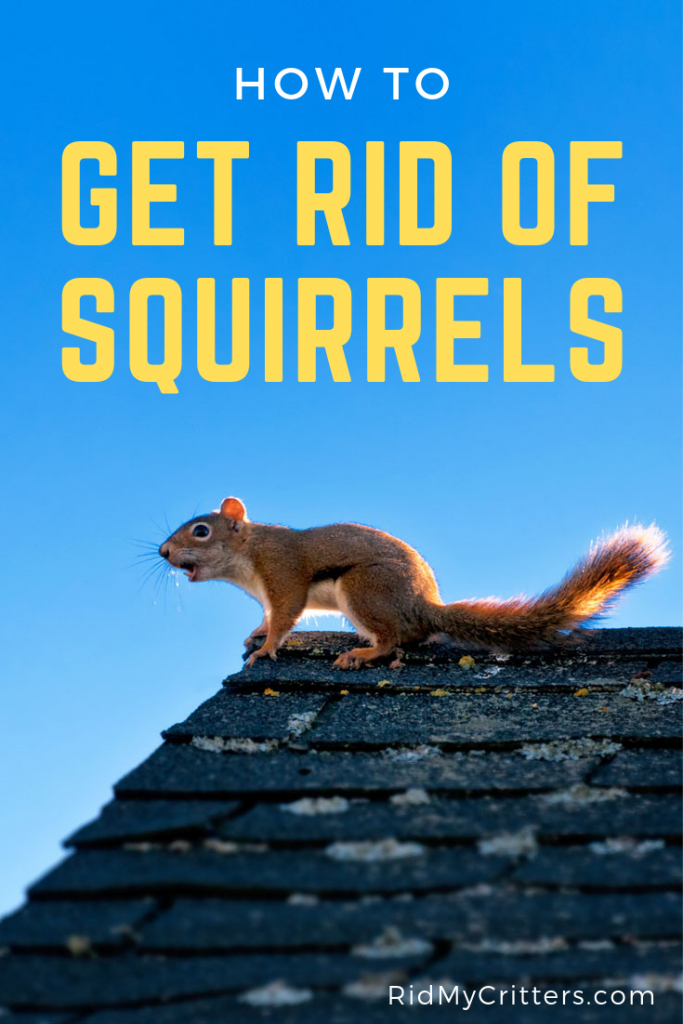
If you need to relocate squirrels rather than simply drive them away, trapping is an option. But it requires careful consideration and proper technique.
It's important to note that trapping should be a last resort. Many people prefer to use exclusion methods instead, as they address the root cause of the problem rather than just removing the symptoms.
When Professional Help Is Needed
Some situations require expert intervention. Consider calling in professionals if:
Professional pest control services have specialized knowledge and equipment that can be particularly helpful in complex situations. They're also familiar with local laws and regulations regarding wildlife removal. Sometimes a simple consultation can save you time and frustration in the long run.
Getting rid of squirrels in your yard doesn't have to be a battle. The key lies in understanding their needs and removing the attractions that draw them to your space. Prevention is always better than cure, so start by eliminating food sources and securing potential nesting sites. When deterrence methods don't work, physical barriers offer solid protection. Remember that most squirrel problems can be resolved without harming these fascinating creatures. With patience and persistence, you can reclaim your outdoor space while respecting the wildlife that shares your neighborhood. The goal isn't to eliminate them entirely, but rather to find a balance that works for both you and the squirrels.


