
Picture this: You're enjoying your backyard, maybe grilling with family, when suddenly you notice tiny creatures scurrying around. Or worse, you're looking for your favorite flower beds and find them completely destroyed overnight. That's when you realize your yard has become an insect paradise – one that's taken over your peaceful outdoor sanctuary.
Insects in yards aren't always bad news, but when they start causing damage or becoming a nuisance, it's time to take action. Whether it's aphids munching on your plants, ants forming trails across your patio, or mosquitoes making your evening gatherings unbearable, these little pests can quickly turn your garden from a place of joy into a battleground. The good news? There are many ways to tackle this problem that don't involve heavy-handed chemical sprays or expensive pest control services. This guide will walk you through practical solutions that work, backed by real-world experience and scientific understanding.
Understanding the Problem Before You Start
Before diving into treatments, it helps to know what you're dealing with. Different insects have different needs and behaviors. For instance, aphids love tender plant growth, while ants often appear because they're attracted to sweet substances or are protecting other pests like aphids. Knowing whether you're facing a temporary invasion or a persistent problem changes how you approach the solution. Sometimes, the most effective strategy is prevention rather than cure. Keeping your yard clean and healthy creates an environment where insects are less likely to thrive.
Natural Predators: Your Best Friends in the Battle
Nature has its own way of keeping insect populations in check. Encouraging beneficial insects is one of the most sustainable approaches. Ladybugs are excellent at eating aphids, lacewings consume a wide variety of soft-bodied insects, and praying mantises will eat almost anything that moves. You can attract these helpful creatures by planting flowers that provide nectar and pollen, such as marigolds, dill, and fennel. Creating habitat features like small piles of leaves or brush piles gives these predators a place to rest and reproduce. It's amazing how quickly a yard can transform when you give nature a helping hand instead of fighting against it.

Physical Barriers and Traps That Work
Sometimes you just need to stop insects in their tracks before they get to your prized plants. Physical barriers like row covers, copper tape around plant edges, or even simple mesh screens can prevent many common pests from accessing vulnerable areas. For those that do manage to get past your defenses, traps can be surprisingly effective. Sticky traps catch flying insects, while bait stations work well for ants and other crawling pests. You might be surprised at how much damage these simple tools can prevent. Plus, they're usually safe for pets and children, making them ideal for families with young kids.
Organic Sprays That Actually Do the Job
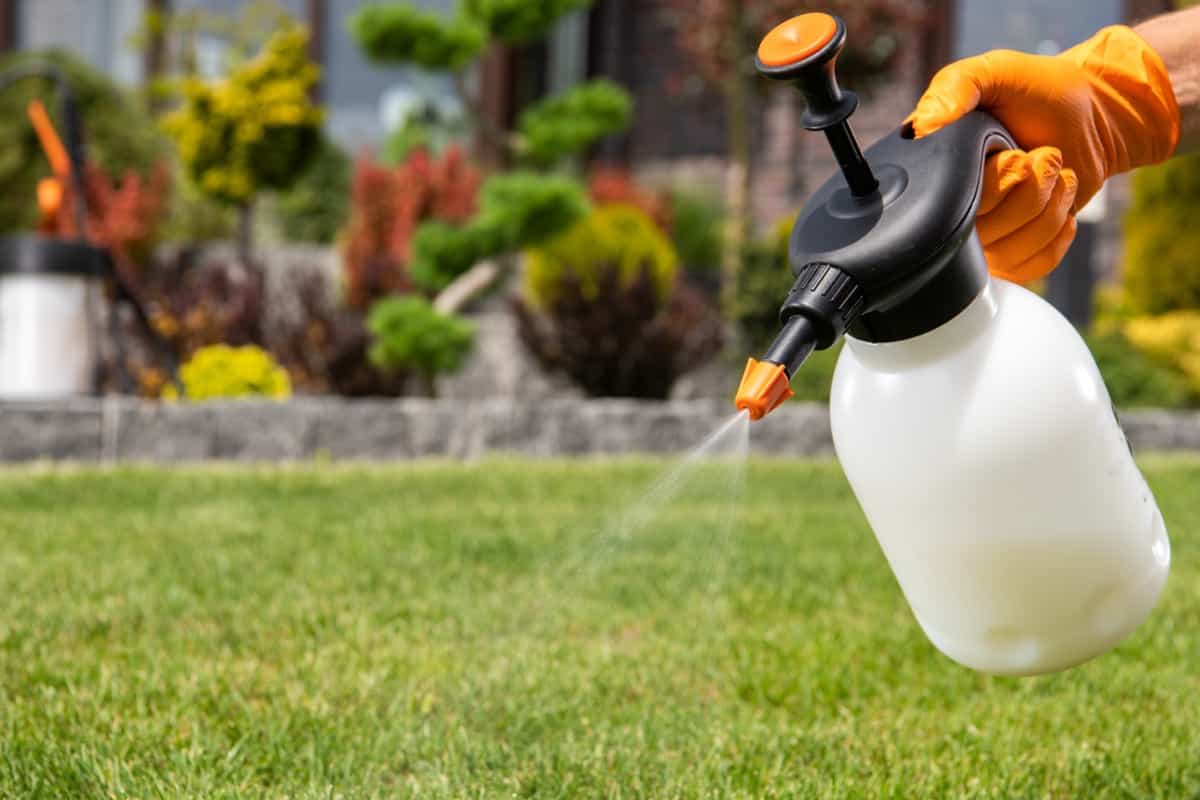
When physical methods aren't enough, organic sprays offer a middle ground between chemical pesticides and natural prevention. Neem oil works by disrupting insect feeding and reproduction cycles, while insecticidal soap suffocates soft-bodied insects like aphids and spider mites. These products are typically available at garden centers and can be mixed according to label directions. The key is applying them correctly – early morning or late evening is best, and reapplication may be necessary after rain. Many gardeners find that combining different organic treatments works better than relying on just one method alone.
Lawn Care and Soil Management Tactics
Insects often thrive in poor soil conditions or unhealthy lawns. Regular lawn maintenance plays a crucial role in preventing infestations. Proper mowing height, regular watering, and appropriate fertilization create strong grass that can better resist pest attacks. Overwatering or under-watering creates conditions that attract various insects. Additionally, addressing soil issues like compaction or drainage problems can remove hiding places for underground pests. Consider aerating your lawn annually and adding compost to improve soil health. These steps might seem basic, but they're often overlooked and can make a huge difference in keeping insects at bay.
Seasonal Strategies for Year-Round Protection
Insects don't follow a calendar, but they do have seasonal patterns. Understanding these rhythms helps you plan ahead. Spring is often when many garden pests emerge from winter dormancy, making it a prime time for preventive measures. Summer brings heat and drought stress that can make plants more vulnerable to attack. Fall is when some insects prepare for winter, so they might be more active in seeking shelter. Winter can actually be the best time for certain treatments since many pests are dormant. By staying aware of these cycles and adjusting your approach accordingly, you'll be better prepared to handle whatever comes your way.
Dealing with insects in your yard isn't about eliminating them entirely – that's impossible and potentially harmful to the ecosystem. Instead, it's about finding balance. You want to protect your plants and create a comfortable outdoor space without destroying the natural environment that makes your neighborhood unique. The strategies outlined here offer practical solutions that work with nature rather than against it. From encouraging helpful insects to using organic treatments and maintaining healthy soil, there are many paths to success. Remember, the most important thing is consistency. Small actions taken regularly will yield better results than dramatic measures attempted sporadically. Your yard will thank you for taking care of it properly, and you'll enjoy spending more time outside without worrying about unwanted visitors.


