
Imagine stepping into crystal-clear water on a warm summer day, surrounded by the beauty of your custom backyard oasis. Fiberglass pools offer that dream come true with their durability, low maintenance, and stunning aesthetics. But how exactly do you bring this vision to life? Let's explore the complete installation process.
Installing a fiberglass swimming pool might seem like a daunting task, but with proper planning and understanding of the process, it becomes an achievable project. These pre-fabricated pools are designed to be more straightforward than concrete or vinyl options, yet they still require careful attention to detail. Whether you're a seasoned DIYer or someone tackling this for the first time, understanding the fundamentals can save you time, money, and frustration. Think of this guide as your roadmap to success.
Understanding Fiberglass Pool Basics
Fiberglass pools are manufactured in a factory and then transported to your location. They're made from a combination of fiberglass and resin, creating a strong, durable structure that resists cracking and fading. Unlike concrete pools, these don't require extensive curing time or ongoing repairs. They're available in various shapes and sizes, from simple round designs to elaborate custom options. The material is also resistant to algae growth, which means less chemical treatment and cleaning. Many people choose fiberglass because it offers a balance between quality and affordability compared to other pool types.
Preparation and Planning Phase
Before you even think about placing that first piece, proper preparation is essential. Start by checking local building codes and obtaining necessary permits. You'll want to survey your yard carefully, noting any utility lines, tree roots, or drainage issues. Consider the pool's placement and ensure there's adequate space for maintenance access. The ground needs to be level and stable, typically requiring a minimum of six inches of sand or gravel base. It's also wise to plan for electrical connections for pumps and lights. A well-thought-out plan can prevent costly mistakes later.
Site Preparation and Foundation Work
The foundation work sets the stage for everything that follows. Begin by excavating the area according to your pool's specifications. The hole should be slightly larger than the pool's footprint to allow for proper leveling. Remove any rocks or debris that could cause uneven settling. Pour a layer of coarse sand or gravel, approximately four inches thick, and level it carefully. This base provides stability and helps with drainage. Some installations benefit from a concrete slab underneath, especially in areas with poor soil conditions. The key is ensuring everything is perfectly level before moving forward.
Transportation and Delivery Considerations
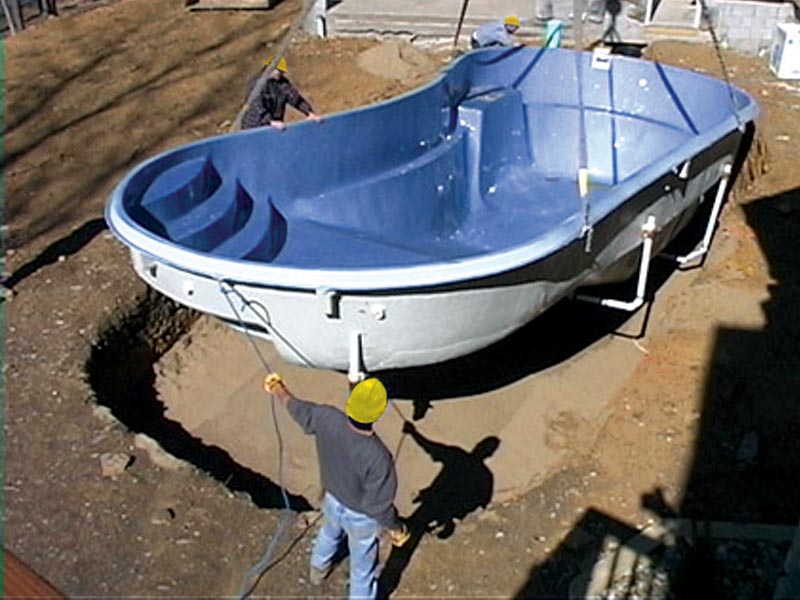
Getting your fiberglass pool to its final location requires careful logistics. Most manufacturers arrange delivery, but you need to prepare the route. Ensure your driveway and pathways can handle the weight of the delivery truck and pool. You'll need to clear any obstacles like low-hanging branches or narrow passages. Some pools arrive in multiple sections, while others come as single pieces. Understanding how it will be delivered helps you plan your setup accordingly. The pool itself weighs between 1,500 and 3,000 pounds, depending on size, so having proper lifting equipment is crucial.
Installation Process and Step-by-Step Guide
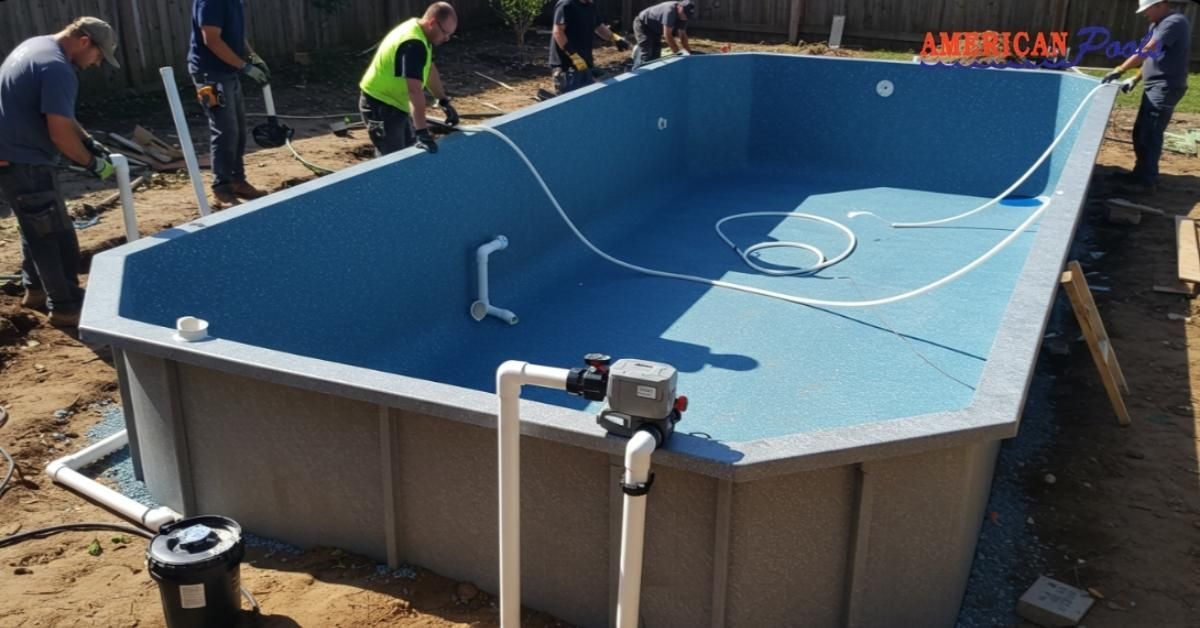
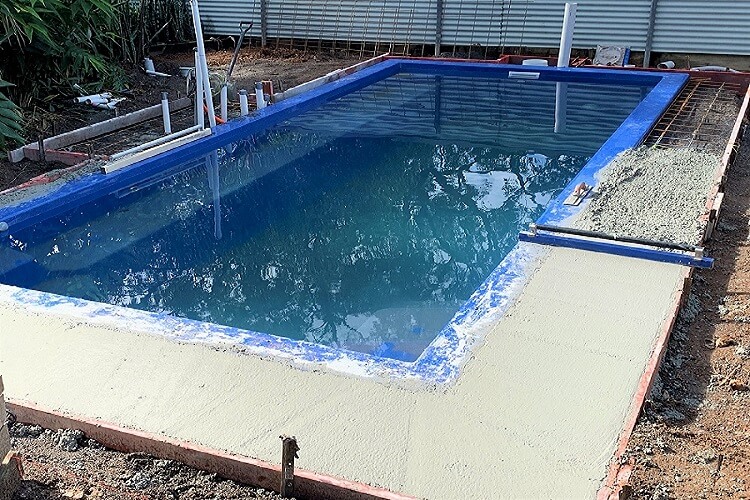
Once everything is in place, the actual installation begins. Carefully position the pool on its prepared base, ensuring it sits evenly. Many pools have built-in leveling feet or adjustable supports to help with alignment. Check that the pool is perfectly level using a spirit level, and adjust as needed. Connect the plumbing components according to manufacturer instructions. This includes fitting the return jets and ensuring all connections are secure. The surrounding area should be backfilled carefully with sand or soil, taking care not to damage the pool walls. Proper alignment during this phase prevents future issues like water leakage or structural problems.
Final Steps and Testing Procedures
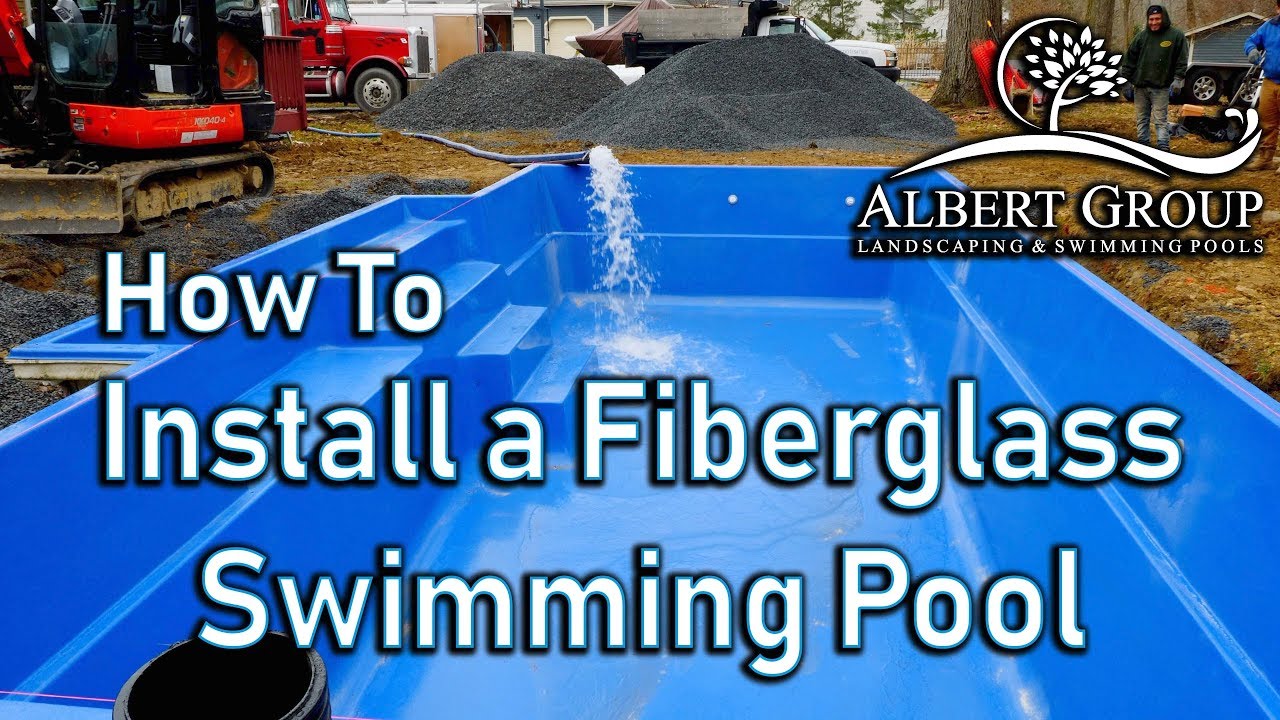
After installation, the real testing begins. Fill the pool slowly to avoid pressure on the walls and check for any signs of movement or misalignment. Once filled, inspect the entire structure for any irregularities. Test all plumbing connections and ensure water flows properly through the system. Check that the filtration system works correctly and that all electrical components function as expected. This is also when you'll want to add initial chemicals to balance the water. The final step involves completing any remaining landscaping around the pool area, including installing safety features like fencing or covers.
Installing a fiberglass swimming pool is definitely manageable with proper planning and attention to detail. While it may seem overwhelming at first glance, breaking the process into smaller steps makes it much more approachable. From site preparation to final testing, each phase plays a critical role in ensuring your pool functions properly for years to come. Remember, if you feel unsure about any part of the process, don't hesitate to consult professionals. Your investment in a beautiful backyard retreat deserves careful consideration. With patience and the right approach, you'll soon be enjoying countless hours of swimming pleasure.


