
If you've ever wondered how to add salt to a saltwater pool, you're not alone. Many pool owners find themselves confused about this essential maintenance task. Whether you're setting up a new pool or refreshing salt levels in an existing one, understanding the correct process can save you time, money, and frustration.
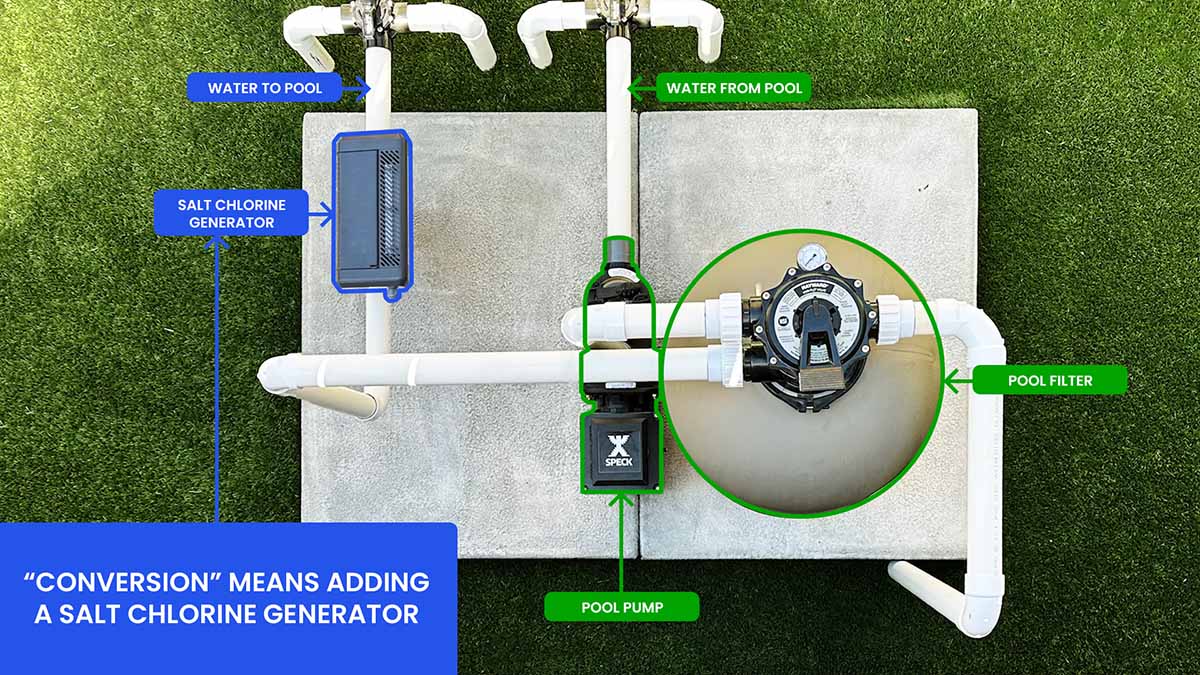
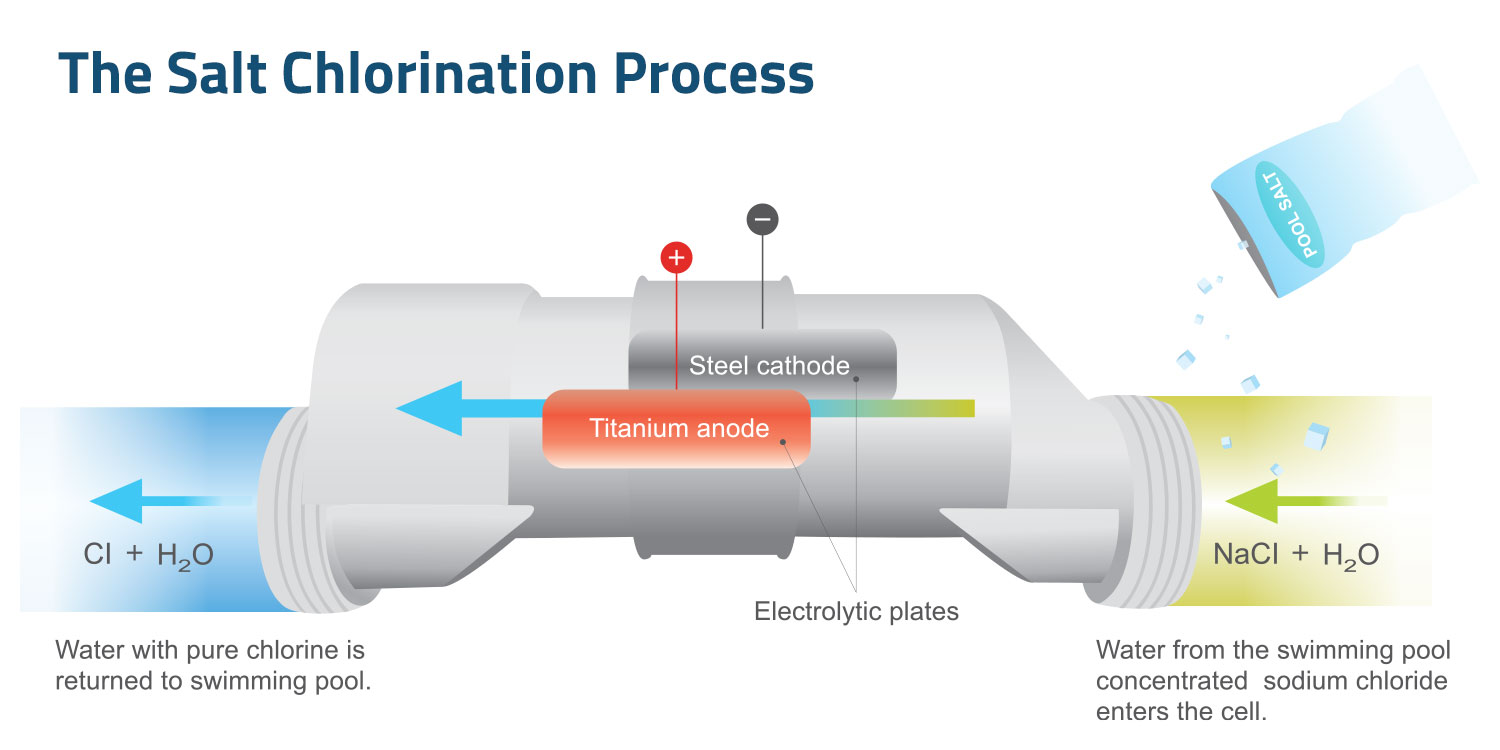
Adding salt to your saltwater pool might seem like a simple task, but there's more to it than just dumping a bag of salt in. Saltwater pools rely on a special system that converts salt into chlorine, keeping your water clean and safe. Getting the salt levels right is crucial for everything from proper sanitization to equipment longevity. Let's break down exactly how to add salt to your saltwater pool step by step.
Understanding Salt Levels for Saltwater Pools
Before jumping into adding salt, it's important to understand what constitutes proper salt concentration. Most saltwater pools need between 2,700 and 4,500 parts per million (ppm) of salt. That's roughly 2.7 to 4.5 pounds of salt per 1,000 gallons of water. You can test your current salt levels using a salt test kit, which you'll want to purchase before starting. If your levels are too low, you'll need to add salt. If they're too high, you'll have to dilute the water. Think of it like adjusting the seasoning in a soup - you want it just right.

What Type of Salt Should You Use?
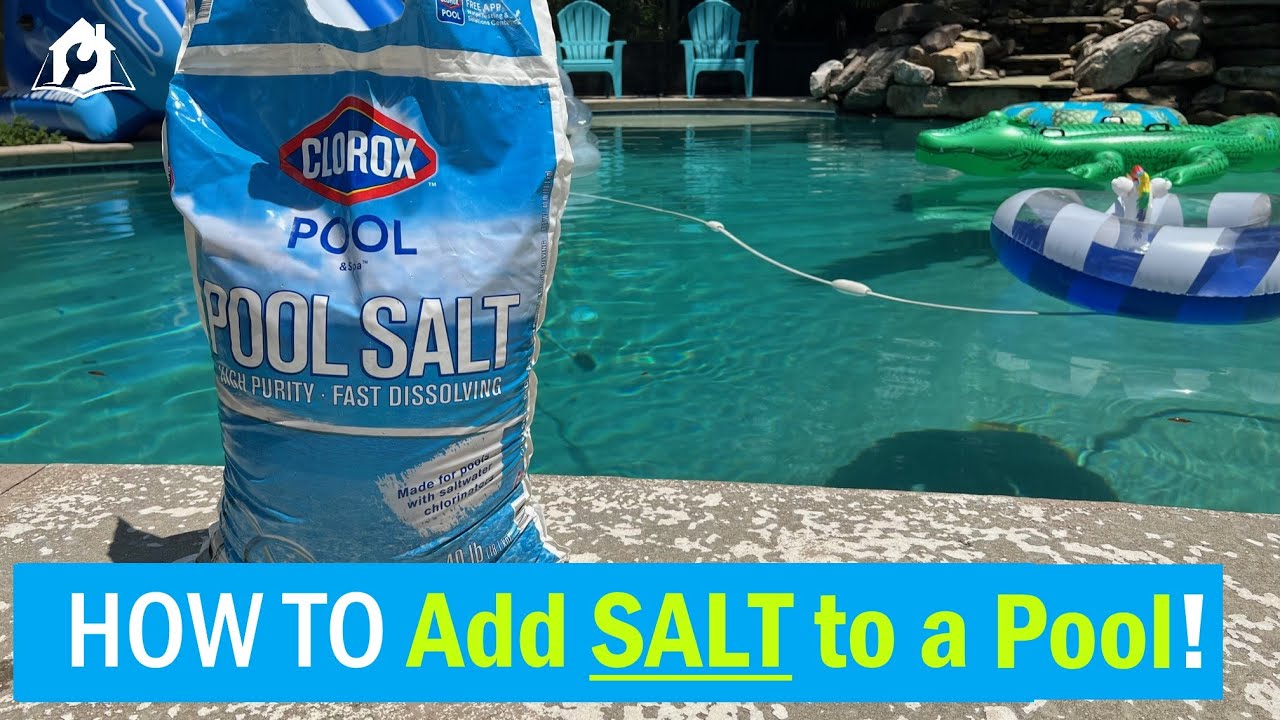
Not all salt is created equal when it comes to pools. You must use pool-grade salt specifically designed for saltwater systems. This type of salt is usually fine-grained and free of additives that could harm your pool's equipment or water chemistry. Avoid table salt or rock salt, which often contain iodine or other chemicals that can damage your salt chlorinator cell. Pool salt typically costs around $20-30 for a 40-pound bag, which is enough for most residential pools. It's worth noting that some people use solar salt, but pool salt is generally preferred because it dissolves better and causes fewer issues with equipment.

Preparing Your Pool Before Adding Salt
Before adding salt, make sure your pool is ready for the process. First, check that your saltwater chlorination system is functioning properly. If you have a salt chlorinator, ensure the cell is clean and not clogged with debris. Run your filtration system for several hours to circulate the water properly. Also, test your water chemistry including pH, alkalinity, and calcium hardness. These factors affect how well the salt dissolves and functions. If the pH is too high or too low, adjust it first before adding salt. Your pool should be clean and balanced before introducing any new elements.
Step-by-Step Process for Adding Salt
Here's how to actually add salt to your pool:
This gradual approach prevents salt from settling in one area and ensures even distribution. Some pool owners prefer to add salt during the evening when the sun isn't directly heating the water, which helps prevent rapid evaporation.
Common Mistakes to Avoid When Adding Salt
Many people make errors when adding salt that can cause problems later. Here are the most common pitfalls:
These mistakes can lead to equipment damage, cloudy water, or ineffective sanitization. It's better to take your time and do it correctly rather than rush through the process. Remember, saltwater pools require patience and attention to detail.
Maintaining Proper Salt Levels Over Time
Once you've added salt, maintaining the right levels becomes an ongoing process. Salt levels can decrease due to splashing, backwashing, or adding fresh water. Regular testing every 2-4 weeks will help you monitor levels. If you notice a drop in salt concentration, you'll need to add more. However, don't overcompensate by adding large amounts at once. Instead, make small adjustments regularly. Consider investing in an automatic salt feeder if you want to minimize manual work. This device automatically adds salt as needed, keeping levels consistent year-round. Your pool's salt system will thank you for consistent maintenance.
Adding salt to a saltwater pool doesn't have to be intimidating. With the right preparation, proper salt selection, and careful execution, you can maintain healthy salt levels that keep your pool clean and safe. Remember that this is a gradual process, and rushing it can lead to problems. Start with small amounts, test frequently, and pay attention to your pool's response. The investment of time and effort now will save you headaches later. Whether you're a seasoned pool owner or new to saltwater systems, understanding how to properly add salt is one of the most important skills for pool care. Your pool will appreciate the attention to detail, and you'll enjoy clearer water and less maintenance stress.


