
Imagine stepping out of your home and into a world where relaxation meets culinary artistry. Picture yourself surrounded by the gentle sound of water, the warmth of the sun, and the tantalizing aroma of perfectly grilled food. That's exactly what a pool house with outdoor kitchen can deliver. This isn't just about having a place to swim – it's about creating a complete lifestyle experience right in your own backyard.
The modern homeowner is constantly seeking ways to enhance their living space while maximizing entertainment potential. Pool houses with outdoor kitchens have emerged as one of the most sought-after additions to residential properties. These versatile structures offer the perfect blend of relaxation and functionality, transforming ordinary backyard gatherings into extraordinary experiences. Whether you're planning a casual Sunday brunch or hosting elaborate summer parties, a well-designed pool house with outdoor kitchen can elevate your outdoor living to new heights. But what exactly makes these spaces so special? Let's dive deeper into the world of pool house design and discover why they've become such a popular choice among homeowners nationwide.
Design Fundamentals and Planning Considerations
Before you start dreaming about your dream pool house, it's crucial to understand the foundational elements that make these spaces work so well. The first step involves assessing your property's layout and existing infrastructure. You'll want to consider factors like the pool placement, drainage systems, electrical needs, and water access points. Many homeowners overlook the importance of proper zoning – ensuring that your kitchen area doesn't interfere with the pool's usability or create safety hazards.
The size of your pool house should match your intended usage patterns. A small, intimate space might be perfect for quiet family dinners, while larger designs can accommodate extensive entertaining. Think about how you actually spend time outdoors. Do you prefer cooking for large groups or intimate meals? This will influence everything from counter space to seating arrangements.
Budget considerations play a major role in the planning phase. While some homeowners see pool houses as luxury investments, others approach them as practical solutions for year-round outdoor living. The average cost ranges from $25,000 to $100,000+, depending on materials, size, and finishes. Factor in permits, utilities, and potential landscaping changes when budgeting for your project.
Essential Features for Outdoor Kitchen Functionality
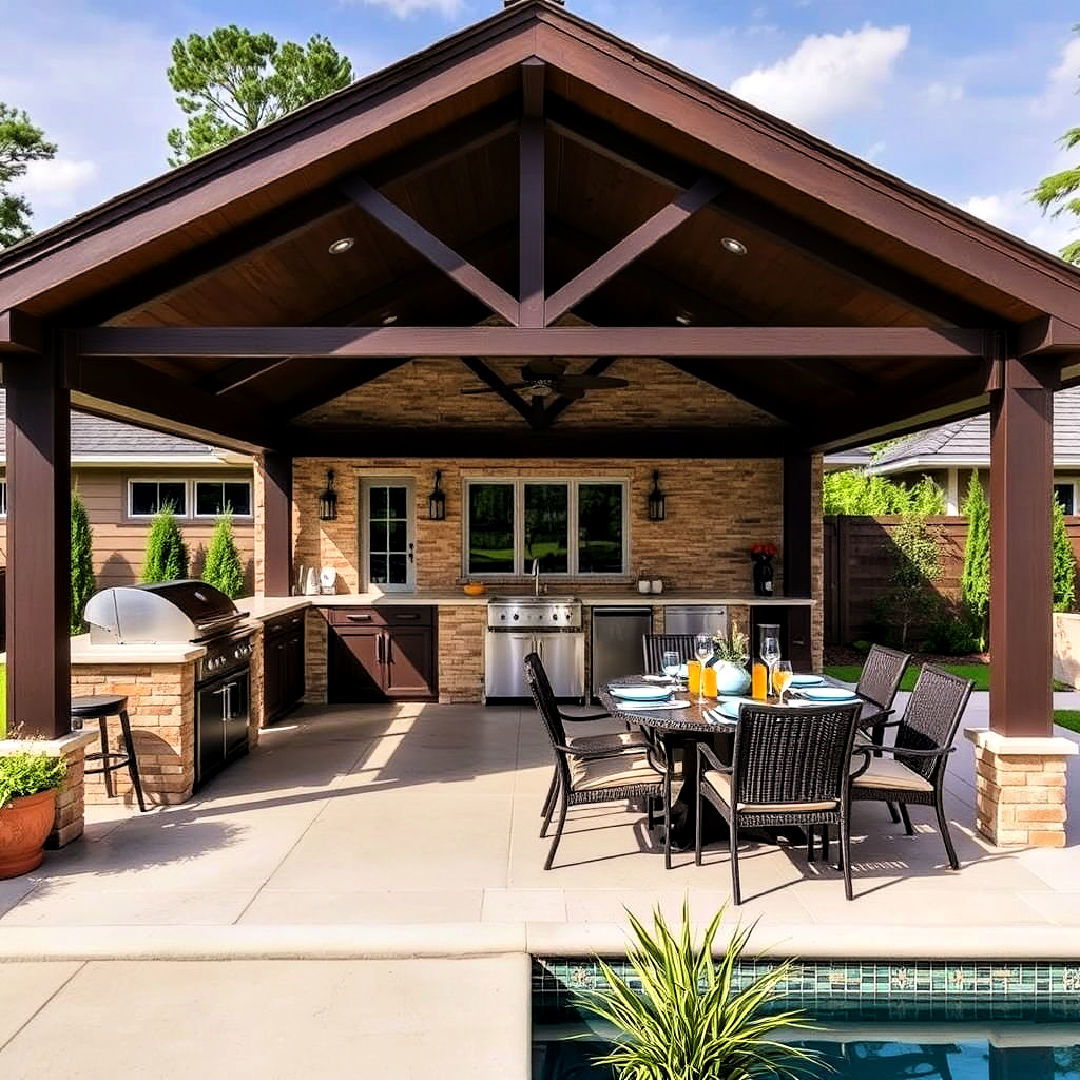
An outdoor kitchen isn't just about grilling – it's a complete culinary environment designed for practicality and efficiency. The heart of any successful outdoor kitchen lies in its workflow and organization. Start with the classic triangle layout: place your prep area, cooking zone, and storage in a way that allows easy movement between all three areas. This simple concept can dramatically improve your cooking experience.
Key components include:
Consider the climate in your region when selecting materials. Stainless steel appliances work well in coastal environments, while cedar or composite materials handle humidity better in tropical climates. Don't forget about practical details like proper ventilation to prevent smoke buildup and adequate electrical outlets for various appliances.
The beauty of outdoor kitchens lies in their versatility. They can range from basic setups with just a grill and counter to elaborate designs featuring built-in pizza ovens, wine coolers, and even full refrigeration units. What matters most is ensuring that every element serves a purpose in your daily routine.
Pool House Layouts and Space Optimization
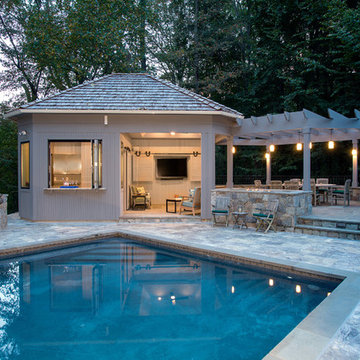
One of the most common mistakes people make when planning pool houses is underestimating the importance of space planning. The key is creating zones within your pool house that serve different purposes while maintaining visual cohesion. Think of your space as a series of interconnected rooms rather than one large open area.
Common layouts include:
The placement of your dining area is particularly important. Ideally, it should be positioned to take advantage of views, whether that's toward the pool, garden, or landscape. Consider adding a covered dining area if you live in a region with variable weather conditions.
Storage solutions often get overlooked but are crucial for maintaining the clean, organized look that makes these spaces so appealing. Built-in cabinetry keeps everything within reach while hiding the clutter that can quickly accumulate in outdoor settings. Think about using pull-out drawers instead of traditional doors for easier access to frequently used items.
Don't forget about accessibility. Ensure there's enough room for people to move comfortably around the kitchen area, especially if you expect guests with mobility challenges. Wide doorways and adequate clearance are essential features that shouldn't be compromised for aesthetics.
Materials and Construction Best Practices
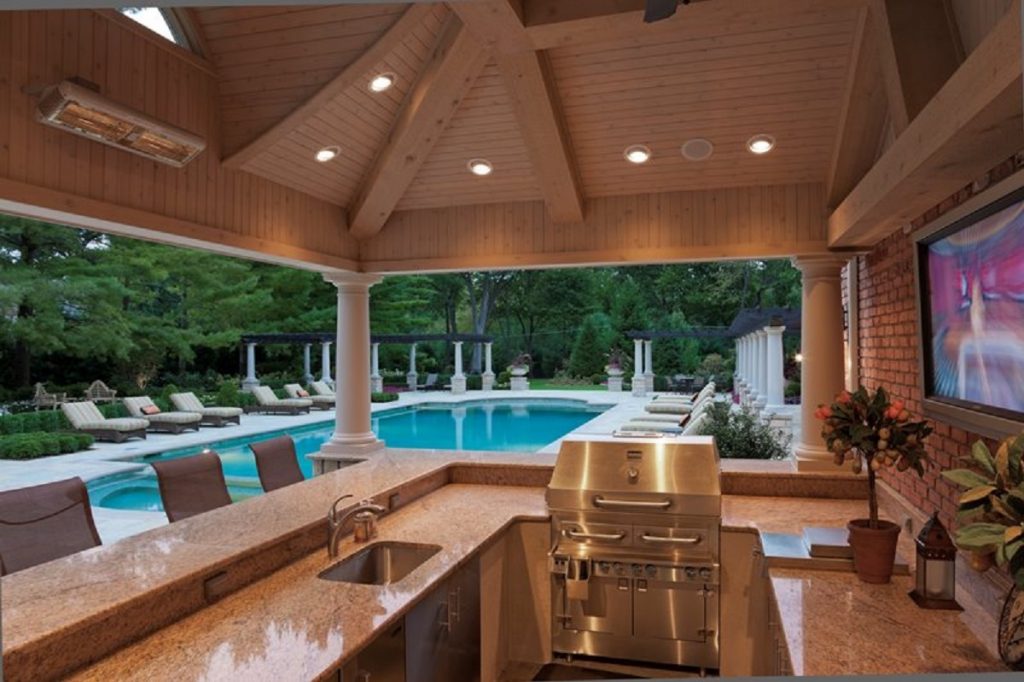
Choosing the right materials for your pool house construction can make the difference between a structure that stands the test of time and one that needs frequent repairs. The harsh outdoor environment demands materials that can withstand temperature fluctuations, moisture, and UV exposure without deteriorating.
Popular choices include:
When it comes to flooring, consider materials that won't become slippery when wet. Tile, stone, or specialized outdoor carpeting work well in high-traffic areas. For deck surfaces, composite lumber offers excellent longevity and requires minimal maintenance compared to traditional wood.
The foundation is another critical element that often gets rushed. Proper footings and drainage are essential to prevent water damage and structural issues. Even small pool houses require adequate support to handle wind loads and seasonal temperature changes.
Professional installation matters significantly, especially for electrical and plumbing work. These systems must meet local codes and be properly integrated with your main home's utilities. Many contractors offer turnkey solutions that handle everything from permits to final finishing touches.
Safety and Accessibility Features
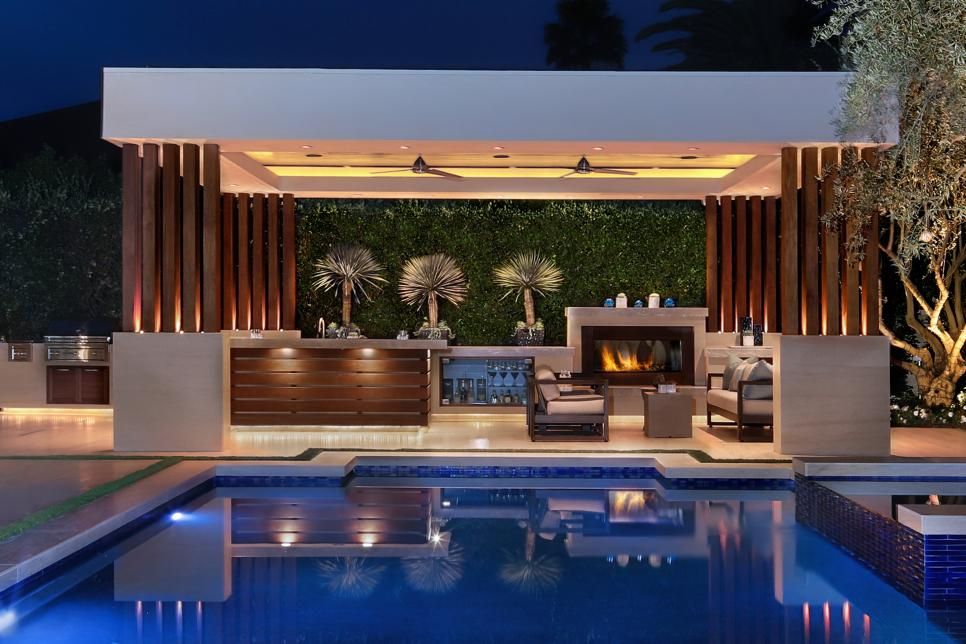
Safety should never be an afterthought when designing outdoor spaces, particularly those combining water features with cooking areas. The proximity of water and heat creates unique challenges that require careful consideration in both design and implementation.
Critical safety elements include:
Accessibility features have become increasingly important as homes adapt to changing needs. Ramps, wider doorways, and adjustable-height counters can make your pool house usable for people of all ages and abilities. Consider installing grab bars near the sink area and ensuring there's sufficient knee room under counters for wheelchair users.
Weather protection is another crucial aspect. While you want to enjoy the outdoors, you also need to protect your investment from excessive weather exposure. Canopies, pergolas, or partial roofing can provide necessary shelter while maintaining an open-air feel. These elements should be designed to handle local weather conditions including wind loads and precipitation.
Many homeowners find that incorporating safety features early in the planning process saves money and headaches later. It's better to build in proper drainage systems now than deal with costly repairs after construction is complete.
Maintenance and Long-term Care
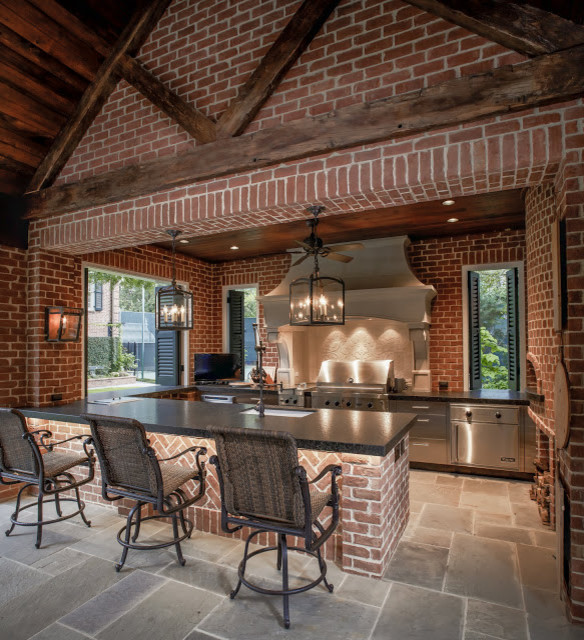
The beauty of pool houses with outdoor kitchens lies in their ability to provide years of enjoyment when properly maintained. However, regular upkeep is essential to preserve both functionality and appearance. Different materials require different care approaches, so understanding your specific needs is crucial.
Routine maintenance tasks include:
Seasonal preparation becomes especially important in regions with extreme weather conditions. Winterizing your outdoor kitchen might involve covering appliances, draining water lines, and protecting exposed surfaces from freezing temperatures. In warmer climates, protecting against UV damage and salt corrosion requires different strategies.
Investing in quality products upfront often pays dividends in reduced maintenance costs over time. High-grade materials may cost more initially but typically last longer and require less frequent replacement. Professional maintenance services can also be valuable for complex systems like gas lines or sophisticated climate control features.
Keep detailed records of all maintenance activities and warranty information. This documentation proves invaluable when addressing insurance claims or selling your property. Many homeowners discover that their pool house adds significant value to their overall property worth, making proper care a smart financial decision.
A pool house with outdoor kitchen represents more than just an addition to your property – it's a commitment to enhancing your quality of life through thoughtful design and careful planning. From the initial concept through to ongoing maintenance, every aspect of this project contributes to creating a space that truly works for your lifestyle. The key to success lies in balancing aesthetic appeal with practical functionality, ensuring that your investment provides both immediate enjoyment and long-term value.
Whether you're envisioning a simple structure for weekend barbecues or a sophisticated retreat for entertaining guests, the principles remain the same. Start with clear goals, choose quality materials, and don't hesitate to seek professional guidance when needed. Remember that these spaces evolve with your needs over time, so flexibility in design can pay dividends in future adaptability.
The satisfaction that comes from having your own private outdoor kitchen and relaxation area is immeasurable. It's a place where memories are made, conversations flow freely, and the simple pleasures of good food and great company come together perfectly. With proper planning and execution, your pool house with outdoor kitchen can become the crown jewel of your home, offering countless hours of enjoyment for years to come.


