Picture this: your four-legged friend is curled up on the porch, watching the world go by, while you sip your morning coffee. The screen door keeps the bugs out, but what about your pup? This scenario isn't just a dream – it's entirely possible with the right dog door solution for your screened porch.

Screened porches are wonderful additions to homes, offering the perfect blend of indoor comfort and outdoor enjoyment. But when you have a furry companion who loves to spend time outside, the question becomes: how do you let them enjoy the porch safely and comfortably? That's where dog doors for screened porches come in. These specialized entryways allow dogs to move freely between indoor and outdoor spaces while maintaining the integrity of your screen porch setup. Whether you're a first-time homeowner or someone looking to upgrade your current setup, understanding the ins and outs of these systems is crucial for both pet safety and home protection.

Why Choose a Dog Door for Your Screened Porch?

There are several compelling reasons why installing a dog door in your screened porch makes perfect sense. First, it gives your pet the freedom to go outside whenever they please, rather than being restricted to indoor-only access. This is especially important for dogs who need to relieve themselves or simply want to enjoy fresh air and sunshine.
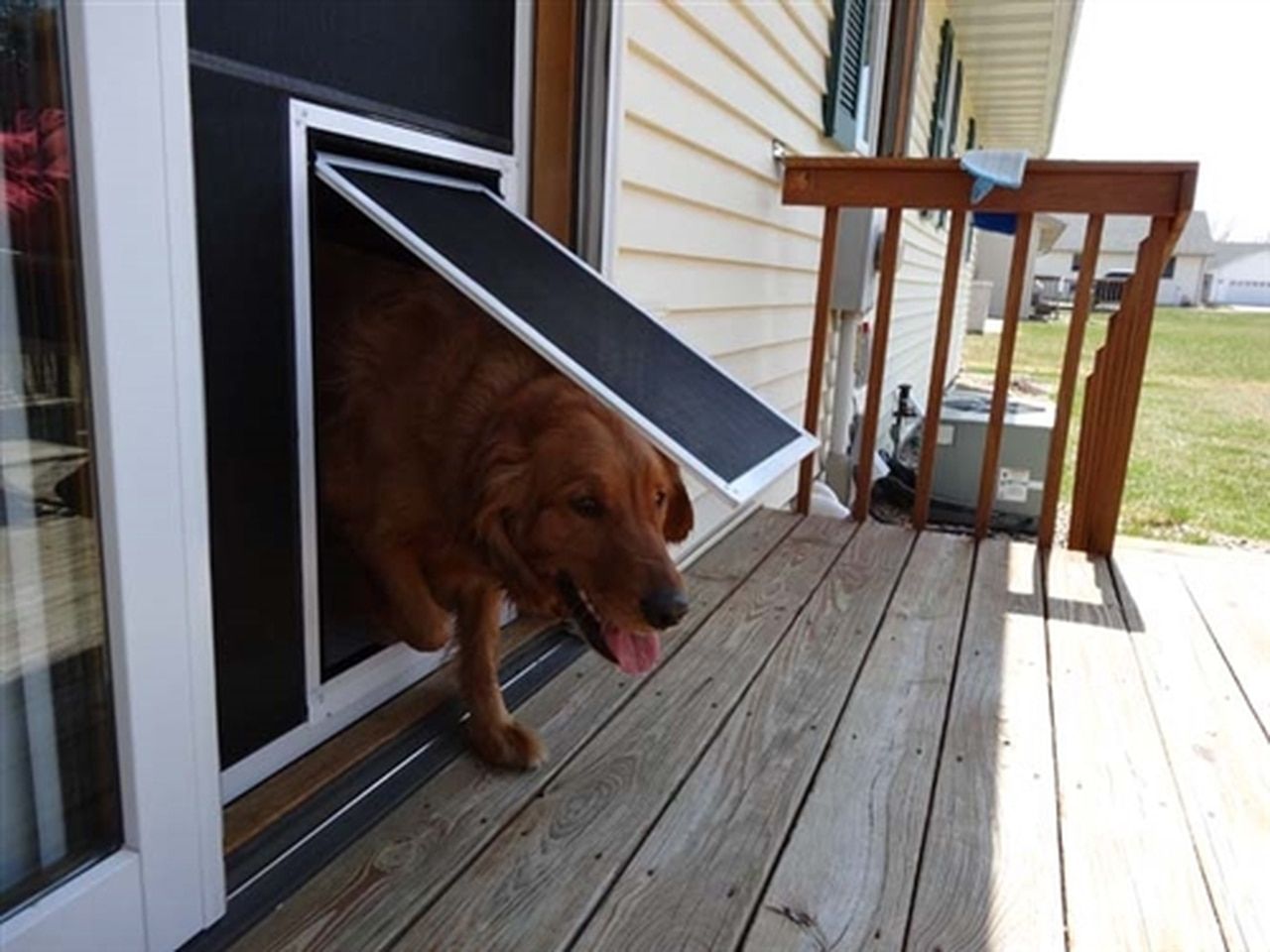
Giving Your Dog the Freedom of the Porch A Guide 1

Additionally, screen porches are designed to keep insects and pests out, which means you don't have to worry about bugs getting into your home through a traditional door opening. When you add a properly installed dog door, you maintain that barrier while still allowing your pet to enjoy the outdoors.

Another benefit is the convenience factor. Instead of having to constantly open and close the main entrance, your dog can come and go as needed. This works particularly well for active dogs or those who like to spend time outside during the day. It also helps with training, as pets learn to associate the dog door with going outside for bathroom breaks.

Finally, there's the peace of mind aspect. With proper installation and quality materials, a dog door provides a secure way for your pet to access the outdoors without compromising your home's security or comfort.

Types of Dog Doors Suitable for Screened Porches
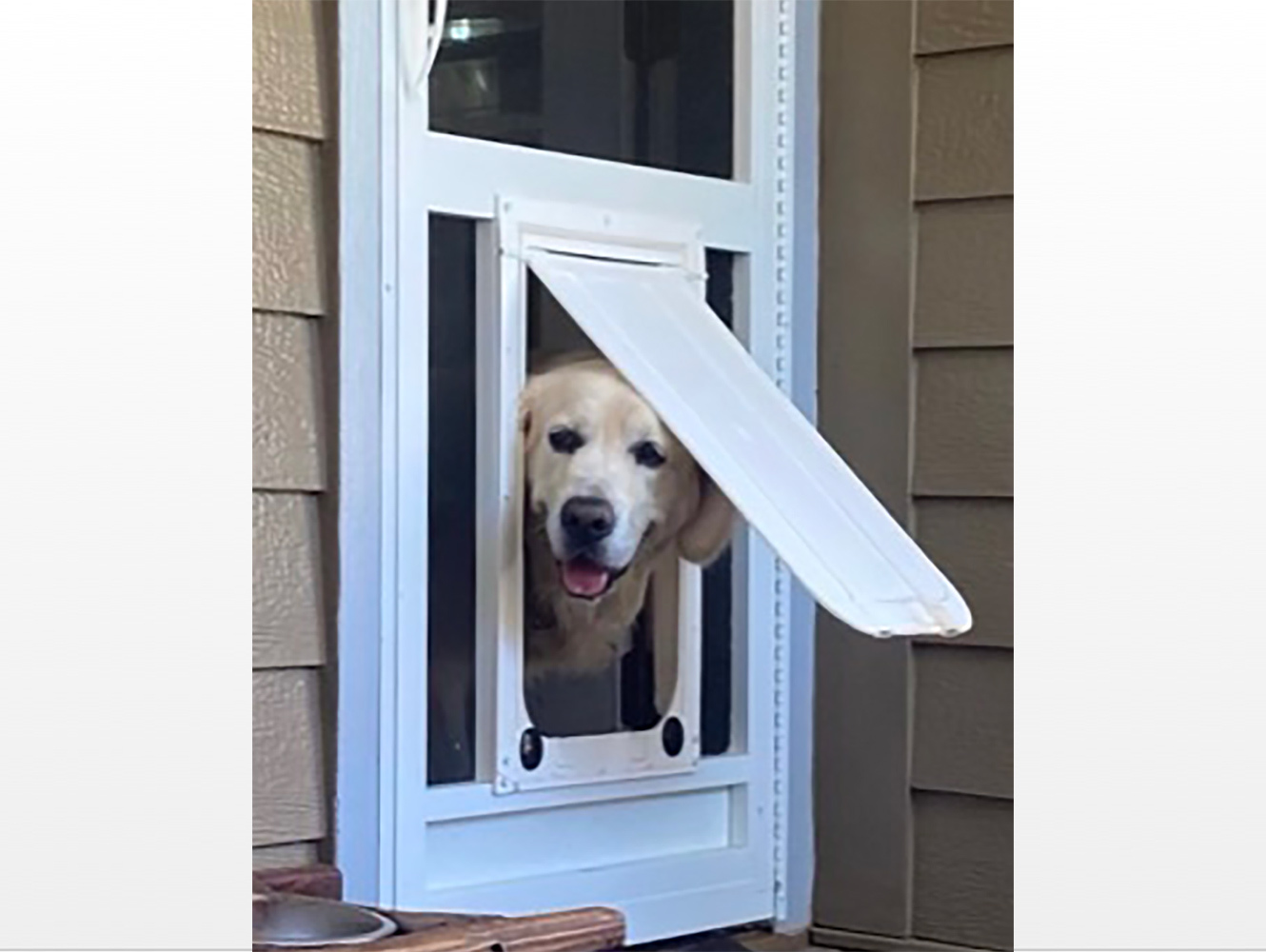
Giving Your Dog the Freedom of the Porch A Guide 2

Not all dog doors are created equal, especially when it comes to fitting within the unique structure of a screened porch. There are several types worth considering:

  • Sliding dog doors - These work exceptionally well in screen porches because they slide along tracks, often requiring minimal modifications to existing screens. They're great for smaller dogs and offer good security features.
  • Hinged dog doors - These swing open like regular doors and are ideal for larger dogs or situations where you need more space for your pet to pass through. They require careful measurement to ensure proper fit in the screen frame.
  • Panel-mounted doors - These attach directly to the screen panel itself and are excellent for maintaining the structural integrity of your porch while providing easy access for pets.
  • Removable screen doors - Some designs allow you to completely remove the screen panel for easy access and cleaning, though this may require more frequent attention to ensure proper sealing.
  • When choosing a type, consider your dog's size, the dimensions of your screen porch, and how much modification you're willing to make to your existing setup.

    Installation Considerations for Screened Porches

    Installing a dog door in a screened porch requires some careful planning and consideration. Here's what you need to know:
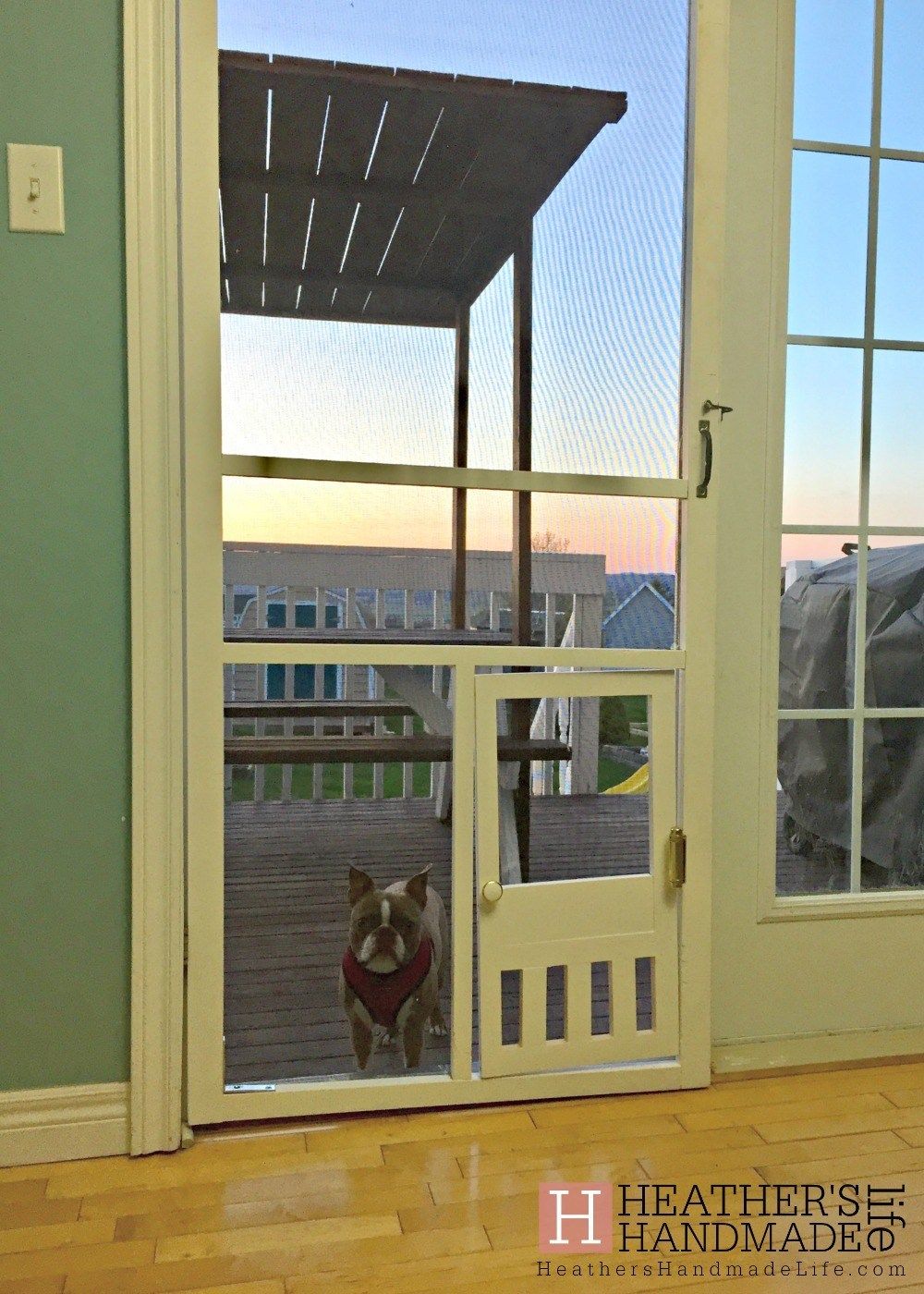
  • Measure twice, cut once - Before purchasing any product, measure your screen porch carefully. Take measurements of the opening where the dog door will go, including width, height, and depth. Remember to account for any additional clearance needed for your dog's movement.
  • Check screen material and frame - Different screen materials react differently to mounting hardware. Some screens might be too fragile for heavy-duty installations, while others might require special tools or techniques to avoid damage.
  • Consider the weather - Screened porches are exposed to the elements, so choose a dog door that can withstand humidity, rain, and temperature changes. Look for materials like aluminum or high-quality plastic that won't warp or deteriorate quickly.
  • Security matters - Ensure the dog door has good locking mechanisms to prevent unauthorized access by other animals or intruders. Many modern options feature dual-lock systems or electronic controls.
  • Professional vs. DIY - While many installations can be done yourself, consider hiring a professional if you're unsure about your ability to properly install the system without damaging your porch or creating gaps that could let pests in.
  • Giving Your Dog the Freedom of the Porch A Guide 3

    Popular Features to Look For

    Modern dog doors for screen porches come packed with features designed to enhance both pet comfort and owner convenience:

  • Weather resistance - Look for doors with rubber gaskets or seals that prevent water infiltration during storms or heavy rains. This is especially important for screen porches that might get exposed to direct weather.
  • Size customization - Adjustable sizes allow you to accommodate growing puppies or changing needs over time. Some models even offer multiple opening sizes for different pets.
  • Easy cleaning - Removable panels or washable components make maintenance simple. You'll appreciate this feature after muddy walks or during seasonal cleaning periods.
  • Safety locks - Many systems include child locks or pet-specific security features that prevent smaller animals from accidentally getting trapped or accessing areas they shouldn't.
  • Energy efficiency - Some newer models incorporate insulation features that help maintain comfortable temperatures inside your home, which can be a bonus during hot summer days or cold winter months.
  • Noise reduction - Quieter operation means less disturbance for both you and your pet. Some doors feature soft-close mechanisms or sound-dampening materials.
  • These features can significantly impact your daily routine and your pet's overall experience using the dog door.

    Maintenance and Care Tips
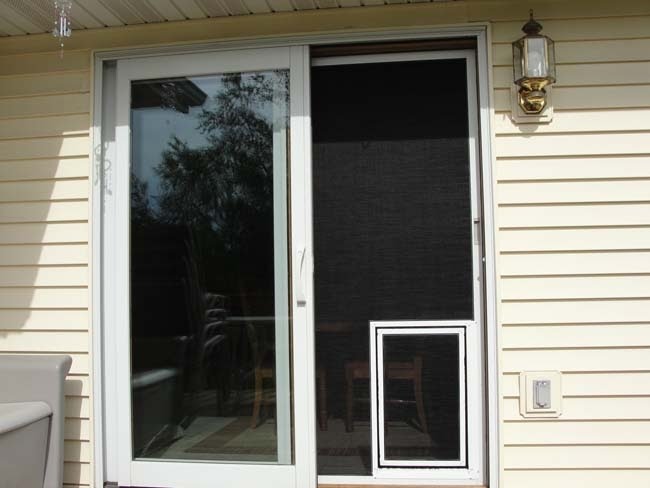
    Giving Your Dog the Freedom of the Porch A Guide 4

    Like any home improvement project, proper maintenance ensures your dog door continues working effectively for years to come:

  • Regular cleaning - Clean the door frame and seal regularly to prevent buildup of dirt, debris, or pet hair that might interfere with proper operation. Use mild soap and water for most materials.
  • Check weatherstripping - Inspect rubber gaskets and seals periodically for signs of wear or deterioration. Replace them when necessary to maintain proper weather protection.
  • Test functionality - Regularly test that the door opens and closes smoothly. Check that the locking mechanism works correctly and that there are no gaps that might allow unwanted access.
  • Monitor for wear - Watch for signs of damage to the screen or frame around the installation area. Early detection prevents bigger problems later.
  • Pet behavior monitoring - Observe how your dog uses the door. If they seem hesitant or uncomfortable, it might indicate a sizing issue or installation problem that needs addressing.
  • Seasonal checks - Perform extra inspections before and after major weather changes. Winter might require checking for ice buildup, while summer could mean more frequent cleaning due to increased pollen or debris.
  • Proper care extends the life of your investment and keeps your pet safe and comfortable.

    Cost Considerations and Value Assessment

    Dog doors for screen porches vary widely in price, ranging from budget-friendly options to premium systems with advanced features. Here's what to expect:
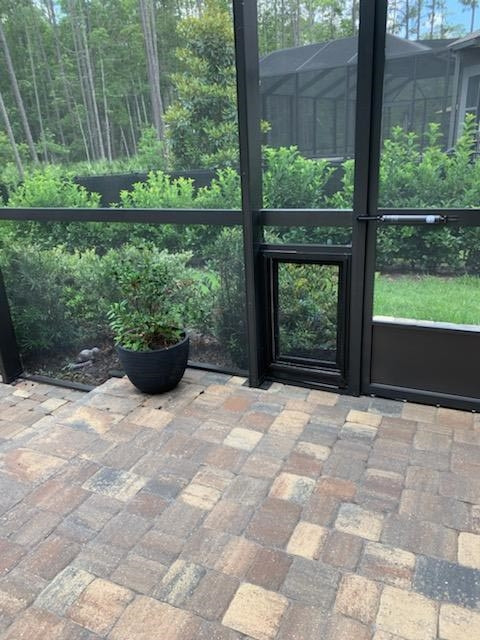
  • Basic sliding doors typically cost between $50-$150, making them accessible for those on a tighter budget. These usually offer essential features but fewer bells and whistles.
  • Mid-range hinged models fall between $150-$300 and often include better materials, improved weather resistance, and enhanced security features.
  • Premium systems can range from $300-$600 or more, featuring smart technology, customizable options, and superior build quality.
  • Giving Your Dog the Freedom of the Porch A Guide 5

    When evaluating costs, consider not just the initial purchase price but also:

  • Long-term durability and replacement costs
  • Energy savings from improved insulation
  • Reduced stress on your main doors
  • Convenience factor in terms of time saved
  • Potential increase in home value
  • While the upfront investment might seem significant, many homeowners find that the added convenience and pet comfort make it worthwhile. Think of it as an investment in your family's happiness and your pet's wellbeing.

    Choosing the right dog door for your screened porch is more than just a practical decision – it's about enhancing your pet's quality of life and your home's functionality. Whether you're dealing with a small breed or a large, active dog, there's a solution available that fits your specific needs and lifestyle. The key lies in careful consideration of your pet's size, your porch's structure, and your budget.

    Remember that proper installation and regular maintenance are crucial for long-term success. Taking the time to research, measure accurately, and select quality materials will pay dividends in the form of years of reliable service. Your four-legged friend will thank you for the freedom to explore the outdoors safely, and you'll appreciate the peace of mind that comes with knowing they have secure, convenient access to their favorite spot.

    Ultimately, the best dog door for your screen porch is one that balances your pet's needs with your home's requirements. With thoughtful planning and the right equipment, you can create a seamless transition between indoor and outdoor living spaces that benefits everyone involved.
