
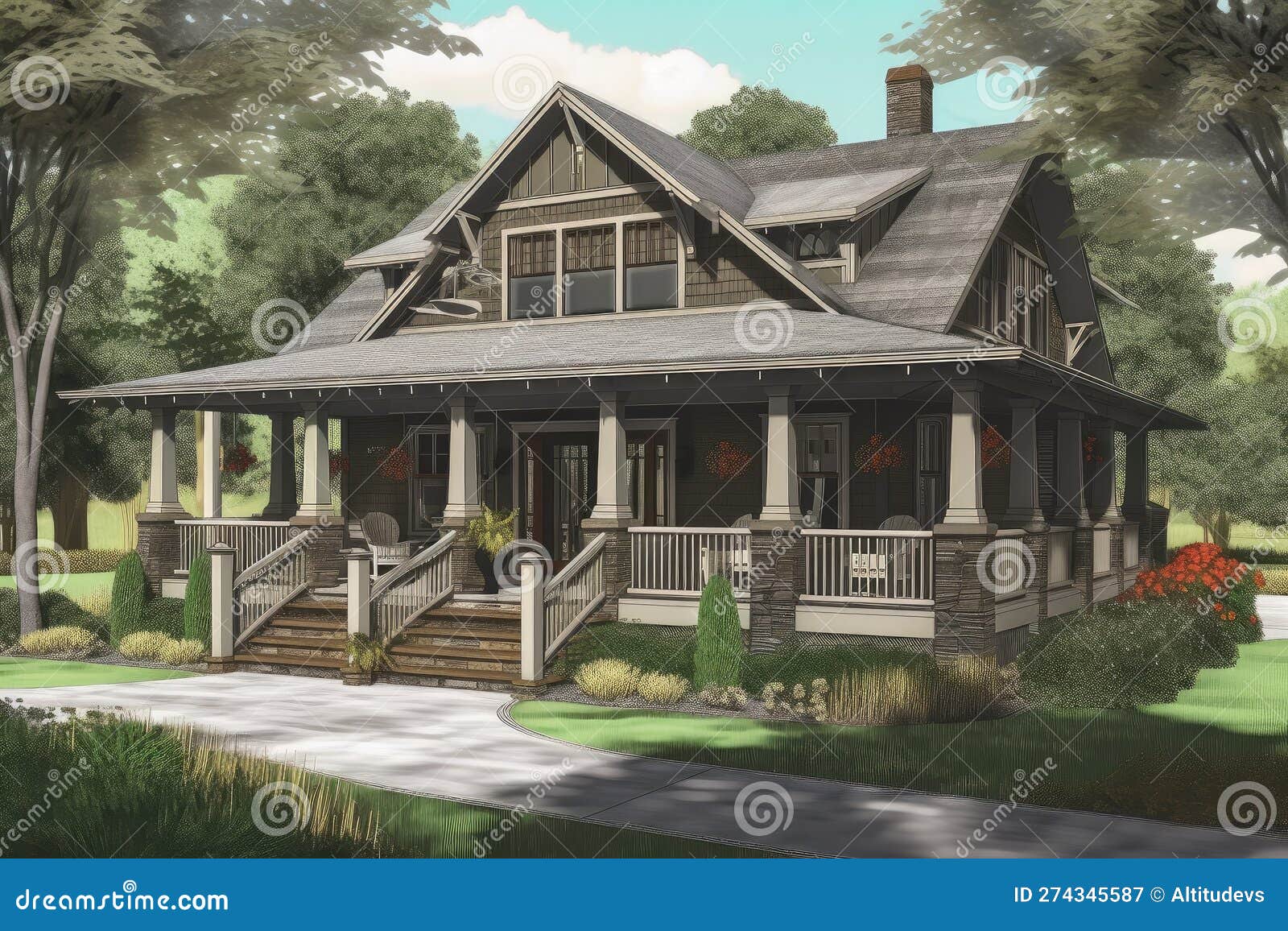
There's something magical about stepping into a Craftsman home with its generous wrap-around porch. The way sunlight filters through the eaves, how the wood grain tells stories of decades past, and that feeling of being both inside and outside simultaneously – it's no wonder these homes have captured hearts for over a century.
Imagine walking up to a home where the front porch stretches around three sides of the building, creating a welcoming space that seems to embrace visitors like an old friend. This isn't just architectural flair – it's the essence of Craftsman design philosophy. These homes, born from the early 1900s, represent more than mere shelter. They embody a way of life that values connection, craftsmanship, and the simple pleasure of outdoor living. The wrap-around porch became the signature element that transformed these homes from ordinary dwellings into iconic American architecture. Whether you're considering a renovation, planning a new build, or simply admiring these beautiful structures from the street, understanding the significance of this porch design is essential.
Origins of the Craftsman Movement
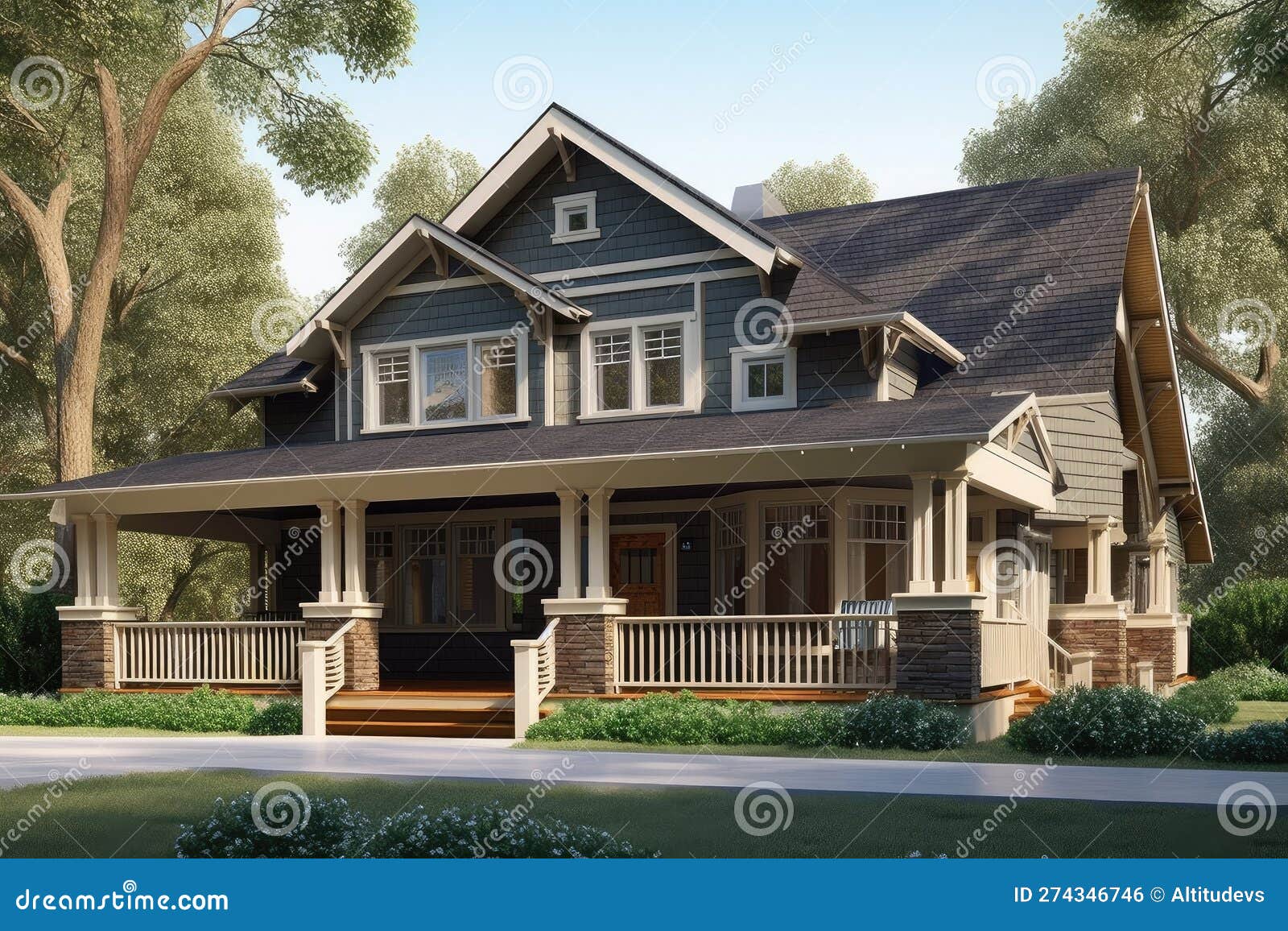
The Craftsman style emerged during the early 1900s as part of a broader Arts and Crafts movement that celebrated handcrafted goods and honest design. It was a reaction against industrialization's soulless mass production. The movement drew inspiration from English cottage designs and Japanese aesthetics, emphasizing natural materials and simplicity. The term 'Craftsman' comes from the Craftsman magazine, which popularized the style in the 1890s. What made these homes special wasn't just their appearance but their philosophy – they were meant to be lived in, not merely looked at. The wrap-around porch was more than decoration; it was a functional extension of the living space. Consider the work of architects like Gustav Stickley, who designed homes that celebrated both form and function. His vision was that every element should serve a purpose while remaining beautiful. The porch wasn't just an afterthought; it was a central feature that invited people to slow down and enjoy their surroundings. In many ways, it was the perfect compromise between indoor comfort and outdoor freedom.
Design Features That Define Craftsman Porches
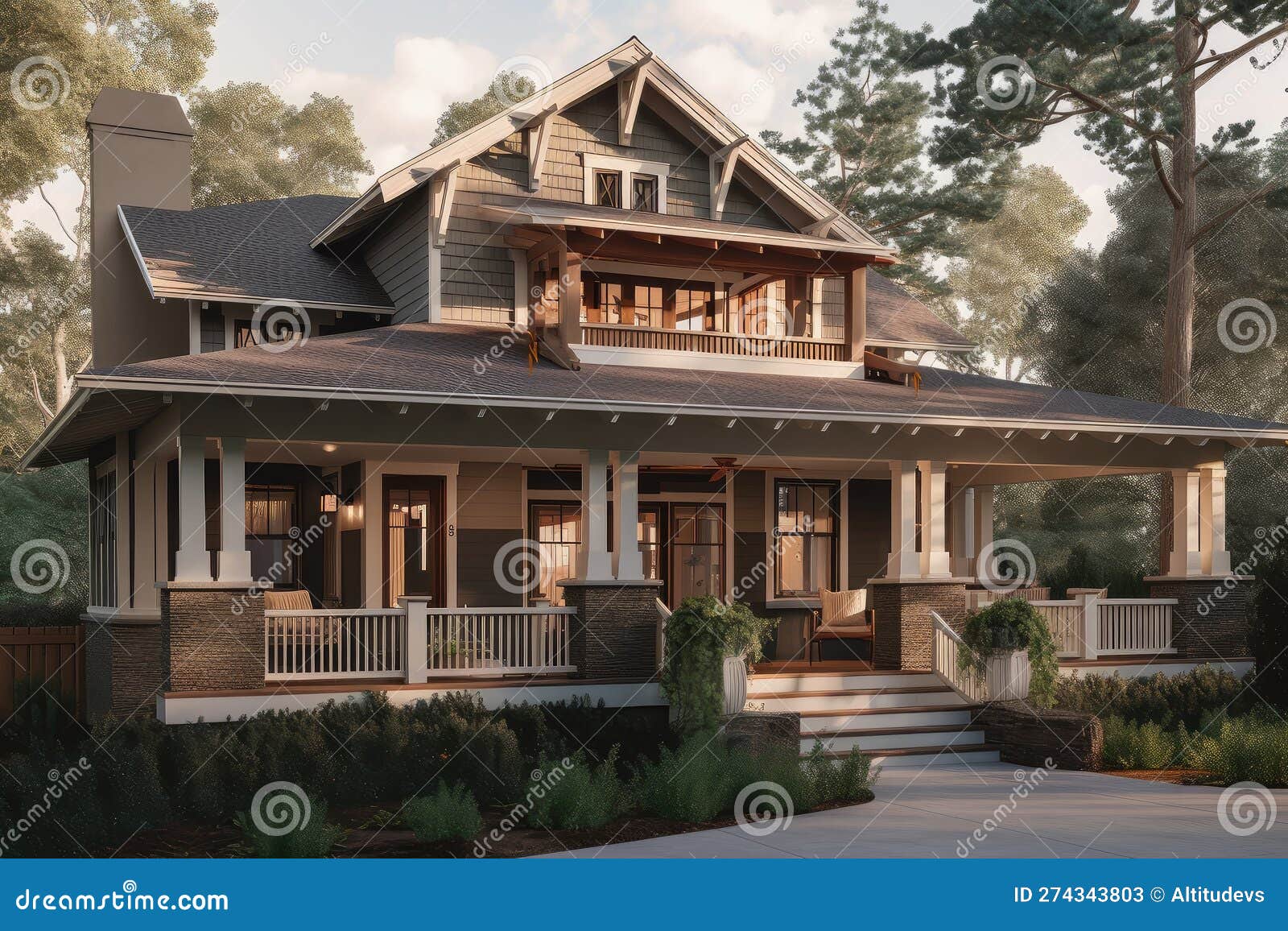
What makes a Craftsman porch truly distinctive? It's not just about size – though a wrap-around porch certainly is impressive. The key elements include exposed rafters, wide eaves, and decorative brackets. These details create visual interest while providing practical benefits like shade and protection from weather. The porches typically feature built-in seating areas, often with benches that seem to grow naturally from the structure itself. You'll notice the emphasis on horizontal lines rather than vertical ones, creating a sense of stability and groundedness. The materials used are usually natural – wood is dominant, often Douglas fir or cedar, which age beautifully over time. These woods develop rich patinas that tell the story of each season and year. The railing design is another crucial element, often featuring turned balusters or intricate scrollwork that adds character without overwhelming the overall aesthetic. Many porches also incorporate stained glass windows or decorative hardware that catches light beautifully. The proportions matter too – the porch should feel comfortable and intimate, not overwhelming. Think of how the space invites conversation, how it creates a natural gathering area for families and friends.
The Practical Benefits of Wrap-Around Design
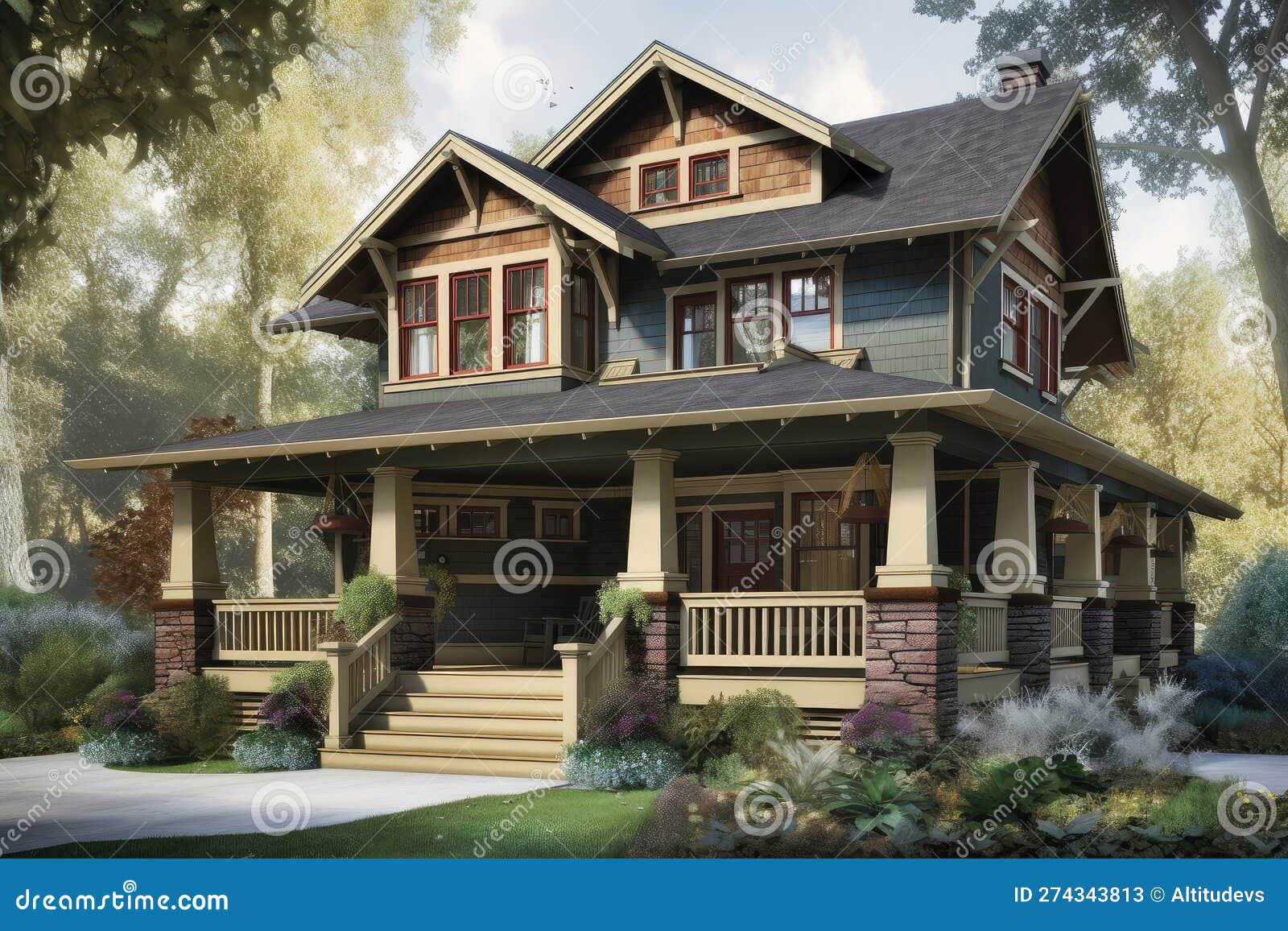
Beyond their aesthetic appeal, wrap-around porches offer genuine advantages that make them incredibly appealing. First and foremost, they provide multiple access points to the home, allowing for easy entry from different directions. This is particularly useful in family settings where children might be coming and going. The porch also serves as a buffer zone between public and private spaces, offering privacy while maintaining visibility. During hot summer days, the covered areas provide relief from direct sun exposure. The eaves create natural shade that keeps the interior cooler, reducing energy costs. For entertaining, having space on three sides means guests can move freely around the home. You might have dining furniture on one side, lounging areas on another, and perhaps a small workspace on the third. The porch also offers excellent storage opportunities, especially when built-ins are incorporated. Many homeowners use the space for seasonal items, gardening tools, or even as a mudroom area. The versatility extends beyond practical uses – it's a place where memories are made. Children play, adults relax, and neighbors chat. The design literally encourages community interaction while providing individual comfort.
Historical Evolution and Regional Variations
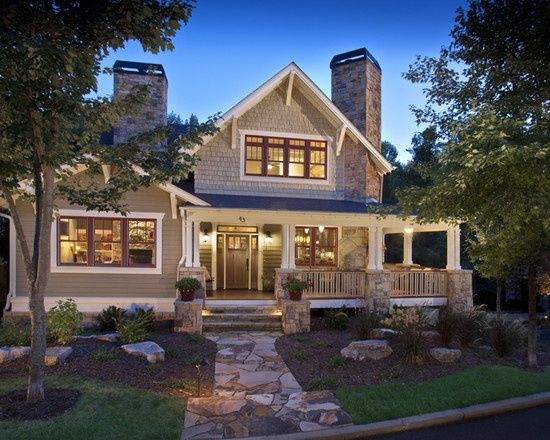
While the basic Craftsman porch concept remained consistent, regional variations developed based on local climate and available materials. In the Pacific Northwest, for instance, cedar was the preferred wood due to its resistance to moisture and insects. The porches there tend to be slightly larger and more elaborate, reflecting the region's appreciation for natural materials. Southern versions often feature more ornate detailing, sometimes incorporating elements from Spanish colonial architecture. Northern regions adapted their designs to handle harsher winters, using thicker materials and more substantial construction techniques. The California Craftsman style, popularized by architects like Greene & Greene, emphasized clean lines and minimal ornamentation. They believed that less was more, focusing on quality craftsmanship rather than excessive decoration. In contrast, the East Coast versions sometimes featured more traditional elements, including classical columns or more detailed trim work. These differences show how the basic concept evolved organically to meet local needs while maintaining core principles. Understanding these variations helps appreciate why certain porches look different even within the same architectural style. The evolution shows how architecture adapts to environment and culture.
Modern Adaptations and Contemporary Relevance
Today's homeowners are rediscovering the appeal of Craftsman porches, often updating them with modern amenities while preserving their classic character. New construction frequently incorporates wrap-around porches, though they may be smaller and more practical than their historic counterparts. Modern materials like composite decking offer durability similar to wood while requiring less maintenance. Smart home technology can be seamlessly integrated into traditional designs, with lighting systems controlled via smartphone apps. Some homeowners add features like outdoor kitchens, fire pits, or even small offices on their porches. The concept has influenced contemporary architecture far beyond the original style, with many modern homes incorporating similar porch concepts. The popularity of outdoor living spaces has made the wrap-around porch more relevant than ever. Families want spaces where they can gather naturally, and these porches provide that opportunity. Sustainability concerns have also renewed interest in traditional construction methods and natural materials. The longevity of well-built Craftsman porches demonstrates their timeless appeal and practical value. Even in urban environments, developers are incorporating similar concepts into apartment complexes and townhomes, recognizing the demand for connected outdoor spaces.
Maintenance Tips and Longevity Factors
One of the most important aspects of maintaining a Craftsman porch is understanding what materials you're working with and how they respond to weather. Wood porches require regular attention, but the investment pays off in beauty and longevity. Annual cleaning with appropriate products removes dirt and prevents staining. Sealing or staining every few years protects the wood from moisture damage and UV degradation. Look for signs of insect damage or rot early, as these problems can spread quickly if left untreated. Proper drainage around the porch foundation prevents water pooling, which can cause structural issues. The eaves and overhangs should be checked regularly for debris buildup that could lead to water damage. Weatherproofing considerations include ensuring gutters are clean and functioning properly. If you live in an area with harsh winters, consider adding protective covers for outdoor furniture or storing sensitive items indoors. Regular inspection of railings, steps, and support beams ensures safety and prevents costly repairs later. The key is consistent care rather than dramatic overhauls. Many homeowners find that maintaining their porch annually becomes second nature, much like tending a garden. The result is a beautiful, functional space that continues to provide joy for decades.
The Craftsman house with its wrap-around porch represents more than just architectural preference – it embodies a philosophy of living that values connection, craftsmanship, and the simple pleasures of outdoor life. From their humble beginnings in the early 1900s to their modern-day revival, these homes continue to attract people who appreciate quality design and thoughtful functionality. Whether you're restoring an historic home or building a new one, the wrap-around porch remains a powerful design element that brings people together. It's a space that encourages conversation, provides practical utility, and offers a place to pause and appreciate the beauty of crafted architecture. The enduring popularity of this style speaks to our fundamental human desire for homes that feel both comfortable and inspiring. As we continue to seek balance between indoor comfort and outdoor engagement, the Craftsman porch stands as a perfect example of how good design can enhance our daily lives. These homes remind us that the best architecture isn't just about looking good – it's about creating spaces where people want to spend time.


