
Picture this: you're sitting in your living room, watching the flames dance in your traditional wood-burning fireplace. But then you realize the smoke is making your eyes water, and the whole house feels drafty. What if there was a way to keep the charm of your old fireplace while getting all the convenience of modern heating? That's exactly what gas inserts offer. They're like giving your old fireplace a complete makeover, transforming it from something that might make you cough into something that makes you cozy.
Many homeowners have beautiful traditional fireplaces but struggle with their inefficiency and outdated performance. The good news is that you don't have to tear out your entire fireplace to enjoy modern comfort. Gas inserts allow you to upgrade your existing wood-burning fireplace with contemporary heating technology. These units fit neatly into your current fireplace opening and provide clean, efficient heat without the hassle of wood storage or chimney maintenance. Think of them as the ultimate bridge between old-world aesthetics and modern functionality. Whether you're looking to reduce heating costs or simply want a more convenient way to enjoy your fireplace, gas inserts might just be the solution you've been searching for.
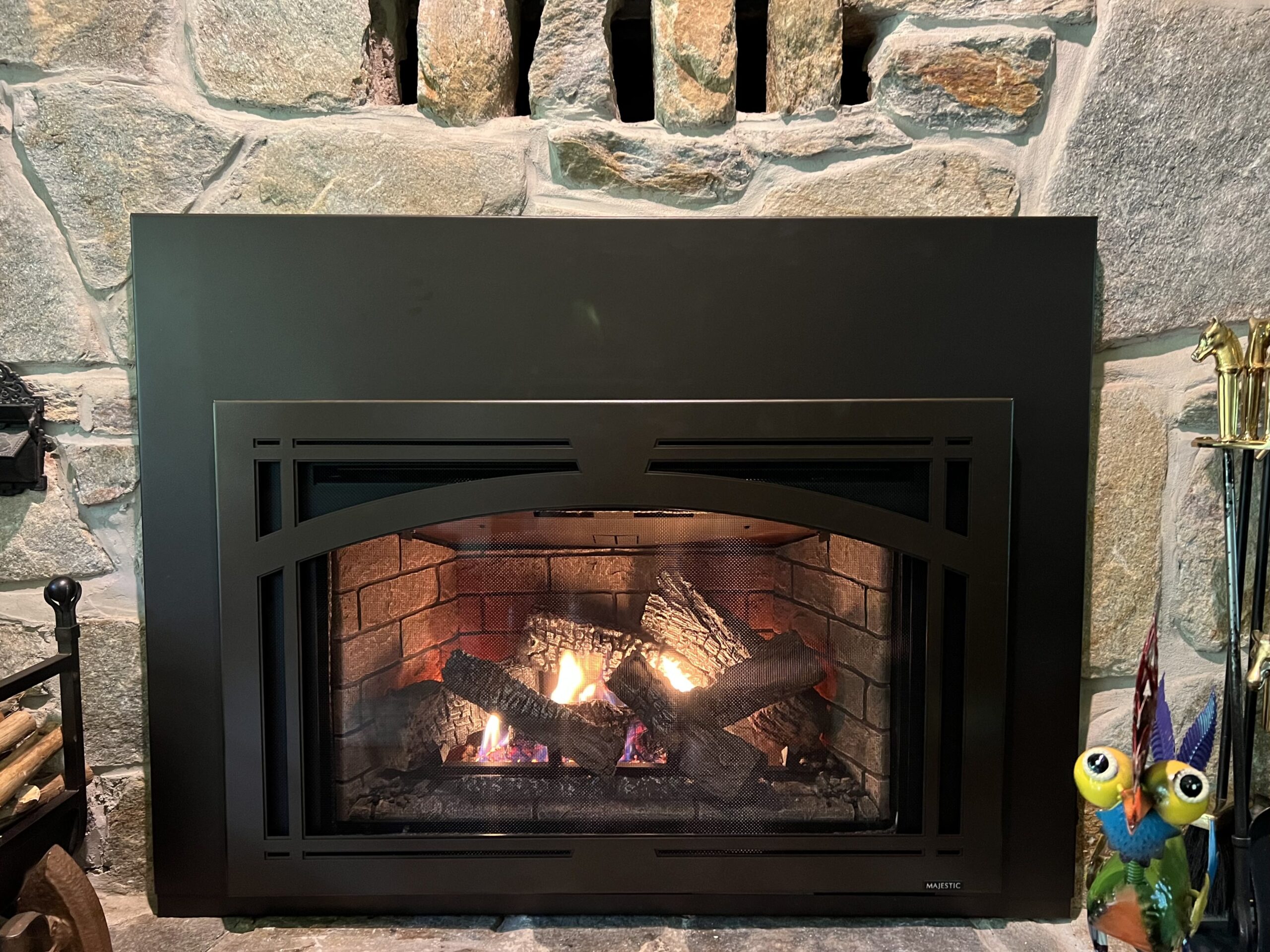
What Are Gas Inserts?
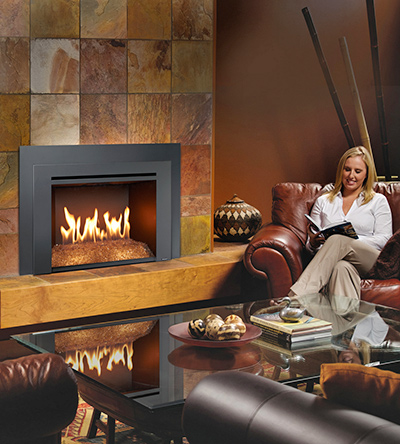
Gas inserts are essentially self-contained heating units designed to fit inside existing fireplace openings. They're like mini furnaces that sit within your fireplace and provide heat through gas combustion. Unlike traditional wood fireplaces, these units don't require wood or frequent cleaning. They typically run on either natural gas or propane, and many models feature realistic flame effects that mimic the look of wood fires. You can think of them as a way to give your fireplace a complete facelift while adding practical heating capabilities. The best part? They're designed to work with your existing masonry or prefab fireplace, so you don't have to start from scratch. They're available in various sizes and styles, from compact units that fit small fireplaces to larger models that can serve as the main heat source for your home.
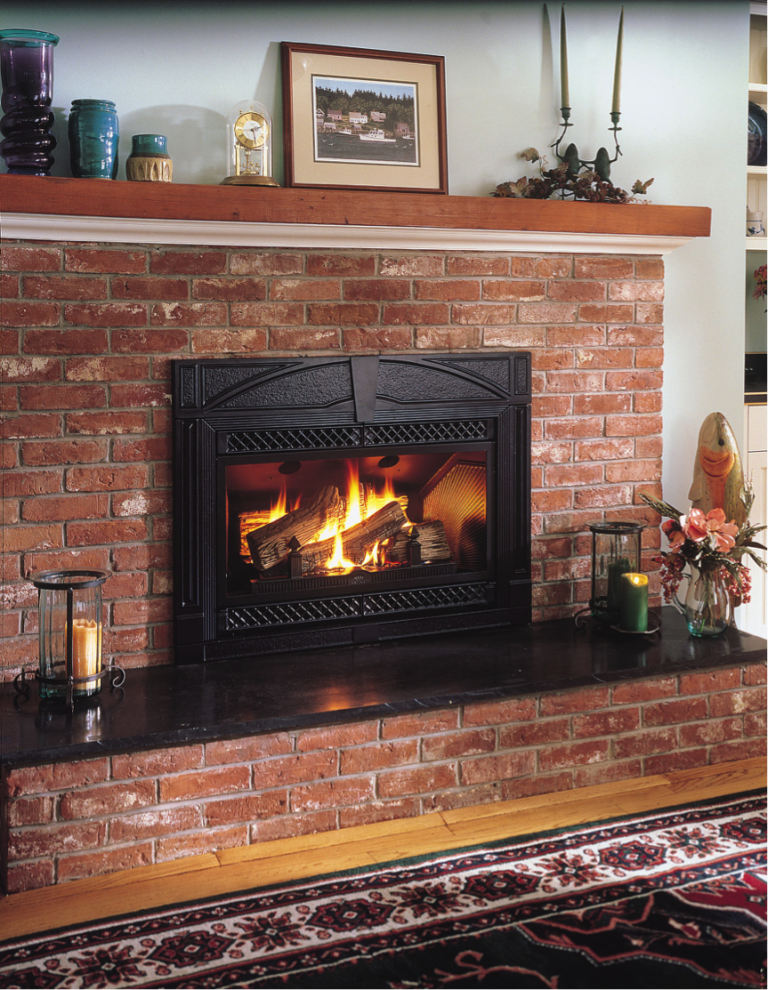
Benefits of Installing Gas Inserts
There are several compelling reasons why homeowners choose gas inserts over traditional wood burning. First and foremost is efficiency. Gas inserts typically achieve 70-80% efficiency compared to traditional wood fireplaces that often run at just 10-15% efficiency. This means you're getting much more heat from the fuel you're using. Second, they're incredibly convenient. No more dealing with wood storage, messy ashes, or the time-consuming process of lighting fires. Third, they're much safer than wood fireplaces. There's no risk of sparks flying or embers escaping. Plus, they're environmentally friendly compared to wood burning, producing fewer emissions. You'll also save money on chimney cleaning and maintenance costs. Finally, they offer better control over heat output, allowing you to adjust temperature settings easily. Many models even come with remote controls, making it simple to adjust your fireplace from anywhere in the room.
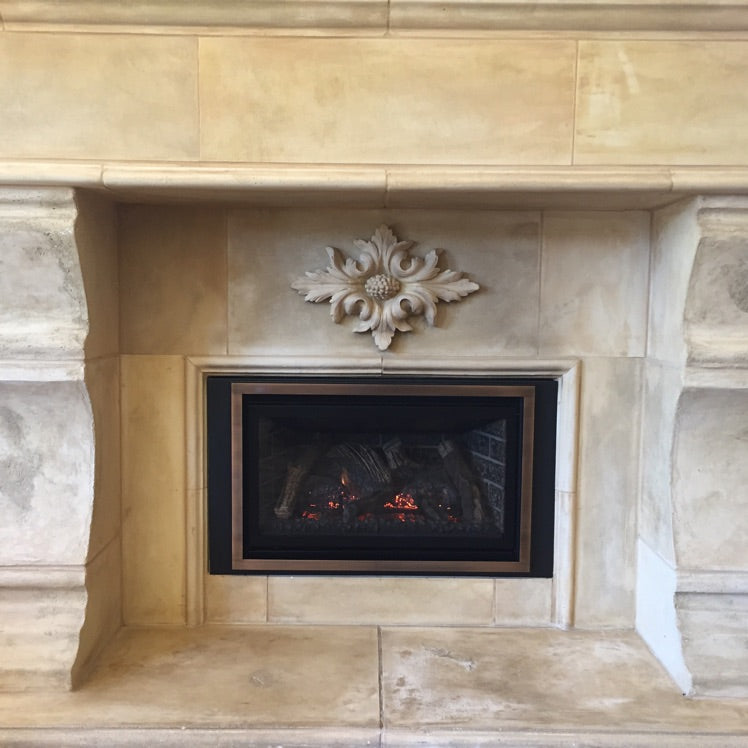
Types of Gas Inserts Available
The market offers a variety of gas insert options to suit different needs and preferences. Direct vent models are the most popular because they pull air from outside and exhaust gases directly outdoors. This prevents indoor air contamination and eliminates the need for a traditional chimney. B vent inserts use a different exhaust system and may require some modifications to your existing chimney. Some units are designed specifically for natural gas, while others work with propane. You'll find options ranging from basic models with simple flame effects to high-end units with realistic log sets and advanced features. Some even include blowers to circulate heated air more effectively. When choosing, consider factors like your fireplace size, fuel type availability, and desired features. It's worth noting that newer models often include smart controls and programmable thermostats, making them even more user-friendly.
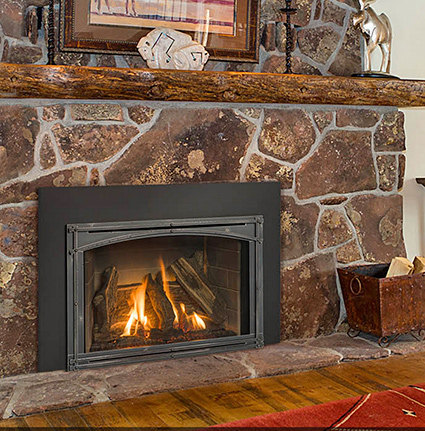
Installation Process Overview
Installing a gas insert involves several key steps that require careful planning and professional expertise. The first step is measuring your existing fireplace opening to ensure proper fit. Next, you'll need to evaluate your gas line connections and determine if any modifications are necessary. Professional installation is highly recommended since gas lines must be properly connected and tested for safety. The installer will also check that your chimney can handle the new system's ventilation requirements. Once installed, the unit must be properly sealed to prevent drafts and ensure efficient operation. Most installations take one to two days depending on complexity and any required modifications. The cost varies significantly based on the model chosen and whether additional work is needed. Don't forget to factor in permits and inspections that may be required in your area. Hiring experienced professionals ensures your system works safely and efficiently for years to come.
Safety Considerations and Regulations
Safety is paramount when dealing with gas appliances. Before installation, check local building codes and regulations, as they vary by location. Most areas require permits for gas line connections and fireplace modifications. Proper ventilation is crucial - gas inserts must have adequate air supply and exhaust systems to function safely. Regular maintenance is essential for continued safe operation. This includes annual inspections by qualified technicians, checking for gas leaks, and ensuring proper ventilation. Many manufacturers recommend professional servicing every one to two years. It's also important to install carbon monoxide detectors near the fireplace area. Some newer models come with built-in safety features like automatic shut-off mechanisms. Understanding these requirements upfront helps avoid costly mistakes and potential hazards down the road. Remember, a properly installed and maintained gas insert can provide decades of safe, reliable service.
Cost Analysis and Value Proposition
When considering a gas insert, it's important to weigh both initial costs against long-term benefits. Basic models range from $1,500 to $4,000, while premium units with advanced features can cost $6,000 or more. Installation costs typically add another $1,000 to $3,000, depending on complexity. However, these investments often pay for themselves through reduced heating costs and increased home value. A well-installed gas insert can increase your home's resale value by several thousand dollars. The efficiency gains mean lower monthly utility bills, especially during colder months. Many homeowners report saving 20-30% on heating costs after installation. Additionally, you eliminate ongoing expenses related to wood purchases, chimney cleaning, and ash disposal. Consider the convenience factor too - no more trips to the lumber yard or dealing with messy firewood storage. Over time, the combination of energy savings, reduced maintenance, and enhanced comfort often makes gas inserts a sound financial decision.
Adding a gas insert to your wood-burning fireplace represents a smart investment in both comfort and efficiency. You get to preserve the aesthetic appeal of your traditional fireplace while enjoying modern heating advantages. The technology has become so refined that many people can't tell the difference between a gas insert and a real wood fire. From the convenience of instant ignition to the peace of mind that comes with reduced maintenance, gas inserts offer compelling benefits. While the upfront costs may seem significant, they're often offset by energy savings and increased property value. The key is choosing the right model for your space and working with qualified professionals who understand local codes and installation requirements. Whether you're looking to improve your heating efficiency or simply want a more convenient way to enjoy your fireplace, gas inserts provide an excellent middle ground between tradition and modernity. The transformation from a drafty, inefficient wood-burning fireplace to a warm, controlled heating source is truly remarkable.


