
Imagine stepping onto a beautifully crafted patio that feels both durable and elegant. Large concrete pavers offer a fantastic solution for homeowners looking to create lasting outdoor living spaces. These substantial blocks bring together strength, versatility, and aesthetic appeal in one practical package. Whether you're planning a new patio or renovating an existing space, understanding how these pavers work can make all the difference in achieving your dream outdoor area.
When it comes to outdoor living spaces, few materials offer the combination of durability and visual impact that large concrete pavers provide. These substantial blocks have become increasingly popular among homeowners and professionals alike because they deliver on both form and function. They're not just about looks though – these pavers are built to withstand the elements, foot traffic, and even the occasional heavy furniture placement. The key to success lies in understanding their characteristics, proper installation techniques, and long-term care requirements. What makes them so appealing? Their ability to create seamless, expansive surfaces that feel both solid and inviting. Plus, they offer incredible customization options that allow you to match your personal style while maintaining structural integrity.
Understanding Large Concrete Paver Sizes and Dimensions
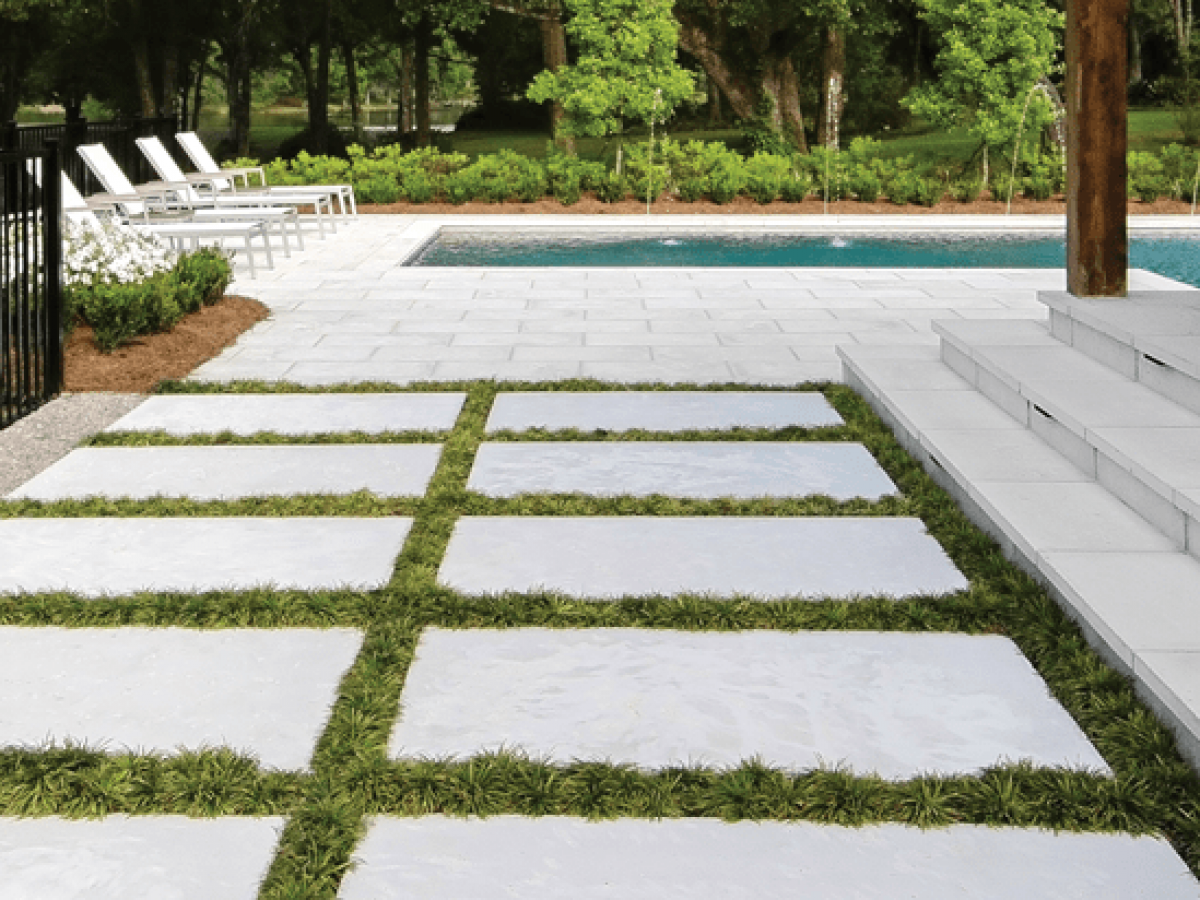
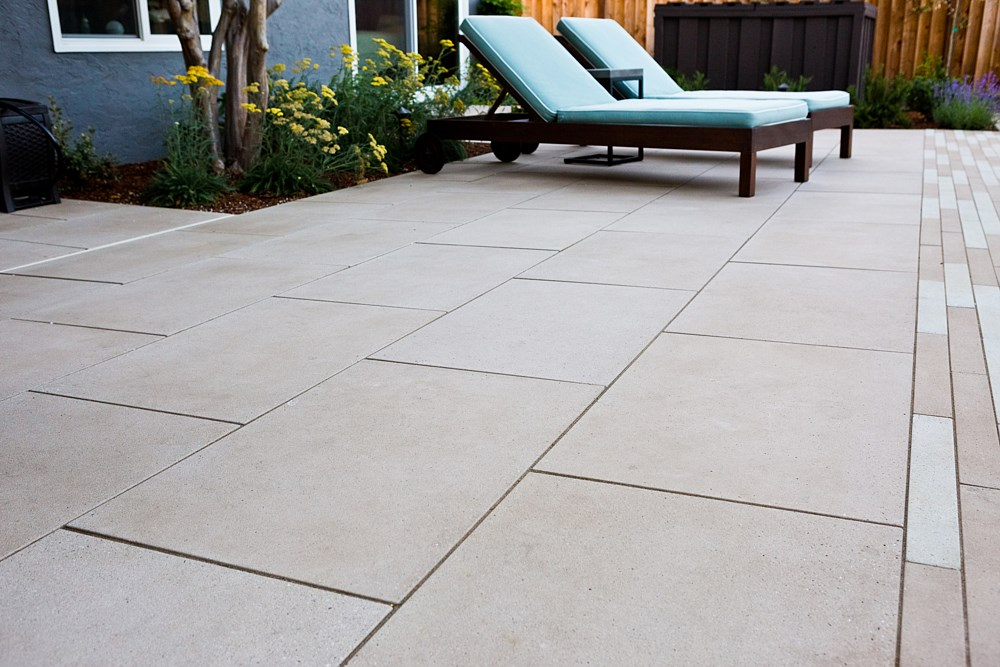
Large concrete pavers typically measure between 12x12 inches and 24x24 inches, though some manufacturers offer even larger options. The standard sizes range from 12x12 to 18x18 inches, with 16x16 and 20x20 inches being particularly popular choices. These dimensions offer several advantages over smaller pavers. Larger pieces mean fewer joints, creating cleaner lines and a more unified appearance. When choosing your size, consider the overall scale of your patio. A 20x20 inch paver works well for spacious areas, while 16x16 inches might be better suited for medium-sized patios. The thickness usually ranges from 2 to 4 inches, with thicker pavers offering more stability and weight distribution. Some manufacturers produce pavers up to 6 inches thick for heavy-duty applications. Remember that larger pavers require more careful handling during installation due to their weight and size.
Material Composition and Quality Factors
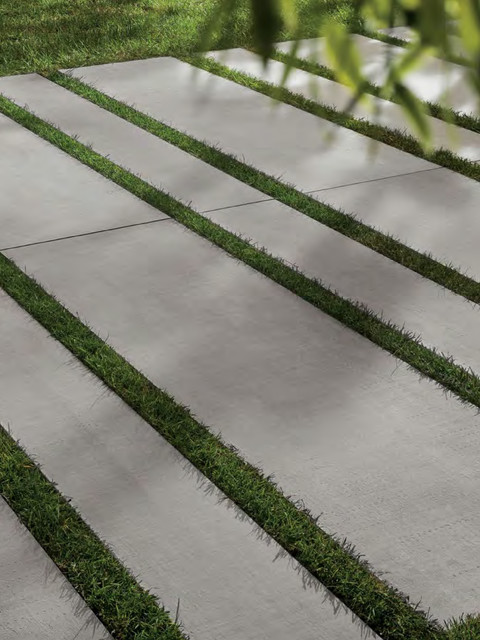
Concrete pavers are made from high-quality Portland cement, aggregates, and various additives that give them their strength and appearance. The quality varies significantly based on the manufacturing process and materials used. Look for pavers made with premium aggregates like crushed stone or gravel, which provide better durability than lighter materials. The mixing ratio and curing process play crucial roles in determining longevity. Some manufacturers add color pigments directly into the concrete mix, while others apply surface treatments after casting. The compressive strength should ideally exceed 5,000 PSI for residential applications. Check for consistent coloration across batches and uniformity in dimensions. Quality control processes ensure that each paver meets industry standards. You'll notice differences in texture too – some have smooth finishes while others feature more rustic, textured surfaces that provide better traction. Pay attention to edge treatments as well, as these affect both aesthetics and safety.
Design Versatility and Aesthetic Options
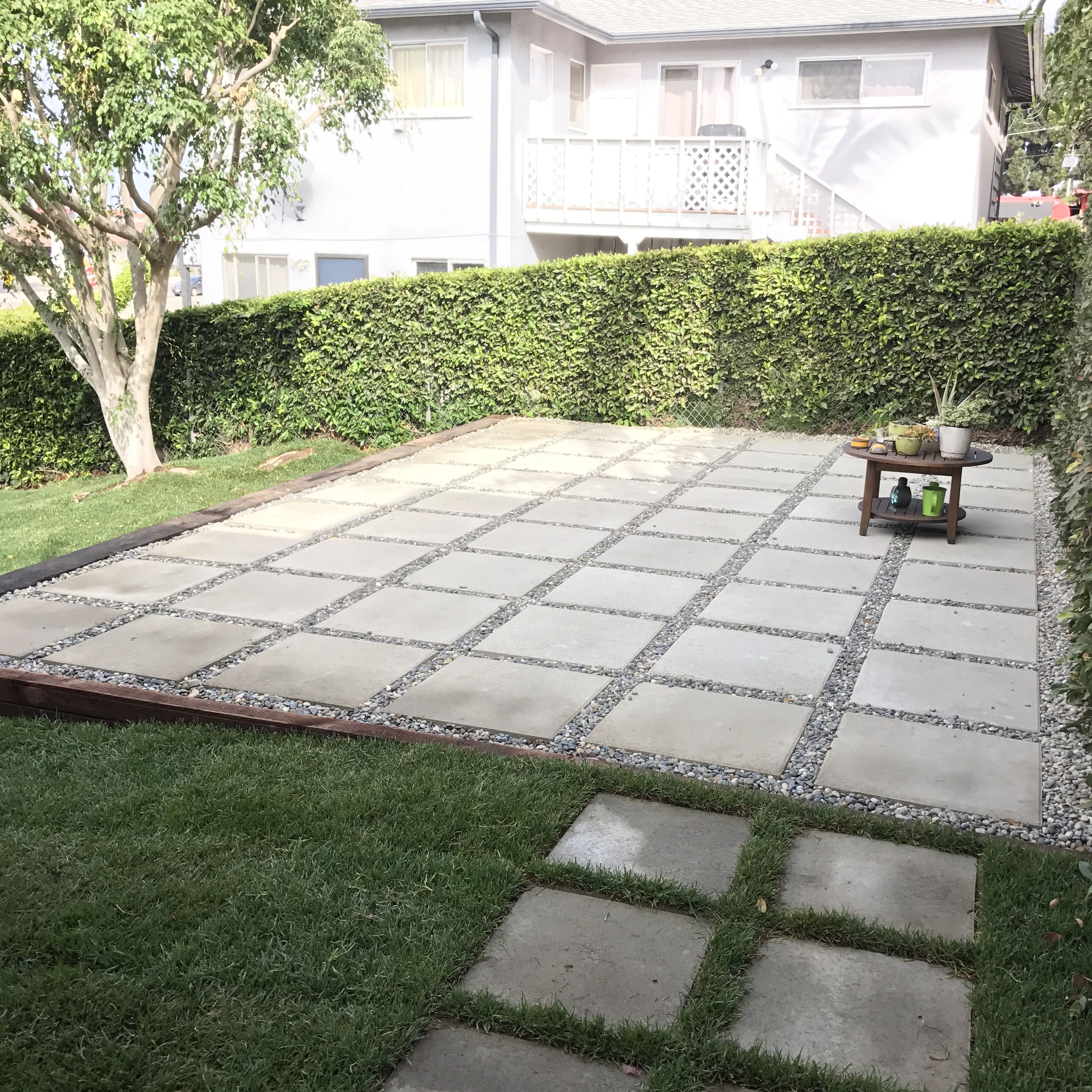
One of the biggest draws of large concrete pavers is their design flexibility. You can choose from numerous color options ranging from classic grays and browns to vibrant reds and blues. Many manufacturers offer patterns that mimic natural stone, brick, or wood grain textures. Some pavers feature a worn look that creates an aged appearance, perfect for traditional or rustic settings. The surface finish affects how light reflects off the material, with some options providing a matte finish while others offer glossy or semi-gloss appearances. You can create stunning geometric patterns or opt for more organic arrangements. The uniformity of large pavers allows for clean lines that make spaces appear more spacious. Consider how different colors interact with surrounding elements like plants, furniture, and architectural features. A neutral palette often works well in most settings, but bold colors can create striking focal points. Some pavers incorporate metallic flecks or aggregates that add subtle sparkle under sunlight.
Installation Process and Best Practices
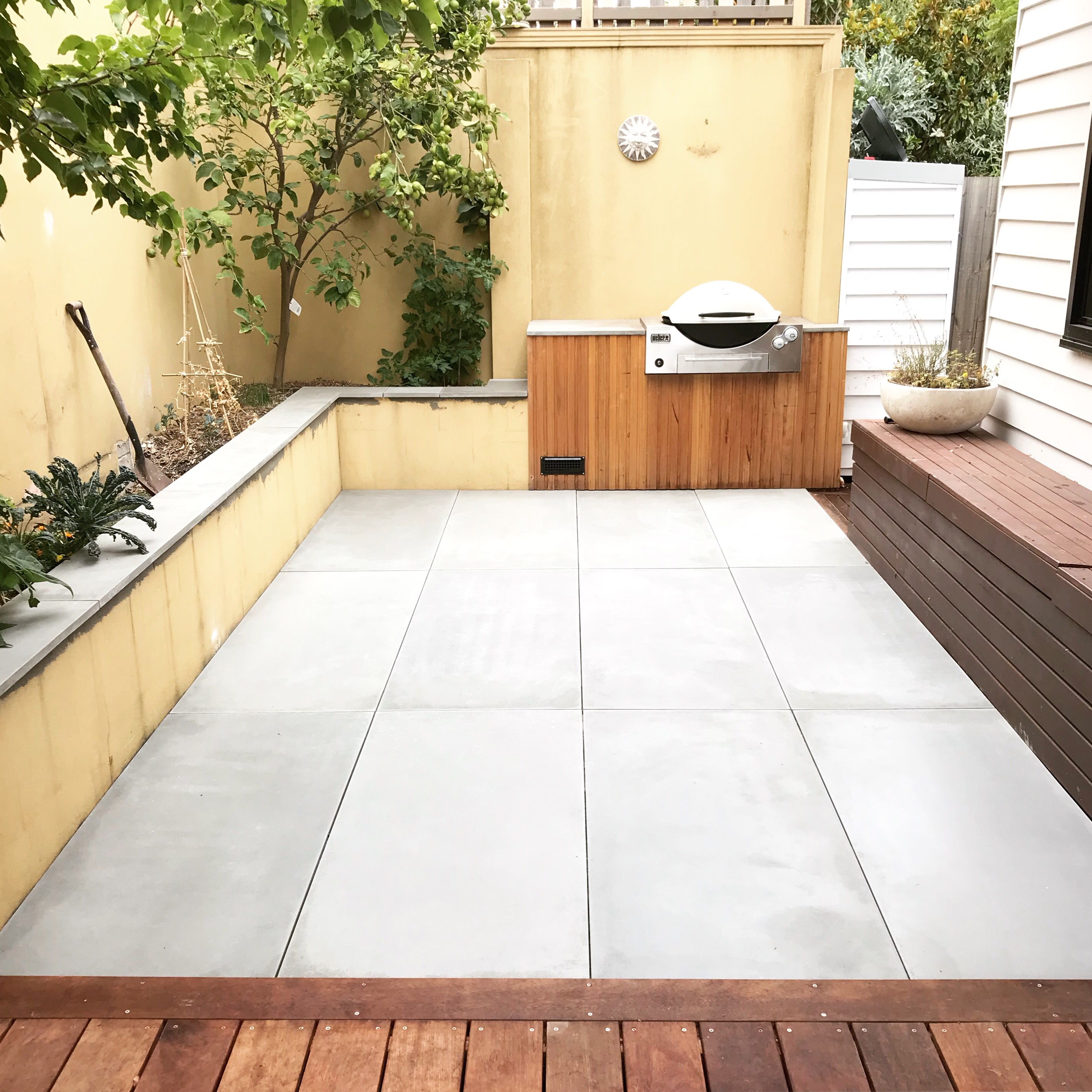
Proper installation is critical for large concrete paver success. Start with thorough site preparation including removing existing materials and leveling the base. A proper foundation using compacted gravel or sand provides essential support. The base layer should be at least 4 inches thick for residential applications, with additional layers for heavier loads. Many installers recommend using a concrete bedding mix rather than sand alone for better stability. Lay out your pavers dry first to plan the pattern and ensure proper spacing. The joints between pavers should be filled with polymeric sand that helps prevent weed growth and provides additional stability. This sand must be properly compacted and swept into the gaps. Consider installing edge restraints to keep pavers in place and prevent shifting over time. Proper drainage is essential – ensure water flows away from the patio area to prevent pooling and potential damage. The installation process typically takes 2-4 days depending on the size and complexity of the project.
Maintenance and Longevity Considerations
With proper care, large concrete pavers can last 50+ years, making them an excellent investment for outdoor spaces. Regular cleaning with mild soap and water keeps them looking fresh. Avoid harsh chemicals that could damage the surface or fade colors. Annual sealing helps protect against stains and weathering, though this isn't always necessary depending on your location and usage. Inspect regularly for loose pavers or damaged edges that may need replacement. Address small issues quickly before they become bigger problems. Weather exposure does affect performance, so consider climate conditions when selecting materials. Freeze-thaw cycles in cold climates can cause issues if proper installation isn't followed. Most pavers handle temperature changes well, but moisture trapped beneath can lead to problems. Professional cleaning services can help maintain appearance for those who prefer hands-off approaches. Replacing individual damaged pavers is usually straightforward and cost-effective compared to full resurfacing.
Cost Analysis and Value Proposition
Large concrete pavers typically cost between $4 and $12 per square foot, depending on size, color, and quality level. This price includes materials and basic installation costs. While initial costs may seem high compared to alternatives like wood or synthetic decking, consider the long-term value. These pavers rarely require replacement, unlike other materials that may need periodic renewal. Maintenance costs are generally low compared to natural stone or wood options. The resale value increase from a quality concrete paver patio can be significant, especially in markets where outdoor living spaces are valued. Installation labor costs vary by region and complexity, but professional installation ensures proper results. Compare prices from multiple suppliers to find the best balance of quality and cost. Some manufacturers offer warranties ranging from 10 to 25 years, providing peace of mind for major investments. Consider the total lifecycle cost rather than just upfront expenses.
Large concrete pavers represent a smart choice for anyone looking to create a durable, attractive patio space. Their combination of strength, design flexibility, and longevity makes them ideal for both casual and entertaining outdoor areas. While the initial investment requires consideration, the long-term benefits often outweigh the costs. From choosing the right size and color to proper installation and ongoing maintenance, each step contributes to the final result. Whether you're building a new patio or refreshing an existing space, these pavers offer reliable performance and aesthetic appeal. The key is matching the right product to your specific needs and working with experienced professionals who understand the nuances of large paver installation. With proper care, your concrete paver patio will serve as a beautiful, functional outdoor gathering space for decades to come. The satisfaction of owning a well-crafted outdoor environment that stands the test of time is truly priceless.


