
Imagine cozying up to a flame without the need for a chimney or vent. That's exactly what ventless gas fireplaces with blowers offer. These modern heating solutions have revolutionized home comfort, bringing both warmth and ambiance to spaces that never had traditional fireplaces. They're like having a fireplace that's always ready to go, no installation headaches required.
Ventless gas fireplaces with blowers represent a fascinating blend of old-world charm and modern engineering. Unlike their traditional counterparts that require a chimney or venting system, these units operate without external exhaust. This design innovation has made them incredibly popular in homes where installing a traditional fireplace isn't feasible. The addition of a blower system takes the comfort factor up a notch, distributing heat more efficiently throughout your living space. But what makes these fireplaces so appealing? How do they work? And most importantly, are they safe to use? Let's explore these questions together.
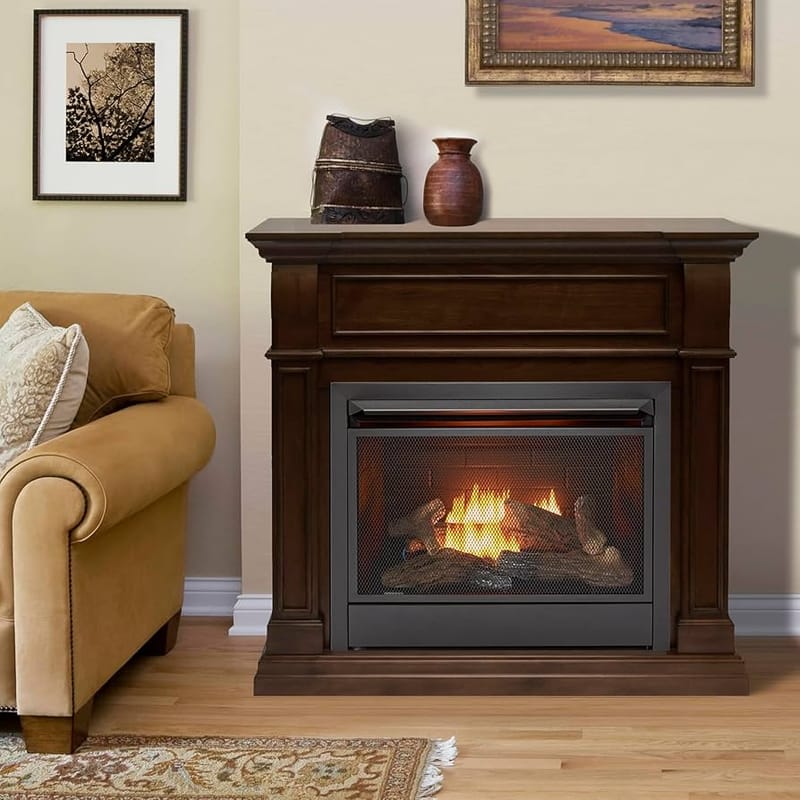
What Makes Ventless Gas Fireplaces Different
Ventless gas fireplaces work by burning natural gas or propane directly in the room without needing to vent combustion gases outside. Traditional fireplaces must channel smoke and gases through a chimney or vent, but ventless units are designed to burn cleanly enough that the byproducts can safely remain indoors. The key lies in their precise gas control systems and advanced combustion technology. These appliances are engineered to produce minimal carbon monoxide and other harmful emissions when properly installed and maintained. It's a clever solution that allows homeowners to enjoy the beauty and warmth of a gas fire without the complexity of traditional installations. Many people find this particularly appealing for apartments, older homes, or rooms where a chimney simply isn't available. The simplicity of installation means these fireplaces can often be mounted directly to walls, saving valuable floor space and creating a sleek, modern look.
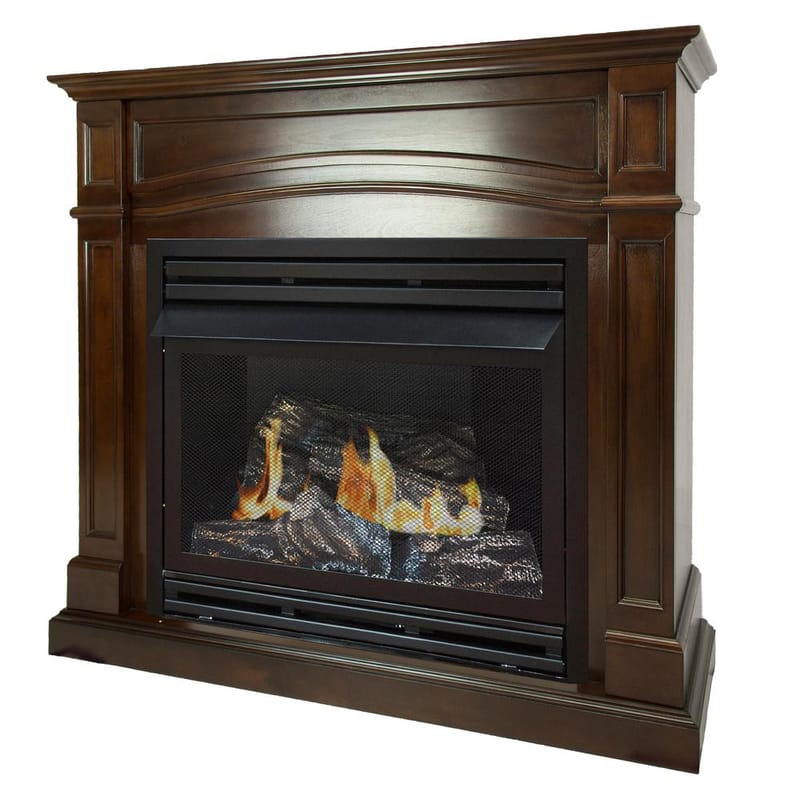
The Role of the Blower System
The blower component in ventless gas fireplaces is what really elevates the user experience from basic heating to effective room warming. Think of it as the difference between sitting next to a campfire versus having a fan blow the warmth toward you. The blower draws cool air from the room, passes it over the heated metal components, and then pushes the warmed air back out into the space. This circulation dramatically increases the efficiency of heat distribution compared to radiant heat alone. Most blowers operate quietly and can be controlled independently from the flame settings. Some models even feature multiple speed settings, allowing you to adjust the airflow based on your needs. When you're looking at purchasing one, pay attention to the blower's noise level and whether it offers variable speeds. A good blower can make the difference between a fireplace that heats just the immediate area versus one that warms an entire room. The strategic placement of the blower also matters - some units direct air upward while others push it horizontally across the room.

Safety Considerations and Regulations
Safety remains paramount when discussing ventless gas appliances. These units must meet strict federal and state regulations to ensure they're safe for residential use. The primary concern involves carbon monoxide production and proper oxygen levels in the room. Modern ventless fireplaces incorporate several safety features including oxygen depletion sensors that automatically shut off the gas supply if oxygen levels drop too low. Temperature controls prevent overheating, and many units include automatic shut-off timers. It's essential to note that these fireplaces should only be used in well-ventilated spaces and never in enclosed areas without adequate air exchange. Local building codes may vary significantly, so checking with your local authorities before installation is crucial. Some states require special permits or certifications for installation. The manufacturer's specifications should always be followed precisely regarding room size requirements and ventilation needs. Regular maintenance is also vital - cleaning the burner assembly and checking the safety sensors annually helps ensure continued safe operation. Many people overlook how important proper installation is, but it's one of the most critical factors in preventing safety issues.
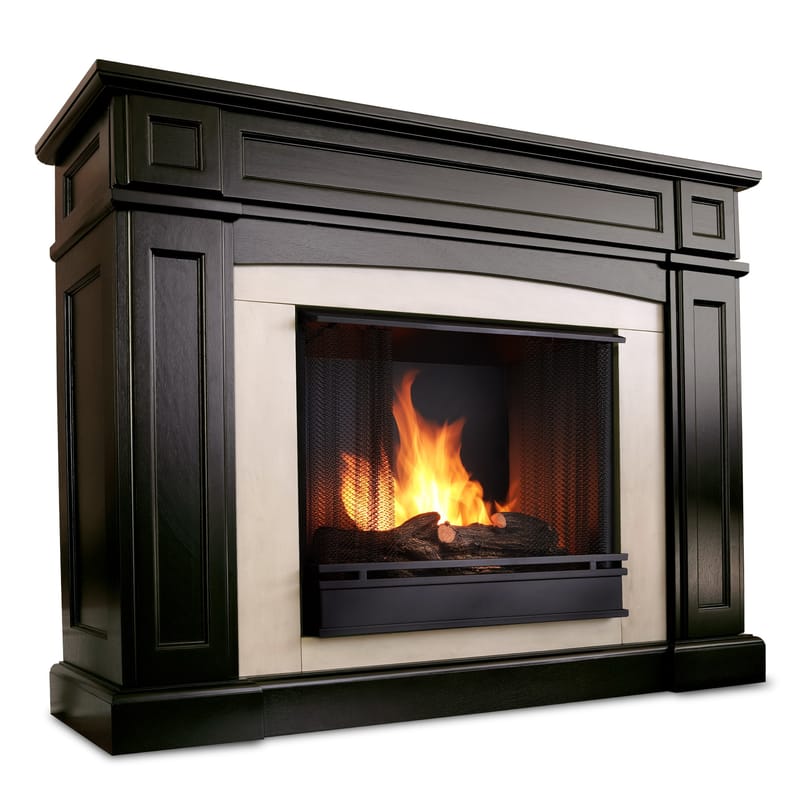
Efficiency and Energy Performance
When comparing efficiency ratings, ventless gas fireplaces with blowers often perform quite well, especially for supplemental heating. Their heat output typically ranges from 15,000 to 40,000 BTUs, making them suitable for medium to large rooms. The blowers enhance this efficiency by ensuring the warm air circulates rather than rising and settling in corners. Most units convert about 99% of the fuel into usable heat, which is impressive compared to traditional wood-burning fireplaces that lose much of their heat through the chimney. The energy consumption depends largely on usage patterns and room size. For example, a 20,000 BTU unit running for two hours daily might cost around $2-3 per month in gas, depending on local rates. Some models come with programmable thermostats that can help optimize energy use by automatically adjusting the flame height based on room temperature. The blower's role in heat distribution means that you'll feel warmth more quickly and evenly compared to units without fans. Many users report that they can reduce their overall heating bills during winter months when using these units strategically.
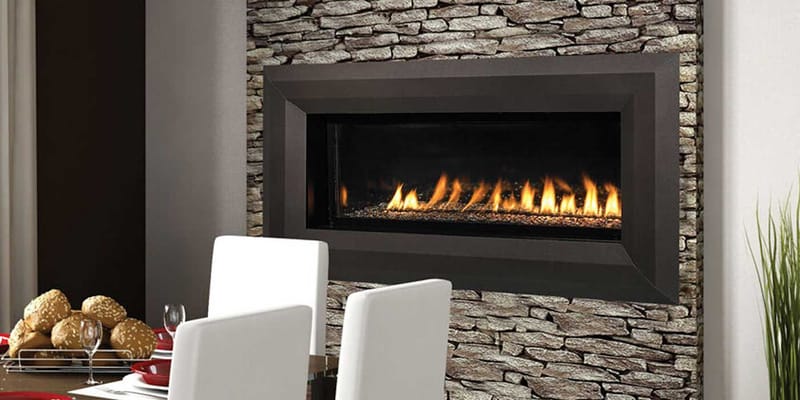
Installation Requirements and Limitations
Installing a ventless gas fireplace requires careful consideration of several factors. First, the room must meet specific size requirements - typically at least 100 square feet for proper air circulation. The ceiling height should be at least 8 feet, and there must be adequate clearance from combustible materials. Electrical requirements vary by model, with some needing a dedicated electrical circuit for the blower and electronic ignition system. Not every home is suitable for installation, particularly those with poor ventilation or very small spaces. The gas line connection must be properly sized and installed by a licensed professional. Many people assume they can install these themselves, but local codes often prohibit DIY installation for gas appliances. Professional installation ensures compliance with all safety standards and local building codes. Some homeowners find that their existing gas lines aren't compatible, requiring additional plumbing work. The mounting location also matters - units must be placed away from windows, doors, and other areas where drafts might affect performance. Planning ahead for the necessary clearances and electrical connections can save significant time and money during the installation process.
Maintenance and Longevity
Proper maintenance is crucial for keeping your ventless gas fireplace with blower operating safely and efficiently. Regular cleaning of the burner assembly removes debris and prevents performance issues. Most manufacturers recommend annual professional servicing, though basic upkeep can be done by homeowners. The blower motor should be cleaned periodically to prevent dust buildup that could affect performance or cause overheating. Checking the oxygen depletion sensor regularly ensures it's functioning correctly. Many units have indicator lights that alert you to maintenance needs. The lifespan of these appliances typically ranges from 15 to 25 years with proper care. Replacement parts like igniters and thermostats are generally available through authorized dealers. Some owners notice that their blowers become less effective over time due to accumulated dust or wear. Keeping detailed records of maintenance activities helps with warranty claims and future service needs. The beauty of these units is that they don't require ongoing chimney cleaning or repairs, making them attractive for busy households. However, the investment in quality installation and regular maintenance pays dividends in years of reliable operation.
Ventless gas fireplaces with blowers offer a compelling combination of convenience, efficiency, and aesthetic appeal that continues to attract homeowners nationwide. They've transformed how people think about indoor heating and ambiance, providing warmth and visual comfort without the complications of traditional fireplace installations. While they do require careful attention to safety regulations and proper installation, the benefits often outweigh these considerations for many families. The integration of blower systems has made these units particularly effective at heating larger spaces efficiently. Whether you're considering one for a new construction project or looking to upgrade an existing fireplace setup, understanding how these systems work and what to expect will help you make informed decisions. As with any heating appliance, regular maintenance and adherence to safety guidelines are essential. These units represent a mature technology that continues to evolve, offering homeowners a practical way to enjoy the benefits of gas fireplaces year-round. The key is finding the right balance between performance, safety, and compatibility with your specific home environment. With proper selection and care, a ventless gas fireplace with blower can provide decades of reliable service and comfortable warmth.


