
Picture this: You're enjoying your morning coffee on the porch when you notice one of the columns looks shaky. Or maybe you've inherited a home with old, rotting porch columns that need attention. The question that pops up immediately is: 'How much will it cost to replace these porch columns?' This isn't just about numbers on a price tag. It's about protecting your investment, ensuring safety, and maintaining your home's curb appeal.
Porch columns aren't just decorative elements. They're structural components that support your entire porch roof and provide stability to your home's foundation. When they start showing signs of damage, decay, or wear, replacement becomes necessary. Whether you're dealing with wood rot, insect damage, weathered surfaces, or simply outdated aesthetics, replacing porch columns can seem like a daunting project. But understanding the costs involved helps you plan better and budget accordingly.
Average Cost Range for Porch Column Replacement
The typical cost to replace porch columns ranges from $800 to $4,500 per column. However, this figure varies significantly based on several factors. For basic wooden columns, expect to pay around $800 to $1,500 each. Premium materials like stone or composite can push costs to $2,000 to $4,500 per column. These prices cover both materials and labor, though some homeowners prefer to handle installation themselves to save on labor costs.
Consider a family in Ohio who discovered their wooden porch columns were severely rotted. Their initial estimate was $2,800 total for four columns. After shopping around and doing some research, they managed to reduce costs to approximately $2,200 by choosing standard cedar lumber and handling some of the preparation work themselves.
Factors That Influence Pricing
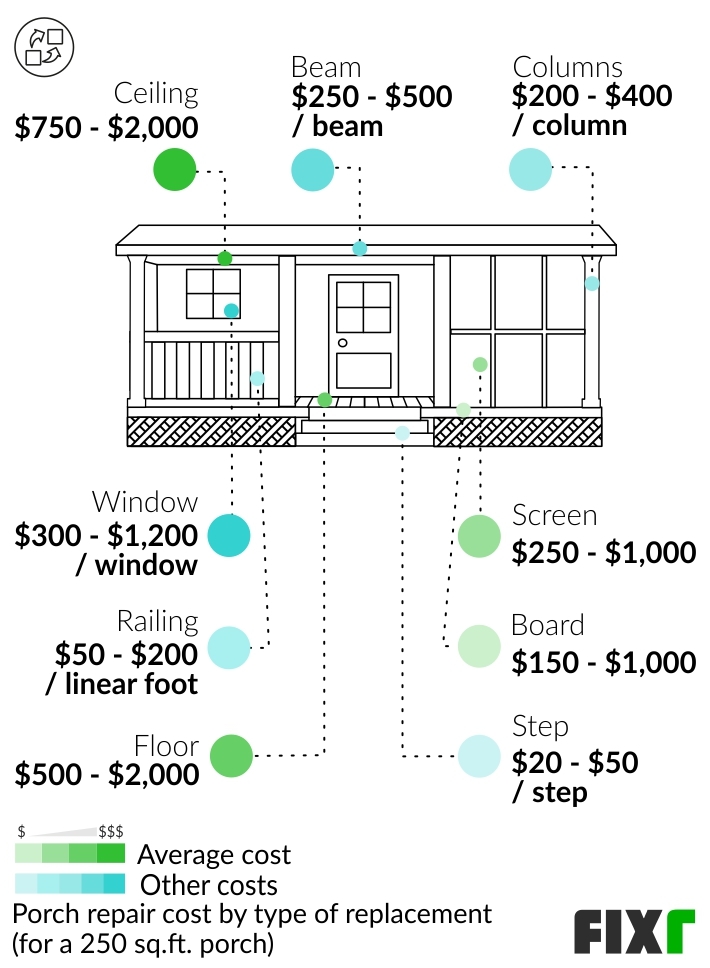
Several variables affect how much you'll pay for porch column replacement:
For instance, a homeowner in Florida might pay $1,200 for a basic wooden column, while someone in New York could see similar work costing $2,000 due to regional labor rates and material availability.
Material Types and Their Costs
Different materials bring different benefits and price tags:
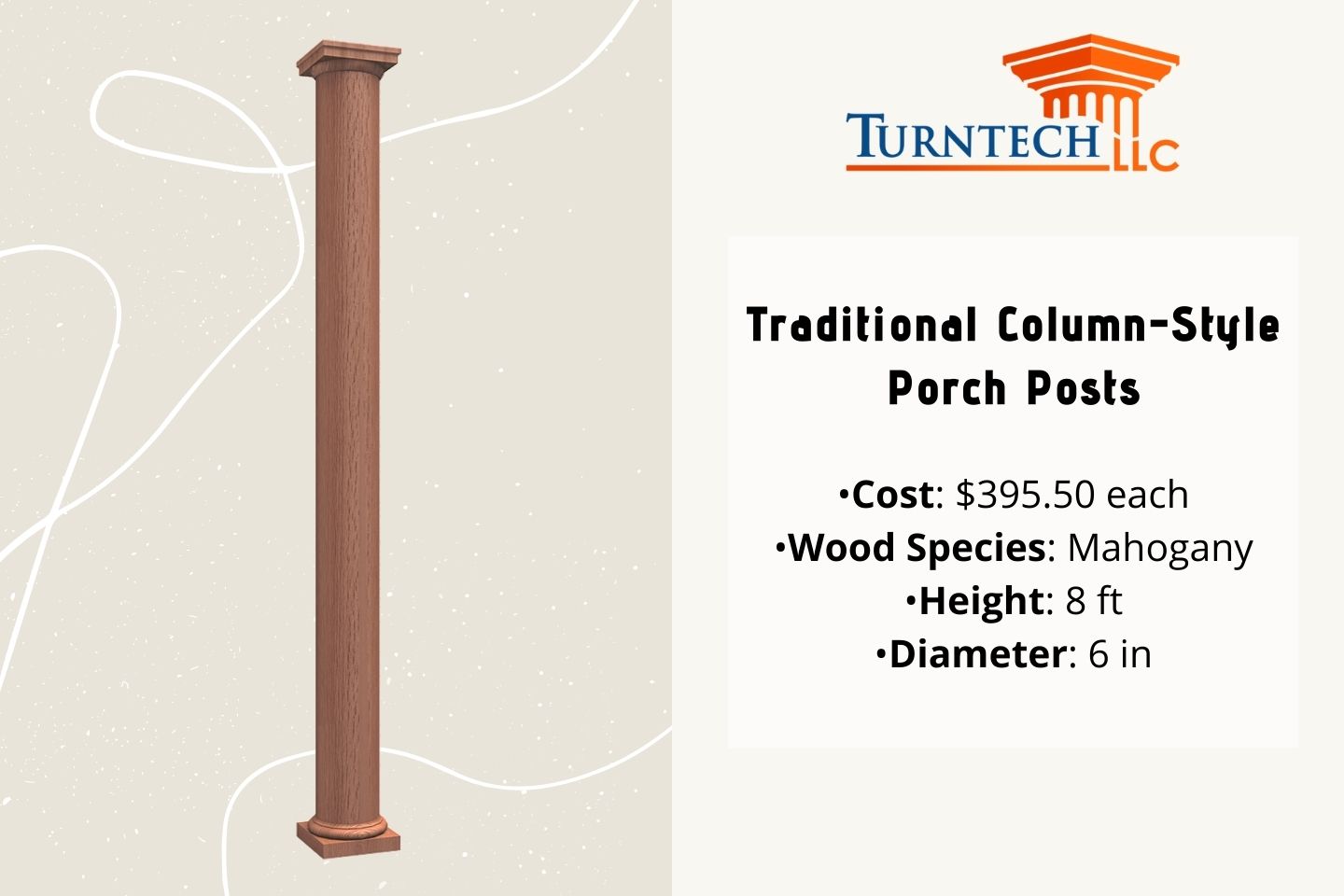
Wood Columns: These are the most common and affordable option. Cedar, pine, and pressure-treated lumber typically range from $200 to $600 per column. Wood offers natural beauty and easy customization but requires regular maintenance.
Composite Columns: Made from plastic and wood fibers, these cost $500 to $1,200 each. They resist weather damage and insects but may not offer the classic look many homeowners desire.
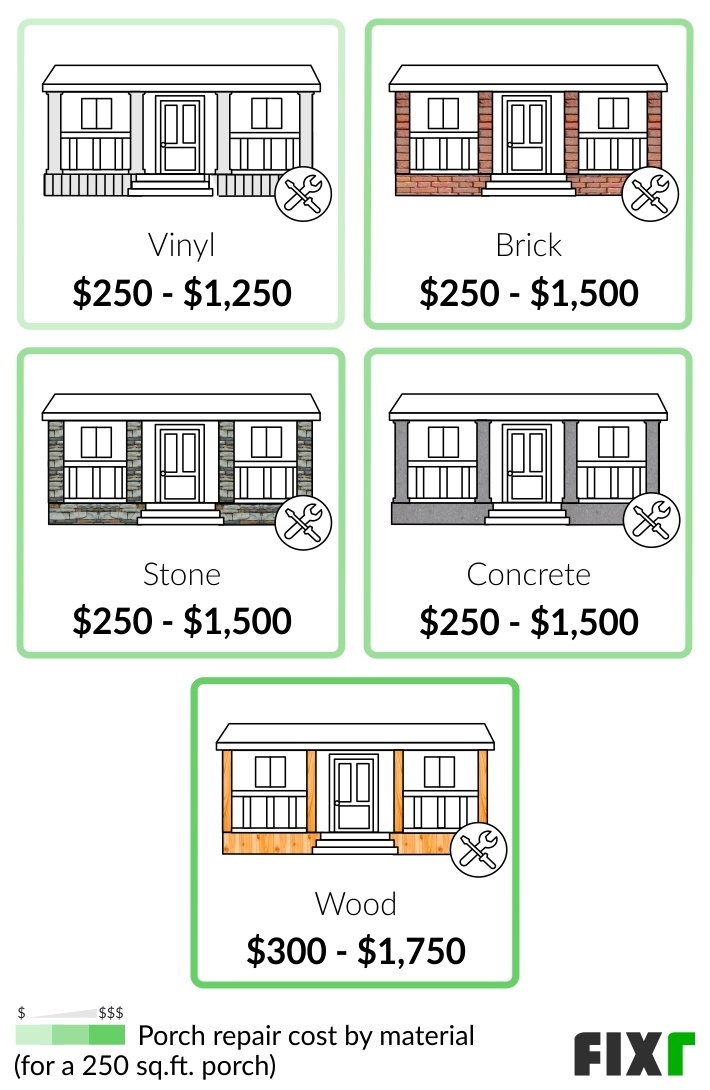
Stone Columns: Natural stone columns can cost $1,000 to $4,000 per unit. They provide durability and elegance but require skilled installation.
Brick Columns: These range from $800 to $2,500 depending on size and finish. Brick columns offer excellent longevity and traditional appeal.
Labor vs. DIY Considerations
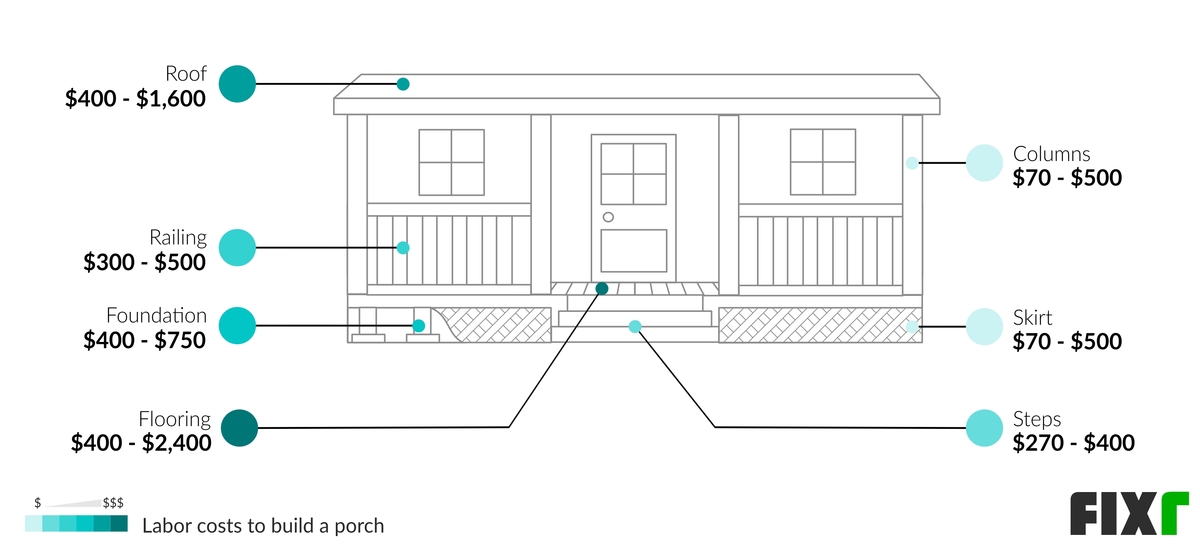
Labor costs typically account for 40-60% of total replacement expenses. Professional installation ensures proper support and alignment, which is crucial for safety. However, experienced DIYers might save 30-50% by handling preparation and some installation tasks.
A recent study found that 70% of homeowners who attempted DIY porch column replacement saved money but took longer to complete projects. The key is knowing your limits. If you're unsure about structural support or electrical work near your porch, hiring professionals might be worth the extra cost.
Some homeowners choose to do the actual cutting and finishing themselves but hire professionals for foundation work and structural support.
Additional Expenses to Consider
Beyond the main column costs, several other expenses can add up:
A family in Texas discovered their porch column replacement would cost $3,500 initially. However, they had to factor in $800 for foundation repairs and $300 for permits, bringing the total to $4,600. This highlights why thorough planning is essential.
Saving Money Without Sacrificing Quality
There are several smart ways to reduce costs:
One couple in Colorado saved $1,200 by timing their porch column replacement during winter months when local contractors were more flexible with pricing. They also handled the demolition themselves and chose standard cylindrical designs rather than ornate ones.
Signs You Need Immediate Replacement
Ignoring warning signs can lead to bigger problems later:
A homeowner in Georgia noticed her porch columns were leaning slightly after a storm. She called a contractor immediately, who diagnosed the issue as water damage causing wood rot. By addressing it quickly, she avoided potential collapse and saved thousands in emergency repairs.
Timeline for Replacement Projects
Most porch column replacement projects take 2-5 days to complete. The timeline depends on:
A typical single-column replacement might take 1-2 days, while a full porch with four columns could take 3-5 days. Weekend projects often move faster since contractors may have fewer jobs scheduled.
Professional Tips for Success
Working with professionals can make all the difference:
One homeowner in Michigan learned the hard way about not checking references. Her first contractor didn't complete the job properly, leading to additional costs of $1,800 for corrections. The second contractor she hired had excellent reviews and completed everything correctly within budget.
Long-term Value and Investment
Replacing porch columns isn't just about fixing a problem—it's an investment in your home's future. Good quality columns:
Research shows that porch improvements can boost home values by 3-8%. A well-maintained porch with new columns can make a significant impact on buyer interest and sale price. One study found homes with updated porches sold 15% faster than those with deteriorating structures.
Replacing porch columns involves more than just calculating costs. It's about balancing your budget with quality, safety, and long-term value. Understanding the various factors that influence pricing helps you make informed decisions. Whether you're planning a small fix or a major renovation, knowing what to expect allows you to approach the project with confidence. Remember, investing in quality materials and proper installation pays dividends in both safety and home value. The key is planning ahead, comparing options, and being willing to invest in your home's structural integrity. Sometimes the best investment isn't the cheapest option—it's the one that lasts longest and keeps you safe.


