
Picture this: You're standing in your kitchen, staring at two cooking surfaces that look remarkably similar but feel completely different. One has those iconic char marks, the other offers even heat distribution. What's the real difference? Is one better than the other? We're going to break down everything you need to know about these two cooking essentials.
When it comes to cooking, we often find ourselves at a crossroads. Should we go with the classic grill or opt for the modern griddle? These two cooking methods have been around forever, each with their own loyal following. But what makes them so different? Why do some people swear by one while others can't live without the other? Let's dive into the heart of this culinary debate and figure out which one might be right for your kitchen.
The Basic Design Differences
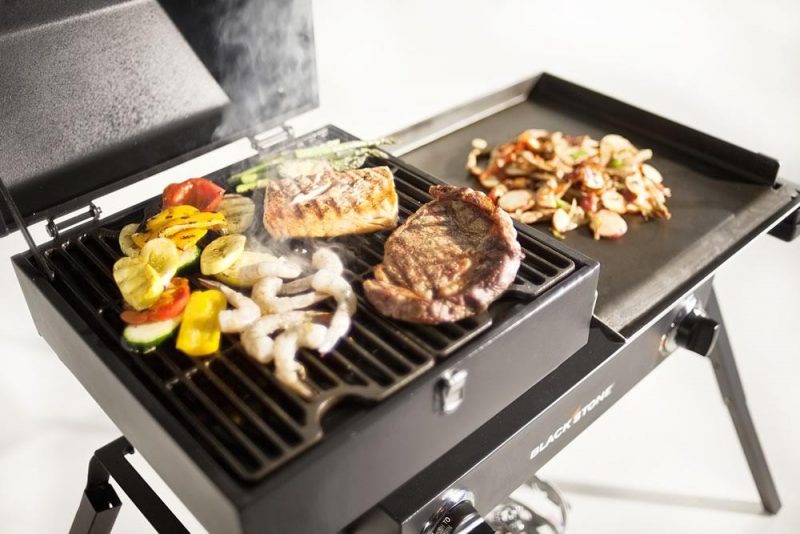
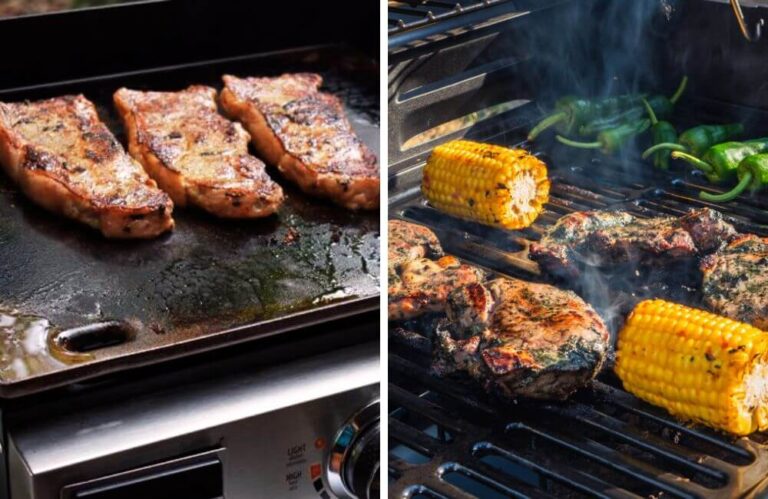
Think about the physical layout of these cooking surfaces. A grill features raised ridges that create those distinctive sear marks and allow fat to drip away from your food. It's like having a series of tiny barriers that give your meals that classic grilled flavor. On the other hand, a griddle presents a flat surface that evenly heats the entire cooking area. This means your food sits directly on the hot surface rather than being suspended above it.
The design choices aren't just aesthetic either. The ridged pattern of a grill helps in creating those beautiful char lines, while a griddle's flat surface ensures consistent heat distribution across the entire cooking space. That's why you'll notice a griddle can cook multiple items simultaneously with less risk of uneven heating.
Heat Distribution and Cooking Style
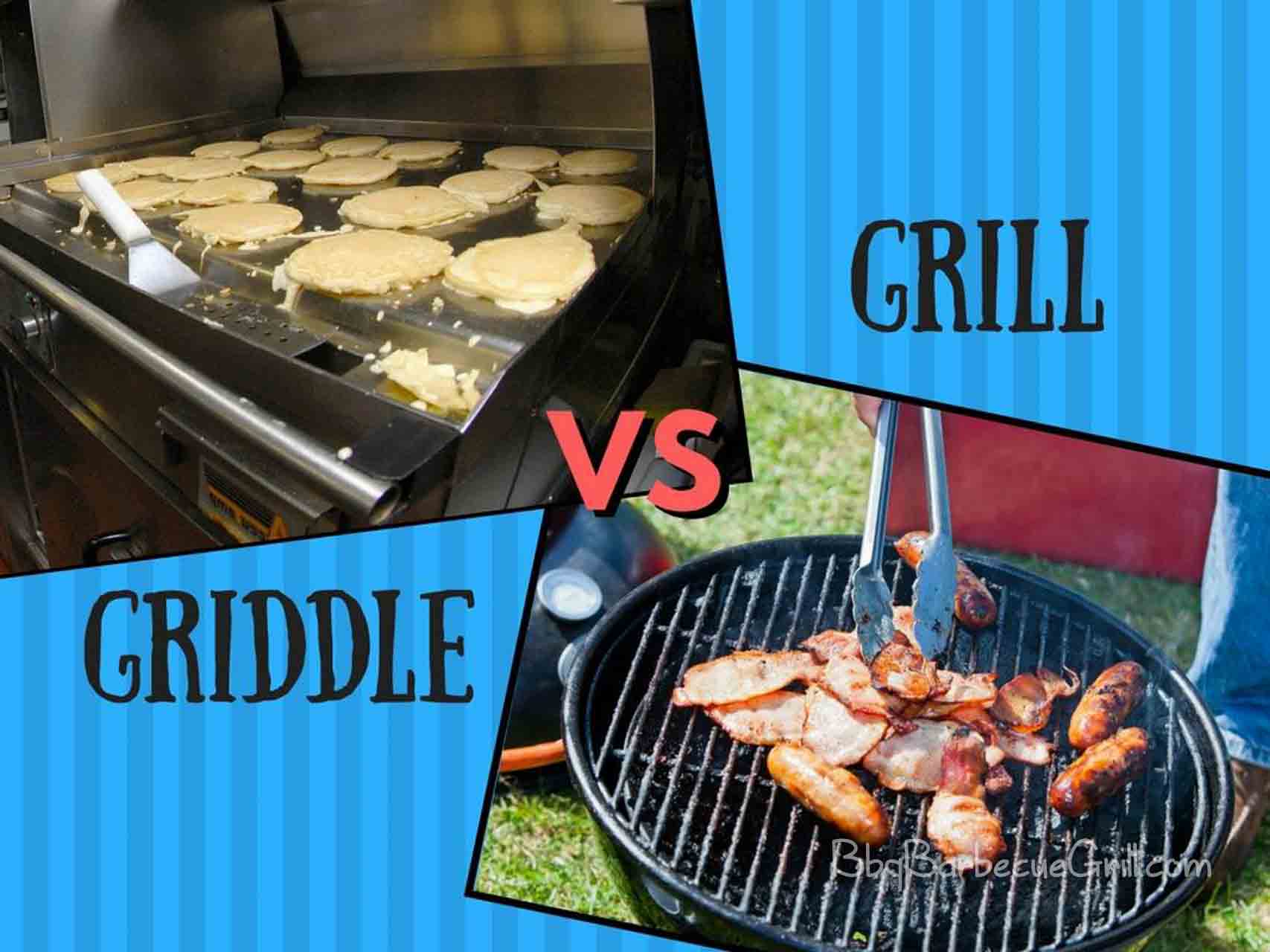
This is where things really get interesting. When you turn on a grill, the heat tends to come from below, creating that direct flame effect. The heat rises and hits your food from the bottom, giving it that smoky, intense flavor that many people crave. It's like having a fire pit but in your backyard.
A griddle works differently. It provides even heat across its entire surface. You're not dealing with hot spots or areas where the temperature varies wildly. This makes it perfect for foods that require consistent cooking temperatures, like pancakes or eggs. The even heat distribution means your breakfast won't end up burnt on one side and raw on the other.
What happens when you flip a burger on each surface? On a grill, you get those classic sear marks and that slightly smoky taste. On a griddle, you get more uniform browning and less chance of burning the outside before the inside cooks properly.
Food Preparation and Cooking Techniques
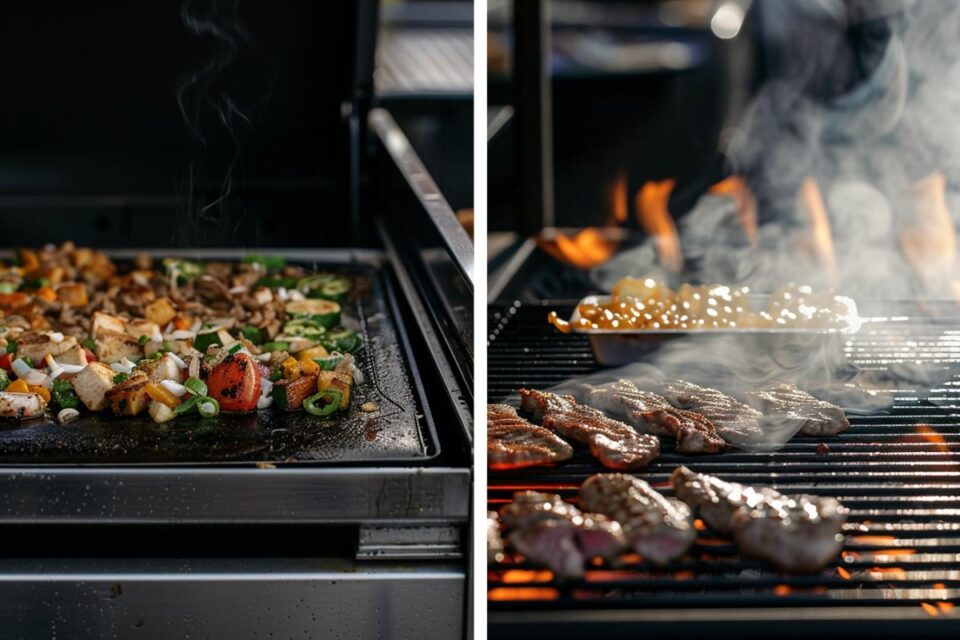
Let's talk about what kinds of foods work best with each method. Grills shine when it comes to meats, especially steaks and burgers. The high heat and direct contact create those amazing crusts that lock in juices. You can also add that smoky flavor that's hard to replicate otherwise. Vegetables work well too, particularly those with thick skin like zucchini or bell peppers.
Griddles are ideal for foods that benefit from even heat and gentle cooking. Think pancakes, eggs, bacon, and hash browns. The flat surface means your food cooks uniformly. No more worrying about one part being overcooked while another is underdone. You can also stack foods on a griddle, which is great for breakfast burritos or stacking multiple items at once.
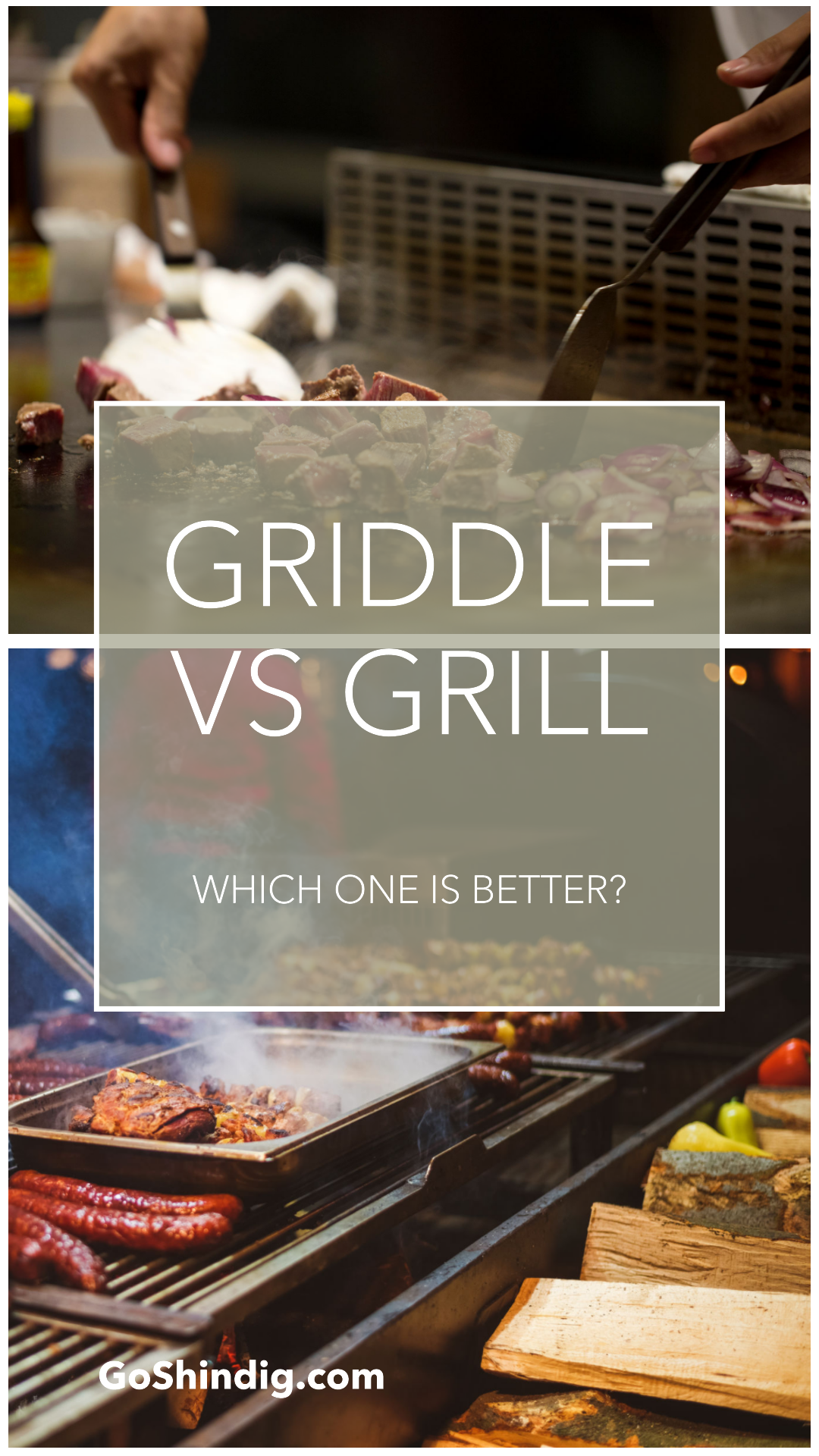
Consider this: If you're making a steak dinner, you'd probably want that grill for its ability to create those signature sear marks and smoke flavor. But if you're planning a weekend brunch, a griddle would handle your pancakes and eggs perfectly without any drama.
Maintenance and Cleaning Challenges
Both cooking surfaces have their own set of maintenance requirements, but they differ significantly in how they're cleaned and cared for. Grills require more attention because of their ridged design. Food particles and grease can get trapped between the bars, making cleaning a bit more involved. You'll need to scrape off residue regularly and ensure the grates stay clean to prevent flavors from mixing.
Griddles, with their flat surfaces, are generally easier to clean. Most models can be wiped down quickly after use. Some even have removable plates that you can soak and scrub thoroughly. However, the flat surface does mean you have to be more careful about oils and fats building up.
Think about it this way: After a weekend barbecue, your grill will likely need a good scrubbing session. Meanwhile, your griddle might just need a quick wipe-down and some oiling before the next morning. The difference isn't huge, but it's noticeable enough to factor into your decision.
Portability and Storage Considerations
Here's where it gets practical. Grills, especially outdoor ones, tend to be bulkier and more difficult to store. They often require dedicated space and may need protection from weather elements. Portable grills are lighter but still take up considerable room when not in use.
Griddles, particularly indoor models, are much more compact and flexible. They can easily fit on a countertop or in a small kitchen space. Many are designed to be stored vertically or folded away when not in use. This makes them perfect for smaller living spaces or apartments.
Imagine you're moving to a new place. Would you rather carry a heavy grill or a lightweight griddle? The answer might surprise you, especially if you're dealing with limited storage space.
Cost and Value Considerations
Budget plays a big role in choosing between these two cooking options. Entry-level grills can start around $50, but quality models often cost much more. You're also looking at ongoing expenses like fuel costs and potential repairs.
Griddles, particularly electric ones, usually fall in the middle range. They're often more affordable upfront and cheaper to operate since they don't require fuel. Some premium griddles can cost as much as mid-range grills, but they offer more versatility.
Consider this scenario: You're a college student with a small budget. Which would you choose? A basic grill that might break down after a few months, or a reliable griddle that can handle everything from pancakes to grilled cheese? The answer depends on your lifestyle and priorities.
Safety and Health Implications
Safety considerations matter, especially when you're dealing with flames and high temperatures. Grills, particularly gas and charcoal versions, require extra caution. They produce smoke, which can be a concern indoors. Charcoal grills also pose fire risks if not properly managed.
Griddles are generally safer for indoor use. They don't produce smoke or flames, making them suitable for kitchens with poor ventilation. However, they do generate significant heat and require careful handling.
Health-wise, both methods have pros and cons. Grilling can reduce fat content by allowing excess oil to drip away, but it also creates potentially harmful compounds when food is cooked at very high temperatures. Griddles, with their even heating, reduce the likelihood of charring, but they might require more oil for cooking.
It's worth noting that neither is inherently healthier, but understanding how they affect your food and your cooking environment is crucial.
Versatility and Specialized Uses
Both cooking surfaces have their unique strengths. Grills excel in creating that outdoor dining experience. They're perfect for entertaining, barbecues, and family gatherings. The social aspect of grilling brings people together, and there's something special about that outdoor cooking atmosphere.
Griddles offer incredible versatility in indoor cooking. They can handle breakfast items, lunch sandwiches, dinner entrees, and even desserts. The ability to cook multiple items at once makes them incredibly useful for busy households.
Take a look at professional kitchens. Many chefs use both methods depending on the dish. A grilled steak might be served alongside a griddle-cooked pancake stack. The combination allows for more creative menu options and better meal balance.
So which one should you choose? There's no one-size-fits-all answer, but understanding the fundamental differences helps you make the right decision for your lifestyle. If you love outdoor cooking, entertaining guests, and the classic grilled flavor, a grill is likely your best bet. But if you prioritize convenience, even cooking, and versatility in a compact space, a griddle might be the way to go.
The truth is, many people find they need both. Having a grill for outdoor gatherings and a griddle for daily cooking creates a perfect balance. Think about your typical meals, your available space, and your cooking habits. These factors will guide you toward the most satisfying choice. Whether you're a seasoned chef or someone just starting out, knowing the differences between these two cooking methods will help you make smarter decisions in the kitchen.


