
There's something deeply satisfying about the crackling sound of wood burning in a fireplace. It's not just about warmth - it's about connection to tradition, to nature, and to the simple pleasure of gathering around a flame. But when we talk about wood burning stoves in fireplaces, we're diving into a world where ancient wisdom meets modern comfort. Whether you're looking to install one for the first time or want to improve your current setup, understanding how these systems work can transform your home experience.
Picture this: It's a cold winter evening, the snow falls gently outside, and you're curled up with a good book while the warm glow of a wood-burning stove fills your living room. That feeling of coziness, that sense of being grounded in something real and natural, is what makes wood burning stoves so special. They're not just heating devices - they're focal points that bring families together and create lasting memories. But there's more to them than meets the eye. The interplay between stove and fireplace isn't just aesthetic - it's functional, efficient, and deeply personal. Every piece of wood you burn, every flame you tend, and every moment you spend near the hearth is part of a tradition that spans centuries. So let's explore what makes these appliances so compelling and how you can make the most of them.
Understanding How Wood Burning Stoves Work
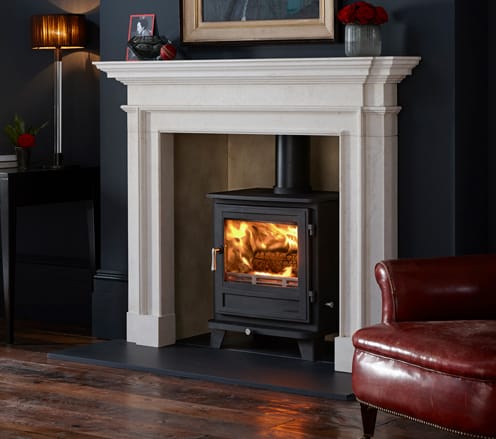
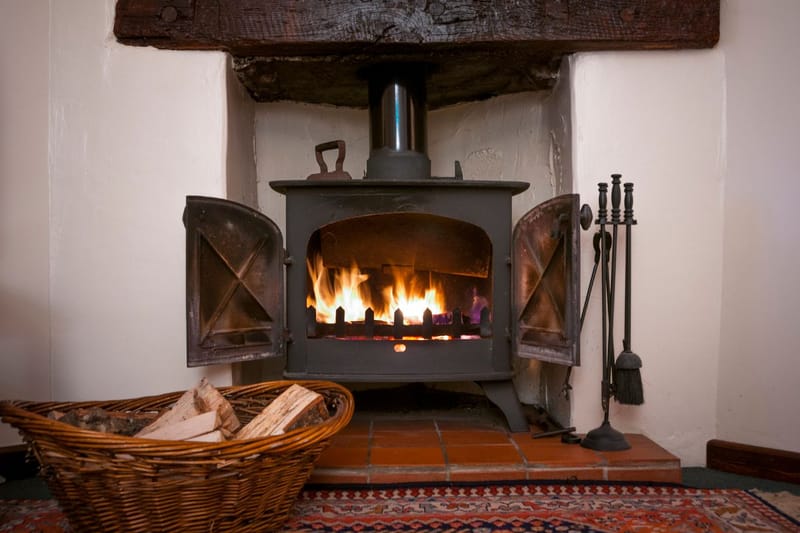
At their core, wood burning stoves operate on a simple principle - converting solid fuel into heat energy. The process begins when you load seasoned hardwood into the stove's combustion chamber. This wood burns at high temperatures, creating hot gases that travel through the stove's internal channels. These channels are designed to maximize heat transfer to the surrounding air. What's fascinating is how the stove's design controls airflow, ensuring that the wood burns efficiently rather than just smoldering. The stove's metal construction acts like a heat exchanger, absorbing heat from the fire and radiating it out into your room. This system works best when you have proper ventilation and when the wood is properly seasoned. The whole process is both science and art - knowing when to add more wood, how much to open the air vents, and recognizing when the fire is burning optimally. Think of it like cooking - you need the right temperature, timing, and ingredients to get the best results.
Choosing the Right Size and Type for Your Space
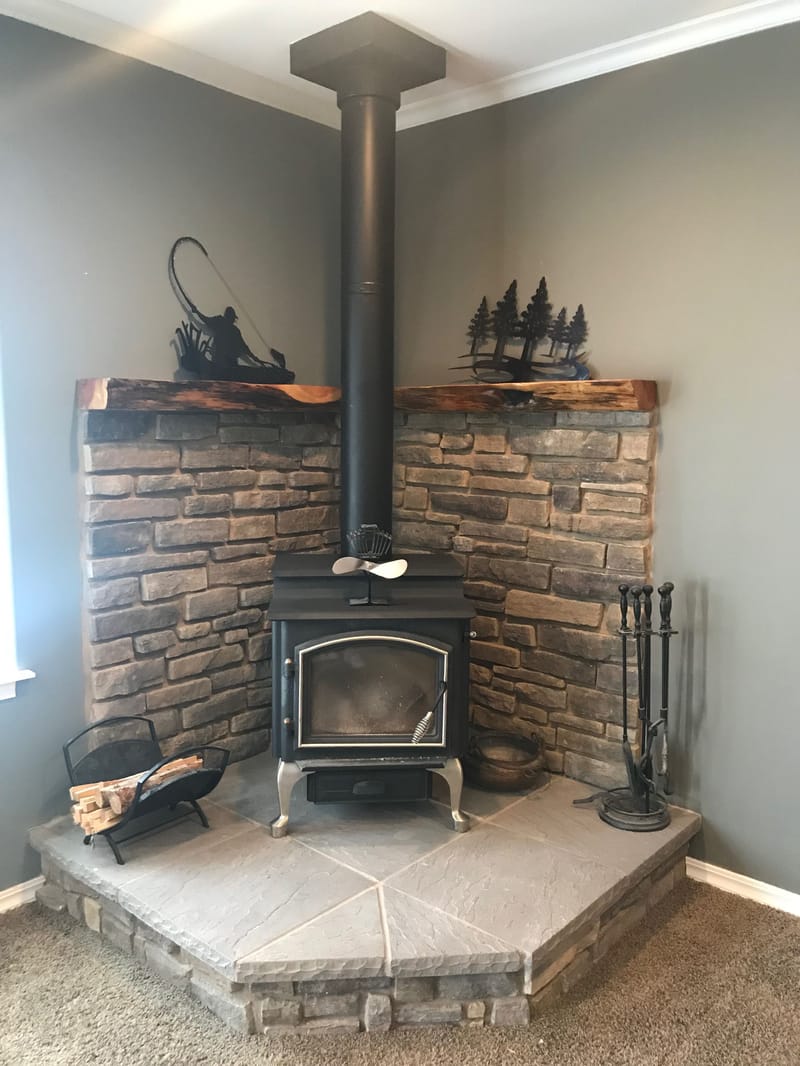
Not all fireplaces are created equal, and choosing the right stove size is crucial for both efficiency and safety. A stove that's too small will struggle to heat your space, while one that's too large might overheat the room and waste fuel. Consider the square footage of the area you want to heat, the ceiling height, and how well-insulated your home is. For a typical family room of 500 to 800 square feet, a stove with 40,000 to 60,000 BTUs usually works well. But don't just rely on numbers - think about your lifestyle. Do you want to use it for daily warmth, or as a special occasion centerpiece? Some people prefer compact models for smaller spaces, while others want the dramatic presence of a larger unit. The material matters too - cast iron stoves retain heat longer and provide steady warmth, while steel models heat up faster but cool down quicker. The key is matching your needs to the stove's capabilities, which means spending some time researching different options and visiting showrooms to see what feels right for your home.
Essential Safety Guidelines and Regulations
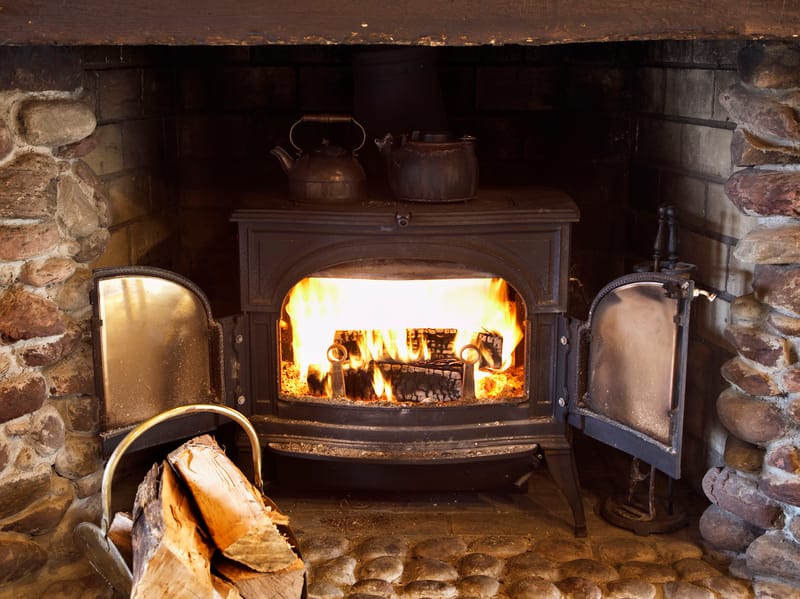
Safety should always come first when dealing with wood burning stoves. These appliances generate intense heat and produce combustion byproducts that require careful handling. The National Fire Protection Association recommends maintaining at least three feet of clearance between the stove and combustible materials. That means checking your walls, cabinets, and even furniture placement carefully. Many local codes require specific clearances and may mandate professional installation. Regular chimney cleaning is non-negotiable - creosote buildup can cause dangerous chimney fires. You should have your chimney inspected annually and cleaned as needed, especially if you burn wood frequently. The stovepipe connecting to your chimney must be properly sealed and insulated. Even seemingly small details matter - using only dry, seasoned wood prevents excessive smoke and reduces fire risks. Installing carbon monoxide detectors near the stove area provides an extra layer of protection. It's worth noting that some areas have restrictions on wood burning due to air quality concerns, so checking local regulations before purchasing is smart. These rules aren't meant to be inconvenient - they exist to protect you and your family.
Proper Maintenance for Longevity and Performance
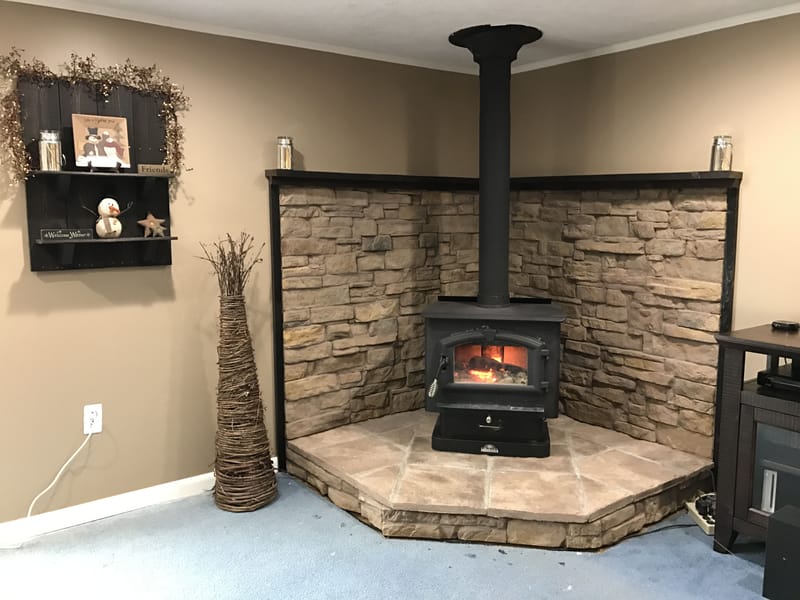
A well-maintained wood burning stove can serve you for decades, but it requires regular attention. The routine tasks start with daily cleaning - removing ash and checking that the glass door remains clean for optimal viewing. Weekly inspections of the stovepipe connections ensure everything stays secure and tight. Monthly checks of the damper and air controls help maintain proper airflow. One of the most important seasonal tasks is cleaning the chimney, which should happen at least once per year or more frequently if you use the stove regularly. The flue should be checked for blockages, and the stove's exterior should be cleaned to prevent buildup of soot or debris. Some people find it helpful to keep a logbook tracking maintenance dates and any issues that arise. Proper storage of wood is equally important - keeping it off the ground and covered protects it from moisture and insects. Remember, a little effort now prevents major problems later. When maintenance becomes neglected, the stove's efficiency drops significantly, and safety risks increase dramatically. Think of it like taking care of a car - regular tune-ups pay dividends in performance and reliability.
Fuel Selection and Storage Tips
The quality of your wood directly impacts your stove's performance and safety. Seasoned hardwood burns cleaner and produces more heat than green or wet wood. Look for wood that has been dried for at least six months to a year, ideally with a moisture content below 20%. Different woods have varying properties - oak and maple burn slowly and produce excellent heat, while birch and poplar burn hotter but for shorter periods. Softwoods like pine can create more smoke and are better suited for kindling. When storing wood, keep it elevated off the ground and covered to protect from rain and snow. A woodshed or covered area works well, but avoid completely enclosed storage that can trap moisture. The wood should be stacked in a way that allows air circulation around each piece. Some people find success in splitting wood themselves, as freshly split wood often dries faster than pre-cut lumber. Having a good supply of properly seasoned wood ensures you won't be scrambling during cold weather. It's also worth noting that some regions have specific recommendations for local wood species that perform best in their climate conditions.
Troubleshooting Common Issues and Solutions
Even the most experienced wood stove users encounter problems occasionally. If you notice poor draft or smoke entering the room, check if the damper is fully open and inspect the chimney for blockages. Excessive smoke often indicates insufficient airflow or a full chimney. If your stove isn't heating adequately, the issue might be with wood moisture content or inadequate air control settings. Sometimes the problem is simply a buildup of soot or creosote requiring professional cleaning. Unusual noises from the stove could indicate loose components or improper installation. If flames seem too small or weak, try adjusting the air controls or adding more seasoned wood. A stove that's producing too much smoke might need its air intake adjusted or could be suffering from a blocked flue. When in doubt, consult with a certified technician who understands your specific model. Remember, many problems can be solved with simple adjustments, but some issues require professional attention. Keeping a basic toolkit handy for minor repairs can save you time and money. Learning to recognize warning signs early helps prevent bigger problems down the road.
Environmental Impact and Air Quality Considerations
Modern wood burning technology has evolved significantly in recent years, with newer stoves designed to burn more efficiently and produce fewer emissions. Older stoves can contribute to air pollution, especially when burning wet or unseasoned wood. Many areas now require EPA-certified stoves that meet strict emission standards. These newer models burn more completely and produce less particulate matter, making them better for both indoor air quality and outdoor air. The environmental impact depends largely on wood source and burning practices. Locally-sourced wood reduces transportation emissions, while sustainable forestry practices help maintain healthy forests. Some people choose to burn only hardwoods and avoid softwoods that produce more smoke. The timing of burning matters too - burning during warmer months when air quality is typically better helps minimize environmental impact. While wood burning is often considered renewable energy, it's important to balance the benefits against potential environmental costs. Many communities offer programs to help homeowners upgrade to cleaner-burning stoves, recognizing the importance of reducing emissions while maintaining traditional warmth.
Wood burning stoves in fireplaces represent more than just heating solutions - they're gateways to tradition, comfort, and connection. From understanding how these appliances function to making informed choices about size, safety, and maintenance, the journey toward mastering wood burning is both rewarding and enriching. The key is approaching it with patience, respect for the technology, and appreciation for the centuries-old practice it represents. Whether you're installing your first stove or refining your existing setup, remember that each piece of wood you burn, each adjustment you make, and each evening you spend by the fire contributes to a deeper relationship with one of humanity's oldest forms of warmth and light. The satisfaction comes not just from the heat itself, but from the ritual, the craftsmanship, and the simple joy of gathering around something that connects us to both our past and our present. As you continue to use and enjoy your wood burning stove, you'll discover that it's not just about staying warm - it's about creating moments that matter.


