
Whether you're dreaming of a cozy hearth or just curious about the numbers, understanding fireplace costs is essential. It's not just about the price tag – it's about making smart choices that fit your budget and lifestyle.
Picture this: You're curled up with a book, watching flames dance across the hearth. That feeling of warmth and comfort is something many of us crave. But before you can enjoy that moment, there's a whole world of costs to consider. Installing a fireplace isn't just a simple home improvement project – it involves planning, materials, labor, and sometimes some unexpected expenses. The numbers can seem intimidating, but once you break them down, they become manageable. This guide will walk you through everything you need to know about fireplace installation costs, helping you make informed decisions that won't leave you feeling burned out by the expense.
Types of Fireplaces and Their Price Ranges
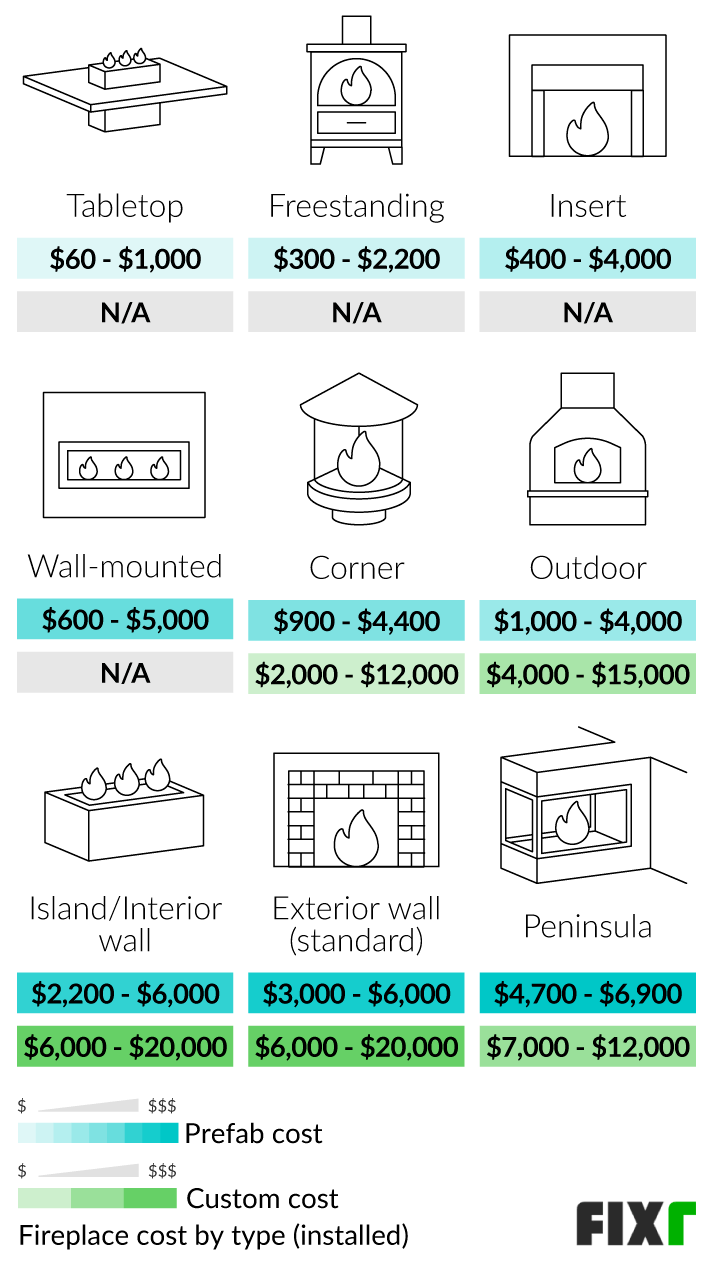
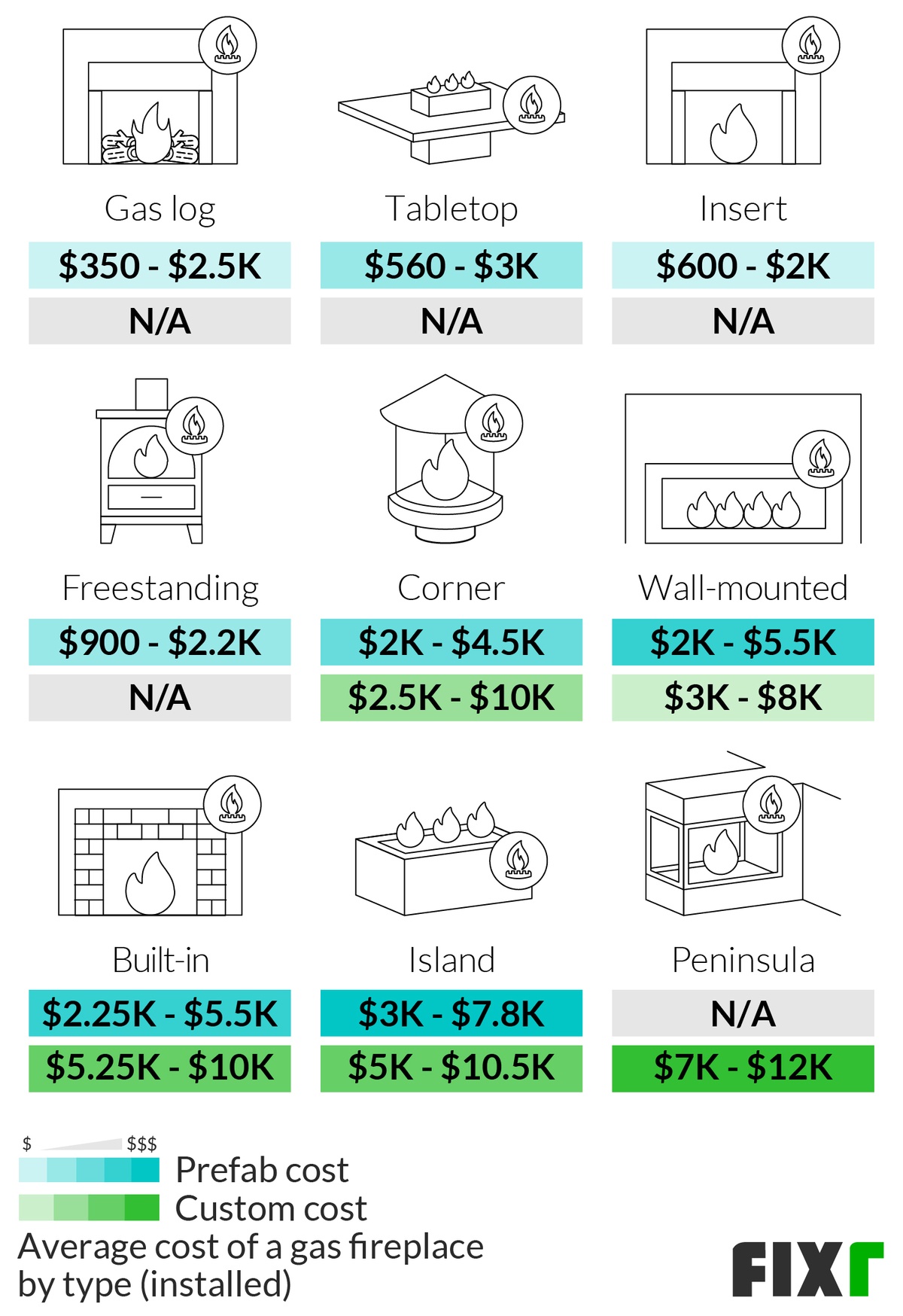
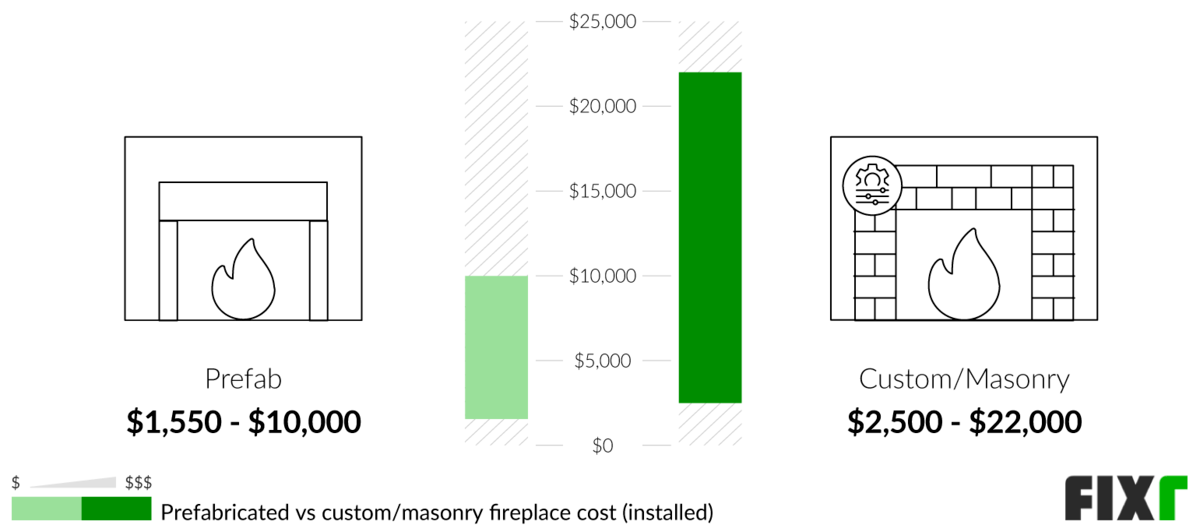
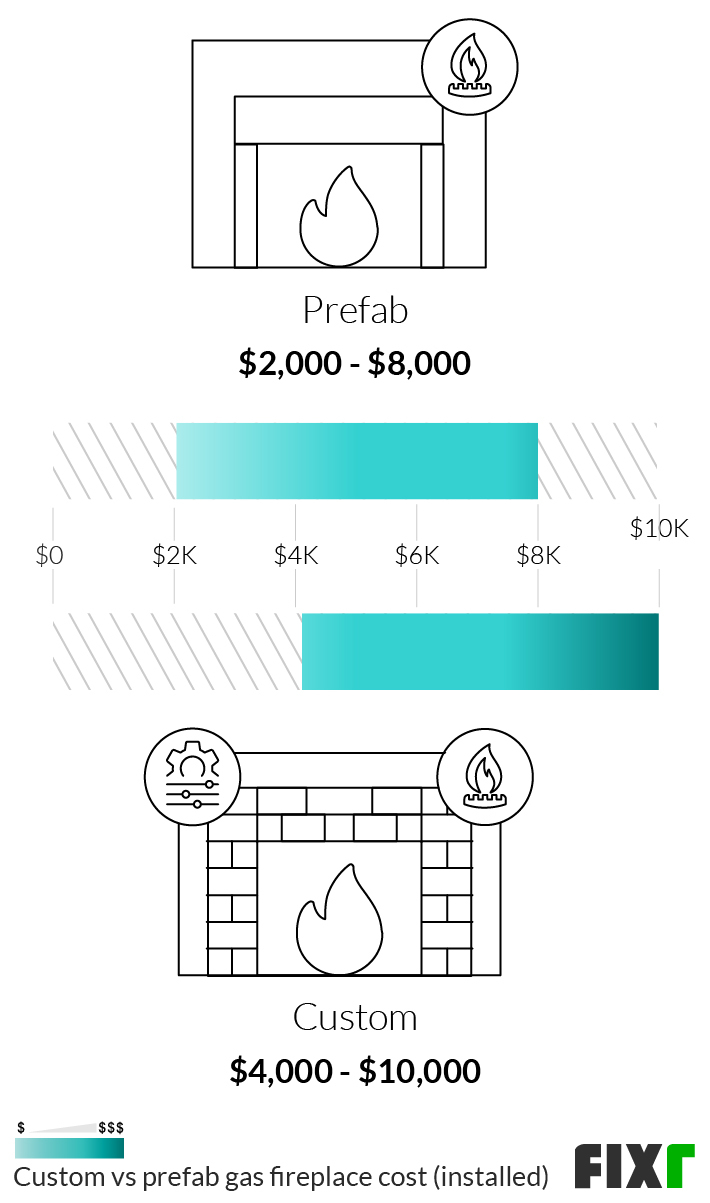
Not all fireplaces are created equal, and their costs reflect that diversity. Let's start with the basics.
Each type offers different benefits and drawbacks. Electric models are the easiest to set up, while wood-burning fireplaces provide that classic, authentic experience. The key is matching your needs with the right option for your situation.
Labor and Professional Installation Costs
Here's where things get interesting – the actual work behind installing your fireplace. Labor costs can easily account for 40-60% of your total project budget.
For electric fireplaces, installation might take just a few hours and cost around $100-$300. These units are designed to be DIY-friendly, though professional installation is still recommended for safety reasons.
Gas fireplace installation requires more work and can cost between $500 and $1,500. This includes connecting to gas lines, proper ventilation, and ensuring all safety requirements are met.
Wood-burning fireplaces demand the most extensive work, often costing $1,000 to $3,000 for professional installation. This includes building or modifying the chimney, checking local codes, and ensuring proper clearance from combustible materials.
Don't forget about permits! Many areas require permits for fireplace installations, especially for gas and wood-burning models. These fees can range from $50 to $200 depending on your location. Professional installation isn't just about putting things together – it's about ensuring everything works safely and efficiently.
Hidden Expenses You Might Forget
This is where many people get caught off guard. The visible costs are just the beginning. There are several hidden expenses that can add significantly to your final bill.
These extras can easily double or triple your initial estimate, so it's wise to factor them into your planning phase. Budgeting for these potential costs upfront helps prevent surprises later.
How Location Affects Your Fireplace Costs
Where you live plays a significant role in how much your fireplace installation will cost. Regional differences in labor rates, material availability, and local regulations can make a noticeable difference in pricing.
In urban areas, labor costs tend to be higher due to increased demand and living expenses. For example, installing a gas fireplace in New York City might cost 20-30% more than in a smaller town.
Local building codes also vary widely. Some areas have strict regulations about chimney placement, minimum clearances, and required safety features. These codes can impact both material choices and installation complexity.
Material prices also fluctuate by region. In areas where stone or brick is common, fireplace surrounds might be less expensive. Conversely, regions where timber is abundant might see lower costs for wood-burning options.
Additionally, seasonal factors matter. Installation during peak seasons (fall and winter) can increase costs by 10-20% due to higher demand for heating solutions.
It's worth researching local contractors and comparing quotes from multiple sources. Different areas have different specialties and pricing structures, so shopping around makes sense.
Maintenance and Long-Term Operating Costs
The initial investment is just the beginning. Once installed, fireplaces require ongoing care and operating expenses that add up over time.
Additionally, consider utility bills. While electric fireplaces use less electricity than traditional heating methods, they still contribute to your monthly power consumption. Gas fireplaces use minimal gas when in use, but the cost depends on local gas prices.
These recurring costs can add up significantly over time. Factor them into your decision-making process, especially if you plan to use your fireplace frequently. A fireplace that looks great but breaks your budget annually isn't a wise investment.
Tips for Saving Money Without Sacrificing Quality
You don't have to spend a fortune to get a quality fireplace. Here are some strategies to keep costs down while still getting good results.
Remember, the cheapest option isn't always the best long-term choice. Balance your immediate budget with the value and longevity of your investment.
When to Hire Professionals vs. DIY Approaches
Deciding whether to tackle your fireplace installation yourself or hire professionals is crucial. It's not just about saving money – it's about safety and compliance.

Electric fireplaces are generally safe for DIY installation. They don't require gas connections or complex venting systems. However, proper electrical connections are important, and some jurisdictions require permits for electrical installations.
Gas fireplaces are a different story entirely. These require professional installation for safety reasons. Improper gas connections can lead to dangerous leaks or fires. Additionally, gas installations must comply with local building codes and often require permits.
Wood-burning fireplaces are the most complex. They require extensive knowledge of chimney construction, fire safety regulations, and local building codes. Hiring a certified chimney sweep or contractor is not just recommended – it's essential.
Bioethanol fireplaces are relatively simple but still benefit from professional installation for proper positioning and safety considerations.
Consider your skills, time constraints, and local regulations carefully. Sometimes the savings from a DIY approach aren't worth the risks or potential legal issues. When in doubt, it's always safer and often more cost-effective to hire experienced professionals.
Making the Right Choice for Your Situation
Ultimately, the cost of putting a fireplace in your home depends on your unique circumstances. Consider these factors:
Take time to research thoroughly. Visit showrooms, speak with multiple contractors, and ask about warranties and after-sales service. A well-installed fireplace can be a wonderful addition to your home, providing warmth, ambiance, and potentially increasing your property value.
Remember, the most expensive option isn't always the best choice. Sometimes a mid-range solution offers the perfect balance of functionality, aesthetics, and value for money. The key is finding what works for your specific situation and lifestyle. Don't let the numbers overwhelm you – with proper planning and research, you can find a fireplace that fits both your dreams and your wallet.
Installing a fireplace is more than just buying a pretty appliance – it's a significant investment in comfort, style, and potentially your home's value. Understanding the various costs involved helps you make informed decisions that align with your budget and needs. From the initial purchase price to ongoing maintenance, each component matters. Whether you choose electric convenience, gas efficiency, or wood-burning tradition, the key is balancing your desires with realistic expectations. Don't let the numbers intimidate you – with proper planning and research, you can bring that warm, cozy feeling into your home without breaking the bank. The fireplace you've always dreamed of is within reach, and with the right approach, it won't cost you more than you're comfortable spending.


