
Imagine having more room to entertain guests, create a dining area, or simply enjoy your favorite outdoor activities. Extending your concrete patio with pavers isn't just about adding space – it's about enhancing your lifestyle. This approach combines the durability of concrete with the versatility and aesthetic appeal of pavers, creating a seamless transition that looks intentional rather than haphazard.
If you've ever looked at your concrete patio and thought 'I wish I had more space,' you're not alone. Many homeowners face this exact challenge. The good news? You don't have to tear out your entire patio to get more room. By extending it with pavers, you can create additional usable space while maintaining the structural integrity and visual appeal of your existing setup. This method works particularly well when you want to add a new dining area, create a separate seating zone, or simply expand your entertaining capabilities. Whether you're planning a small extension or a major renovation, understanding how to properly extend concrete patio with pavers is essential for achieving professional results that will last for years to come.
Planning Your Patio Extension
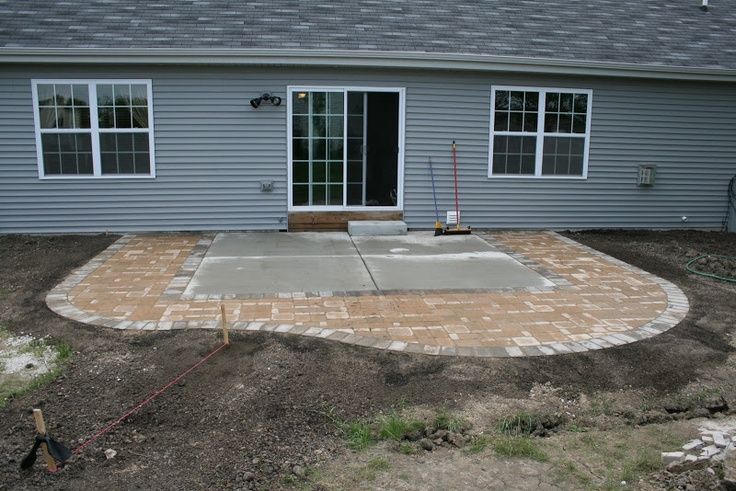
Before you even think about buying pavers, you need to plan everything carefully. Start by measuring your current patio and deciding exactly how much space you want to add. Think about what you'll use the extra area for – perhaps a new dining table, a fire pit, or additional seating. Consider the flow of traffic in your yard and ensure there's enough space for comfortable movement. It's also important to check local building codes and permits required for patio extensions. Some areas have restrictions on how close you can build to property lines or require specific setbacks from driveways. Don't forget to assess the condition of your existing concrete. If it's cracked or uneven, you might need to address those issues before beginning the extension project. Take photos from different angles and sketch out your plans. Sometimes, the most challenging part isn't the actual installation but ensuring that the extension complements the existing design rather than competing with it.
Choosing the Right Pavers for Your Project
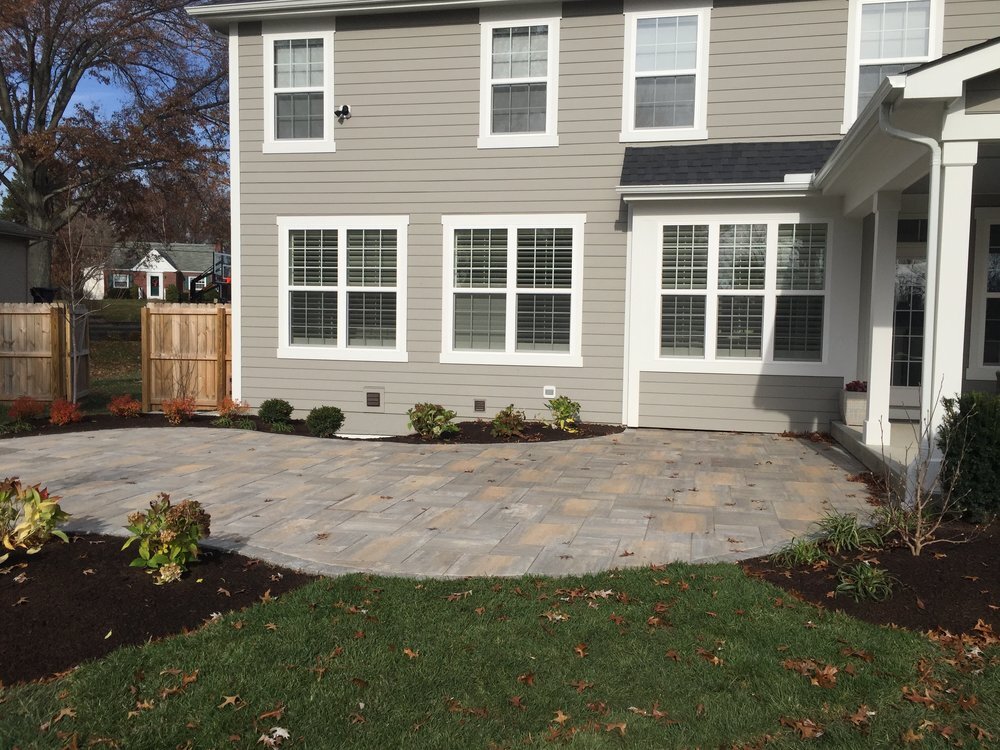
Paver selection makes all the difference in both appearance and performance. When choosing materials for your extension, consider factors like durability, weather resistance, and maintenance requirements. Concrete pavers are popular because they offer excellent strength and come in numerous styles and colors. They're also relatively affordable compared to natural stone options. Natural stone pavers provide a luxurious look but typically cost more and may require more upkeep. Clay brick pavers offer classic appeal and are available in various textures and shades. For high-traffic areas, select pavers with good slip resistance. Consider the color palette of your home's exterior and existing patio to ensure continuity. Test samples in different lighting conditions throughout the day to see how they look. Remember that pavers need to match or complement the texture and scale of your current concrete surface. A large-scale paver on a small patio can look overwhelming, while tiny pavers on a big space might appear insignificant. Look for pavers that have consistent edges and flat surfaces – this will make installation much easier and result in a smoother final product.
Preparing the Foundation and Base Layer
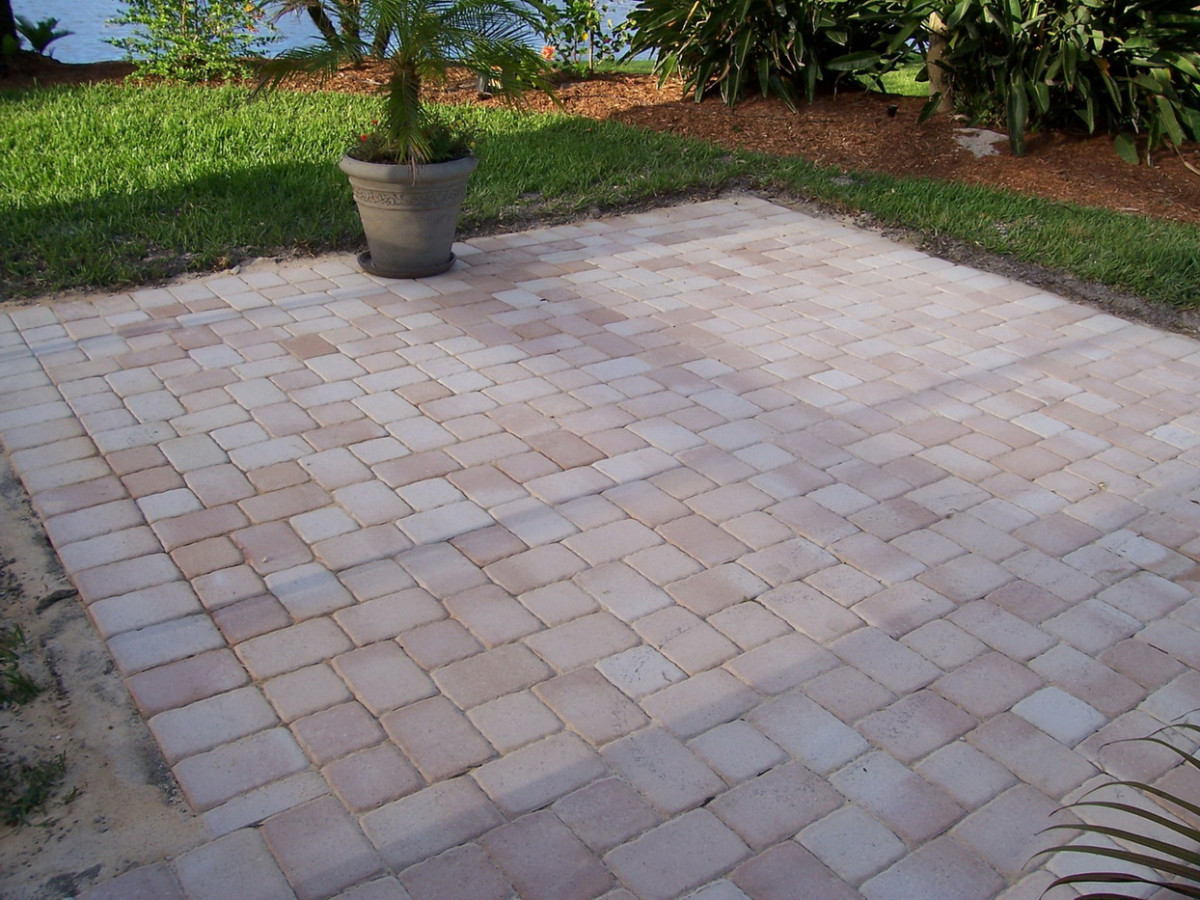
Proper preparation is the foundation of any successful patio extension project. Start by marking the boundaries of your new patio area. Remove any grass, vegetation, or existing materials within the designated space. Excavate to the proper depth, usually around 6-8 inches depending on your paver thickness and desired finish height. The base layer requires careful attention. Begin with compacted gravel, approximately 4 inches thick. This provides drainage and prevents settling over time. Follow with a 2-inch layer of sand, which allows for fine-tuning the paver level. Use a level to check that the sand bed is even across the entire area. Any low spots should be filled with additional sand. The sand layer also helps create a stable platform for your pavers and makes adjustments easier during installation. Some contractors prefer to use a concrete mix for the base if they're extending onto a concrete slab, but this depends on the specific situation and soil conditions. Check that the ground slopes away from your house to prevent water pooling. Proper drainage is crucial for preventing damage to both the new extension and the existing concrete structure.
Installing the Pavers Correctly
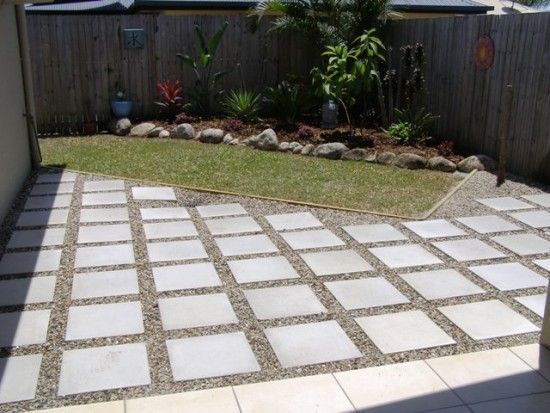
The actual installation process requires patience and attention to detail. Start by laying out your pavers in the pattern you want to achieve, making sure to account for any irregularities in the concrete surface. Begin from the edge that's furthest from your house and work toward the front of your property. This ensures you won't step on freshly placed pavers while working. Apply a thin layer of mortar or sand to the prepared base, then carefully place each paver. Tap them gently with a rubber mallet to ensure they sit flush with the surrounding area. Leave appropriate gaps between pavers – typically 1/8 inch for most installations. These gaps will be filled with polymeric sand later to lock everything in place. Check that each paver is level with its neighbors. Use a straightedge to verify that the surface is even. Don't rush this step – taking time to ensure proper alignment now will save headaches later. If you encounter any areas where pavers don't fit perfectly, don't force them. Adjust the layout or cut pavers as needed, but always measure twice before cutting. Quality control at this stage pays dividends in the final appearance and longevity of your extended patio.
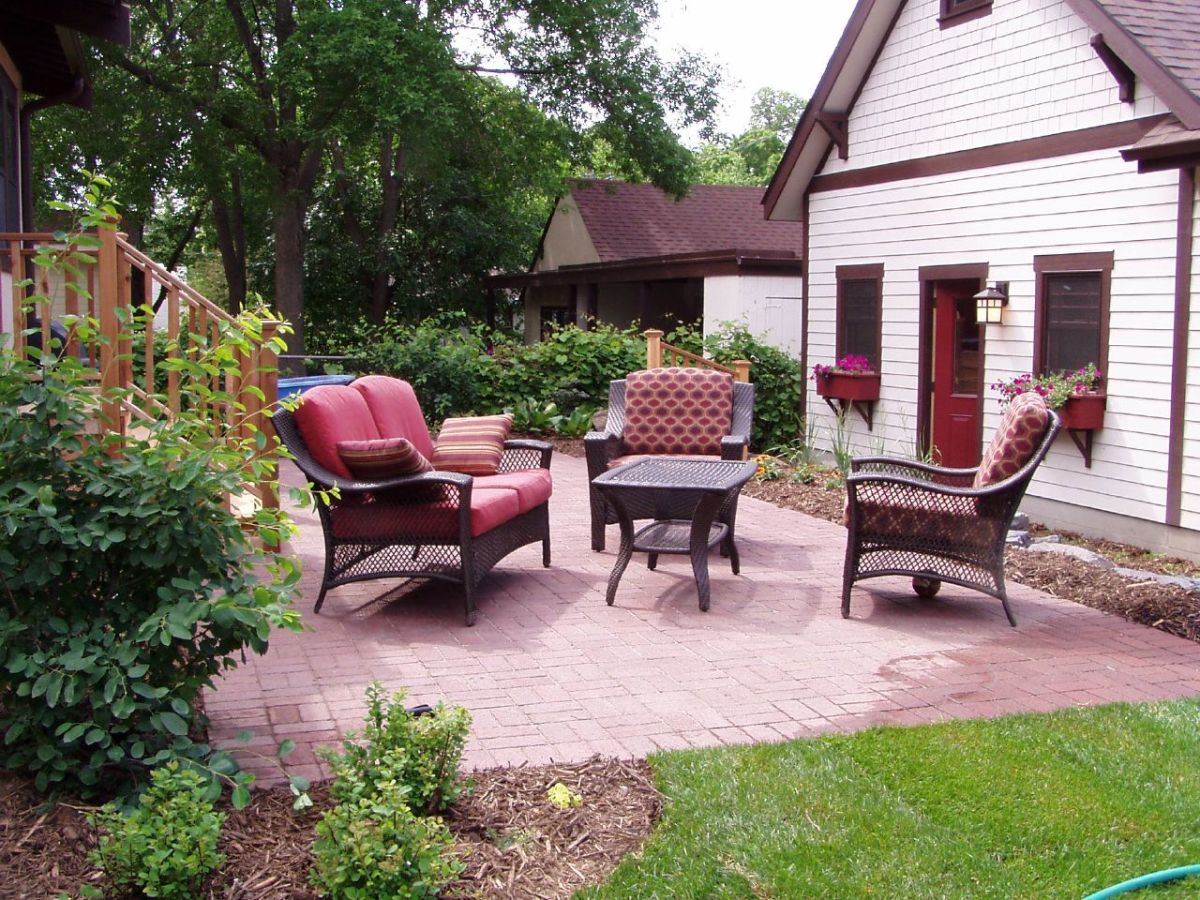
Finishing Touches and Sealing Options
Once all pavers are in place and the surface is level, it's time to finish the job properly. Sweep polymeric sand into the gaps between pavers, filling them completely. Use a broom to work the sand deeper into the joints. After 24 hours, sweep off excess sand and lightly mist the surface with water to activate the polymeric sand. This creates a strong bond between pavers and prevents weeds from growing through the joints. Consider applying a sealer to protect your investment. There are several types of sealers available, including penetrating sealers that protect from stains and water damage, and topical sealers that provide additional color enhancement. Apply sealers according to manufacturer instructions, usually after 30 days of installation. Regular maintenance includes sweeping debris regularly and addressing spills promptly. For heavily used areas, resealing every 2-3 years helps maintain protection and appearance. Some homeowners opt for a combination approach – sealing the entire surface while leaving certain sections unsealed for a more natural look. The key is consistency in maintenance practices to keep your extended patio looking great year after year.
Common Mistakes to Avoid
Even experienced DIYers can make errors when extending patios with pavers. One of the biggest mistakes is skipping proper base preparation. Rushing through the grading and compaction steps leads to uneven surfaces and potential settling issues. Another common error is not allowing adequate expansion and contraction space. Pavers need room to move slightly with temperature changes. Skipping the proper joint filling with polymeric sand can cause the pavers to shift over time. Many people underestimate the importance of matching materials and colors. An extension that doesn't blend with the existing patio looks jarring and unfinished. Underestimating the amount of material needed is another frequent oversight. Always buy 10% extra pavers and sand to account for cuts, breakage, and future repairs. Poor drainage planning can lead to water pooling, which eventually damages the entire structure. Finally, rushing the installation process often results in poor alignment and an unprofessional appearance. Take your time, follow the steps carefully, and remember that quality workmanship takes precedence over speed.
Extending your concrete patio with pavers offers an excellent way to increase your outdoor living space without the expense and disruption of a complete replacement. With proper planning, quality materials, and careful execution, you can create a seamless addition that enhances both the functionality and beauty of your home. The key lies in understanding that this isn't just about adding square footage – it's about thoughtful design that considers flow, drainage, materials, and long-term maintenance. Whether you're creating a new dining area or simply expanding your existing space, the investment in proper extension techniques will pay dividends in enjoyment and property value. Remember that while DIY projects can be rewarding, some situations might benefit from professional assistance, especially when dealing with complex drainage issues or structural concerns. The most important thing is to approach the project with realistic expectations and a commitment to quality workmanship. With the right approach, your extended patio will become one of your favorite spaces for years to come.


