
Picture this: It's October, and you're looking at your beloved patio set with its vibrant cushions that have seen countless summer days. You're thinking about storing them until next spring, but you're not quite sure how to do it right. What happens if you just throw them in a garage? What if you don't clean them first? These aren't just random questions – they're the kind of concerns that can ruin your investment in outdoor furniture.
Outdoor cushions add so much character and comfort to our living spaces, whether it's a cozy backyard setup or a sunny balcony. But when winter rolls around, many of us are faced with the challenge of properly storing these textiles. It might seem simple enough, but there's actually a lot to consider when it comes to keeping outdoor cushions in great shape for another season. The good news is that with the right approach, you can extend their life significantly while saving money on replacements.
Why Proper Storage Matters
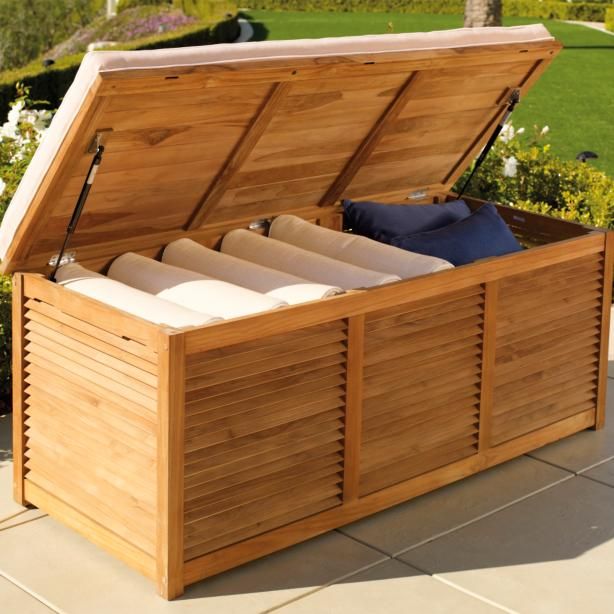
Think about it – you've invested in quality outdoor cushions that have provided comfort during long summer afternoons. Without proper care, those beautiful fabrics and plush stuffing can deteriorate quickly. Moisture, UV rays, and pests can all take their toll on materials that aren't protected correctly. When you store cushions properly, you're essentially giving them a rest period that allows them to maintain their shape, color, and overall integrity. This means less money spent on new cushions and more time enjoying your outdoor space.
Cleaning Before Storage
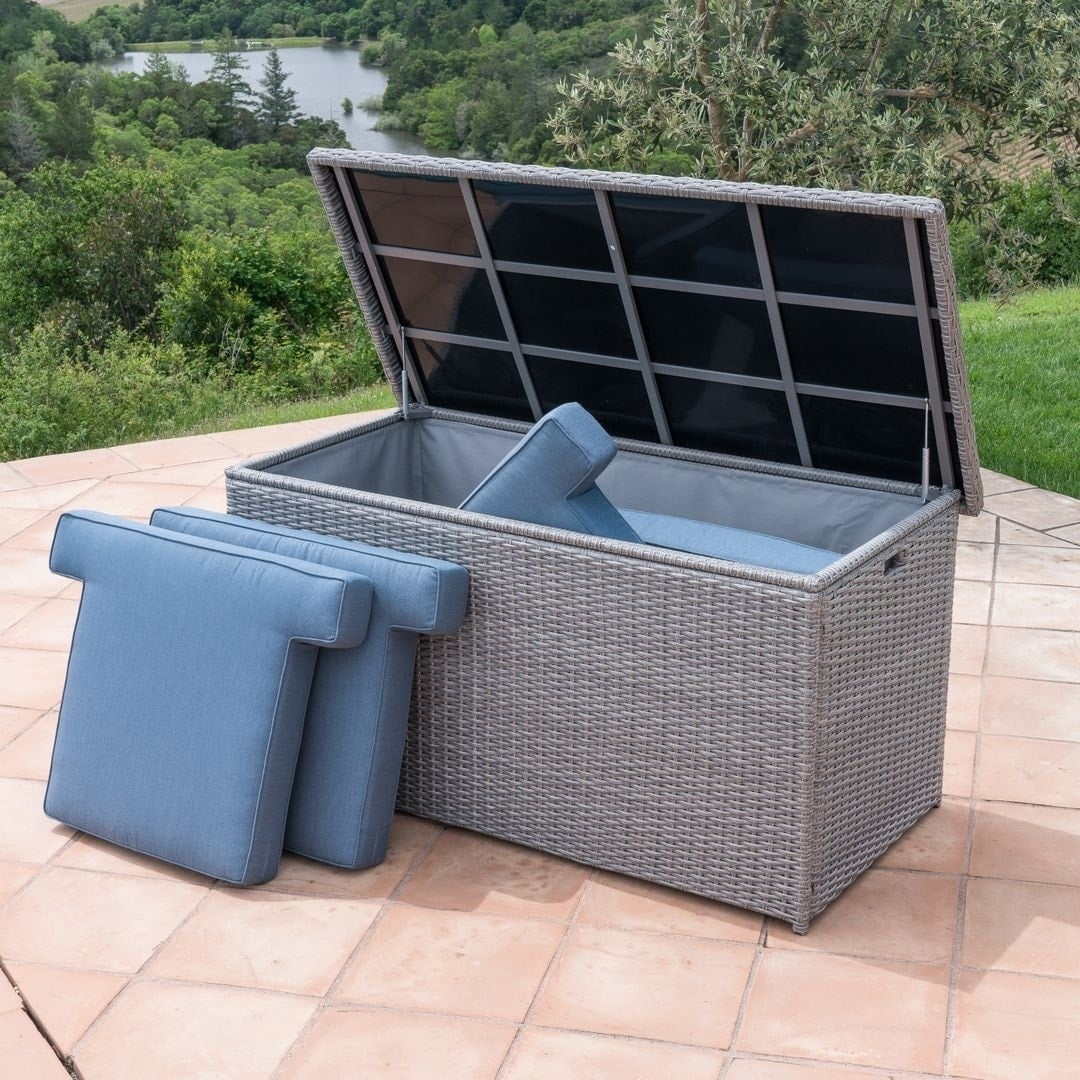
Before you even think about putting your cushions away, they need a good cleaning. Dirt, sweat, and grime can cause permanent damage if left untreated. Remove all covers and wash them according to manufacturer instructions. For stubborn stains, a gentle soap and water solution works wonders. Don't forget to check for any loose threads or small tears that might worsen over time. If you're using removable covers, this is also a good time to inspect the cushion inserts. Are they still firm? Do they need replacing? Sometimes the storage process reveals problems that you might have overlooked.
Choosing the Right Storage Location
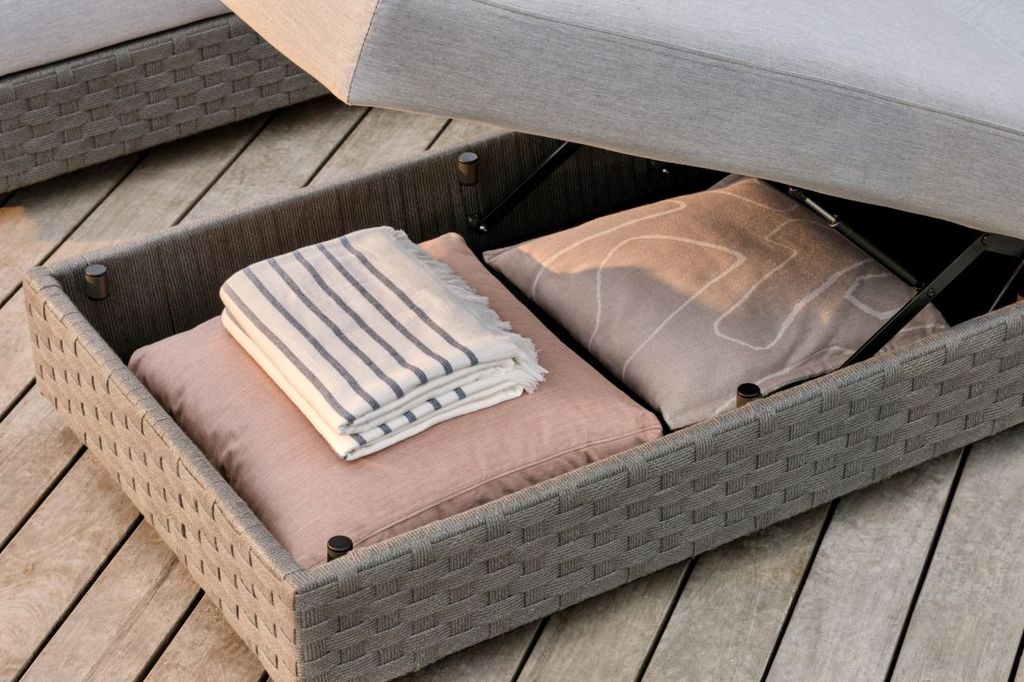
The location where you store your cushions makes all the difference. Ideally, you want a cool, dry place away from direct sunlight and moisture. A garage might seem convenient, but it's often too humid and can attract insects. Basements can work well, though they may have temperature fluctuations. A storage shed or even a covered porch can be excellent alternatives. The key is finding somewhere that protects against weather elements while remaining accessible. Consider using a storage container with a tight-fitting lid to keep out dust and pests. Some people prefer vacuum-sealed bags for extra protection, though this requires careful attention to prevent mold growth.
Proper Stacking and Organization
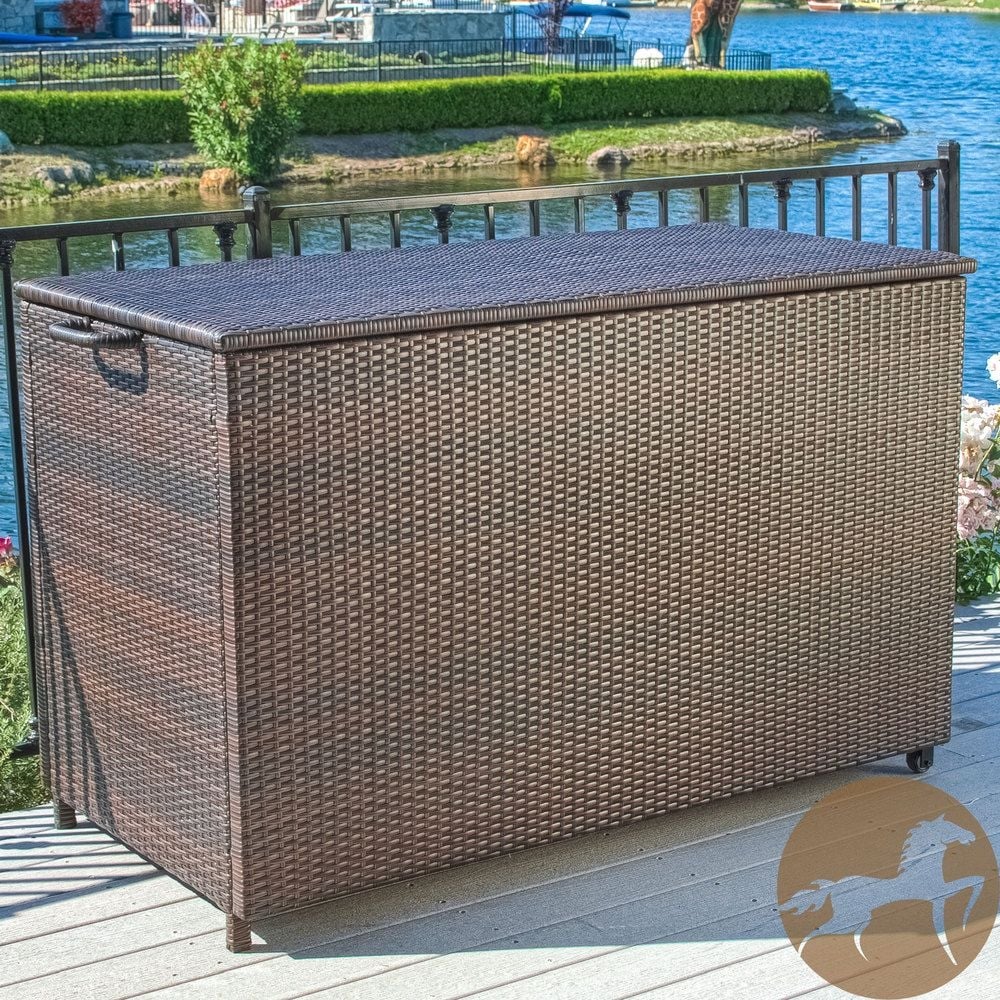
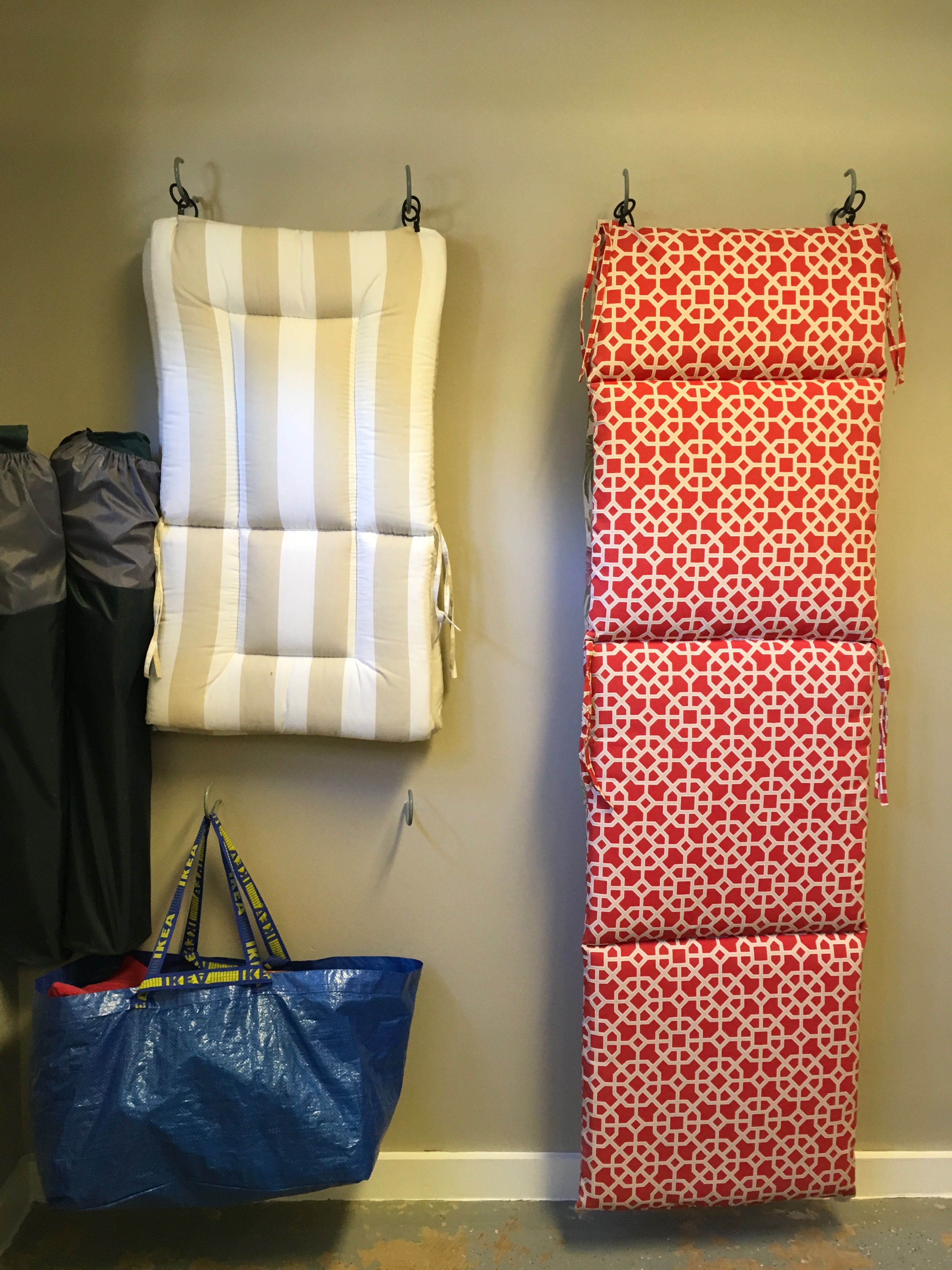
Stacking your cushions correctly prevents unnecessary stress on the fabric and stuffing. Place them flat rather than standing upright, which helps maintain their shape. If you're stacking multiple cushions, alternate the orientation to distribute weight evenly. Using dividers or separate storage boxes for different types of cushions can help organize everything. For example, keep lighter cushions separate from heavier ones. Labeling containers or using color-coded tags makes it easier to find what you need when the season changes. This organization also prevents accidental damage from one cushion rubbing against another.
Protection from Pests and Mold
Pests love the warmth and materials found in stored cushions. Check your storage area regularly for signs of mice, bugs, or other creatures that might chew through fabric. Cedar blocks or lavender sachets can naturally repel insects without harmful chemicals. Mold thrives in damp conditions, so ensure your storage area is well-ventilated. If you notice any musty odors or visible mold spots, address them immediately. Never store cushions in plastic bags alone, as this can trap moisture. Instead, use breathable storage solutions like cotton or mesh bags, or keep them in a ventilated container with good air circulation.
Seasonal Rotation and Maintenance
Even with proper storage, it's important to check on your cushions periodically. Every few months, remove them from storage and give them a quick inspection. Look for signs of wear, fading, or pest damage. Give them a light shake to restore fluffiness and freshen them up. If possible, let them air out for a few hours before returning them to storage. This routine maintenance helps catch potential issues early. Some people prefer to rotate cushions between indoor and outdoor use throughout the year, which can actually extend their lifespan by preventing constant exposure to harsh elements.
Storing outdoor cushions properly isn't just about convenience – it's about making smart investments in your home and lifestyle. By taking a few extra minutes to clean, organize, and protect these items, you're ensuring they'll continue providing comfort for many seasons to come. The effort you put in now pays off in the form of better-looking cushions, fewer replacements, and more enjoyment from your outdoor space. Remember, it's not just about putting things away – it's about creating a system that works for your specific situation and needs. Whether you have a small patio setup or a large entertaining area, the principles remain the same: clean first, store properly, and check periodically.


