
Picture this: you're relaxing in your living room, enjoying the view through your beautiful sliding patio door. The sun streams in, the breeze flows through, and everything feels perfect. But what if someone could just slide open that door without a key? That's exactly why securing your sliding patio door matters more than you might think. It's not just about keeping intruders out – it's about protecting your peace of mind.
Sliding patio doors are a popular choice for homeowners because they offer easy access to outdoor spaces and plenty of natural light. However, their design can sometimes make them more vulnerable to break-ins compared to traditional hinged doors. The good news is that there are several practical ways to strengthen the security of these doors. Whether you're a first-time homeowner or looking to upgrade existing protection, understanding how to properly secure your sliding patio door is crucial. These simple steps can make a big difference in keeping your family and belongings safe.
Understanding Common Vulnerabilities
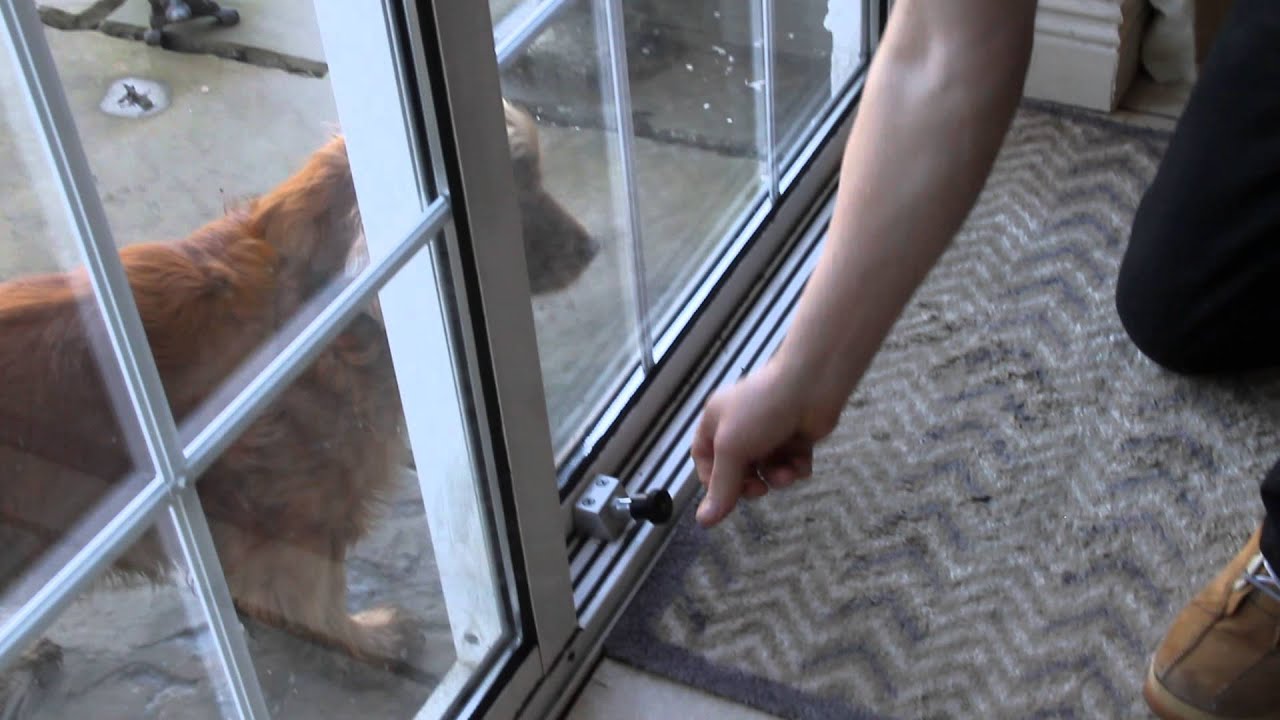
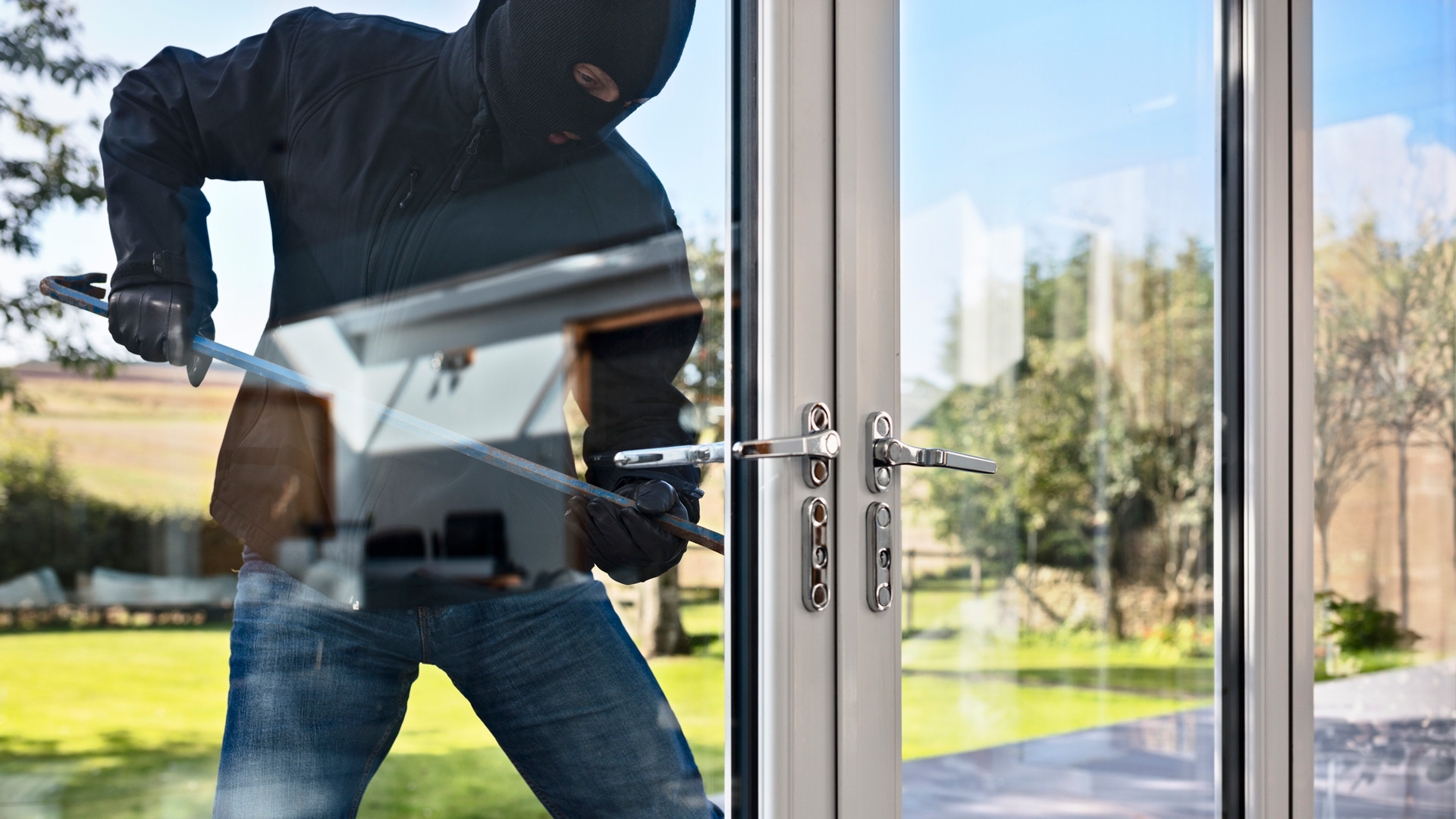
Sliding patio doors have some unique weaknesses that potential intruders might exploit. The main issue is often the gap between the door panel and the frame. This space can allow fingers or tools to slip through, especially if the door isn't properly aligned. Another common problem is that many sliding doors lack robust locking mechanisms compared to standard doors. The track system itself can become a weak point if it's not properly maintained. Some doors even come with basic locks that can be easily bypassed. You might be surprised to learn that a lot of break-ins happen because people assume their sliding doors are secure when they're actually quite vulnerable. The key is recognizing these vulnerabilities before they become problems.
Types of Security Locks Available
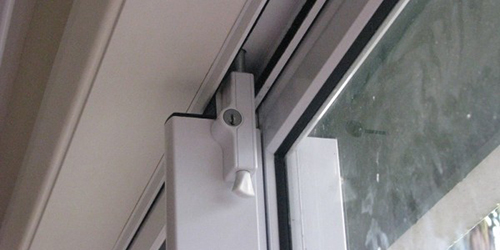
There are several types of locks specifically designed for sliding patio doors. Deadbolts are probably the most common and effective option. They typically feature a bolt that extends deep into the door frame when locked. Many modern deadbolts come with reinforced strike plates that make it much harder to kick in or force the door open. Slide locks are another popular choice. These work by engaging a metal bar that slides across the door frame when activated. They're often found on lower-cost sliding doors and provide decent protection when properly installed. Multi-point locking systems offer even better security. These systems engage multiple locking points along the door's edge, creating several barriers for anyone trying to force entry. Some high-end options include electronic locks that can be controlled remotely via smartphone apps. Each type has its strengths and weaknesses, so choosing the right one depends on your specific situation and budget.
Installing Additional Security Features
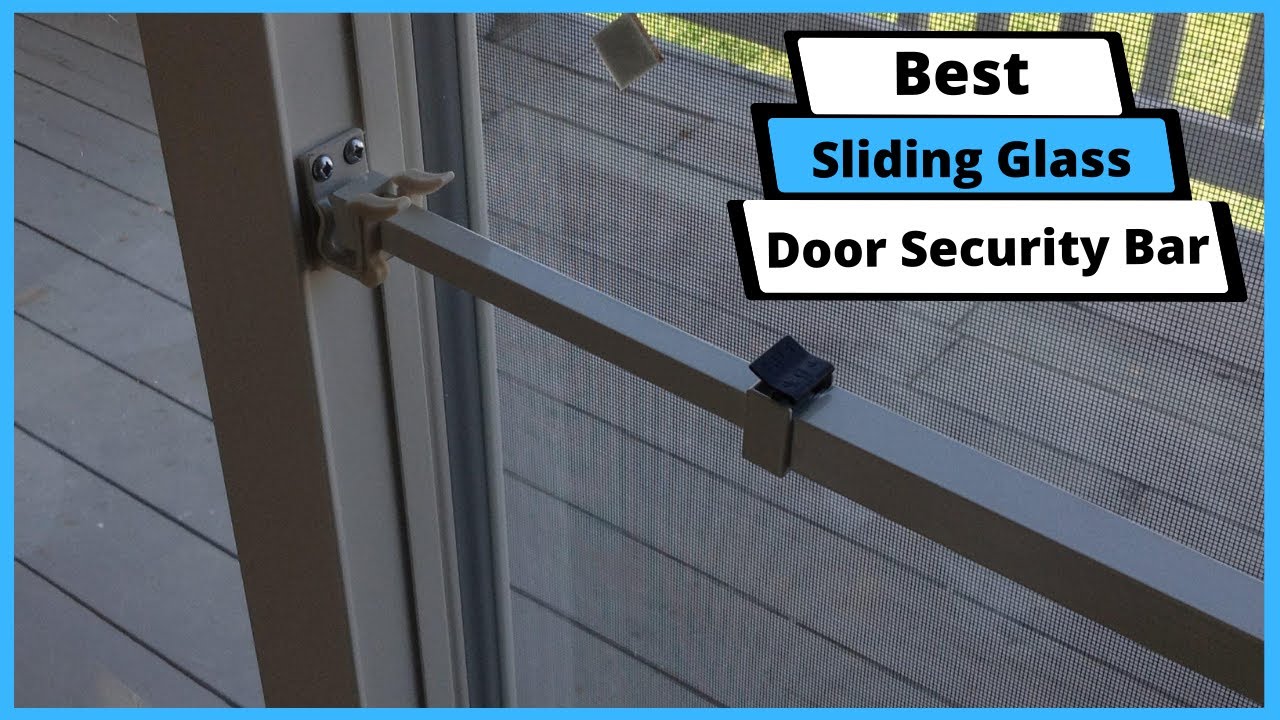
Beyond just adding locks, there are other ways to enhance your sliding door's security. Door reinforcement bars are particularly effective. These metal bars can be installed inside the door frame and extend outward to prevent the door from being pushed open. They're especially useful for doors that are frequently accessed by children or pets. Window guards or security film can also add an extra layer of protection. Even if someone manages to get past the door lock, these features make it much harder to gain physical access. Some people install security cameras near their sliding doors to deter potential intruders. Motion sensors that trigger lights when someone approaches can also be helpful. The key is thinking about multiple layers of security rather than relying on just one method.
Proper Installation Techniques
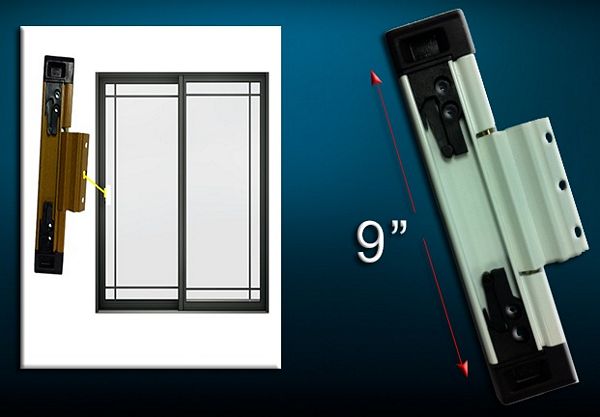
Even the best security equipment won't work properly if it's not installed correctly. When installing new locks, always follow manufacturer instructions carefully. Improper installation can create gaps or misalignments that undermine the entire security system. The mounting hardware must be securely fastened to solid material, not just drywall or thin wood. If you're unsure about any part of the process, consider hiring a professional locksmith or handyman. They can ensure everything is properly aligned and functioning correctly. Pay special attention to the alignment of the door panels themselves. Misalignment can cause gaps that make security measures less effective. Some doors require special tools or adjustments that are easier to handle with experience. Taking time to do it right the first time will save you headaches later.
Maintenance and Regular Checks
Security systems aren't permanent solutions – they require ongoing care to remain effective. Regular maintenance helps prevent small problems from becoming major security vulnerabilities. Check all locks monthly to ensure they're operating smoothly. Look for signs of wear on the locking mechanism or strike plate. Lubricate moving parts occasionally to prevent rust or sticking. Test the door's movement regularly to ensure it slides smoothly without binding. A door that doesn't move freely might indicate alignment issues or worn components. Keep the track clean and free of debris, as buildup can affect performance. Address any squeaks or unusual noises immediately, as they often signal underlying problems. Remember, a well-maintained door is a secure door. Don't wait until something breaks to fix it – proactive maintenance prevents most issues.
Additional Security Considerations
The location and surroundings of your sliding door play a big role in overall security. If your door faces a busy street or alley, you might want additional protection beyond basic locks. Consider the lighting around your door – poor visibility makes it easier for intruders to approach unnoticed. The height of the door and surrounding landscaping can also impact security. Some people install security bars or grilles on the outside, though these can limit emergency exits. For homes with young children, consider child safety locks that prevent the door from being opened from the outside. Weatherproofing is another factor – moisture and temperature changes can affect how well a door seals and locks. Finally, think about your neighborhood's crime rate and local safety concerns. What works in one area might not be sufficient in another. The goal is finding a balance between security and convenience that fits your specific needs.
Securing your sliding patio door doesn't have to be complicated or expensive. By understanding the common vulnerabilities and implementing proper locking systems, you can significantly improve your home's security. Remember that effective door security involves multiple elements working together – from quality locks to regular maintenance. Don't overlook simple things like keeping tracks clean or checking for alignment issues. The investment you make in securing your sliding door pays dividends in peace of mind. Every homeowner deserves to feel safe in their own home, and protecting those important entry points is a fundamental step toward achieving that goal. Whether you're upgrading existing security or starting from scratch, taking action now can make a real difference in your family's safety.


