
Picture this: You're enjoying your morning coffee, the sun streaming through your beautiful patio door, when suddenly you notice something's amiss. The blinds won't budge, they're sticking, or worse, they've completely given up on their job. It's frustrating, isn't it? These built-in beauty features that promise convenience and style often come with their own set of challenges that can turn your peaceful morning into a minor headache.
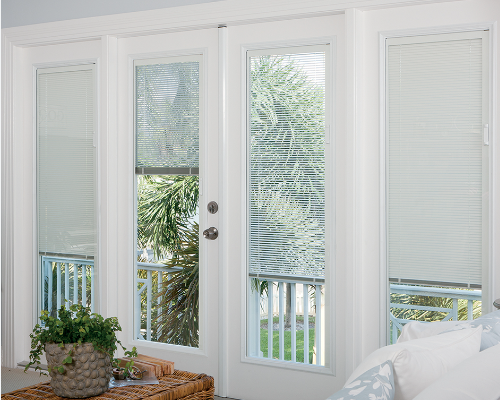
Patio doors with built-in blinds have become increasingly popular in modern homes. They offer the perfect blend of natural light control and aesthetic appeal. However, like any mechanical system, these integrated features aren't immune to problems. From simple jams to more complex operational failures, issues with built-in blinds can pop up at the most inconvenient times. Understanding these common problems helps homeowners address them quickly before they become bigger headaches. Whether you're dealing with a new installation or an older model, knowing what to expect can save you time, money, and plenty of aggravation.
Common Mechanical Failures
The most frequent issue with patio doors featuring built-in blinds stems from mechanical wear and tear. These systems involve numerous moving parts – gears, cords, tracks, and pulleys – all working together to provide smooth operation. Over time, these components can degrade. Worn-out gears might cause the blinds to move slowly or not at all. Cords can fray or break entirely, leaving your blinds stuck in place. Tracks may accumulate debris or become misaligned, causing the blinds to jam during operation. Regular maintenance helps prevent these problems from escalating into full-blown failures.
Operational Problems and Sticking Mechanisms
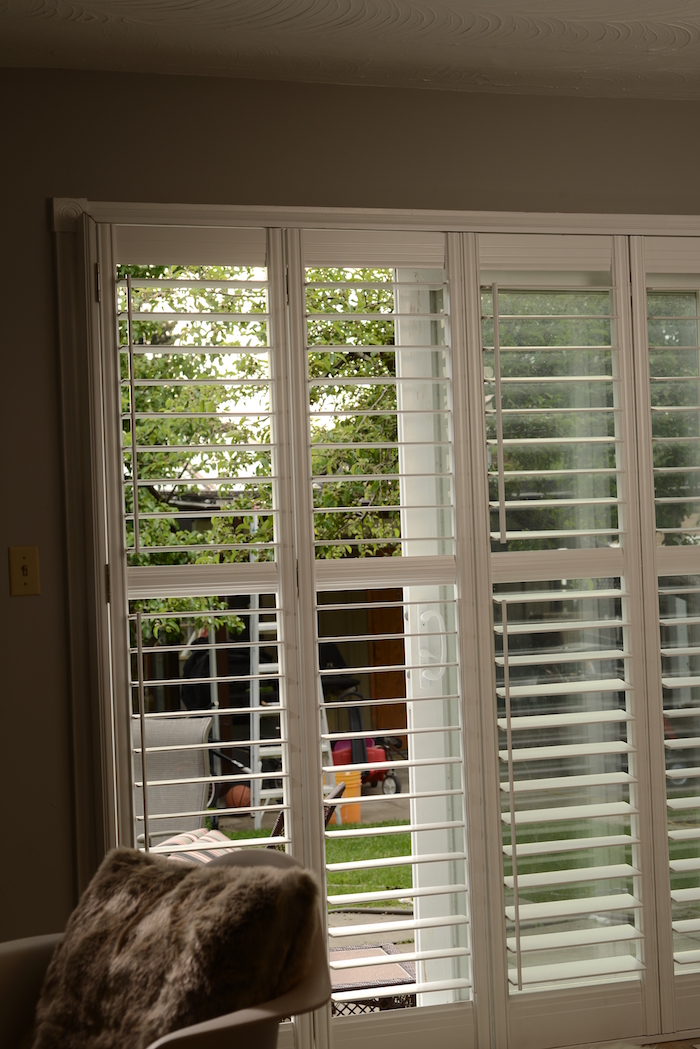
One of the most annoying aspects of built-in blind issues is when they simply won't operate smoothly. This could manifest as sticking, hesitation, or complete failure to respond to controls. Dust and dirt buildup in the track system often causes these problems. Even small particles can interfere with the delicate mechanisms designed for precise movement. Weather exposure compounds this issue, especially in coastal areas where salt and moisture can accelerate corrosion. Some users report that their blinds start acting up after just a few months, while others experience gradual deterioration over several years.
Weather-Related Damage
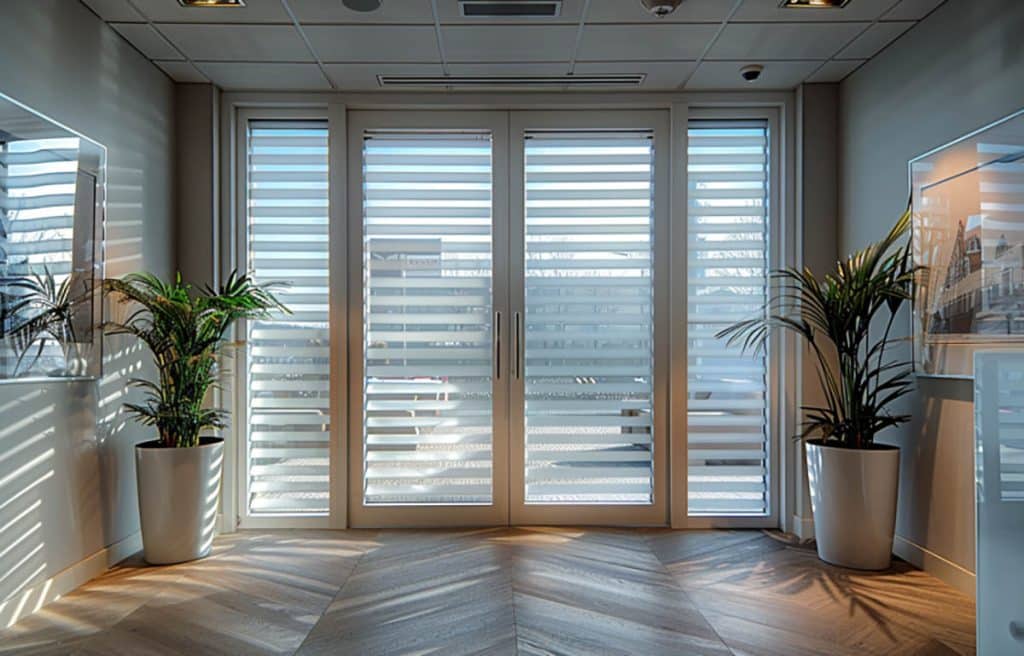
Outdoor exposure means these systems face constant weather challenges. Extreme temperatures, humidity, and direct sunlight can affect both the materials and mechanisms of built-in blinds. Plastic components may become brittle in cold weather or warp in heat. Metal parts can rust or corrode, particularly if they're not properly sealed or treated. Water infiltration through gaps in the door frame can cause internal damage to the blind mechanisms. In regions with harsh winters, ice formation inside the tracks can freeze the entire system. Summer heat can cause expansion that disrupts proper alignment.
Control System Malfunctions
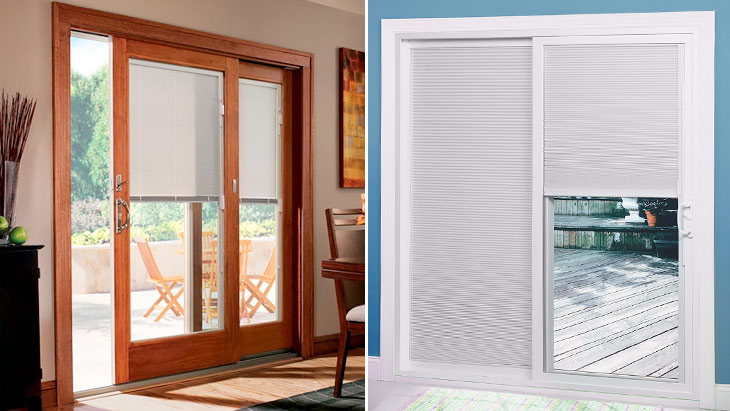
Modern patio doors often feature electronic controls for managing the built-in blinds. These systems can malfunction in various ways – remote controls might stop responding, motors could fail, or sensors might misinterpret commands. Battery issues are common, especially with wireless systems that rely on remote controls. Software glitches in motorized systems can occur, particularly with smart home integration. Some users find that their electronic controls work perfectly one day and then completely fail the next. These malfunctions often require professional diagnosis and repair rather than simple troubleshooting.
Installation and Alignment Issues
Problems can also stem from poor initial installation or subsequent misalignment. If the blinds weren't properly calibrated during installation, they may not operate correctly from the start. Misalignment between the blind mechanism and the door frame can cause binding or improper closure. Sometimes, the installation process itself introduces issues that aren't immediately apparent. For instance, if the mounting hardware wasn't secured properly, vibrations from wind or daily use can cause components to shift over time. These issues often compound, leading to more serious problems down the road.
Maintenance Tips and Prevention Strategies
Prevention is always better than cure when it comes to built-in blinds. Regular cleaning removes dust and debris that can cause operational issues. Most manufacturers recommend monthly checks of the track systems and periodic lubrication of moving parts. Using appropriate cleaners that won't damage plastic or metal components is crucial. Seasonal maintenance becomes even more important – checking systems before winter and summer extremes. Keeping spare batteries handy for electronic controls ensures you won't be left helpless when your system fails. Simple adjustments like re-centering the blinds or resetting the control panel can resolve many temporary issues before they become major problems.
Dealing with patio doors featuring built-in blinds requires understanding both their benefits and limitations. While these systems offer unmatched convenience and aesthetics, they're not immune to the challenges that come with any mechanical device. By recognizing common problems early and implementing preventive measures, homeowners can enjoy the advantages these doors provide for years to come. Remember, some issues can be resolved with basic maintenance and DIY fixes, while others require professional attention. The key is staying alert to warning signs and addressing problems promptly. After all, your beautiful patio door should enhance your living space, not complicate your daily routine. With proper care and attention, those built-in blinds will continue to provide the perfect balance of light control and style that makes them so appealing in the first place.


