
In a world full of noise and constant activity, there's something deeply appealing about the idea of a peaceful retreat. For many homeowners, that sanctuary comes in the form of a sleeping porch - a special area designed for rest, relaxation, and quiet moments away from the hustle of daily life.
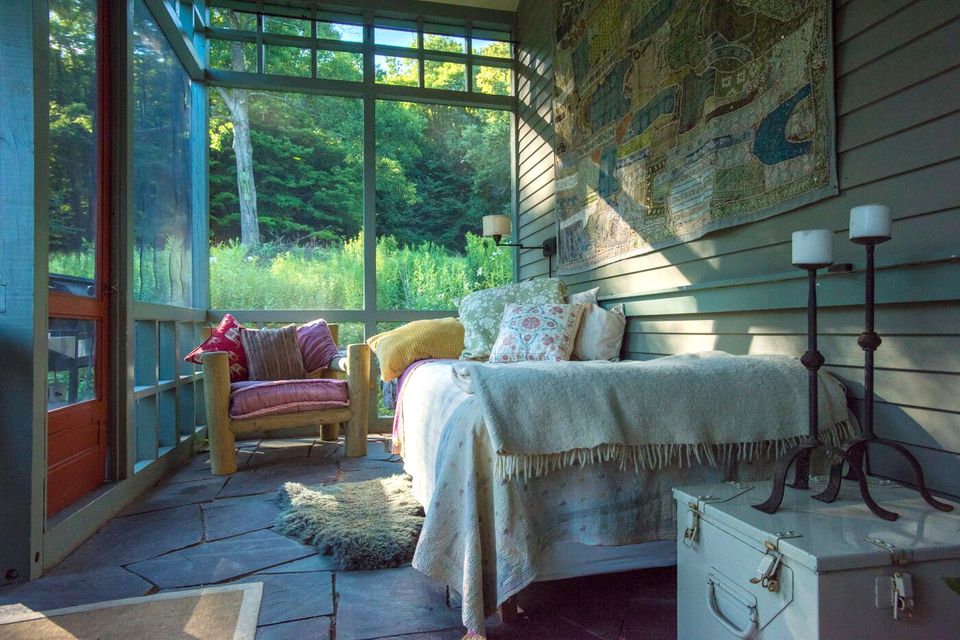
Picture this: a gentle breeze rustling through trees, soft morning light filtering through wooden slats, and the distant sound of birds chirping. You're sitting in a comfortable chair, maybe with a cup of tea, watching the world wake up around you. This isn't just a dream - it's the reality of what a sleeping porch can offer. These special outdoor spaces have been quietly transforming homes for decades, providing a unique blend of indoor comfort and outdoor serenity. But what exactly is a sleeping porch? How did it come to be, and why do so many people find such peace in these distinctive areas?
The Origins and History of Sleeping Porches
Sleeping porches aren't just a modern trend - they've been around for generations. The concept emerged primarily in the late 1800s and early 1900s, particularly popular in the American South and rural areas. During this time, people often built these spaces as a way to escape the heat inside their homes during summer months.
Think about it - in an era before air conditioning was common, families needed somewhere cool and comfortable to spend their evenings. The sleeping porch became that solution. Originally, they were simple structures, often attached to the main house with large windows and doors that could be opened wide.
These spaces served multiple purposes. They were places for family members to rest after dinner, for children to nap during hot afternoons, and sometimes even for guests to stay overnight. In some homes, they evolved into formal sleeping areas, complete with beds and furniture.
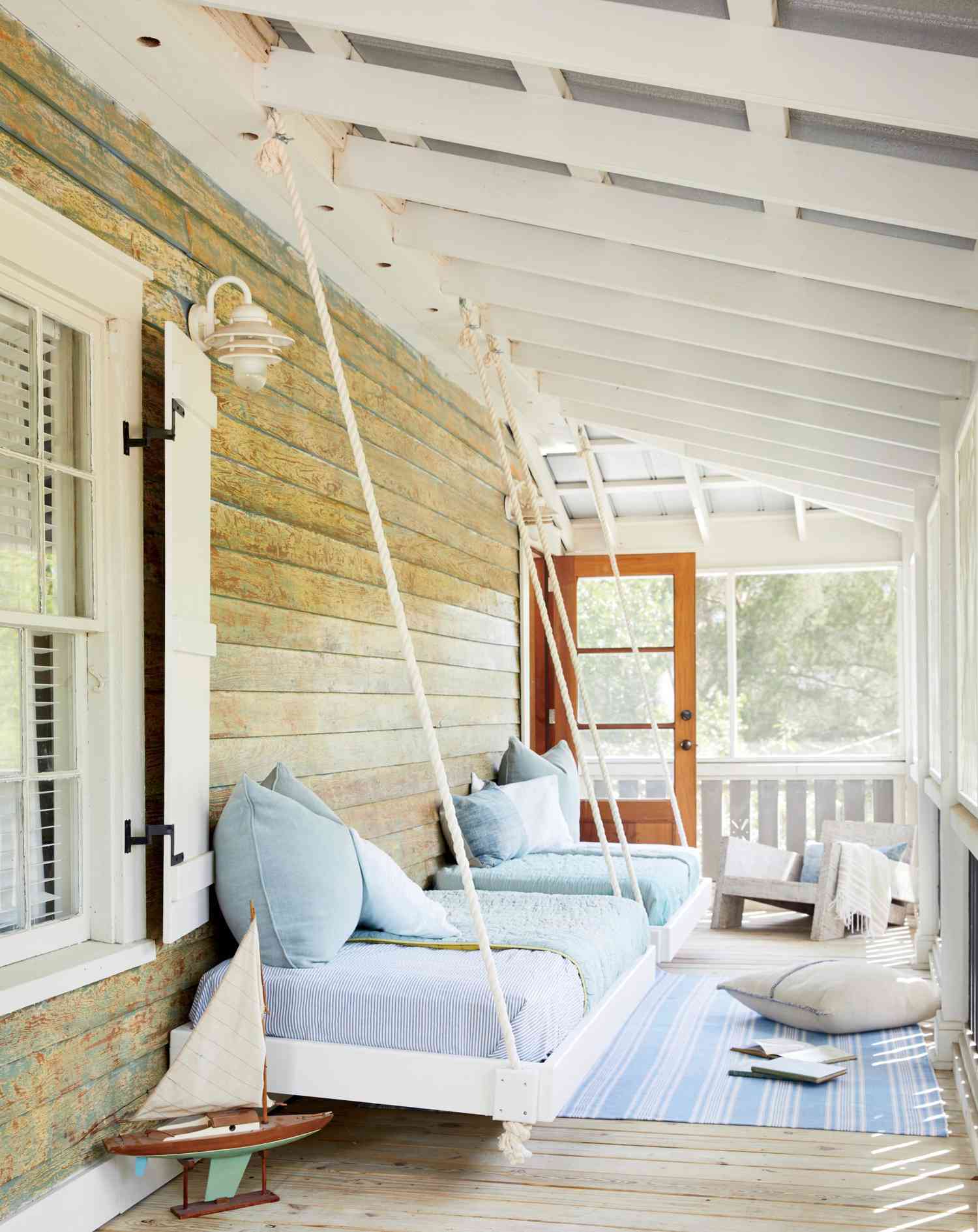
The architectural style varied widely. Some featured traditional colonial designs, others incorporated Victorian elements, and many had distinctive features like wraparound porches, decorative columns, or even small kitchens for preparing refreshments. The beauty of the sleeping porch lay in its versatility and the way it connected homeowners to their outdoor environment.
What Makes a Sleeping Porch Different
So what exactly sets a sleeping porch apart from other porch types? It's not just about having a place to sit and relax. There are several defining characteristics that make these spaces special:
One of the most interesting aspects is how they serve as a bridge between different parts of the house. While a front porch might be more about welcoming guests, and a back porch for casual activities, a sleeping porch creates a more intimate, personal space for quiet reflection and rest.
The term itself can vary slightly depending on the region. Some people call them sunrooms, while others refer to them as screened porches or even conservatories. But regardless of the name, the core idea remains the same - creating a special place for peaceful moments.
Benefits of Having a Sleeping Porch
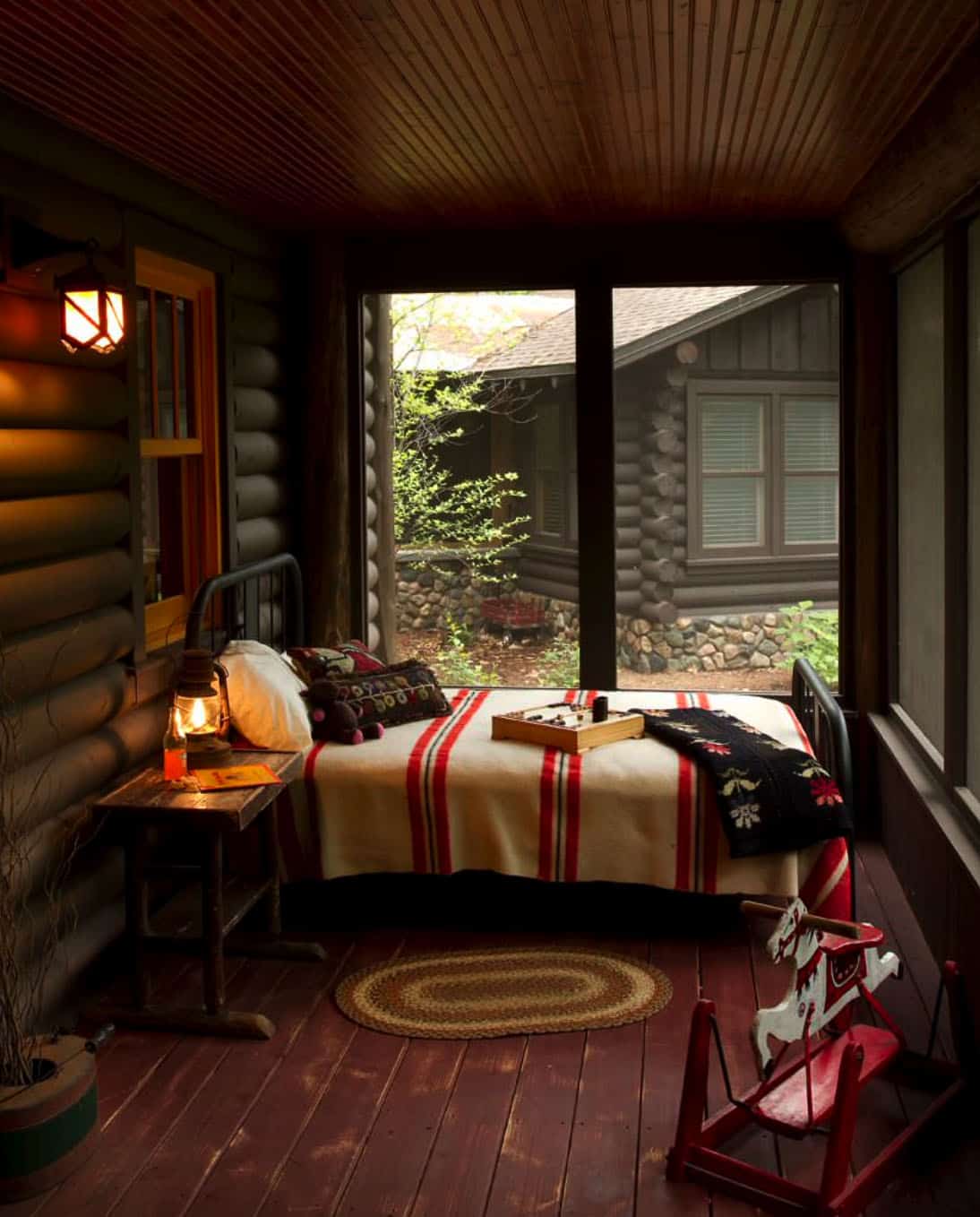
There are numerous advantages to incorporating a sleeping porch into your home. Let's take a closer look at what makes these spaces so appealing:
Consider the impact on family dynamics too. When everyone has their own peaceful retreat, it can reduce conflicts over shared spaces and provide much-needed solitude. Parents might find it helpful to have a quiet corner for themselves while children nap, and couples might enjoy having separate spaces for relaxation.
Many homeowners also appreciate how sleeping porches can extend their usable living space without requiring major construction. It's like having an extra room that doesn't cost the earth to build.
Design Considerations and Planning
Creating the perfect sleeping porch requires thoughtful planning and consideration of several factors. Here's what you'll want to keep in mind:
Location matters: Choose a spot that gets good natural light but isn't directly exposed to harsh afternoon sun. Think about wind patterns and how they might affect comfort.
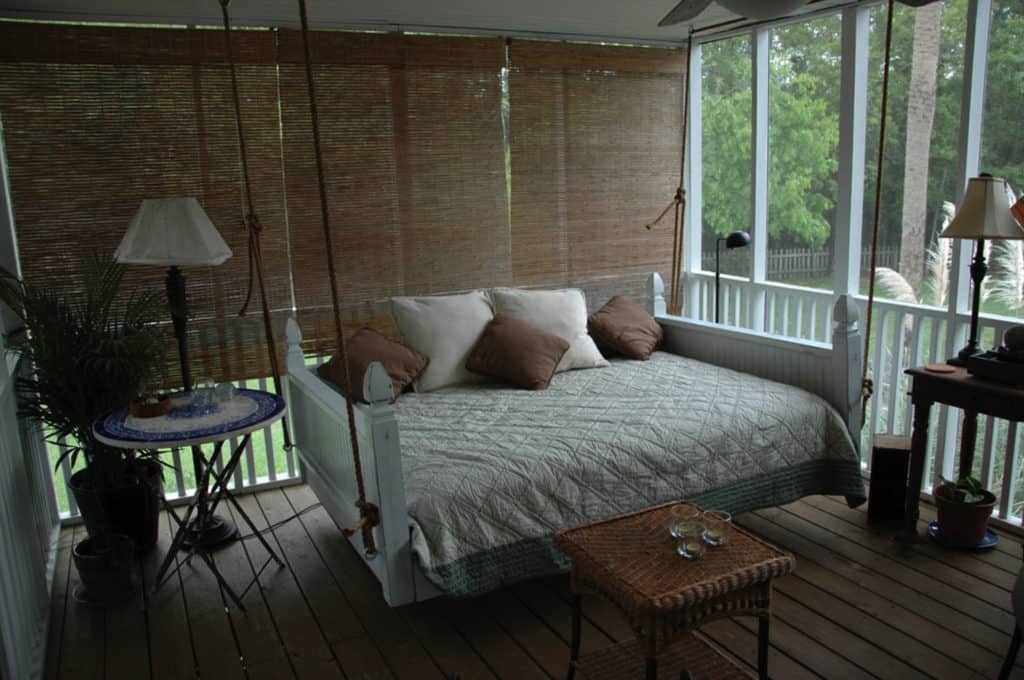
Climate adaptation: If you live in a hot climate, focus on shade and ventilation. In cooler areas, consider heating options and insulation.
Materials selection: Choose weather-resistant materials that will stand up to various conditions. Wood, metal, and composite materials each offer different benefits.
Lighting and ambiance: Plan for both natural and artificial lighting. String lights, lanterns, or soft lamps can create the right mood for relaxation.
Furniture selection: Comfortable seating is essential. Look for pieces that can handle outdoor conditions and provide good support. Consider the size carefully - you want enough space for movement but not so much that it feels empty.
Privacy elements: Depending on your needs, you might want screens, curtains, or plantings to create a sense of seclusion.
The key is balancing aesthetics with function. A beautiful sleeping porch that's uncomfortable or impractical won't fulfill its purpose.
Practical Uses and Lifestyle Integration
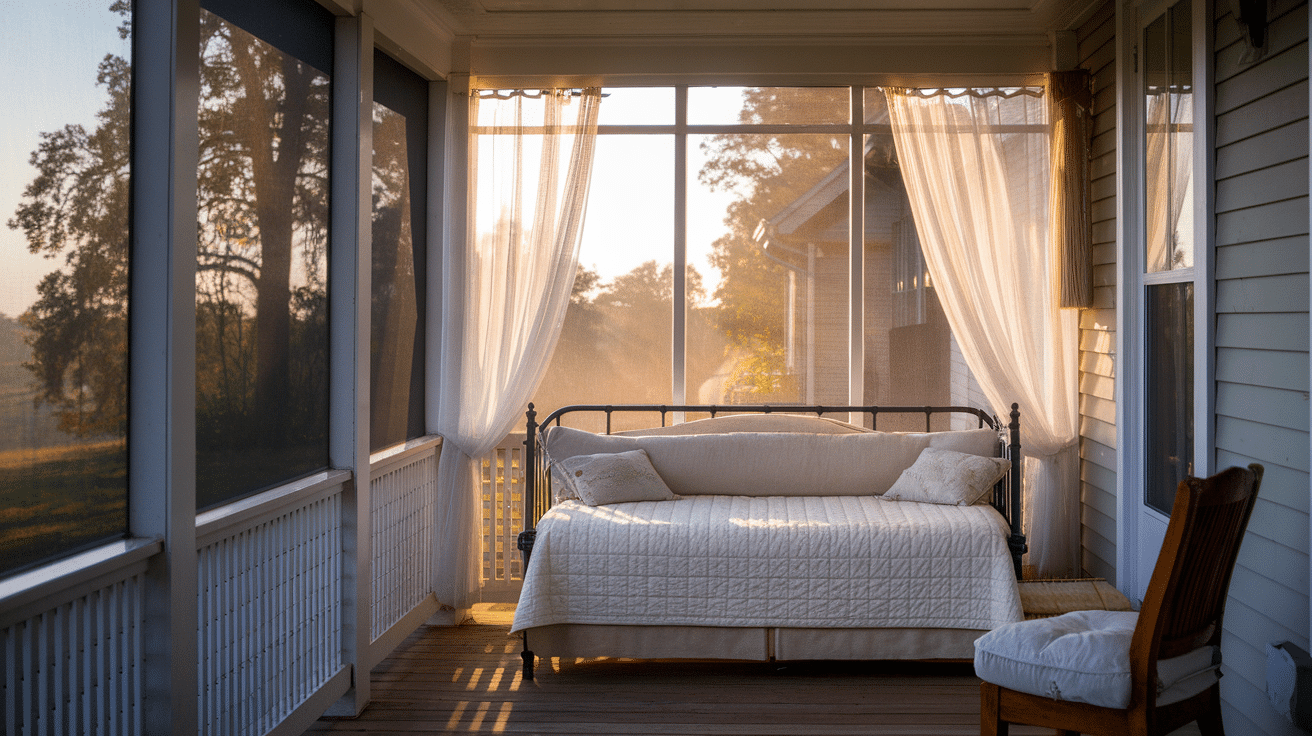
Modern sleeping porches have evolved far beyond their original purpose. Today, people use them in creative and varied ways:
The flexibility really shines when you consider how different people use these spaces. A retired couple might enjoy evening conversations, while a young family could use it for naps and quiet play. A professional might find it perfect for focused work sessions, and a creative person might use it for sketching or writing.
One fascinating trend is the growing popularity of sleeping porches in urban environments. Even in smaller homes, people are finding ways to incorporate these concepts, whether through small balconies, sunrooms, or converted garage spaces.
Maintenance and Longevity Tips
Like any part of your home, a sleeping porch requires proper care to last and remain enjoyable. Here are some essential maintenance tips:
Regular cleaning: Dust and debris can accumulate quickly, especially if you have screens or open areas. Clean regularly to prevent buildup.
Weather protection: Invest in covers for furniture and equipment when not in use. This extends their lifespan significantly.
Structural checks: Inspect regularly for signs of wear, rot, or damage from weather exposure.
Seasonal preparation: Before winter arrives, ensure all elements are properly protected or covered.
Lighting and electrical systems: Keep these updated and safe, especially if you plan to use them for evening activities.
Landscaping integration: The surrounding plants and gardens contribute to the overall feel and should be maintained to complement the porch space.
The investment in proper maintenance pays off in longevity and continued enjoyment. A well-cared-for sleeping porch can be a feature that lasts for decades, providing countless hours of peaceful relaxation.
Remember, the key to successful maintenance is consistency. Small regular efforts are much more effective than trying to do everything at once when problems arise.
A sleeping porch represents more than just a physical space - it's a philosophy of living that values peace, comfort, and connection with the natural world. Whether you're considering adding one to your existing home or simply curious about this unique architectural element, understanding what makes these spaces special helps appreciate their enduring appeal.
From their humble beginnings as practical solutions to modern-day wellness retreats, sleeping porches continue to evolve and adapt to changing lifestyles. They remind us that sometimes the simplest solutions - like creating a quiet corner for rest - can have the most profound impact on our daily lives.
The beauty lies in their versatility and the way they encourage us to slow down, breathe deeply, and appreciate the quiet moments that often get overlooked in our busy world. So whether you're planning to build one or just want to understand what makes these spaces so special, remember that at their heart, sleeping porches are about creating harmony between our inner peace and our outer environment. They're proof that sometimes the best additions to our homes are the ones that help us reconnect with ourselves and with nature.


