
Picture this: a sparkling backyard pool surrounded by lush greenery, with kids shrieking with joy as they zoom down a thrilling slide. It's not just a dream – it's a reality that many homeowners are turning into their backyard sanctuary. But before you start planning your aquatic adventure, there are several important factors to consider.
There's something magical about a backyard pool with a slide that brings families together and creates lasting memories. Whether you're thinking about adding one to your existing pool setup or starting fresh with a new installation, understanding all the ins and outs is crucial. From safety considerations to design choices, let's dive into what makes a backyard pool with slide truly special.
Safety First: Essential Considerations
When it comes to pool slides, safety isn't just a suggestion – it's absolutely vital. The first thing to understand is that every slide requires proper safety measures. This includes having adequate fencing around the entire pool area, which should be at least four feet high. Many states require pool fences to have self-closing and self-latching gates.
Consider the age range of your family members. Young children need extra supervision when using slides, and some slides are specifically designed for different age groups. For example, a 6-foot slide might be perfect for teenagers but could pose risks for toddlers. Always check manufacturer recommendations for weight limits and age restrictions.
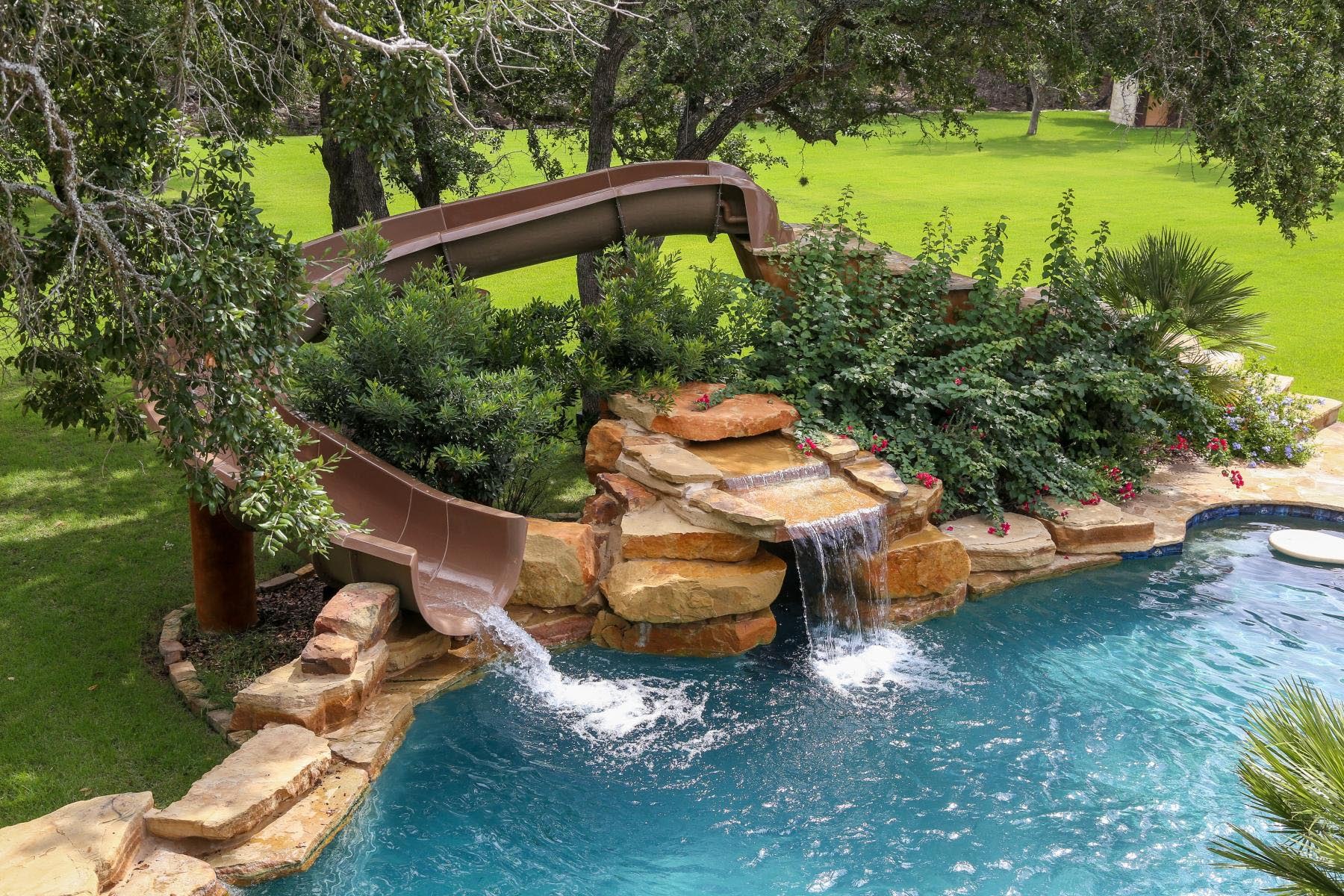
Another critical aspect is the pool deck surface. Non-slip materials are essential to prevent accidents when people exit the slide. Rubber mats or textured concrete work well, especially in areas where water is present.
Design Options and Layout Planning
The way you plan your pool layout can make or break your slide experience. You'll want to think about the space available in your yard, and whether you're building a new pool or adding a slide to an existing one.
Traditional pool shapes like rectangles and ovals work well with most slide designs. However, curved pools can add an exciting visual element and may even accommodate certain slide configurations better than straight lines.
Consider the placement of your slide carefully. It should be positioned where it won't interfere with other pool features like diving boards or pool steps. Also, make sure there's enough room for people to safely enter and exit the slide area.
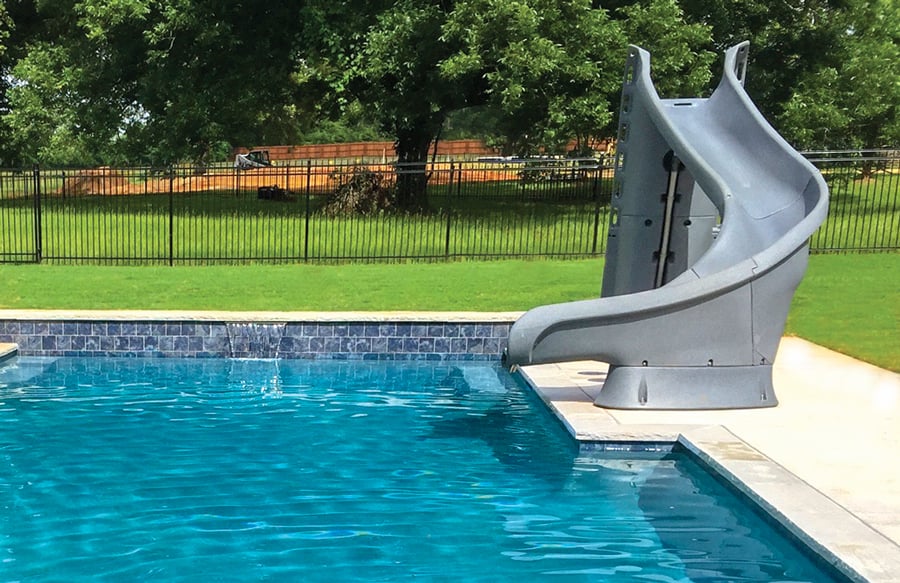
Some popular slide options include:
Types of Pool Slides Available
Pool slides come in various styles, each offering different experiences. Understanding the differences helps you choose what fits your needs best.
Standard slides are typically made of fiberglass or plastic and are relatively simple to install. They often feature a straight descent path and are ideal for families looking for basic fun.
Inflatable slides are becoming increasingly popular because they're portable and affordable. These can be easily moved from one location to another and are perfect for temporary setups or rental properties.
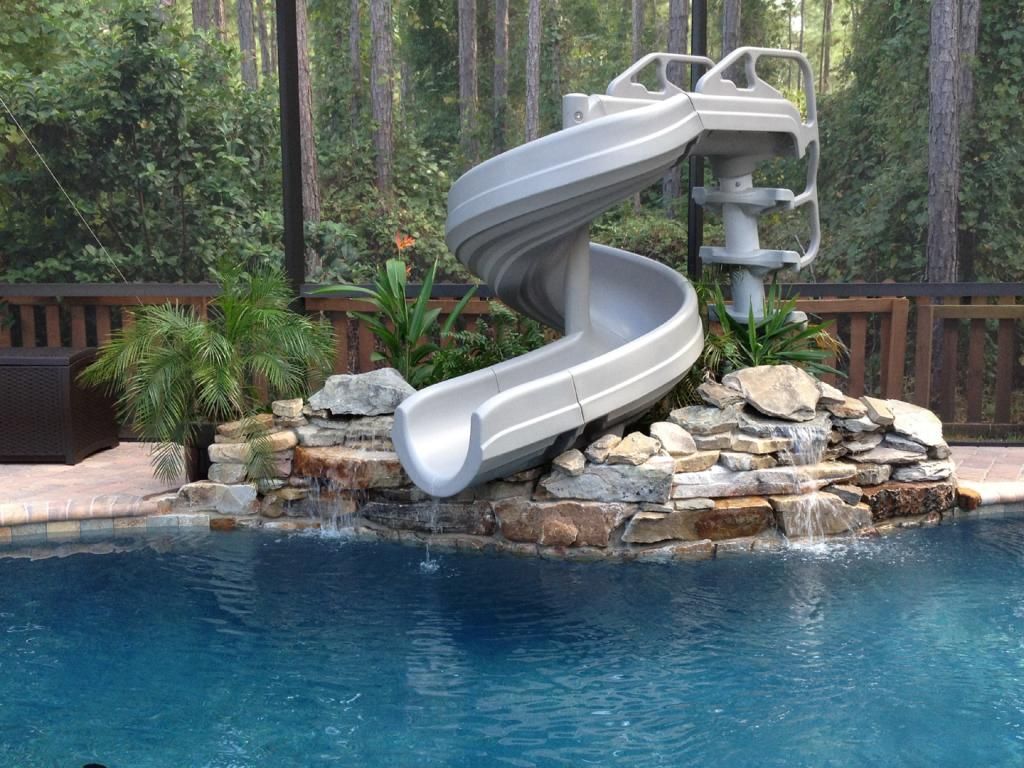
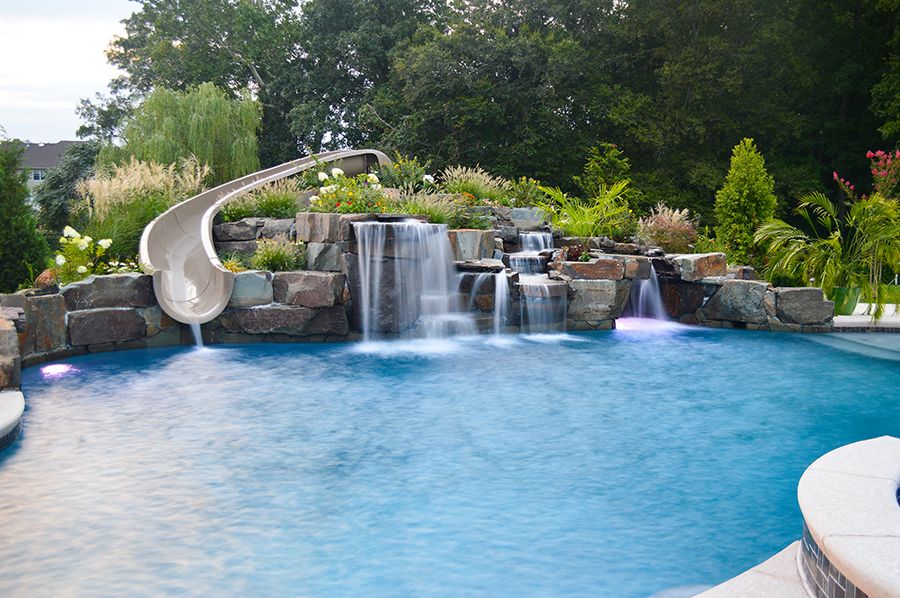
More elaborate options include multi-slide systems that can include features like waterfalls or splash zones. Some modern slides incorporate lighting for evening use, creating a spectacular show after sunset.
Custom slides allow for personalized designs that match your home's aesthetic. These can be built to specific dimensions and include unique elements like themed decorations or integrated water features.
Installation Process and Requirements
Installing a pool slide involves several steps that require careful attention to detail. Before beginning any work, always check local building codes and obtain necessary permits. Many municipalities have strict regulations regarding pool installations, especially those involving water features.
The foundation is critical for any slide installation. Proper concrete footings must support the slide structure adequately. If you're adding a slide to an existing pool, ensure the pool walls can handle the additional stress.
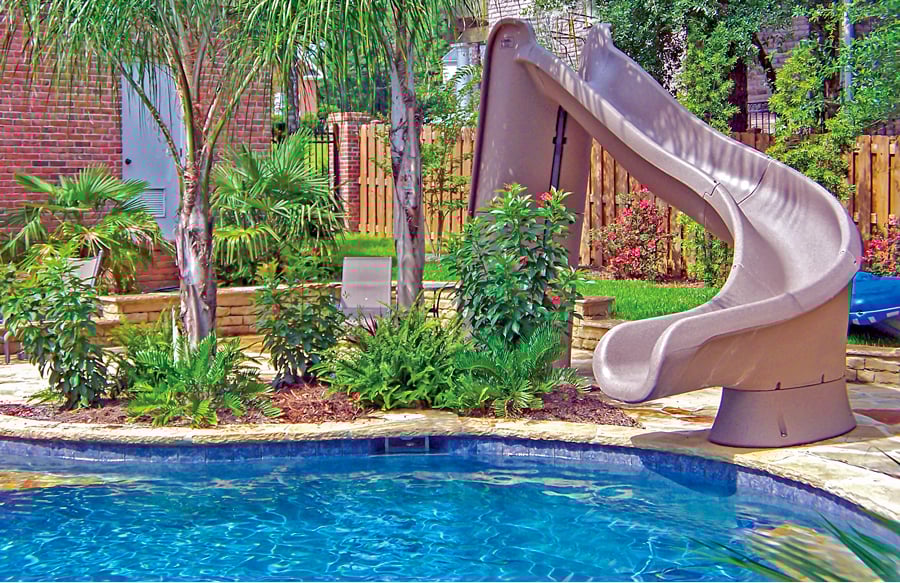
Professional installation is often recommended, particularly for complex slide systems. Experienced technicians understand how to properly secure slides and ensure they meet safety standards. DIY installation might save money but can lead to problems if not done correctly.
Water connection requirements vary depending on the slide type. Some slides require direct water supply connections to maintain proper flow, while others rely on gravity-fed systems. Always follow manufacturer instructions for water connections and drainage.
Maintenance and Care Tips
A well-maintained slide keeps everyone safe and happy for years. Regular cleaning prevents mold and mildew buildup, which can be both unsightly and dangerous.
Monthly inspections should include checking for cracks, loose fittings, or wear on the slide surface. Any damage should be addressed immediately rather than waiting for a problem to worsen.
Winterizing is crucial if you live in a climate with freezing temperatures. Slides made of certain materials can crack during cold weather, so proper storage or protection is essential.
Keep the slide area clean and dry when not in use. This prevents slip hazards and reduces maintenance needs. Consider installing a small drainage system to prevent water accumulation.
Some slides benefit from periodic lubrication of moving parts, though this varies by model and manufacturer specifications.
Cost Considerations and Budget Planning
Pool slides range widely in price, from budget-friendly options to premium custom installations. Understanding the total costs involved helps avoid surprises later.
Basic fiberglass slides typically cost between $500-$2,000, while more elaborate systems can reach $5,000-$10,000. Installation costs add another $300-$1,500 depending on complexity and whether professional help is required.
Additional expenses include permits, which can range from $50-$200 depending on your location. Other considerations include fencing requirements, electrical work for lighting, and landscaping improvements.
Think about ongoing costs too. Maintenance supplies, seasonal preparation, and potential repairs all factor into your total investment. Some slides require annual professional inspections, adding to long-term expenses.
Budget wisely by considering your family's needs and usage patterns. A slide that's rarely used might not justify the higher cost compared to simpler alternatives.
Adding a slide to your backyard pool can transform ordinary swimming into extraordinary fun. Whether you're planning a complete pool renovation or simply adding a new feature, thoughtful planning ensures safety and enjoyment for everyone. Remember that proper installation, regular maintenance, and adherence to local regulations are key to success. With the right approach, your backyard pool with slide becomes a centerpiece of family gatherings and summer adventures. The investment in quality equipment and professional installation pays off in countless hours of safe, memorable fun. So take your time, do your research, and enjoy the process of creating your aquatic paradise.


