
Have you ever wondered how many square feet are in a cubic yard? This question pops up more often than you might think, especially when planning projects that involve soil, concrete, or landscaping. It's one of those handy conversions that can save you time, money, and a lot of confusion. Whether you're a homeowner tackling a DIY project or a professional contractor, understanding this relationship between volume and area measurements is crucial.
When you're working on construction, gardening, or any project that involves measuring materials, you'll quickly discover that different measurements serve different purposes. You might measure the area of your garden in square feet, but when it comes to buying materials like mulch or concrete, you'll often see quantities listed in cubic yards. This is where the confusion starts - how do you bridge the gap between these two measurements? The answer lies in understanding that while cubic yards measure volume and square feet measure area, they're connected in very practical ways. Let's explore exactly how many square feet are in a cubic yard and why this matters for your projects.
What Exactly Is a Cubic Yard?
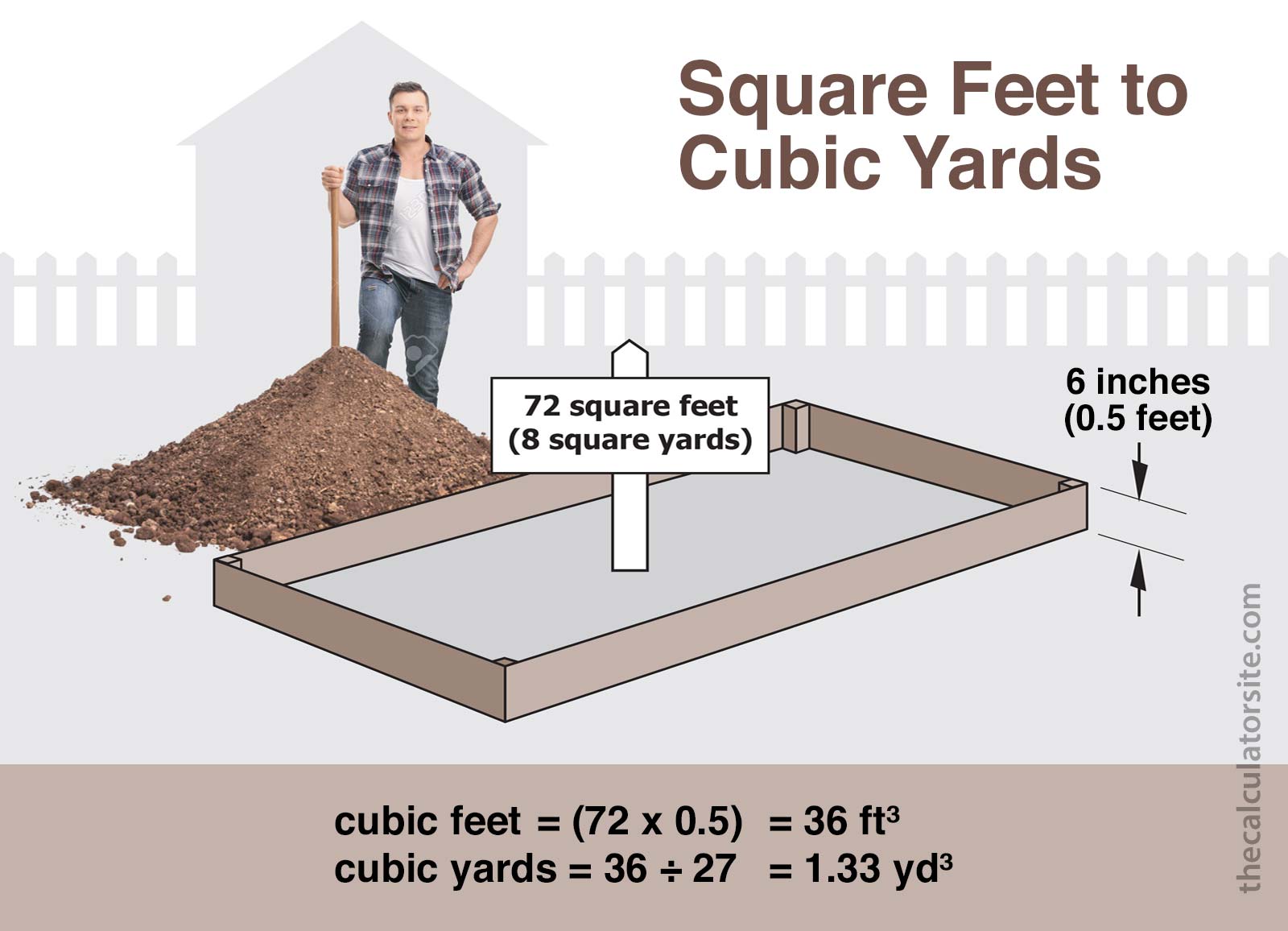
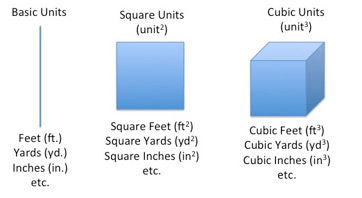
A cubic yard is a unit of measurement used primarily in the United States and Canada for measuring large volumes of materials. Think of it as a cube that's one yard long, one yard wide, and one yard tall. That's quite a space! One cubic yard equals 27 cubic feet because a yard is three feet, and 3 x 3 x 3 = 27. This measurement is particularly common when purchasing bulk materials like sand, gravel, concrete, or topsoil. When you're ordering these materials, you're usually paying for them based on cubic yards, but you need to understand how that relates to the actual area you'll cover. For example, if you're spreading mulch across your garden, knowing how much area one cubic yard will cover helps you buy just the right amount.
Breaking Down Square Feet
Square feet represent area, not volume. When we talk about square feet, we're measuring a flat surface - like the floor of a room or the ground in your backyard. It's simply length times width, measured in feet. So a 10-foot by 10-foot area equals 100 square feet. This is the measurement you'd use when calculating carpeting needs, painting areas, or determining how much grass seed you need for a lawn. Understanding square feet is fundamental to home improvement projects, but it becomes even more important when you're trying to figure out how much material you need to cover a certain area. The relationship between square feet and cubic yards isn't always obvious, but once you get the hang of it, it makes perfect sense.
The Mathematical Connection
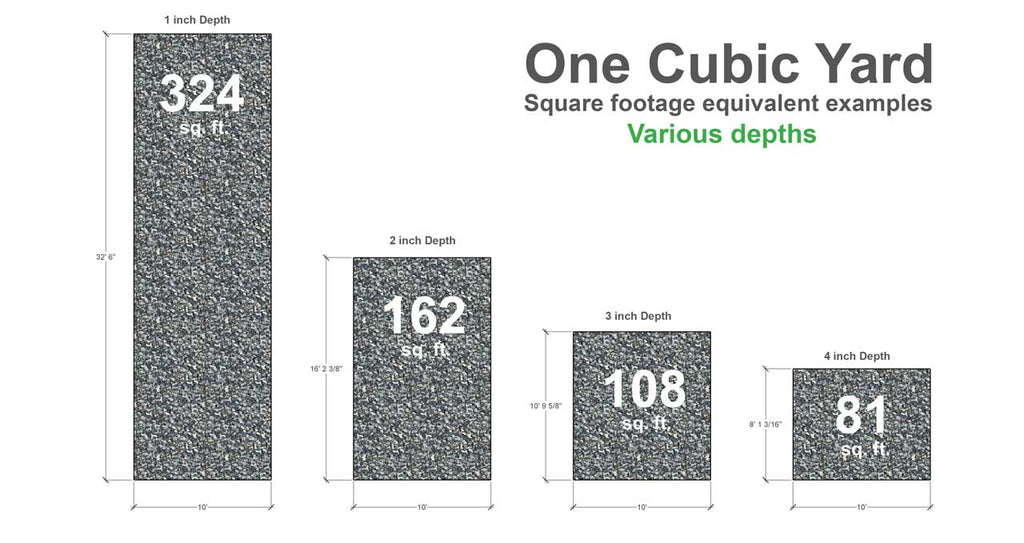
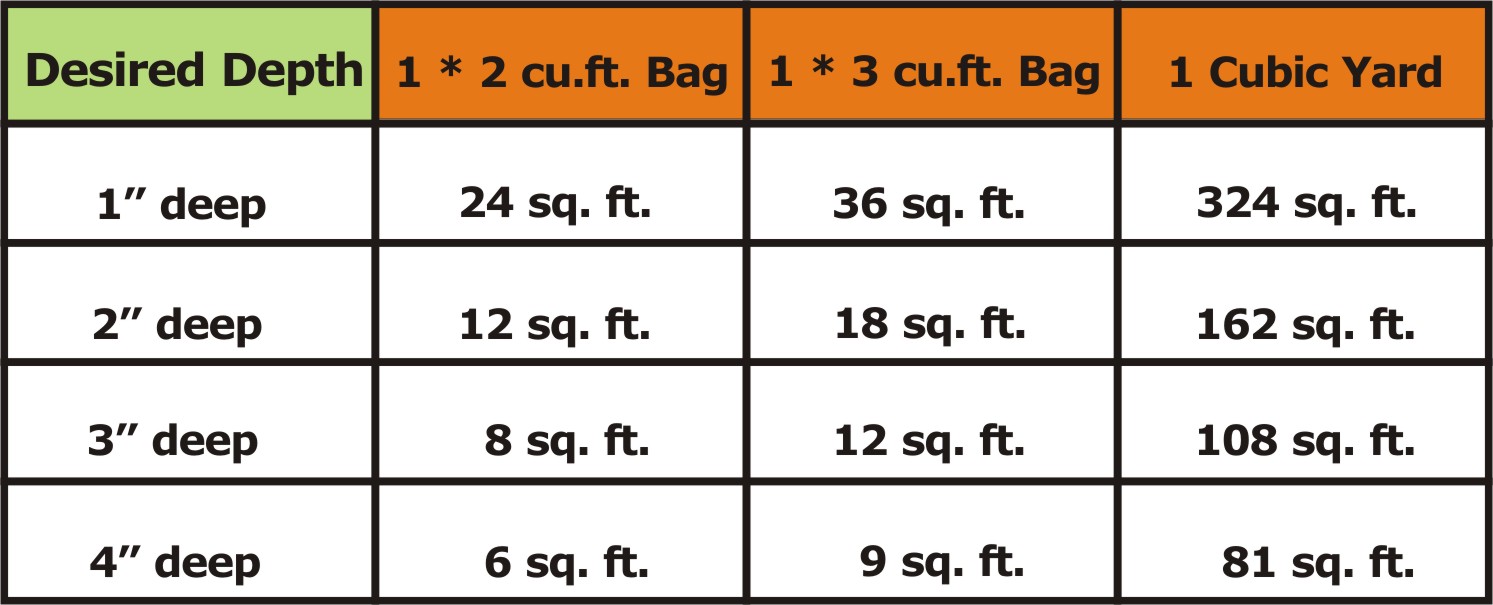
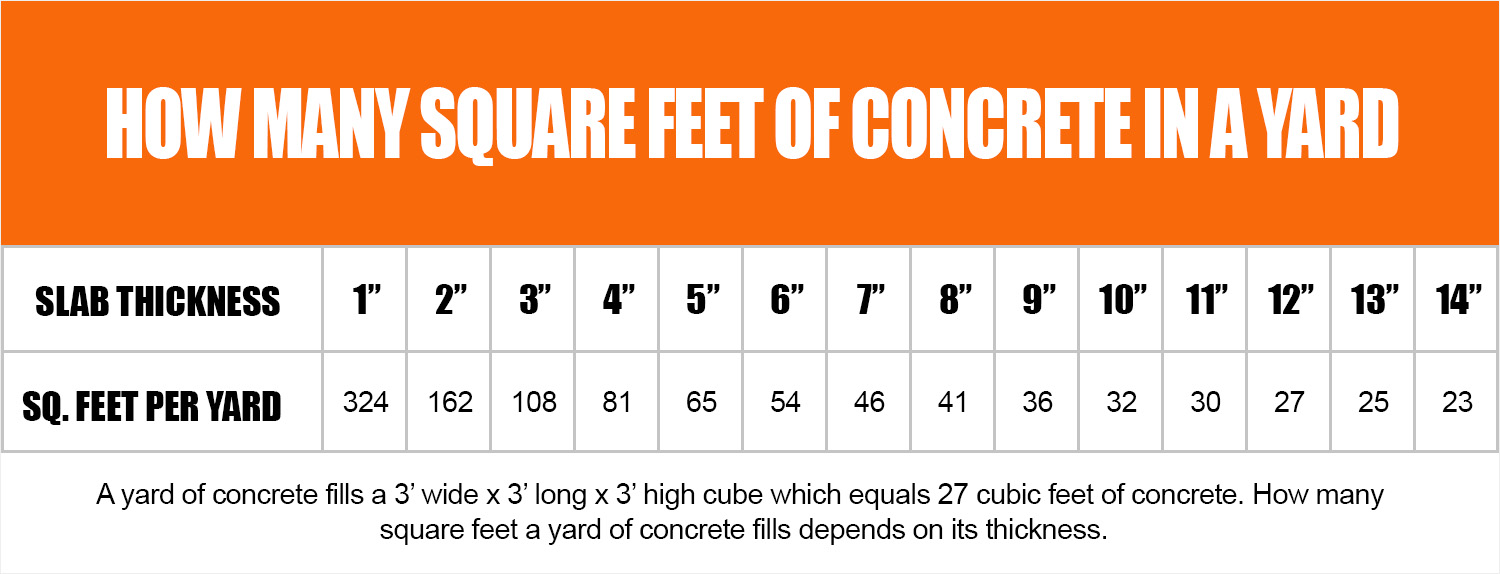
Here's where it gets interesting. While a cubic yard measures volume and square feet measure area, there's a direct relationship when you consider depth. If you have a cubic yard of material and want to spread it evenly across a surface, the depth determines how much area it covers. For instance, if you spread one cubic yard of mulch at a depth of 2 inches, it covers approximately 162 square feet. But if you spread it at 4 inches deep, it covers only about 81 square feet. This relationship changes depending on how thick you want to apply the material. To calculate this, you need to know that one cubic yard contains 27 cubic feet, and then divide by the depth in feet. So if you're spreading at 2 inches deep, that's 2/12 or 0.167 feet. Dividing 27 by 0.167 gives you roughly 162 square feet.
Practical Applications in Real Life
Let's say you're planning to lay a new concrete patio that's 10 feet by 12 feet and you want it to be 4 inches thick. First, you need to calculate the volume in cubic yards. The area is 120 square feet, and at 4 inches deep, that's 0.33 feet. Multiply 120 by 0.33 to get about 40 cubic feet. Since one cubic yard equals 27 cubic feet, you'll need roughly 1.5 cubic yards of concrete. This kind of calculation helps you avoid overbuying materials and saves you money. Similarly, if you're filling a flower bed that's 20 feet long and 6 feet wide with 3 inches of mulch, you can determine that you'll need about 1.5 cubic yards of mulch. These calculations become second nature once you practice them regularly.
Common Conversion Scenarios
Here are some frequently encountered situations where this conversion proves useful:
Each scenario requires a slightly different approach, but the underlying principle remains the same. The key is understanding that you're converting from a three-dimensional measurement to a two-dimensional coverage area, taking depth into account.
Quick Reference and Tips
Here are some helpful shortcuts and reminders:
These tips can save you from costly mistakes and ensure you have exactly what you need for your project. Sometimes, it's better to have a little extra than to run short on materials.
Avoiding Common Mistakes
Many people trip up on this conversion because they forget that cubic yards measure volume while square feet measure area. Here are some frequent errors to watch out for:
The last point is especially important. Different materials have different densities and compaction rates, which affects how much area they'll actually cover. Always check manufacturer specifications when possible, or err on the side of caution when ordering materials.
Tools and Resources
There are several helpful tools available to make these calculations easier:
Don't underestimate the power of good old-fashioned pencil and paper for keeping track of your measurements. Some people prefer to write out their calculations step by step to avoid errors. Whatever method works best for you, consistency is key.
Making It Work for You
Mastering this conversion opens up a world of possibilities for planning projects more efficiently. Whether you're a seasoned professional or someone who enjoys weekend DIY projects, understanding how cubic yards relate to square feet makes you more confident in your material estimates. It prevents wastage, reduces costs, and ensures you have enough material to complete your job properly. Think about it this way: instead of guessing or buying too much, you can calculate precisely what you need. That's the kind of knowledge that makes projects go smoother and saves both time and money.
Final Thoughts on Volume and Area
The relationship between cubic yards and square feet might seem tricky at first, but it's really just about understanding how volume translates to area when you factor in depth. It's one of those concepts that seems simple once you get it, but can cause headaches until you figure it out. The key is to remember that you're essentially asking: 'How far can I spread this material?' That question turns into a mathematical problem that becomes straightforward with practice. Whether you're laying bricks, pouring concrete, or spreading mulch, this knowledge empowers you to make smart decisions about materials and budget. It's a skill worth developing, whether you're a casual DIY enthusiast or a professional contractor.
Understanding how many square feet are in a cubic yard isn't just about memorizing a number - it's about gaining practical knowledge that makes real-world projects easier to plan and execute. This conversion bridges the gap between volume and area measurements, helping you make smarter choices about materials and costs. From small garden projects to large construction jobs, this skill proves invaluable. The next time you're faced with a project involving bulk materials, remember that 1 cubic yard is roughly equivalent to 100-120 square feet at a standard depth of 2-3 inches. With practice, you'll find yourself calculating these conversions instinctively, saving time, money, and ensuring your projects turn out just right. The beauty of this knowledge is that it's something you can carry with you wherever you go, making every project a bit more manageable and successful.


