
Picture this: you're curled up with a good book, sunlight streaming through large windows, the gentle sound of birds outside, and the warmth of your home wrapping around you. That's what a converted sunroom can bring to your life. It's not just about adding square footage – it's about creating a space that feels like a sanctuary, a place where you want to spend time.
If you've ever stood in your screened porch and wondered what it would be like to have a year-round living space that connects you to the outdoors while keeping you comfortable, you're not alone. Many homeowners find themselves in this exact spot, looking at their porch and thinking, 'This could be so much more.' The transformation from a simple screened porch to a fully functional sunroom isn't just a dream – it's achievable with the right approach and some thoughtful planning. This guide will walk you through everything you need to know to make that change happen.
Why Convert Your Screened Porch?
There are several compelling reasons why homeowners choose to convert their screened porches into sunrooms. First, let's talk about the obvious benefits. A sunroom adds significant value to your home. According to real estate experts, adding a sunroom can increase your property value by 5-10%. But beyond the financial gain, there are emotional and practical advantages that make this conversion worthwhile.
Consider how much you currently enjoy spending time in your porch. Maybe you've already found yourself sitting there during pleasant weather, watching the sunset, or enjoying morning coffee. A sunroom would extend that experience year-round. You'd have access to natural light, views of your garden, and a space that feels connected to both indoor and outdoor living.
The versatility of a sunroom is another major draw. It can serve as a breakfast nook, a reading room, a dining area, or even a quiet workspace. Unlike a traditional addition, a sunroom often retains the charm and openness of your existing porch while adding comfort and functionality.
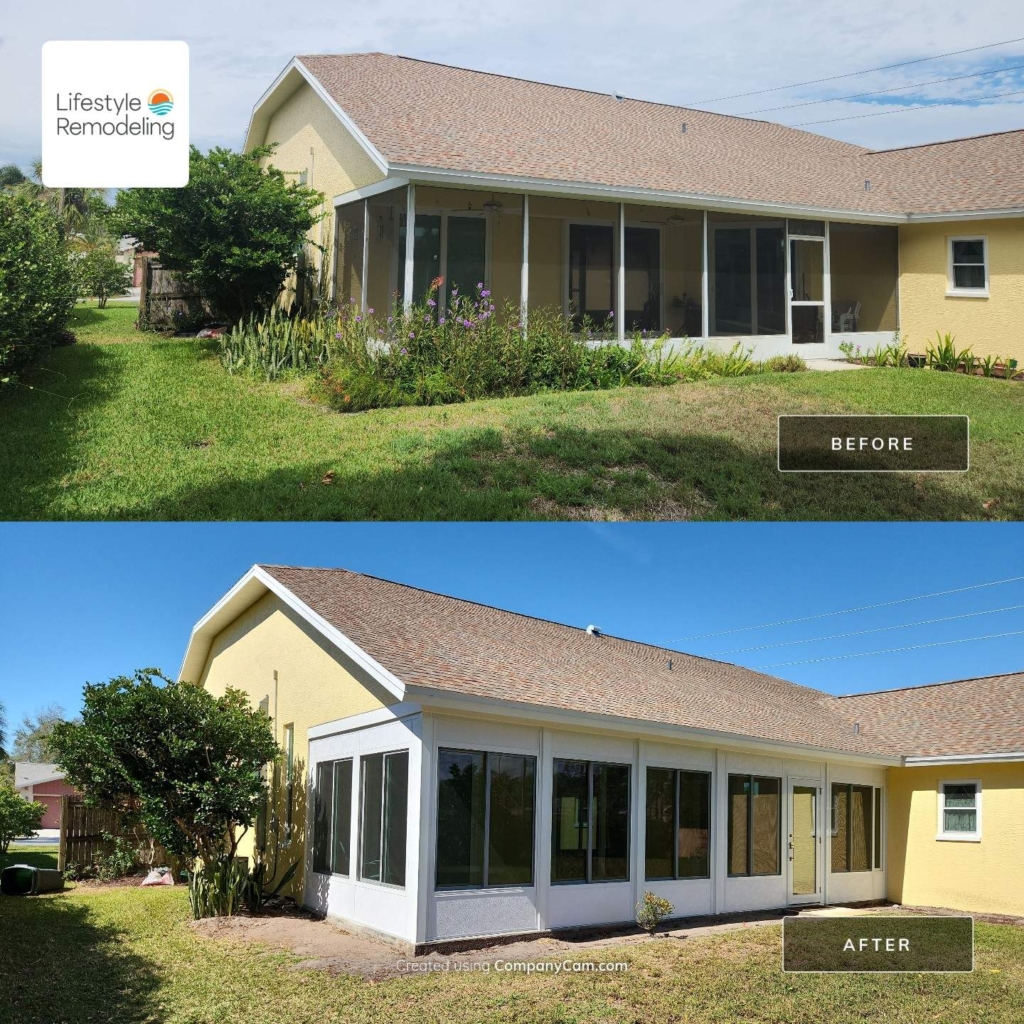
Assessing Your Current Space
Before diving into any renovation, you need to take a careful look at what you're working with. Start by examining the structure of your existing porch. Is it a standard rectangular design or does it have unique features like curved walls or unusual angles? These elements will impact how you plan the conversion.
Check the foundation and framing. Does it have proper support for additional weight? Are the structural elements sound? If you're unsure, consider hiring a professional to assess the condition of your porch's framework. They can tell you if it needs reinforcement before you begin.
Also examine the current screen material. While screens provide protection from insects, they don't offer the same insulation properties as glass or solid walls. You'll need to decide whether you want to keep some screen elements or replace them entirely.
Don't forget about utilities. Do you have electrical outlets nearby? How about plumbing connections? Understanding your existing infrastructure will save you money and headaches later in the process. If you need to add new wiring or plumbing, factor those costs into your budget early on.
Planning Your Design and Layout
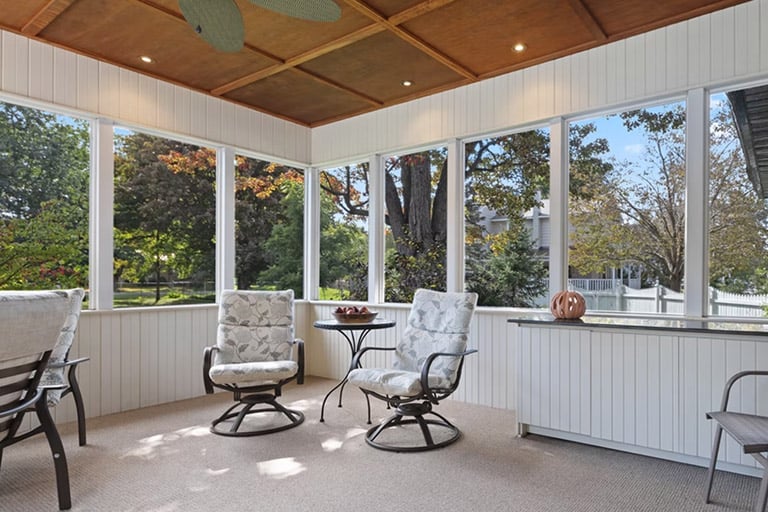
Designing your sunroom requires balancing aesthetics with practicality. Start by considering how you want to use the space. Will it be primarily for relaxation, entertaining guests, or maybe as a workspace? Your intended use will guide decisions about layout, furniture placement, and even lighting choices.
Think about the flow between spaces. If your porch connects directly to your main living areas, you might want to maintain that connection. Consider whether you want to keep the open feel or create a more defined room. Some homeowners prefer to maintain the porch's open-air character while others want a more enclosed feeling.
When it comes to windows, you have several options. You can install large picture windows, sliding doors, or a combination of both. Each choice affects the amount of natural light entering the room and how the space feels. For example, floor-to-ceiling windows can make a small porch feel larger and more open, while smaller windows might give you better control over privacy and temperature.
Another important consideration is the orientation of your sunroom. South-facing rooms receive the most sunlight, which is great for plants and a warm atmosphere. North-facing rooms get less direct light but may be cooler, making them ideal for reading or quiet activities. East-facing rooms catch beautiful morning light, while west-facing rooms can get quite hot in the afternoon.
Choosing the Right Materials
Selecting materials for your sunroom conversion is crucial because they'll affect everything from energy efficiency to maintenance requirements. Let's start with the most visible elements – windows and doors.

For windows, you have options ranging from basic vinyl frames to high-end aluminum or wood composite materials. Vinyl is affordable and low-maintenance, while wood offers a classic look but requires more upkeep. Aluminum frames are durable and resistant to warping, making them ideal for humid climates.
If you're replacing your existing screens, think about the type of glass you want. Single-pane glass provides basic protection but won't insulate well. Double-pane glass offers better thermal performance, reducing heating and cooling costs. Tempered glass is safer and more durable than regular glass, making it a good choice for areas where safety is a concern.
The flooring is another critical element. You'll want something that's both attractive and practical. Tile works well in sunrooms because it's moisture-resistant and easy to clean. Hardwood floors can be beautiful but require more care in humid conditions. For a more casual feel, consider outdoor-rated carpeting or rugs that can handle temperature changes.
Wall treatments depend on your desired aesthetic and budget. You could go with painted drywall for a clean, modern look, or choose paneling for a cozier feel. If you want to maintain some of the porch's rustic appeal, leaving certain walls unfinished or using materials like wainscoting can add character.
Structural Considerations and Permits
Converting a screened porch into a sunroom involves more than just changing window treatments. Structural modifications are often necessary, especially if you're adding new walls, changing the roof, or altering load-bearing elements.
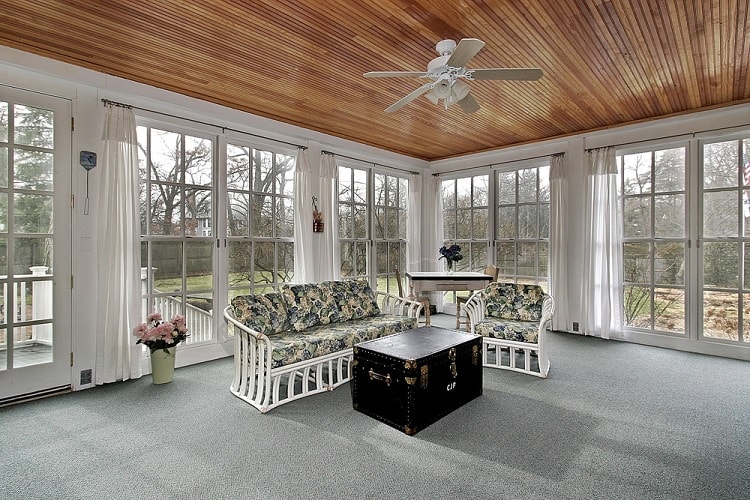
One of the first things you'll need to do is check local building codes and regulations. Many cities require permits for structural changes, particularly when they involve altering the exterior of your home or adding new windows and doors. Some areas also have restrictions on how much of your porch can be enclosed, so research these rules carefully.
If you're planning to add substantial walls or a new roof, you'll likely need to work with a structural engineer. They can evaluate whether your existing framework can support the new additions and recommend any necessary reinforcements. This step is essential for ensuring safety and preventing future problems.
Don't overlook the importance of proper ventilation. Even though you're creating a more enclosed space, air circulation is still important for comfort and preventing moisture buildup. Consider installing exhaust fans or vents in strategic locations. Cross-ventilation through multiple windows can also help keep the space comfortable.
Heating and cooling systems deserve special attention too. While many sunrooms benefit from natural heating through solar gain, you'll probably want supplemental heating for winter months and cooling for summer. A mini-split system or ductless unit can provide efficient climate control without requiring major modifications to your existing HVAC setup.
Budget and Timeline Considerations
The cost of converting a screened porch to a sunroom varies significantly based on several factors. Size of the space, materials chosen, complexity of the project, and whether you hire professionals all influence the final price tag.
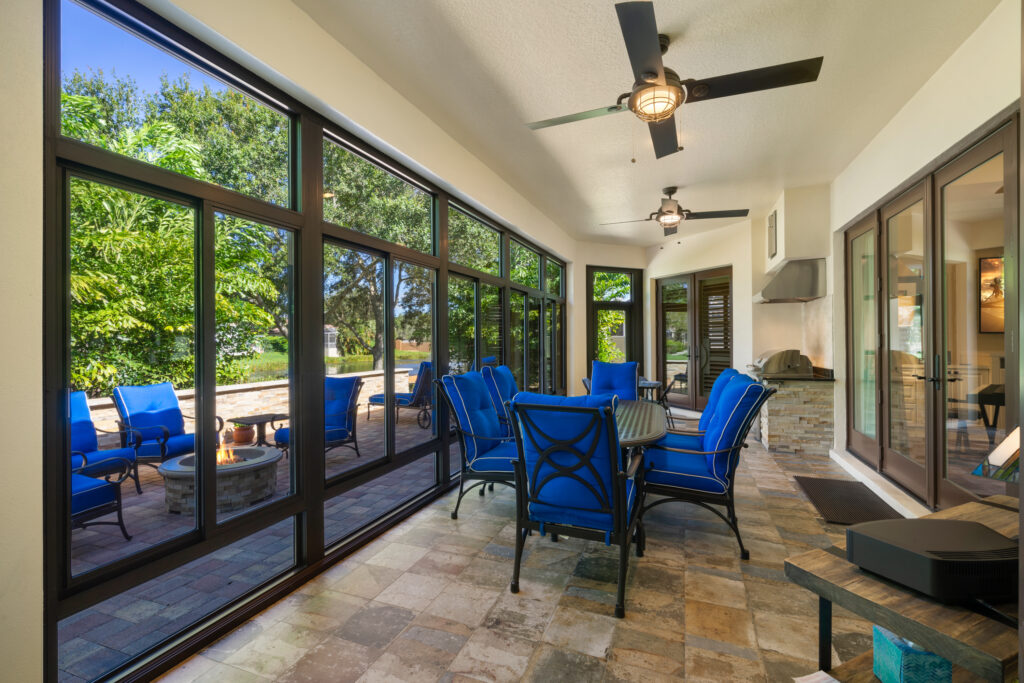
A basic conversion might cost anywhere from $15,000 to $40,000, depending on your location and the extent of changes. More elaborate projects with premium materials, custom features, and extensive renovations can easily reach $60,000 or more.
When budgeting, remember to account for unexpected expenses. These might include structural repairs, utility upgrades, or changes in building codes that weren't initially considered. It's wise to set aside 10-20% of your total budget for contingencies.
Timeline-wise, expect the entire project to take 4-8 weeks from start to finish. This includes planning, obtaining permits, material delivery, construction, and final touches. Weather can impact scheduling, especially if you're working with outdoor elements like roofing or siding.
Consider timing your project strategically. Spring and fall tend to offer the best weather conditions for construction work, while winter months might cause delays due to freezing temperatures or snow. Also, keep in mind that larger projects might need to be scheduled during off-peak seasons when contractors have more availability.
It's worth noting that doing some of the work yourself can save money, but only if you have the skills and time available. Simple tasks like painting or installing basic fixtures might be manageable for DIY enthusiasts, but structural changes and electrical work typically require professional expertise.
Converting your screened porch into a sunroom represents more than just a home improvement project – it's an investment in your quality of life. By taking the time to properly assess your space, plan thoughtfully, and choose appropriate materials, you can create a beautiful, functional room that enhances your daily experiences.
Whether you're seeking a quiet retreat, a space for entertaining, or simply more usable square footage, a well-executed sunroom conversion can deliver exactly that. The key is approaching the project with realistic expectations, adequate preparation, and respect for both the structural integrity of your home and the building codes that protect everyone.
Remember that this journey doesn't end when the construction is complete. Once your sunroom is finished, it's important to maintain it properly. Regular cleaning, checking for wear on windows and doors, and ensuring all systems function correctly will keep your investment looking and performing its best for years to come. With proper care, your new sunroom will become one of the most treasured spaces in your home, offering comfort and beauty whenever you need it.


