
Picture this: You're cozying up for the evening, flicking on your gas fireplace, and suddenly it just... stops. No flames, no warmth, just silence. It's frustrating, right? But before you start calling a technician, let's explore why this happens and how to prevent it.
There's something deeply satisfying about lighting a gas fireplace on a cold night. The gentle crackle, the warm glow, the way it fills your living space with comfort. But what happens when that cozy moment turns into a mystery? When your gas fireplace decides to turn itself off without warning? It's more common than you might think, and there are usually simple explanations behind it. Whether you've just moved into a new home or have been enjoying your fireplace for years, understanding what causes these unexpected shutdowns can save you time, money, and frustration.
Common Causes of Automatic Shutdowns
When a gas fireplace shuts off by itself, several factors could be at play. Let's break down the most frequent culprits:
The Role of Flame Sensors
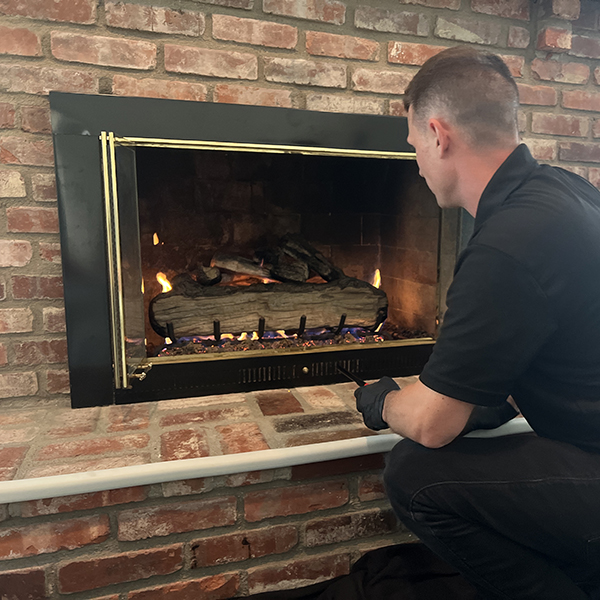
Think of the flame sensor like the eyes of your fireplace. It's responsible for detecting if a flame is actually burning and sending signals to keep the gas flowing. Over time, these sensors can accumulate dust, debris, or even mineral deposits from your gas supply.
"What happens is the sensor gets coated and can't properly detect the flame," explains a veteran technician. "It's like trying to see in the dark when your glasses are covered in grime."
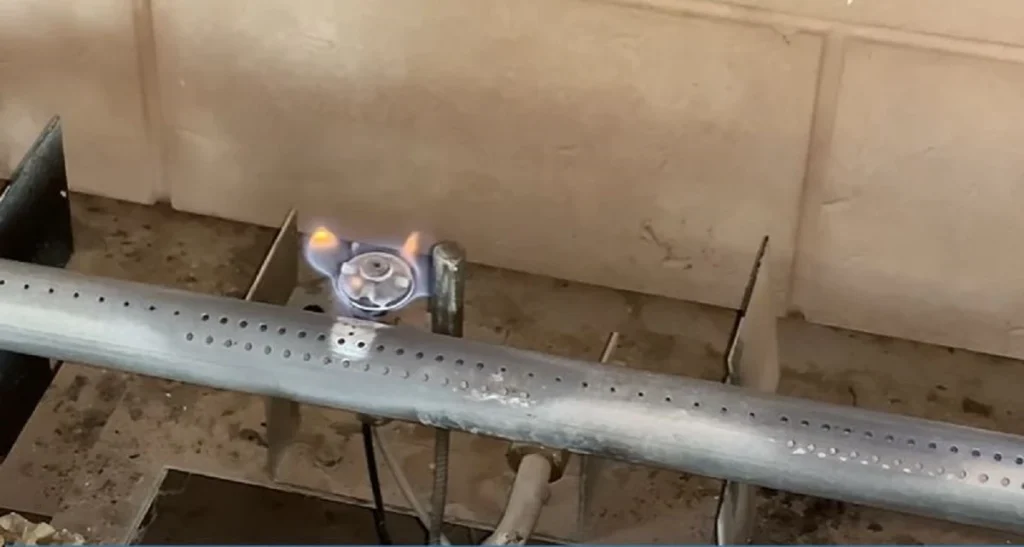
Cleaning your flame sensor is one of the simplest fixes you can try. Usually located near the burner assembly, it looks like a small metal probe. Gently clean it with a soft brush or cloth. If cleaning doesn't solve the problem, the sensor might need replacement.
Many homeowners report that after cleaning their flame sensor, their fireplace works perfectly for months. It's a quick check that's worth doing regularly.
Understanding Thermostat Functionality
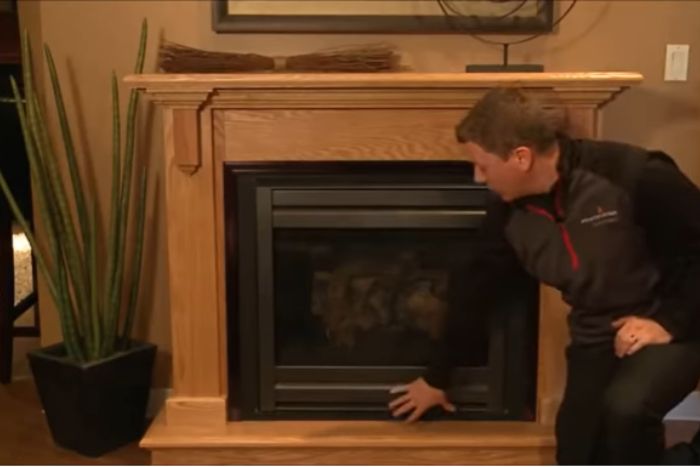
Modern gas fireplaces often feature digital thermostats that allow precise temperature control. However, these systems aren't infallible. Sometimes they misread the room temperature or respond to changes in air circulation.
"I had a customer who thought their fireplace was broken," says another technician. "Turned out the thermostat was set to 75 degrees and the room was already at 76. It shut off because it thought the room was already warm enough."
Check your thermostat settings first. Make sure it's set to a reasonable temperature and that it's not being affected by drafts or heat sources nearby. If you're using a programmable thermostat, review your schedule settings. Sometimes a simple reset can resolve the issue.
Some units also have a manual override switch that allows you to bypass the thermostat temporarily. This is helpful for testing if the thermostat is the culprit.
Gas Pressure and Supply Issues
Gas pressure problems can be tricky to diagnose. They often manifest as inconsistent flame behavior, including sudden extinguishing. When gas pressure drops below a certain threshold, the flame becomes unstable and eventually dies out.
Several things can affect gas pressure:
If you suspect gas pressure issues, it's important to contact a licensed professional. Gas work requires special expertise and safety considerations. A qualified technician can test pressure levels and determine if adjustments or repairs are needed.
Safety Features and How They Work
Modern gas fireplaces come equipped with numerous safety features designed to protect you and your family. These systems are generally reliable but can sometimes be overly sensitive.
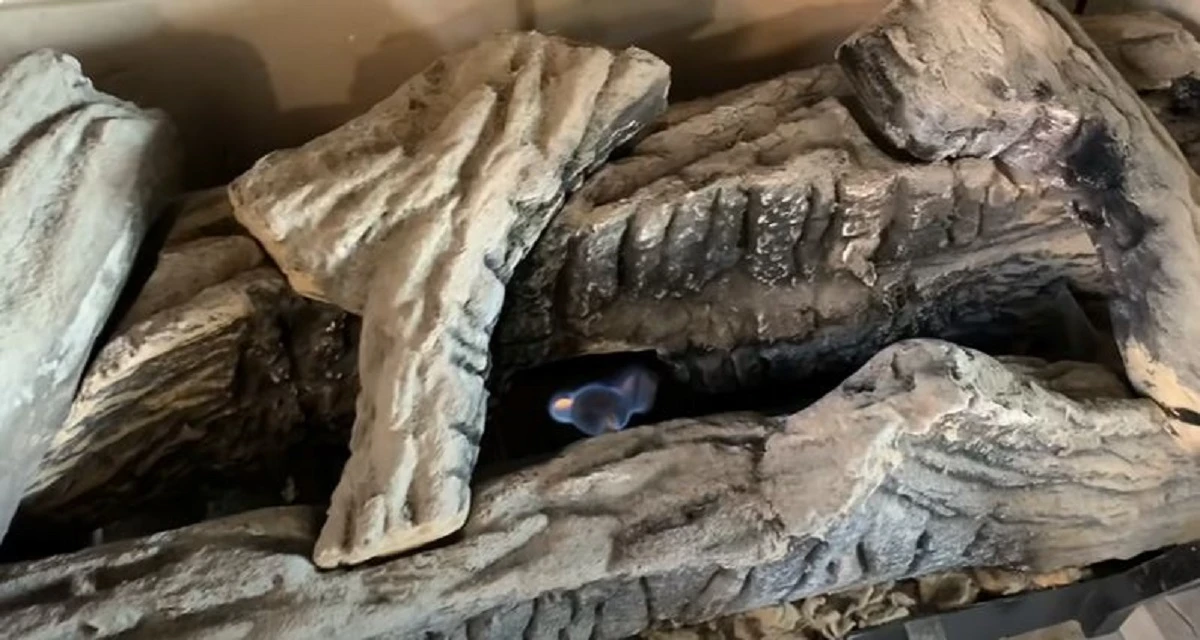
Key safety features include:
"Safety features are meant to protect us," notes a local HVAC specialist. "But they can occasionally trigger when there's nothing wrong."
If your fireplace keeps shutting off, consider whether recent changes might have affected ventilation or airflow. Opening windows slightly or ensuring vents aren't blocked can help. Also, make sure the area around your fireplace is well-ventilated but not drafty.
Maintenance Tips for Prevention
Prevention is always better than cure, especially when it comes to your fireplace. Regular maintenance can catch small problems before they become major issues.
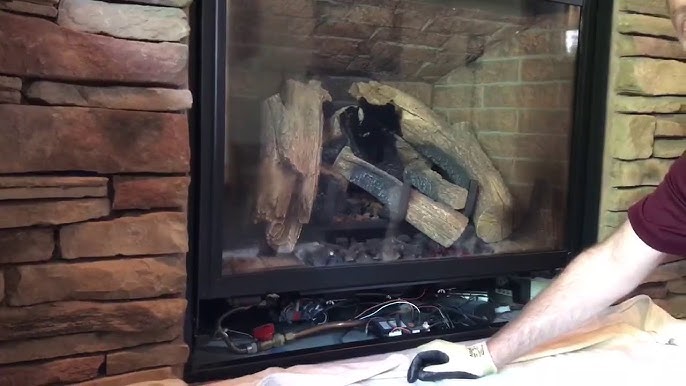
Here are some essential maintenance practices:
"I've seen countless cases where regular maintenance prevented major breakdowns," says a seasoned service provider. "It's like getting your car serviced regularly versus waiting until it breaks down."
Remember, your fireplace is a significant investment in comfort and safety. Taking care of it properly ensures many years of reliable operation.
When your gas fireplace turns itself off unexpectedly, it's rarely a sign of complete failure. More often than not, there's a straightforward explanation and solution. From simple sensor cleaning to more complex safety system issues, understanding the underlying causes can save you from unnecessary stress and expense.
Start with basic troubleshooting steps like checking settings and cleaning sensors. If those don't work, don't hesitate to call a professional. Gas appliances require proper expertise and certification to handle safely.
The key takeaway is that prevention pays off. Regular maintenance, attention to warning signs, and understanding your unit's features can keep your fireplace working smoothly for years. After all, you want your fireplace to be a source of warmth and comfort, not a source of frustration. So take care of it, and it'll take care of you.


