
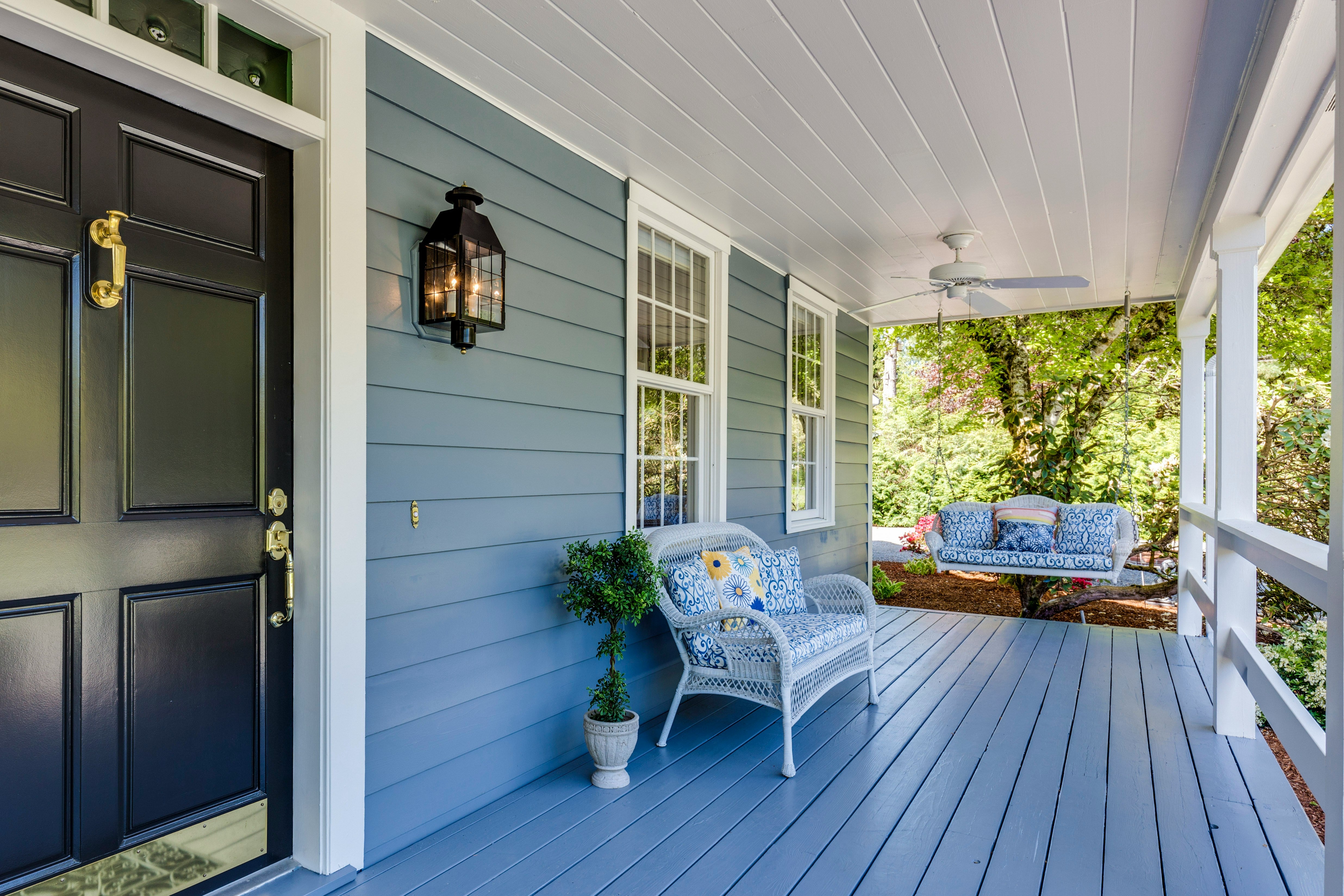
There's nothing quite like stepping onto a beautifully painted porch on a sunny afternoon. Whether you've inherited a weathered wooden deck or just want to give your outdoor space a fresh look, painting your porch can dramatically improve both its appearance and longevity. This guide will walk you through every step of the process, from choosing the right materials to applying that final coat.
Painting a porch might seem like a daunting task, but with the right approach and preparation, anyone can achieve professional-looking results. Whether you're dealing with a creaky old wooden porch or a modern composite deck, the principles remain largely the same. The key lies in understanding your surface type, selecting appropriate materials, and following proper techniques. Before you even think about rolling on that first brushstroke, there's important groundwork to lay. Let's dive into what makes porch painting different from indoor projects and why it matters so much.
Understanding Your Porch Surface
Not all porches are created equal, and recognizing what you're working with is crucial for success. Wood porches, whether made from pine, cedar, or pressure-treated lumber, require different treatment than concrete or composite decks. Wooden surfaces tend to absorb paint differently and may need additional priming. Concrete porches often have a smoother finish and might benefit from specialized masonry paints. Composite materials usually don't need priming but do require specific paint formulations designed for their unique composition. The texture of your porch also matters - rougher surfaces hold more paint but may require extra effort to ensure even coverage. Understanding these basics helps you select the right products and techniques for your specific situation.
Essential Tools and Materials
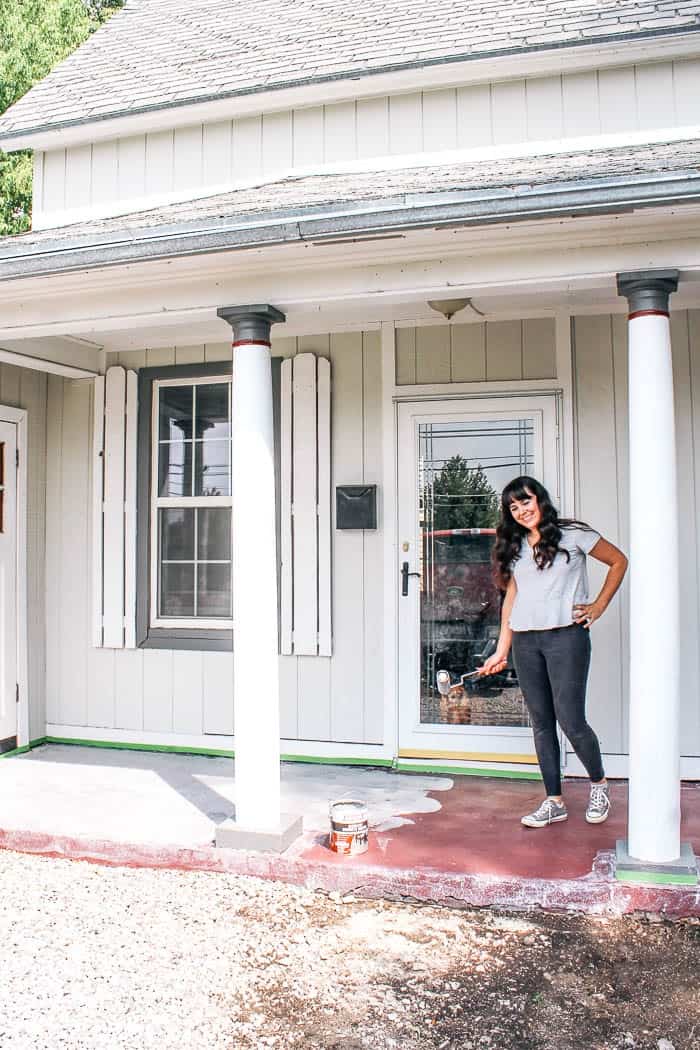
Having the right gear can make or break your porch painting project. You'll want quality brushes, rollers, and trays for application. For larger areas, a paint sprayer might save time, though it requires more setup and cleanup. Primer is essential for most wood surfaces and helps paint adhere better while blocking stains. Choose exterior-grade paint specifically formulated for outdoor use. Quality paint typically costs more upfront but lasts longer and provides better coverage. Don't forget sandpaper for smoothing rough spots, drop cloths to protect surrounding areas, and safety equipment like gloves and eye protection. A good measuring tape helps ensure you buy enough paint, and having a ladder handy might be necessary for reaching higher sections.

Preparation Is Everything
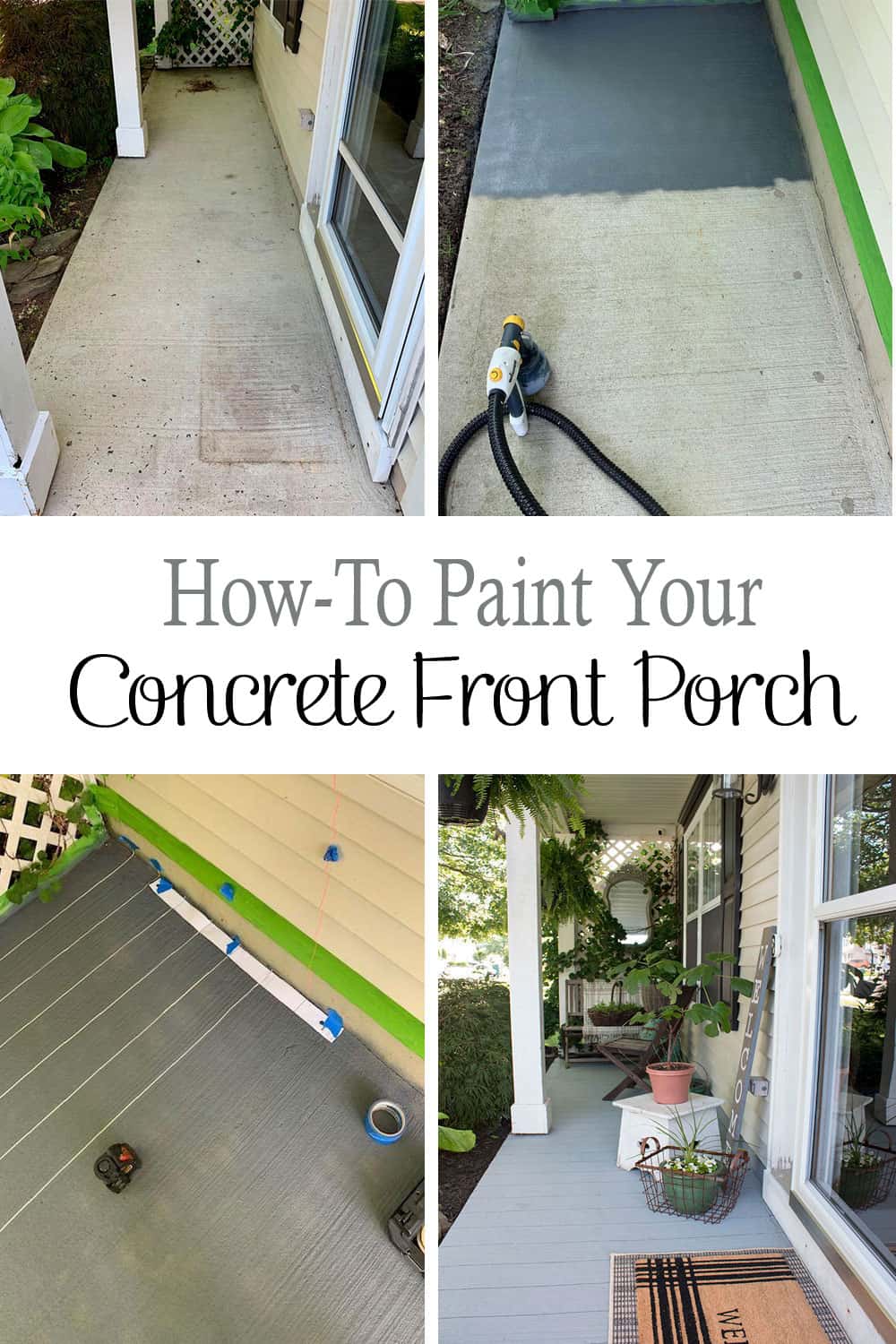
This is where many DIY painters fall short, but it's absolutely critical for long-lasting results. Start by cleaning your porch thoroughly - remove dirt, mildew, and loose paint. A pressure washer works well for concrete, while wood surfaces might need scrubbing with a stiff brush and cleaning solution. Allow everything to dry completely before proceeding. Sand any rough spots or areas where old paint has peeled away. If you see bare wood, apply primer immediately. Check for any cracks or holes that need filling, then smooth them out. Remove all furniture and decorations from the area. Finally, cover nearby plants and structures with plastic sheeting to protect them from overspray or drips.
Choosing the Right Paint
The market offers many options, but not all are suitable for porches. Look for paints labeled as "exterior" and "deck" or "porch" specific. These formulas are designed to handle foot traffic, UV exposure, and temperature fluctuations. Acrylic paints are popular because they're durable and easy to clean. Some people prefer latex-based paints for their flexibility and resistance to cracking. Consider color carefully - lighter colors reflect heat and stay cooler underfoot, while darker shades might fade faster. If you're painting over existing paint, check compatibility between old and new coatings. Always read labels carefully, paying attention to recommended application methods and drying times. Don't overlook the importance of using a high-quality brush or roller - cheap tools often leave streaks and don't hold paint well.

Application Techniques
Applying paint correctly makes a huge difference in the final result. Start with the edges using a brush, then move to larger areas with a roller or sprayer. Work in small sections, maintaining a wet edge to avoid lap marks. Apply thin, even coats rather than thick ones that might drip or take too long to dry. For wood porches, always paint with the grain to prevent peeling. Pay special attention to corners and crevices where paint tends to pool. Multiple thin coats are better than one thick coat. Allow adequate drying time between coats - usually 24 hours for most paints. Work during moderate temperatures, avoiding extreme heat or cold which can affect drying and adhesion. If you notice any missed spots or uneven areas, touch them up after the first coat dries.
Maintenance and Longevity Tips
Once your porch looks great, you'll want to keep it looking that way. Regular cleaning with mild soap and water helps maintain the paint's appearance. Address small chips or peeling areas promptly before they become bigger problems. Most porch paints last 3-5 years depending on climate and usage. Plan to repaint every few years to keep your investment protected. In areas with harsh winters, consider adding extra protection like sealers or choosing paints rated for those conditions. Keep an eye on areas that get heavy foot traffic - these spots wear faster and may need touch-ups sooner. Good maintenance extends paint life significantly and saves money compared to complete repainting.
Painting your porch doesn't have to be overwhelming or expensive. With proper preparation, the right materials, and careful attention to detail, you can transform your outdoor living space into something that's both beautiful and functional. Remember that patience pays off - rushing through steps often leads to poor results that require costly corrections later. Take your time with each phase, from surface preparation to the final coat. Don't forget to enjoy the process and appreciate your hard work once it's done. A freshly painted porch creates a welcoming atmosphere that enhances your home's curb appeal and provides a comfortable space for relaxation and entertaining guests. Whether you tackle it yourself or hire professionals, investing in your porch's appearance is always worthwhile.


