
When it comes to creating lasting outdoor boundaries, few combinations are as popular as wood fencing paired with metal posts. This pairing offers the best of both worlds - the natural beauty and warmth of wood with the strength and longevity of metal. But how do you actually make them work together? The secret lies in understanding the right attachment methods and techniques that will keep your fence standing strong for years to come.
Picture this: you've just finished installing a beautiful wooden fence around your property, but something's missing. The wood panels look great, but they're not quite connecting properly to those sturdy metal posts that hold everything in place. This common issue happens more often than you might think. Whether you're building a new fence or repairing an existing one, learning how to properly attach wood to metal posts makes all the difference between a temporary fix and a lasting solution. It's not just about making it work - it's about making it work well enough to handle weather, time, and daily use without failing.
Why Wood and Metal Don't Mix Naturally
At first glance, wood and metal might seem like an odd couple, but they're actually quite compatible when you know how to handle them properly. The main challenge isn't really about the materials themselves, but rather their different properties and behaviors. Wood naturally expands and contracts with changes in moisture levels, while metal remains relatively stable. When these two materials are joined directly, the movement can cause problems over time.
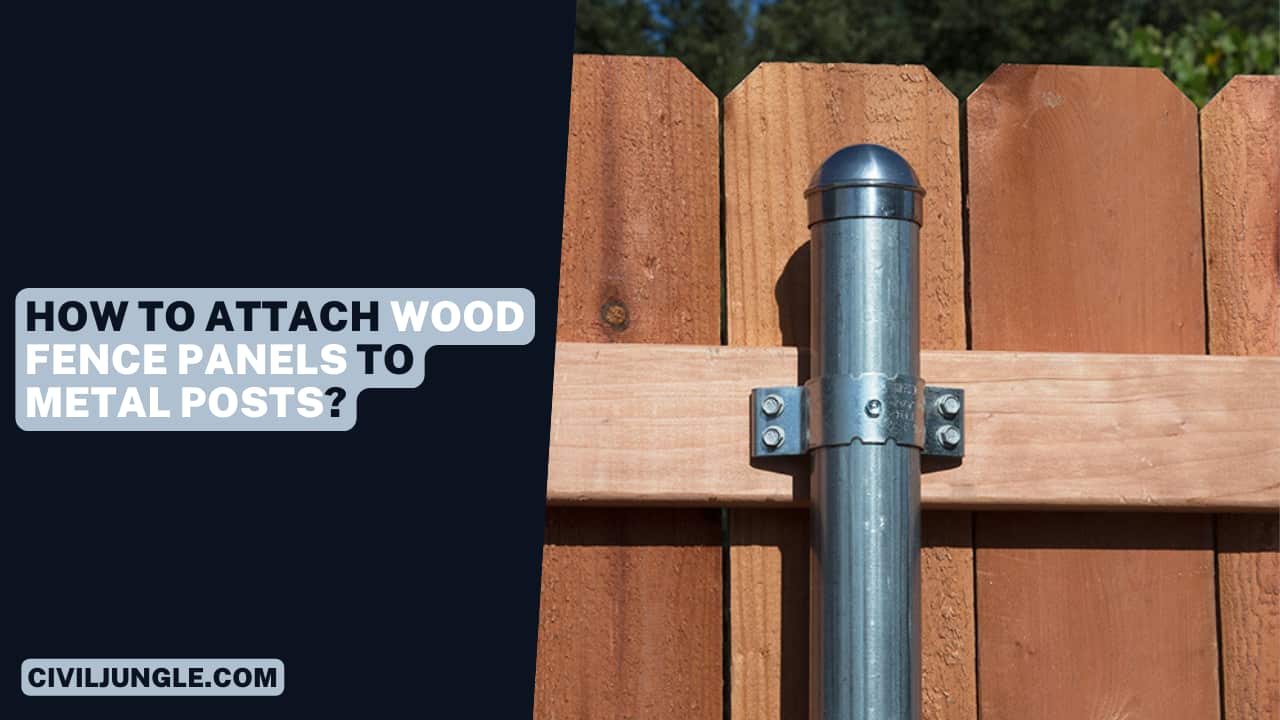
Think about it like this: imagine wearing a shirt that's too tight when you're hot, then taking it off when you're cold. The fabric stretches and shrinks, but your body stays the same size. That's kind of what happens with wood and metal when they're not properly connected. The key is creating a connection that allows for movement while still maintaining structural integrity.
Essential Tools and Materials You'll Need
Before diving into any installation project, having the right gear makes all the difference. Here's what you'll want to have on hand:
The most important item here is probably the correct type of fasteners. Using the wrong screws can lead to rust, failure, or even safety hazards. Look for stainless steel or galvanized options that can handle outdoor exposure and won't corrode quickly.
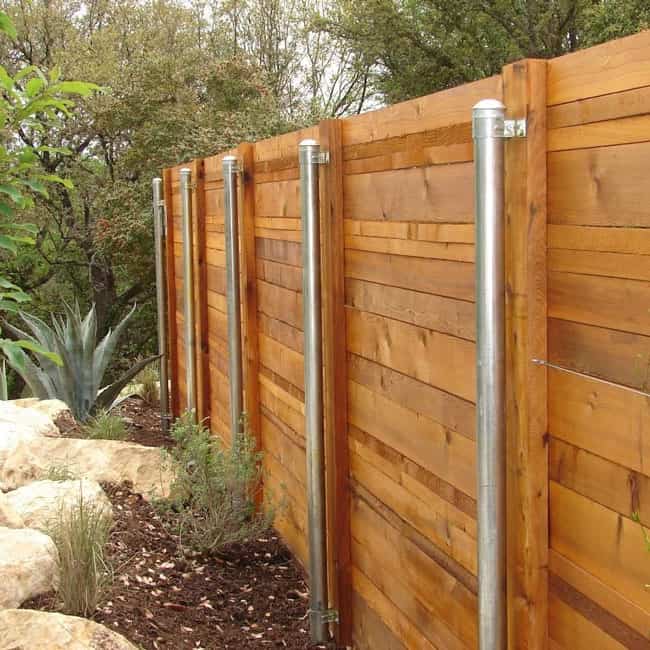
Method 1: Using Metal Brackets and Clips
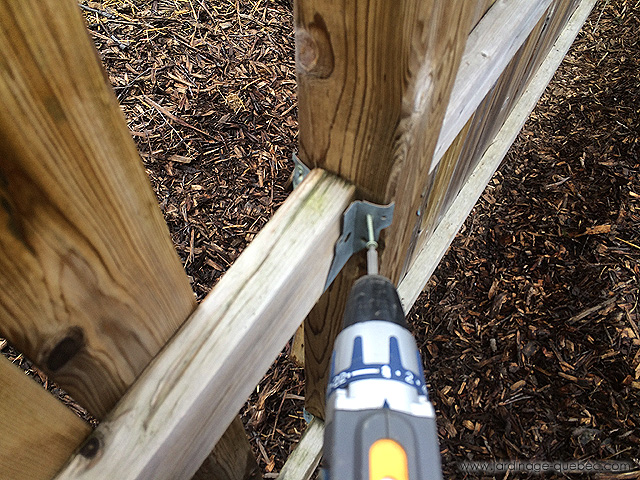
One of the most reliable approaches involves using specialized metal brackets designed specifically for attaching wood to metal. These brackets are engineered to accommodate the expansion and contraction of wood while providing secure attachment points.
The process is fairly straightforward. First, measure and mark where your wood panel needs to connect to the metal post. Then, position the bracket against the post and secure it with appropriate screws. Finally, slide the wood panel into place and secure it with additional fasteners. This method works particularly well for pre-made fence sections or when you want to avoid drilling into the wood itself.
These brackets come in various styles and sizes, so you'll want to choose one that matches the thickness of your wood and the dimensions of your metal post. Some even feature built-in drainage holes to prevent water buildup, which is a nice touch for long-term durability.
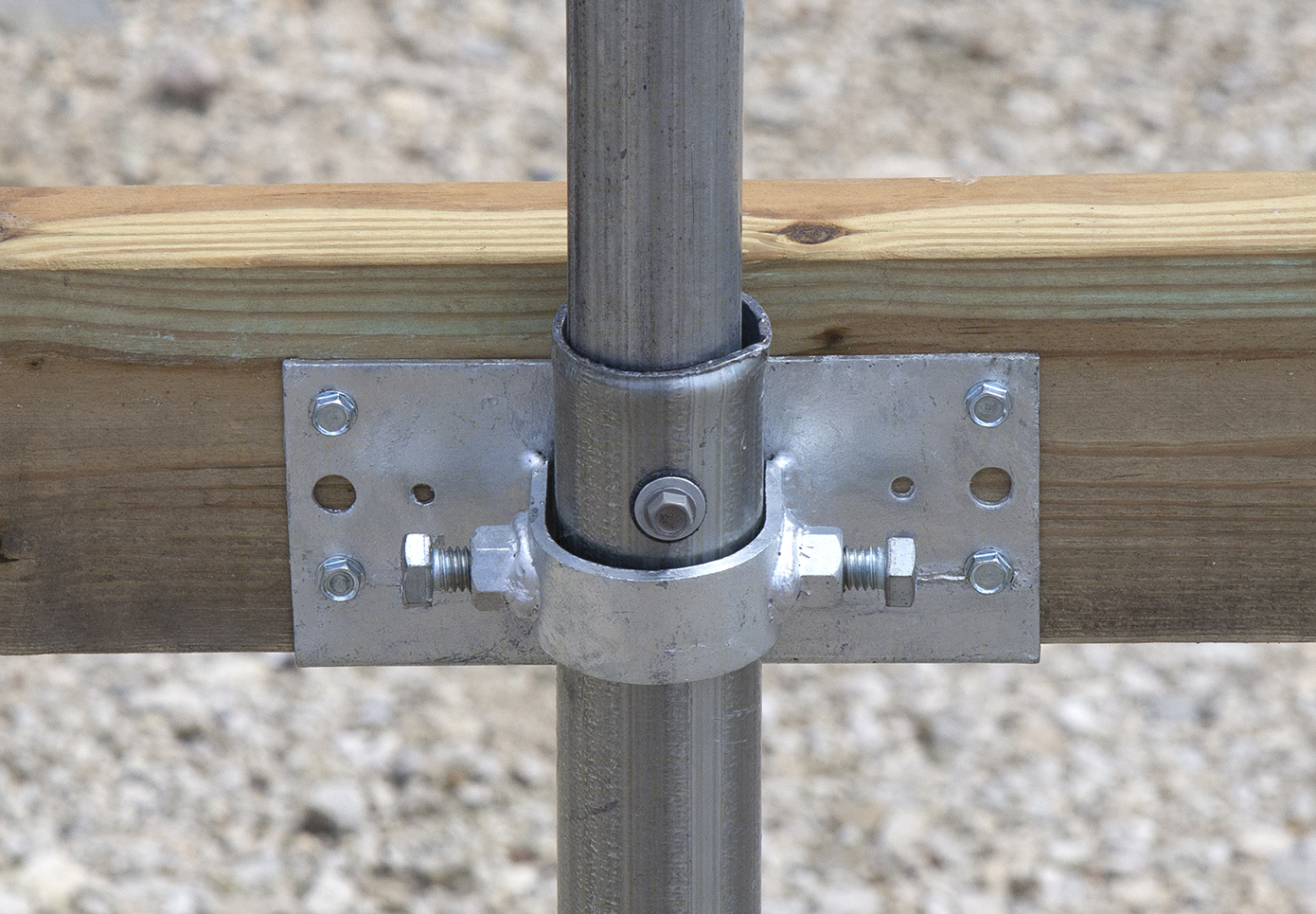
Method 2: Direct Screw Installation
For situations where you want a more direct approach, installing screws directly into the wood and metal can work well. However, this requires some careful preparation and consideration. The key is using the right type of screw and following proper installation steps.
Start by drilling pilot holes in both the wood and metal where you plan to install the screws. This prevents splitting in the wood and ensures the screws go in straight. Use self-tapping screws that are designed for metal-to-wood applications. These special screws have a thread pattern that cuts through both materials effectively.
Some people prefer to use washers between the wood and metal to distribute pressure better. This helps reduce stress points and can extend the life of the connection. It's also worth noting that this method works best when the wood is thick enough to provide good holding power for the screws.
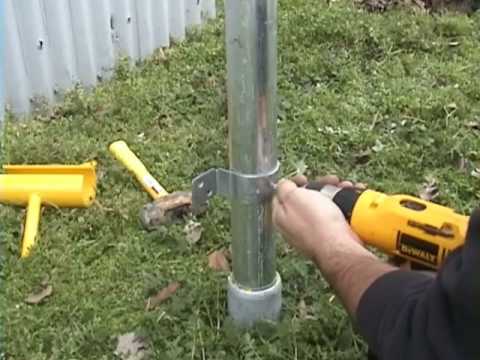
Method 3: Using Post Anchors and Rails
This approach involves using specialized hardware that creates a more permanent connection between wood and metal. Post anchors are typically installed into the metal post itself, creating a secure mounting point for the wood railings or panels.
The process usually involves:
This method is particularly useful for gates or when you're creating a continuous fence line. The advantage here is that it provides a very clean appearance since there are fewer visible connections. Plus, the hardware is specifically designed to handle the forces that occur with wind, weight, and regular use.
Important Considerations and Best Practices
Several factors can make or break your wood-to-metal connection:
A common mistake people make is assuming that because the materials are strong individually, they'll work perfectly together. The reality is that environmental factors like rain, temperature changes, and UV exposure can affect both materials differently. Planning ahead for these variables is crucial for success.
Attaching wood fence to metal posts may seem tricky at first, but with the right approach and tools, it becomes a manageable task that results in a strong, attractive fence. The key is understanding that you're not just connecting two pieces of material - you're creating a system that can handle the elements and daily use for many years. Whether you choose brackets, direct screws, or specialized anchors, the most important thing is to plan carefully, use quality materials, and consider the long-term performance of your installation. Remember, a well-built fence is an investment in your property's security, privacy, and aesthetic appeal. Take your time with the setup, double-check your measurements, and don't rush through the process. The extra effort will pay dividends in the form of a fence that stands the test of time.


