
There's something deeply satisfying about a perfectly proportioned fireplace mantel. It's not just about looks—it's about creating a space that feels right. Whether you're building a new home or updating an existing one, understanding the proper dimensions can transform your living room from merely functional to truly inviting.
When it comes to fireplace design, few elements are as crucial as the mantel height. This architectural feature serves as both a visual focal point and a practical element that impacts how we use our spaces. Think about it—when you walk into a room with a well-proportioned mantel, something feels right. The proportions seem to breathe, the space feels balanced, and you immediately know this isn't just another house. But what exactly makes a mantel height work? Let's explore the nuances that make this seemingly simple measurement so impactful.
The Standard Guidelines
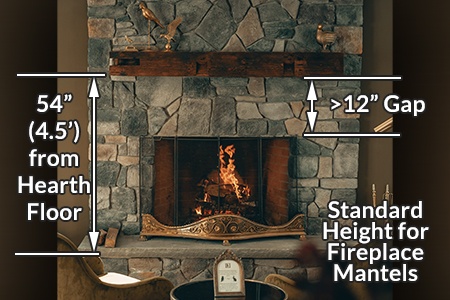
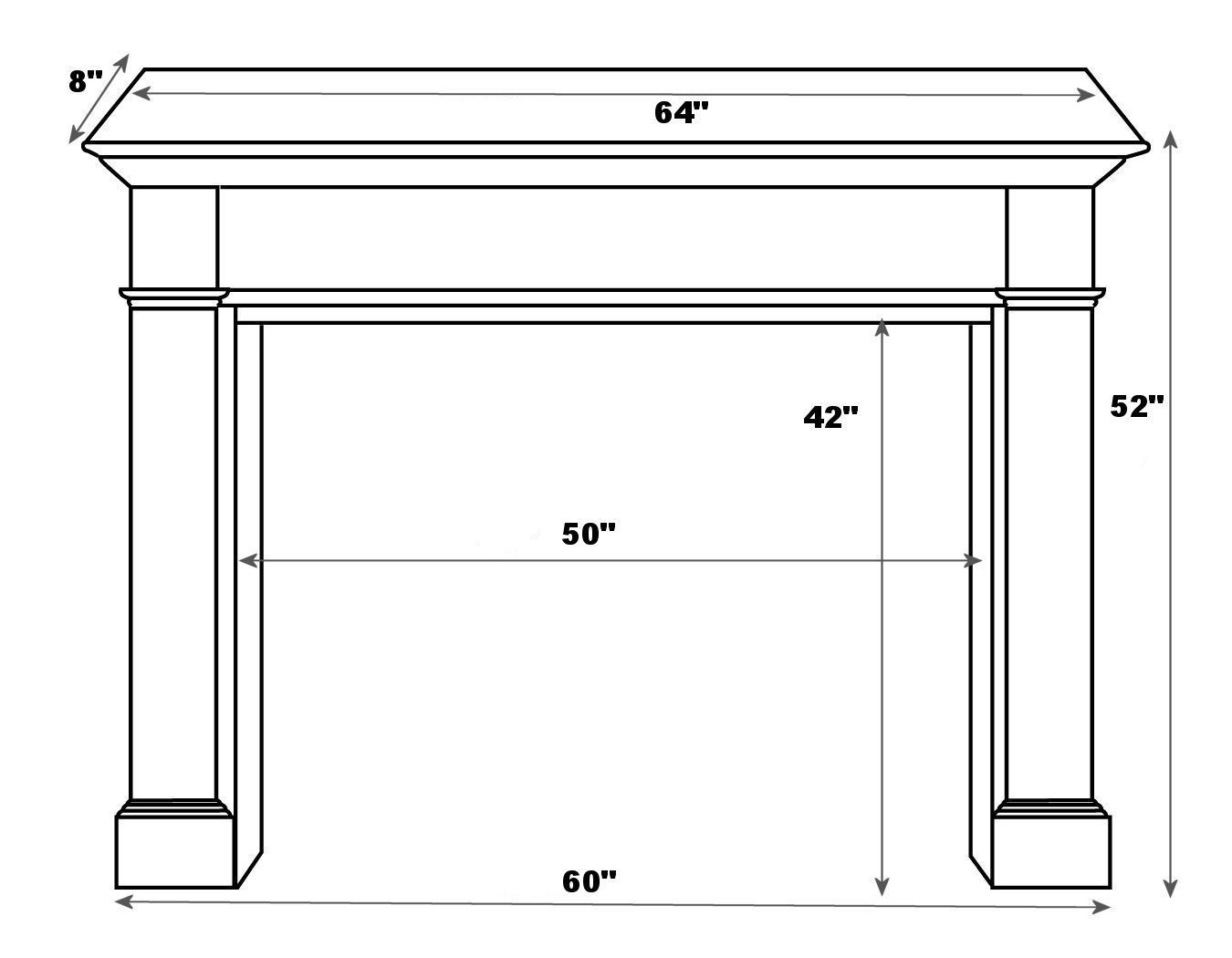
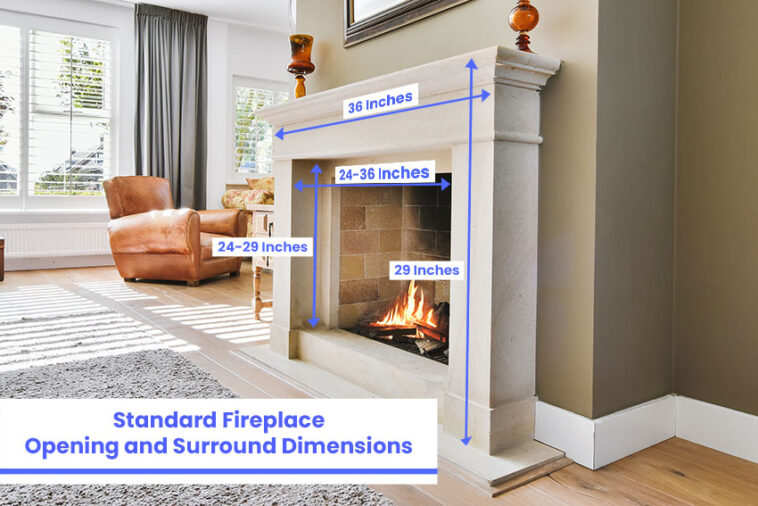
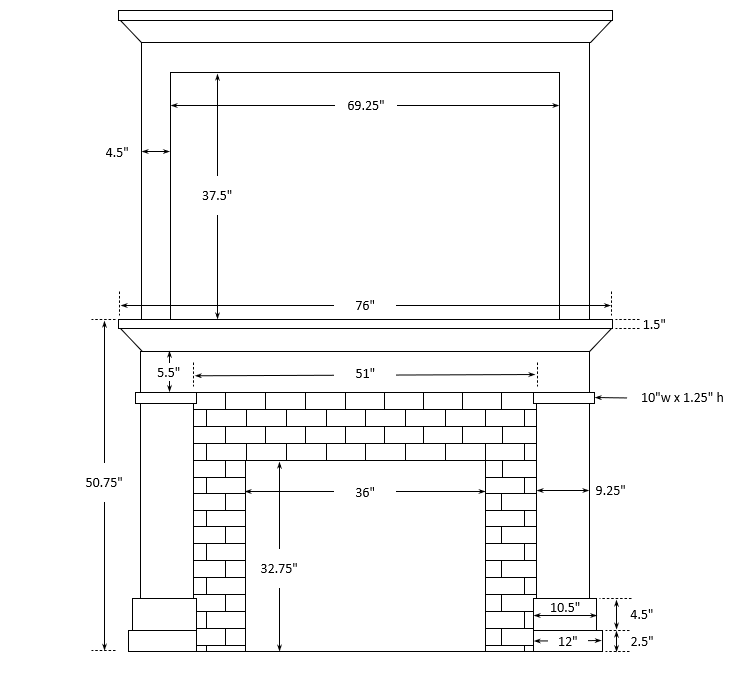
Most experts agree that a typical fireplace mantel should sit between 42 and 48 inches above the floor. That might sound like a broad range, but there's good reason for it. Consider the average human eye level—which tends to be around 57 to 60 inches—and the fact that most people want to see their mantel display clearly. A mantel that's too low can feel cramped, while one that's too high may seem disconnected from the room. The sweet spot usually falls somewhere in the middle, allowing for comfortable viewing and natural flow. For example, if you have a 36-inch-tall fireplace opening, you'd typically want your mantel to extend about 6 to 12 inches above that opening.
Room Size and Proportions Matter
Here's where things get interesting. The size of your room significantly affects how tall your mantel should be. In a small living room, a shorter mantel might actually create a better sense of scale. Picture a cozy 12x12 room with a 3-foot-tall fireplace. A 42-inch mantel could easily overwhelm the space, making everything feel cramped. But in a large great room with 10-foot ceilings, a taller mantel—perhaps 54 inches or more—can provide the visual weight needed to anchor the space. The key is matching the mantel height to the room's proportions. If you're unsure, consider measuring your room's dimensions and thinking about how the mantel will relate to the overall scale.
The Rule of Thirds in Practice
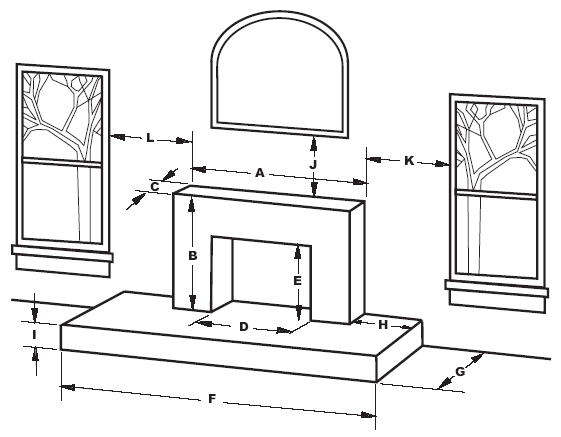
Many interior designers swear by the rule of thirds when determining mantel heights. This means dividing your room's total height into three equal parts and placing the mantel at the upper third. For instance, in a room with 9-foot ceilings, the ideal mantel placement would be around 6 feet from the floor. This creates a pleasing visual balance that draws the eye upward and gives the room a sense of grandeur. However, don't let this rule become a rigid constraint. Sometimes, a slightly lower mantel can create a more intimate atmosphere, especially in smaller spaces. The goal is harmony, not mathematical perfection.
Safety and Practical Considerations
Beyond aesthetics, practical concerns often dictate mantel height. If you have children, you'll want to ensure that any decorative items on the mantel aren't within reach. That means keeping heavy objects and sharp items out of toddler range. A mantel that sits at least 42 inches above the floor generally provides a good safety margin. Additionally, consider the heat from the fire. While modern fireplaces are designed to handle this, a mantel that's too close to the hearth might need special materials or protective treatments. Some homeowners even install a heat shield between the mantel and the fireplace to prevent damage.
Style and Design Integration
The style of your home plays a huge role in determining the appropriate mantel height. Traditional homes often favor taller mantels that complement ornate details and classical proportions. A Victorian-style home might benefit from a 50-inch mantel, while a modern minimalist space might look best with a shorter, sleeker design around 42 inches. The material matters too—stone and brick mantels can handle more dramatic heights than wood, which might need to stay more proportional to avoid looking top-heavy. Think about how the mantel will complement your overall design aesthetic rather than fighting against it.
Making Adjustments for Specific Needs
Sometimes, standard guidelines don't fit every situation. What if you have a very high ceiling but a low fireplace? Or perhaps your room has an unusual shape? These scenarios call for creative solutions. You might consider a double-tiered mantel that extends across the width of the fireplace, or a curved design that follows the natural flow of the room. For those with unusual ceiling heights, the key is maintaining visual balance. If your ceiling is 12 feet high, a mantel that's only 48 inches tall might make the fireplace feel disconnected from the rest of the room. In such cases, designers often recommend going taller or adding complementary elements like crown molding to bridge the gap.
The journey to finding the perfect fireplace mantel height is as much about personal taste as it is about practicality. It's about creating a space that feels both comfortable and beautiful, where every element works together in harmony. Whether you're measuring for a new installation or updating an existing fireplace, remember that there's no single 'right' answer. The best approach is to consider your room's unique characteristics, your family's needs, and your personal style. Trust your instincts, measure carefully, and don't be afraid to experiment. After all, a well-chosen mantel can transform not just the appearance of your space, but how you experience it every day.


