
Imagine stepping outside after dark and having your path instantly illuminated by smart outdoor lighting. No more fumbling for keys or worrying about safety in the dark. That's exactly what outdoor wall lights with motion sensors can do for you. These clever fixtures combine practicality with modern technology, creating a seamless blend of functionality and security. But how exactly do they work? What features should you look for? And most importantly, how can they transform your outdoor living experience?
When darkness falls, our outdoor spaces often become mysterious and potentially unsafe territories. This is where outdoor wall lights with motion sensors step in as unsung heroes of home security and convenience. These nifty devices don't just turn on when you're nearby – they're designed to detect movement and automatically illuminate your space. Think about it: you walk toward your front door, and suddenly the pathway ahead brightens. You're not just getting light – you're getting intelligent protection. The marriage of traditional lighting and modern motion detection has created something truly special in the realm of outdoor home improvement.
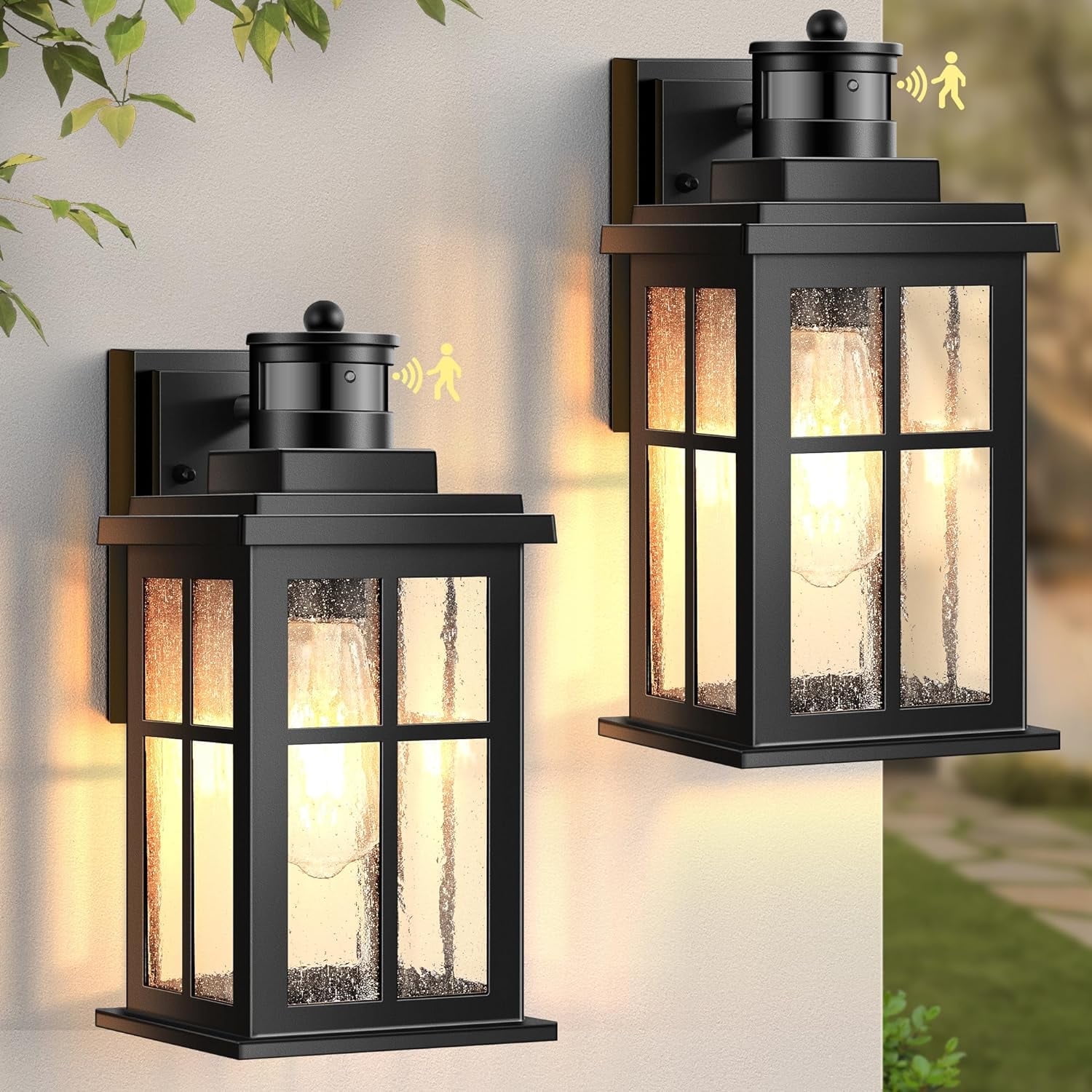
How Motion Sensors Work in Outdoor Lighting
The magic behind these fixtures lies in their ability to sense movement using various technologies. Passive Infrared (PIR) sensors are the most common type, detecting heat signatures from moving objects. When someone approaches your property, the sensor picks up the change in temperature and triggers the light. Some systems use microwave sensors or dual-technology sensors that combine PIR with microwave detection for more reliable performance. The sensors typically have adjustable sensitivity levels, allowing homeowners to customize how easily they trigger. You might set one fixture to activate with minimal movement for maximum security, while another could be more sensitive to catch even slight motions. These systems usually feature a built-in timer that keeps the light on for a predetermined period after detecting motion, typically between 10 seconds and several minutes.
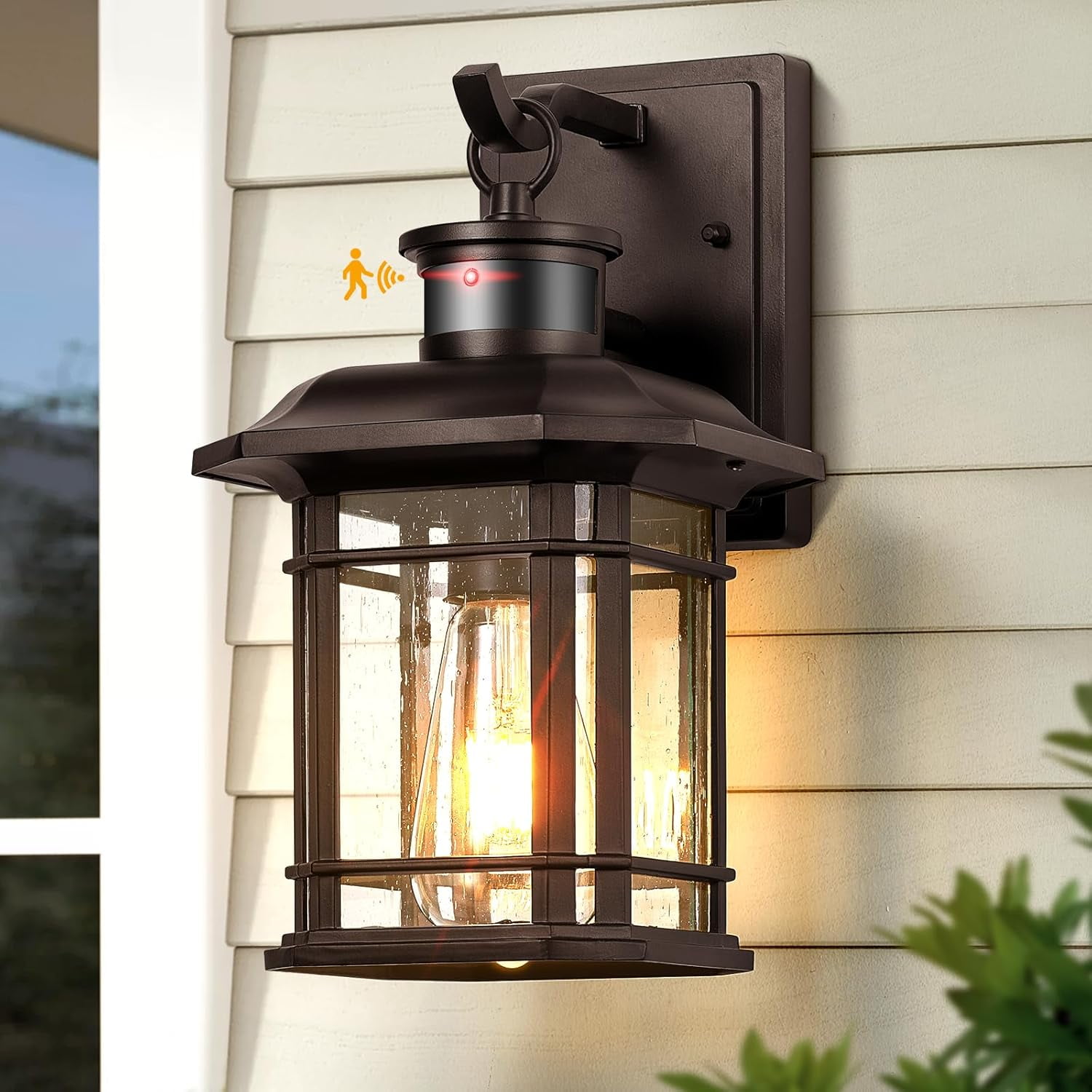
Key Features to Look For
Not all motion sensor lights are created equal. When shopping for outdoor wall fixtures, consider these essential features:
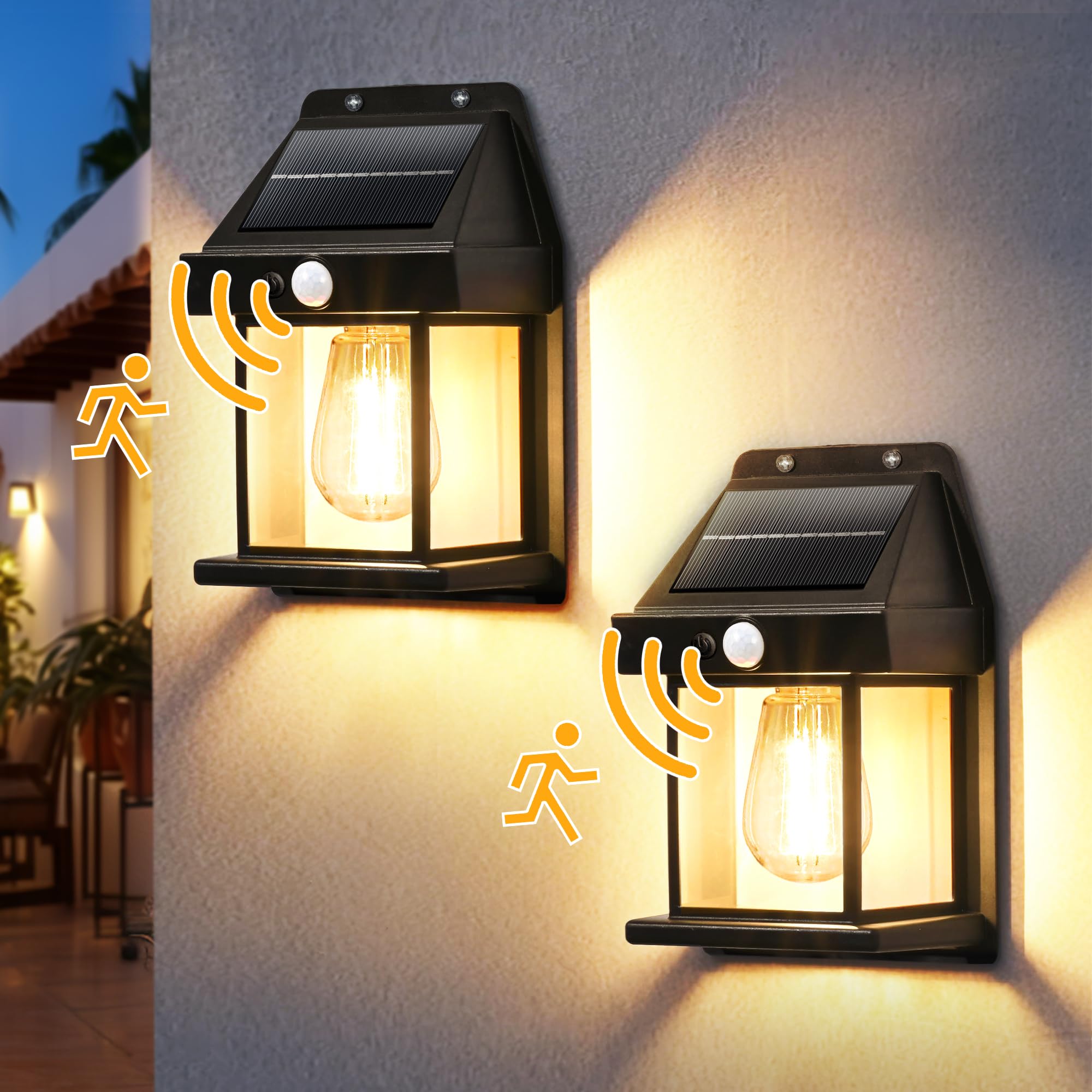
The right combination of these features can make a huge difference in both performance and user satisfaction. Some high-end models even offer smartphone integration, letting you adjust settings remotely or receive notifications when motion is detected.
Installation Considerations
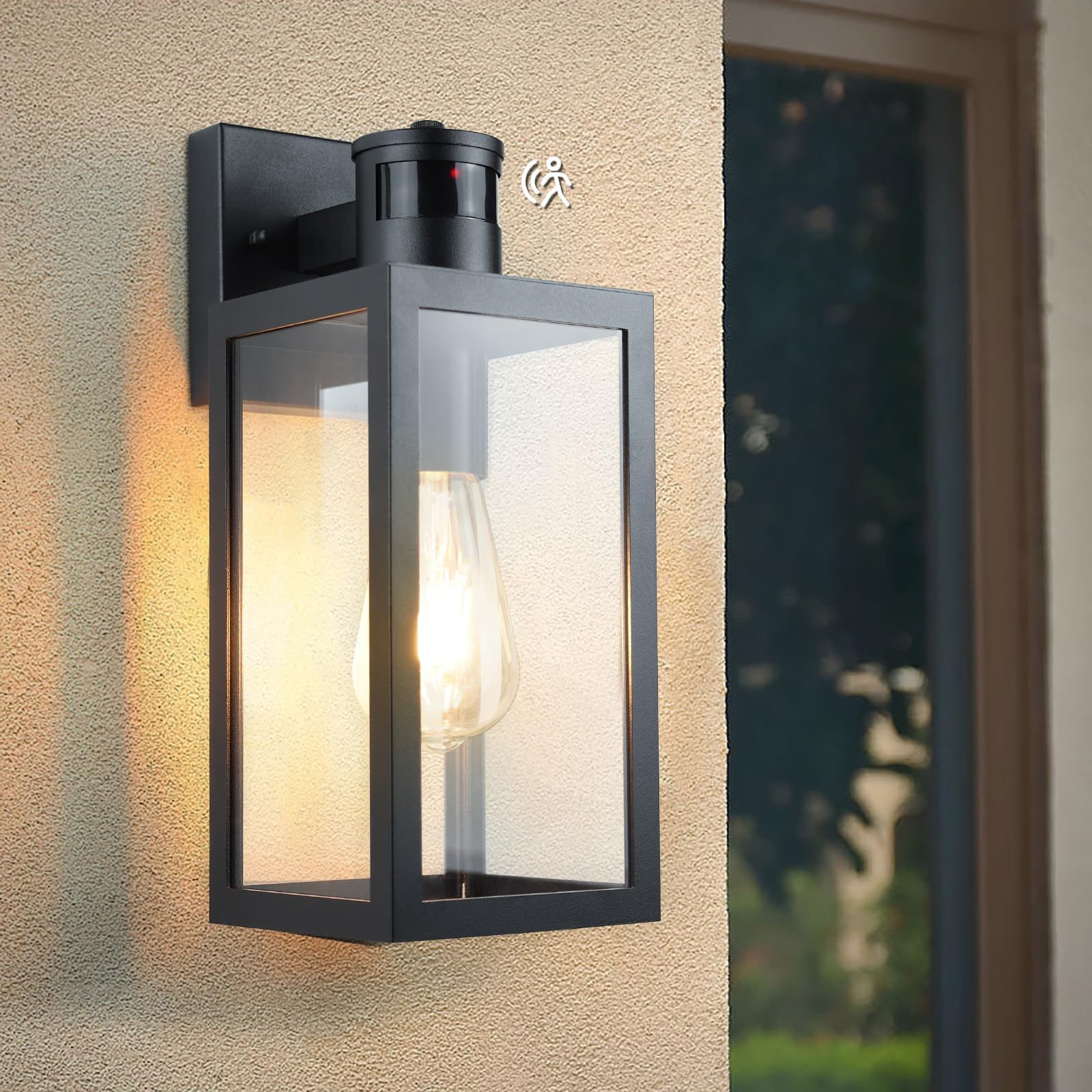
Installing outdoor motion sensor lights requires a bit more thought than indoor lighting. Proper placement is crucial for optimal performance. Mount the fixture approximately 6-8 feet above ground level for best coverage. Avoid placing them directly under overhangs or eaves where shadows might interfere with detection. Consider the angle of approach – if you're installing near a driveway, position the sensor to catch vehicles approaching from a distance rather than just pedestrians walking by. The wiring itself isn't overly complicated, though some installations may require professional help if you're not comfortable working with electrical components. Many modern fixtures come with easy-to-follow instructions and can be mounted using basic tools. However, always check local codes and regulations before beginning any installation project.
Security Benefits and Real-World Applications
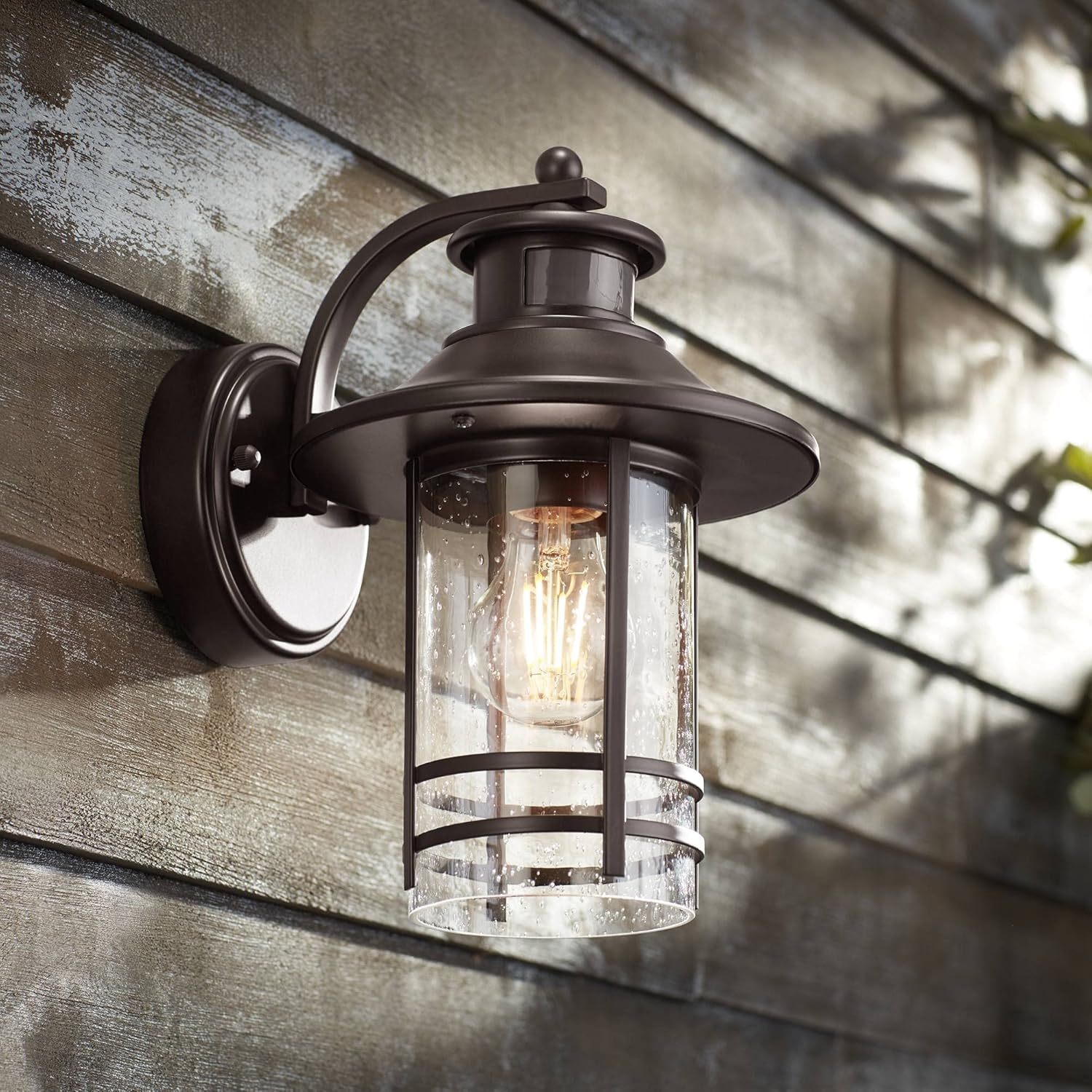
Beyond providing illumination, these lights serve as powerful deterrents against potential intruders. Studies show that well-lit properties are significantly less likely to be targeted by criminals. The sudden activation of lights can startle and discourage unwanted visitors, giving homeowners peace of mind. Many people install these lights strategically around entry points – front doors, back gates, garage areas – creating a perimeter of security. Commercial applications extend far beyond residential use. Retail stores, parking lots, and office buildings rely heavily on motion-sensor lighting for both security and energy savings. In fact, businesses report up to 30% reduction in energy costs when switching to motion-sensor systems. The psychological impact cannot be understated either – knowing your property is monitored creates a feeling of safety that extends beyond just physical protection.
Common Mistakes and Troubleshooting
Even the best systems can encounter issues. One frequent problem is false triggering caused by pets, wind-blown debris, or extreme temperature changes. Adjusting sensitivity settings can resolve many of these problems. Another common issue is improper mounting height or positioning that creates blind spots in coverage. If lights seem to activate randomly, check for direct sunlight or heat sources that might interfere with the sensor. Many manufacturers provide troubleshooting guides online or through customer support channels. Regular maintenance helps prevent issues too – cleaning the sensor lens and checking connections periodically ensures continued optimal performance. Some users find that seasonal adjustments improve reliability, particularly during winter months when animals might be more active or during summer when humidity affects sensor readings.
Energy Savings and Environmental Impact
One of the most compelling reasons to choose motion sensor outdoor lighting is the significant energy savings they provide. Traditional outdoor lights that run continuously consume electricity regardless of whether anyone is present. Motion sensors eliminate this waste by activating only when needed. According to the Department of Energy, motion sensor lighting can reduce outdoor lighting energy consumption by up to 70%. This translates to lower electricity bills and reduced carbon footprint. Many modern fixtures incorporate smart features like dusk-to-dawn operation or integration with home automation systems. These advancements allow for even more precise control over when and how lights activate. For environmentally conscious homeowners, this represents a meaningful step toward sustainable living practices.
Outdoor wall lights with motion sensors represent more than just a simple lighting solution – they embody a smarter approach to home security and energy efficiency. From their sophisticated sensor technology to their practical installation requirements, these fixtures demonstrate how modern innovation can enhance everyday experiences. Whether you're protecting your family's safety, reducing energy costs, or simply improving the aesthetics of your outdoor space, motion-sensor lighting offers compelling advantages. The investment in quality fixtures pays dividends not just in immediate benefits, but in the peace of mind that comes with knowing your property is well-lit and secure. As technology continues advancing, we can expect even more intelligent features that will further revolutionize how we think about outdoor illumination. The future of outdoor lighting is clearly smart, efficient, and incredibly user-friendly.


