
Every winter, millions of people enjoy the warmth and ambiance of a crackling fire. But when that fire dies down, what do you do with the ashes? This simple question carries significant implications for safety, environmental health, and even your wallet. The truth is, fireplace ashes aren't just waste – they're actually quite useful when handled correctly. Understanding proper disposal methods isn't just about following rules; it's about protecting your family, your home, and your community.
Picture this: you've had a wonderful evening by the fire, and now you're left with a pile of gray, powdery residue. It's tempting to just sweep it into the trash or toss it outside, but doing so might not be the best approach. Fireplace ashes may seem harmless, but they're actually quite complex. They're not just burnt wood – they're the remnants of combustion that can vary significantly based on what you burned, how hot it burned, and how long it burned. The type of fuel matters, the temperature affects the composition, and the amount determines how you handle it. Before we dive into the nitty-gritty of disposal methods, let's understand why this matters.
Understanding Fireplace Ash Composition
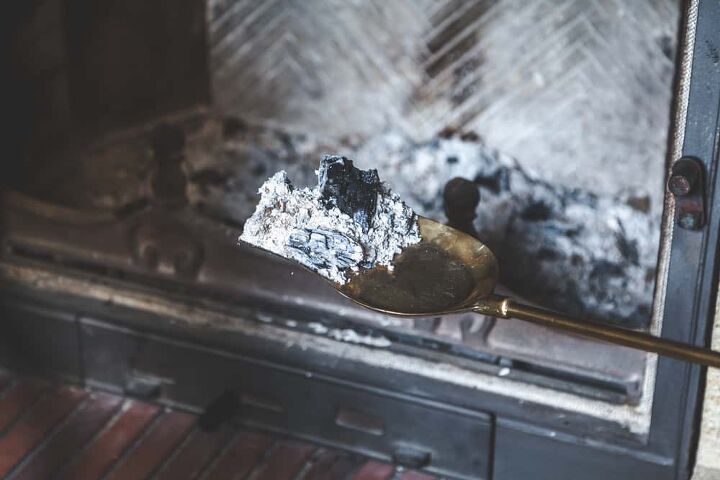
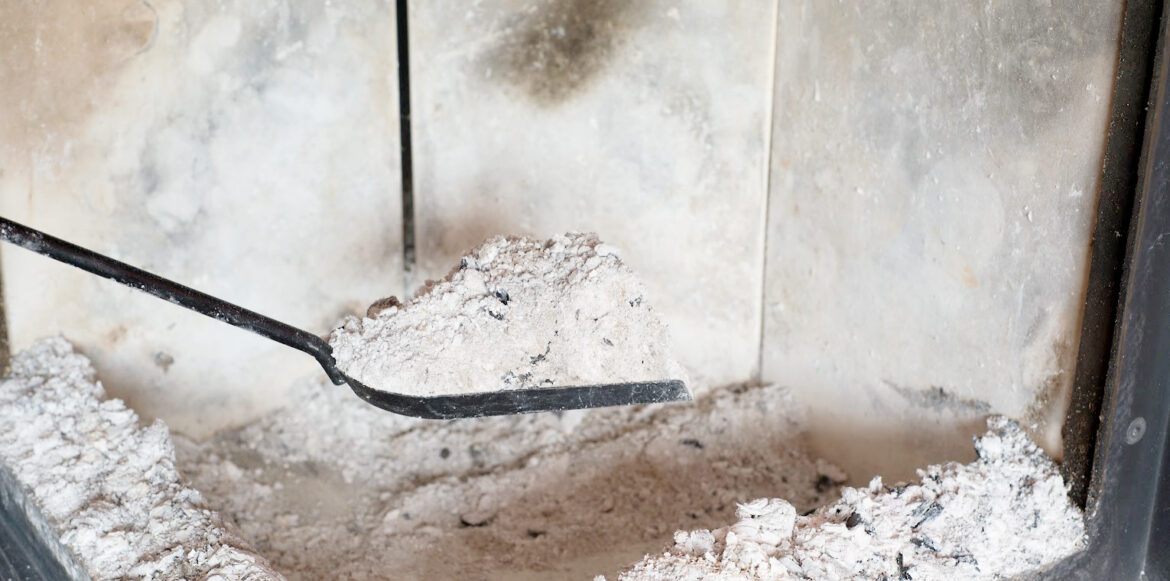
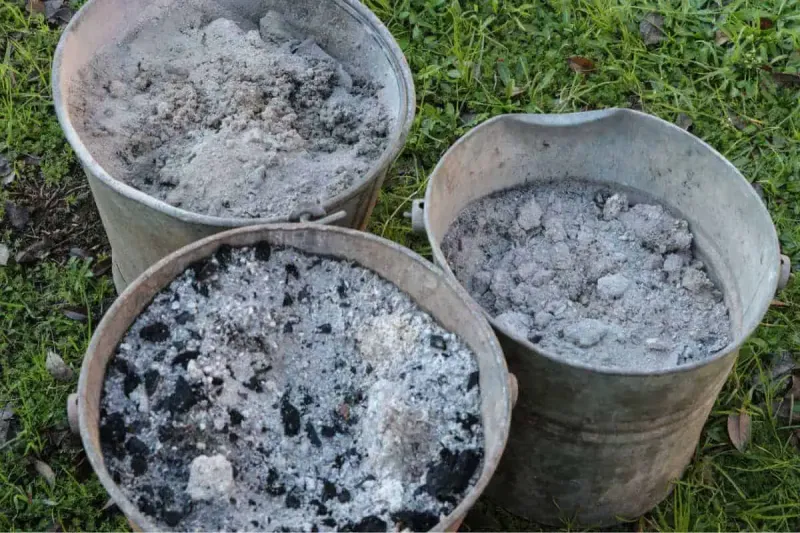
When you burn wood in a fireplace, you're essentially converting cellulose and lignin into carbon dioxide, water vapor, and ash. But it's not all the same ash. Different woods produce different qualities of ash. Hardwoods like oak and maple typically create coarser, more substantial ashes, while softwoods like pine and fir tend to produce finer, more powdery residues. The burning process itself plays a role too. If your fire burns hot and clean, the ashes will be lighter and less dense. Cold, smoldering fires create more moisture and potentially harmful substances in the ash. The temperature matters because it affects how completely the wood burns. A well-maintained fire that burns efficiently produces different results than one that's poorly managed. Some people think all ashes are the same, but that's simply not true. The chemical composition varies. Wood ash contains potassium, phosphorus, and calcium – nutrients that gardeners love. However, it also contains trace amounts of heavy metals and other compounds that could be problematic if misused. So understanding what you're dealing with helps determine the best way to handle it. When you see your ashes, take a moment to consider their texture, color, and smell. These clues can tell you a lot about their properties.
Safety First: Why Wait Before Handling Ashes
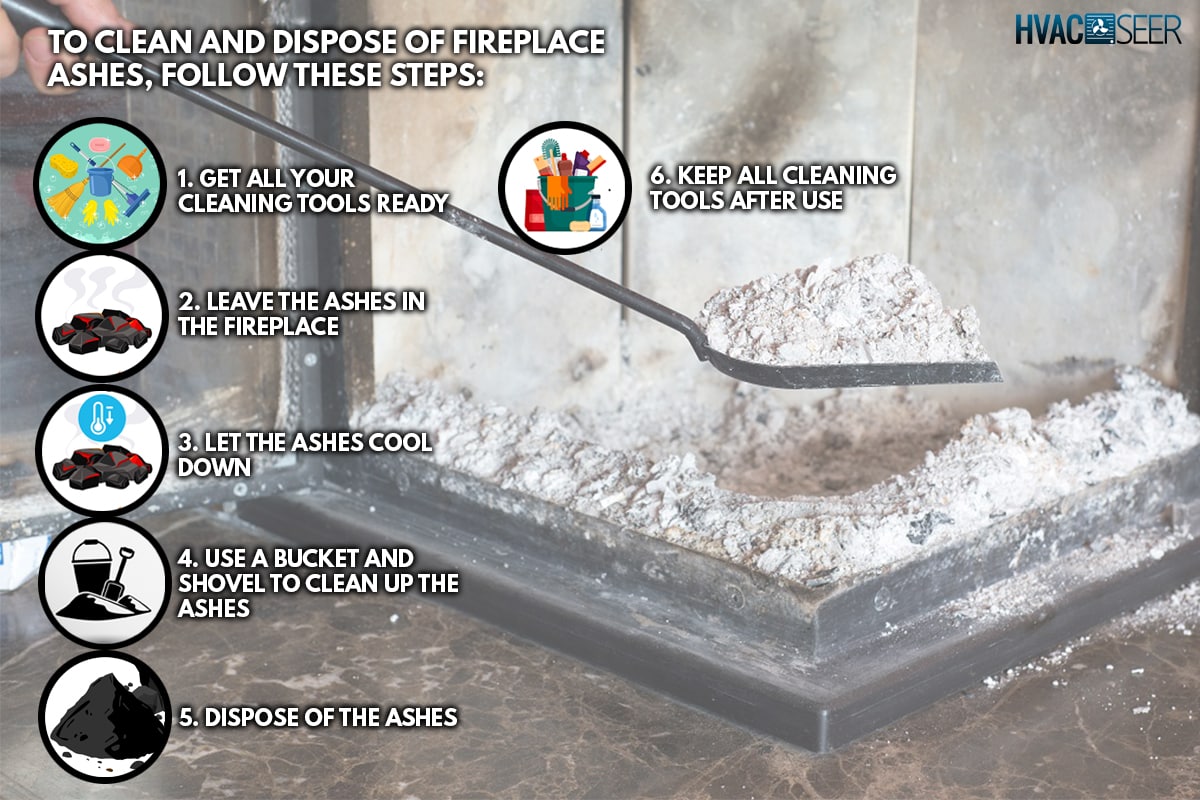
Let's talk about timing because it's crucial. You absolutely should not handle fireplace ashes immediately after using your fireplace. Why? Because they're still hot, potentially very hot. Even though the flames are out, embers and coals can remain dangerously warm for hours. You could easily get burned, and the risk increases if you're handling them in the dark. The general rule is to wait until the ashes have cooled completely. This usually takes about 48 hours, but it depends on several factors. How big was your fire? Did you use a lot of kindling? Were the logs particularly large? All of these elements affect cooling time. Some people try to speed things along by opening the damper or adding water, but that's not always safe. Water can cause dangerous steam, and opening the damper too early might draw smoke back into the room. Instead, let nature do its work. Check the ashes periodically – gently touch the surface to test for heat. Once there's no warmth left, you're ready to proceed. This waiting period isn't just about avoiding burns; it's also about ensuring safety for anyone else who might be around. Children, pets, and even elderly family members might not realize how hot the ashes still are. Patience here pays off in preventing accidents.
Proper Storage Methods for Fireplace Ashes
Once you've confirmed your ashes are cool, you'll want to store them properly before disposal. Think of this step as preparing your ashes for their final destination. The storage container should be something that prevents accidental spills and protects against weather. Metal containers work well, but they can rust over time. Plastic containers are lightweight and often come with lids, making them convenient. Glass jars, while attractive, aren't ideal for storing ashes due to their weight and fragility. The key is keeping the container sealed tightly. Moisture is your enemy here – wet ashes can clump together and become difficult to manage later. They also increase the risk of mold growth or bacterial contamination. Some people store ashes in cardboard boxes, but these aren't recommended because they can absorb moisture and eventually break down. You might also consider using a dedicated ash container specifically designed for this purpose. Many hardware stores sell these, and they're often made from materials that resist moisture and wear. Don't forget to label your container clearly. This prevents confusion later and helps ensure others know what's inside. Also, keep your storage area clean and dry. A garage, basement, or shed works well, provided it's ventilated enough to prevent moisture buildup. If you're storing ashes in a garage, make sure it's not directly under a roof that could leak or near a water source.
Environmental Considerations in Ash Disposal
Now, let's shift gears to thinking about the environment. While some people might assume fireplace ashes are just harmless dust, they actually have both positive and negative environmental impacts. On the positive side, wood ash is rich in potassium and calcium, making it excellent for soil amendment. Gardeners have used it for centuries to improve soil quality. However, this benefit comes with conditions. Too much ash can raise soil pH levels, which can harm plants that prefer acidic conditions. It's also important to note that ash from treated wood, particle board, or other manufactured materials should never be used in gardens. These items often contain chemicals that can contaminate soil and groundwater. The same goes for ashes from coal or charcoal briquettes. They may contain heavy metals and other pollutants that aren't safe for plant growth. When considering disposal, think about whether you're going to reuse the ashes first. Many gardeners collect their ashes and apply small amounts to their garden beds during spring. But always check with local extension services or gardening experts before applying ashes to your soil. They can advise you on proper application rates and whether your soil needs the treatment. Another environmental factor is the impact of improper disposal on local ecosystems. Dumping ashes in streams, rivers, or open fields can alter water chemistry and harm aquatic life. The alkaline nature of ash can disrupt the delicate balance of natural environments. So when you're deciding how to dispose of your ashes, consider not just your immediate needs but also broader ecological consequences.
Legal and Local Regulations for Ash Disposal
Before heading out to dispose of your ashes, check your local regulations. These can vary dramatically from place to place. Some municipalities require special permits or have designated collection days for fireplace ashes. Others may prohibit dumping ashes in regular trash. In some areas, ashes must be bagged and taken to specific waste facilities. The rules exist for good reasons – they protect public health and maintain environmental standards. For example, some cities have restrictions on burning ashes in backyard fire pits because of air quality concerns. Others prohibit placing ashes in compost bins unless they meet certain criteria. Always call your local waste management department or check their website for current policies. Some places have seasonal restrictions, especially during wildfire season. They may limit ash disposal or require special handling procedures. You might also find that your local government offers curbside pickup for fireplace ashes during certain months. These programs are becoming more common as communities recognize the importance of proper waste management. Don't assume that what's acceptable in one neighborhood is legal everywhere. Even within the same city, different districts might have varying rules. Some areas have strict controls on where and how you can dispose of ashes. These regulations aren't meant to be inconvenient – they're designed to protect everyone's health and safety. When in doubt, ask your neighbors or local officials about proper disposal practices in your area. They might know details you're not aware of, and they can help you avoid potential fines or penalties.
Creative Uses for Fireplace Ashes
Here's where things get interesting – many people don't realize that fireplace ashes have numerous practical applications beyond just disposal. If you're careful about what you burn and follow proper handling techniques, you can turn your ashes into valuable resources. One popular use is gardening. As mentioned earlier, wood ash adds potassium and calcium to soil, which many plants love. However, it's essential to use it sparingly and only on appropriate soils. Apply no more than one pound per 100 square feet annually. Spread the ashes evenly across the soil surface rather than mixing them in deeply. You can also use ashes to control pests in gardens. The fine particles can help deter slugs and snails, which are notorious garden pests. Just sprinkle a thin layer around vulnerable plants. Some people also use ashes to de-ice walkways and driveways during winter. The potassium content can help melt ice, though it's not as effective as salt. The ash creates a gritty surface that provides traction. Another creative use is cleaning. The abrasive nature of ashes makes them excellent for scrubbing pots and pans. Mix a small amount with water to create a paste for tough stains. You can also use ashes to absorb odors in refrigerators or pet areas. Simply place a small bowl of ashes in the affected area and replace it regularly. Some people even use ashes to create homemade soap or craft projects. The possibilities are surprising, really. But remember, these uses only apply to ashes from clean, untreated wood. Never use ashes from treated lumber, plastics, or other non-organic materials. The chemical content in those materials can be harmful when reused. The key is knowing your source and being selective about what you use for these alternative purposes.
Handling fireplace ashes might seem like a simple chore, but it's actually a multifaceted responsibility that touches on safety, environmental stewardship, and community standards. From understanding the chemistry of what you're working with to following local regulations, each step matters. The good news is that with a little knowledge and attention to detail, you can transform a routine task into a responsible practice. Whether you're planning to compost your ashes, use them in your garden, or dispose of them properly through official channels, the key is making informed decisions. Don't overlook the importance of patience – waiting for ashes to cool ensures safety for everyone involved. And remember, when it comes to environmental impact, small actions can make a big difference. By being mindful of how you handle your fireplace ashes, you're not just solving a household problem; you're contributing to a larger conversation about responsible living. The next time you sit by your fireplace, think about what happens to those ashes afterward. It's a small consideration that can have lasting effects on your family, your community, and the environment around you. With these guidelines in mind, you're now equipped to make smart choices about your fireplace ashes. The path forward is clear – it's just a matter of following through with thoughtful action.


