
When it comes to in-ground pool removal, many homeowners think they know what they're getting into. But the reality is often much more complex than a simple dig-up-and-dump scenario. The truth is, removing a pool isn't just about taking out concrete and water. It's about dealing with structural challenges, environmental concerns, and a whole host of unexpected expenses that can add thousands to your final bill.
Picture this: you've had your in-ground pool for years. Maybe it's been a centerpiece of family gatherings, summer fun, and childhood memories. Now, you're ready to say goodbye. Perhaps you're selling your home, moving to a new location, or simply want to reclaim your backyard space. The thought of removing that massive structure might seem straightforward, but there's more beneath the surface than most people realize. The cost of in-ground pool removal varies dramatically based on several factors, and understanding these can save you thousands of dollars.
Understanding the Basic Cost Range
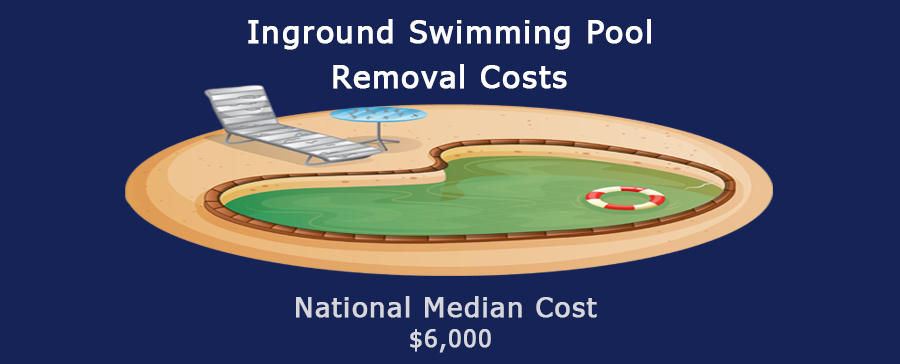
In-ground pool removal costs typically range between $3,000 and $15,000, but don't let those numbers fool you. This wide range reflects the complexity of each situation. For a basic concrete pool removal, you might expect to pay closer to $3,000 to $5,000. However, if your pool has special features, is located in a challenging area, or requires additional work, costs can easily double or even triple. Think of it like buying a house - the base price is just the beginning of the story.
Factors That Impact Removal Pricing
Several elements influence how much you'll actually pay:
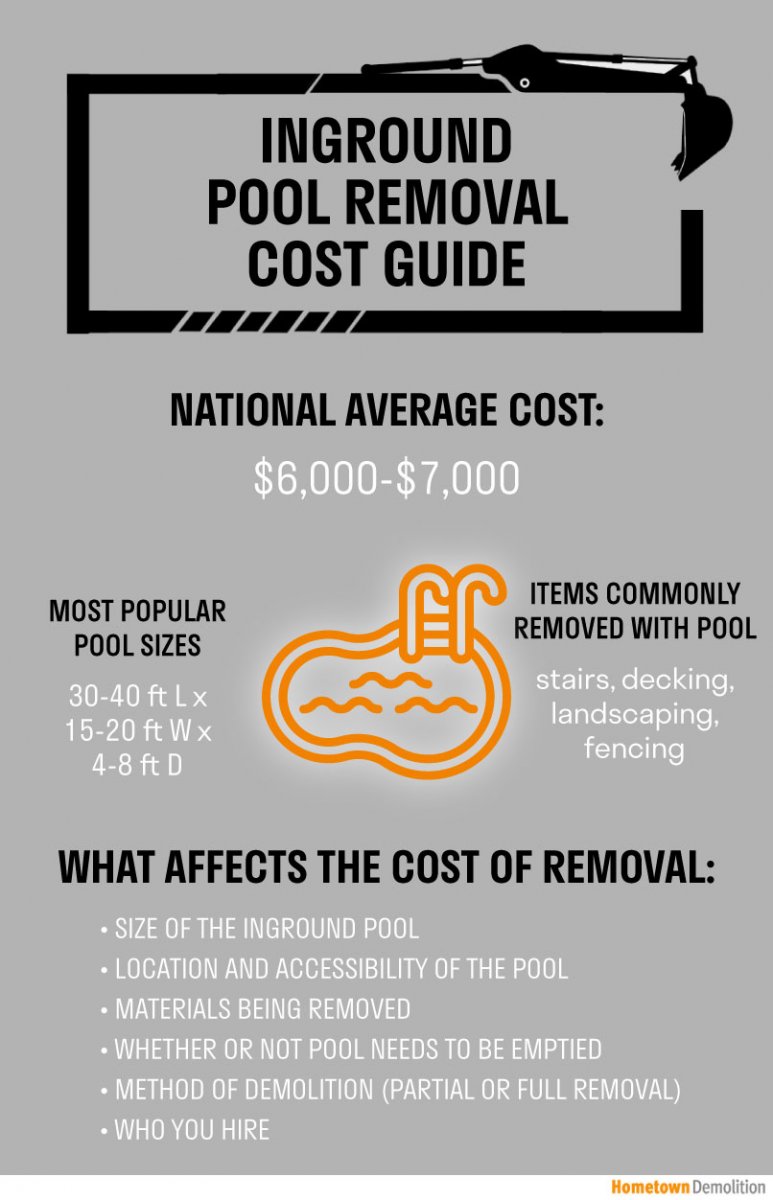
Let's break down some of these. A small fiberglass pool in an open area might cost less than a large concrete pool in a tight backyard with existing landscaping. And don't forget about those utility lines - they can add unexpected complications and costs.
The Impact of Pool Type and Size
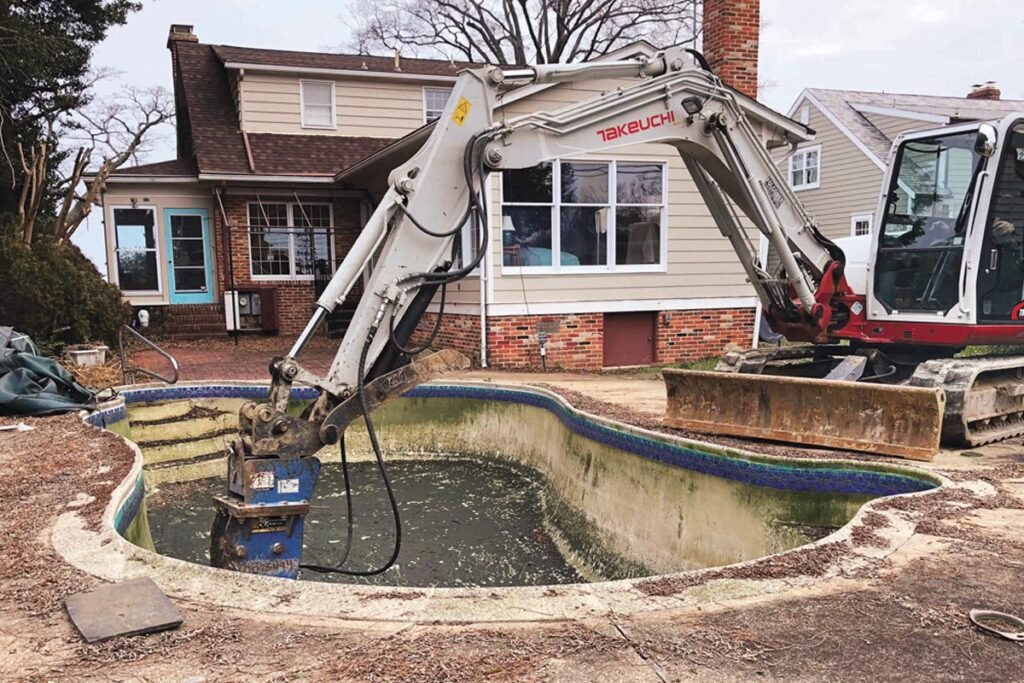
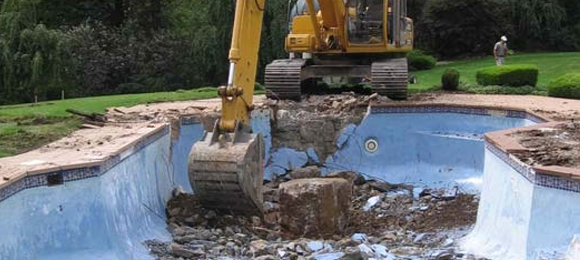
Not all pools are created equal when it comes to removal costs. Concrete pools tend to be the most expensive because they're massive structures built to last decades. They require heavy equipment and careful demolition. Fiberglass pools are generally less costly to remove since they're lighter and often can be cut up and hauled away. Vinyl-lined pools fall somewhere in between.
Size matters too. A 12x24 foot pool will cost significantly less than a 20x40 foot pool. The larger the pool, the more concrete, water, and debris you're dealing with. And remember, bigger pools often mean more structural support that needs to be addressed.
Hidden Expenses You Might Not Expect
Here's where many people get caught off guard. The initial quote might seem reasonable, but additional costs can pile up quickly:
One homeowner we spoke with thought she was paying $4,000 for pool removal. When she got the final bill, it was nearly $8,000. The difference? She didn't account for the fact that her pool sat on a slope, requiring extra excavation work and soil stabilization.
Seasonal Considerations and Timing
When you schedule the removal can affect costs. Contractors often charge more during peak seasons - typically spring and summer - when demand is high. Winter months might offer better rates, but weather can sometimes complicate things. If you're planning to remove your pool in the winter, you might face challenges with frozen ground or snow, which could increase costs.
Consider timing carefully. Some contractors might offer seasonal discounts, while others might charge premium prices for urgent work. It's worth calling around to see what's available when you need it.
DIY vs. Professional Removal
While some people consider taking on pool removal themselves, it's rarely recommended for in-ground pools. These structures are heavy, complex, and often involve hazardous materials. Without proper equipment and experience, DIY attempts can lead to serious injury or property damage.
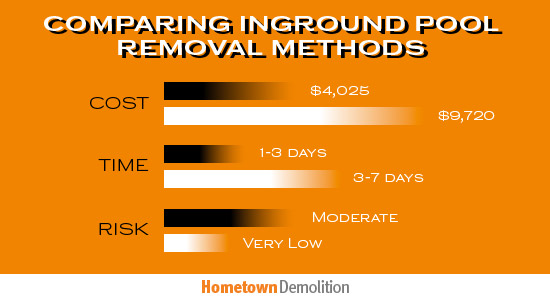
Professional removal ensures safety, compliance with local regulations, and proper disposal. Plus, professionals know how to handle unexpected situations that might arise during demolition. For example, discovering old electrical wiring or plumbing lines can quickly escalate costs if not handled properly.
What to Look for in a Reputable Contractor
Choosing the right contractor is crucial to keeping costs reasonable and ensuring quality work. Here's what to look for:
Don't go with the cheapest option. Sometimes, a slightly higher price reflects better service, quality materials, and fewer surprises later. One family learned this lesson the hard way when they chose the lowest bidder for pool removal, only to discover they'd paid for poor-quality work that needed fixing.
Permits, Regulations, and Legal Requirements
Pool removal isn't just about digging up concrete. Many areas require permits, especially if the pool is connected to utilities or if there are environmental concerns. You might need to obtain permits for excavation, water removal, or waste disposal. Some cities even require environmental impact assessments for certain types of pools.
Check with your local building department before hiring anyone. They can tell you what's required and help you avoid costly mistakes. A good contractor should already know these requirements and help navigate them for you.
Preparing for the Process
Before the actual removal begins, there are several steps to prepare:
This preparation phase can take days or weeks, depending on the complexity of your situation. Some people underestimate how much time and effort goes into proper preparation, leading to delays and additional costs.
Post-Removal Considerations
Once your pool is gone, you still have work ahead. Consider what you want to do with the space:
Some contractors offer post-removal services, while others leave that to you. Factor in these potential costs when budgeting. One client we interviewed said she was surprised to find that her pool removal cost $6,000, but her landscaping restoration cost another $4,000. Planning ahead helps avoid these surprises.
Money-Saving Tips for Pool Removal
There are ways to manage costs without sacrificing quality:
Some people find that asking for a detailed itemized breakdown of costs helps them understand exactly what they're paying for. Others benefit from scheduling work during slower months when contractors might offer better rates.
Red Flags to Avoid
Be cautious of these warning signs when choosing a contractor:
These red flags often indicate problems down the road. A reputable contractor should be happy to explain their process, show you examples of past work, and provide clear documentation of their services.
Removing an in-ground pool is far more complex than simply digging it up. The total cost depends on numerous factors, from pool size and type to local regulations and unexpected complications. Understanding these variables helps set realistic expectations and prevents costly surprises. While the expense might seem daunting, proper planning, research, and contractor selection can make the process manageable. Remember, the cheapest option isn't always the best choice. Investing in quality work now can save you money and headaches later. Whether you're preparing to sell your home, redesign your backyard, or simply want to eliminate an outdated feature, knowing what to expect makes all the difference. The key is being informed, asking the right questions, and working with professionals who understand the full scope of in-ground pool removal.


