
Imagine having a beautiful outdoor living area right above your home's roof. It's not just a dream anymore. Building a deck over your roof can create amazing space for entertaining, relaxation, and enjoying the outdoors year-round. But before you start planning, there are several important factors to consider.
Adding a deck over your existing roof might sound like a big undertaking, but it's actually quite achievable with the right approach. Whether you want to extend your living space or simply create a new area for outdoor activities, building a roof-deck combination requires careful planning and understanding of structural requirements. The key is knowing what you're working with and what you need to do to make it safe and functional. This guide will walk you through everything from assessing your roof's capacity to choosing the right materials and construction methods.
Understanding Roof Load Capacity
Before you even think about building a deck over your roof, you must know how much weight your existing roof can handle. Not every roof can support the additional load of a deck and its users. A typical residential roof is designed to carry about 20 pounds per square foot for live loads, plus snow loads in winter areas. However, a deck with furniture, people, and equipment can easily exceed these limits.
Think about it this way: if you're planning to build a deck over a 20-foot by 20-foot roof area, that's 400 square feet. If you plan to have 50 pounds per square foot of live load plus the weight of the deck itself, you're looking at around 20,000 pounds of total weight. That's why checking your roof's load capacity is crucial. You'll want to consult with a structural engineer who can assess your specific situation. They'll examine your roof trusses, rafters, and overall structure to determine what's safe.
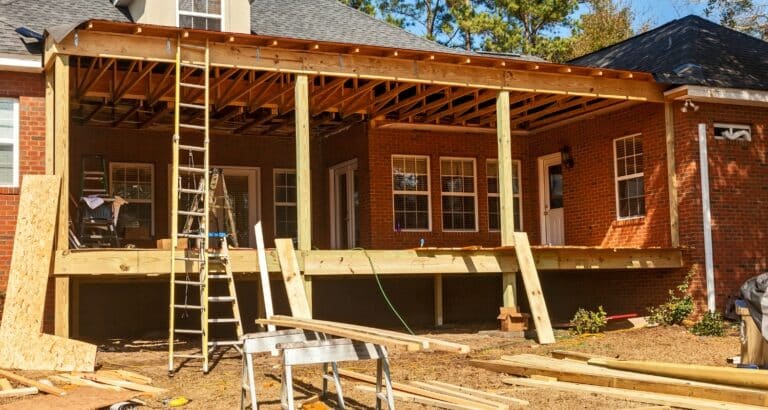
Some signs that your roof may be overloaded include sagging, creaking sounds, or visible damage. If you notice any of these issues, don't attempt to build a deck over it without professional consultation first.
Planning and Design Considerations
Designing your roof deck involves more than just picking a style. You need to think about several practical elements:
Consider the size too. A small deck might be easier to manage and less expensive, but a larger one gives more usable space. Also, think about future expansion possibilities. Sometimes it's better to build a smaller deck now and add onto it later rather than trying to make a large structure all at once.
Take some time to sketch out your ideas. Draw rough plans showing dimensions, placement of supports, and how the deck will connect to your existing structure. This helps visualize the project and spot potential problems early.
Choosing the Right Materials
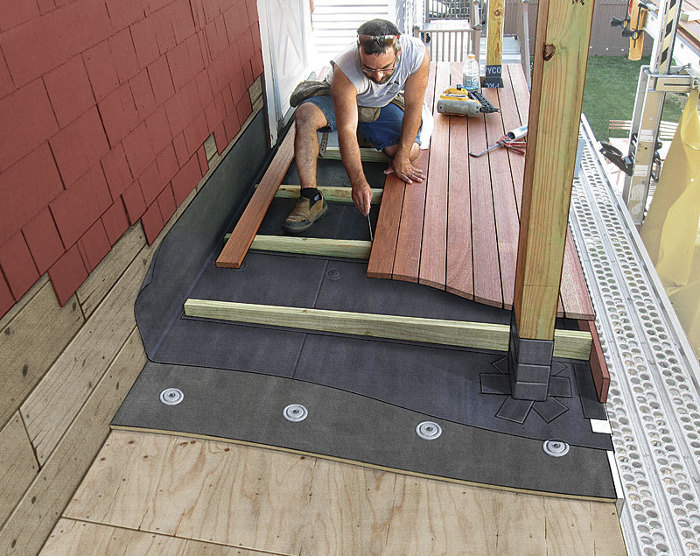
The materials you select will affect everything from cost to durability to maintenance requirements. Here are some popular options:
When selecting lumber, pay attention to grade and species. Higher-grade lumber means fewer knots and defects, leading to a stronger final product. Also, consider the climate in your area. In regions with high humidity or frequent rain, choose materials that resist moisture well.
Don't forget about fasteners and hardware. Stainless steel screws and bolts are recommended for outdoor projects to prevent rusting. Galvanized components work well too, though they may still corrode over time in harsh conditions.
Structural Support and Foundation
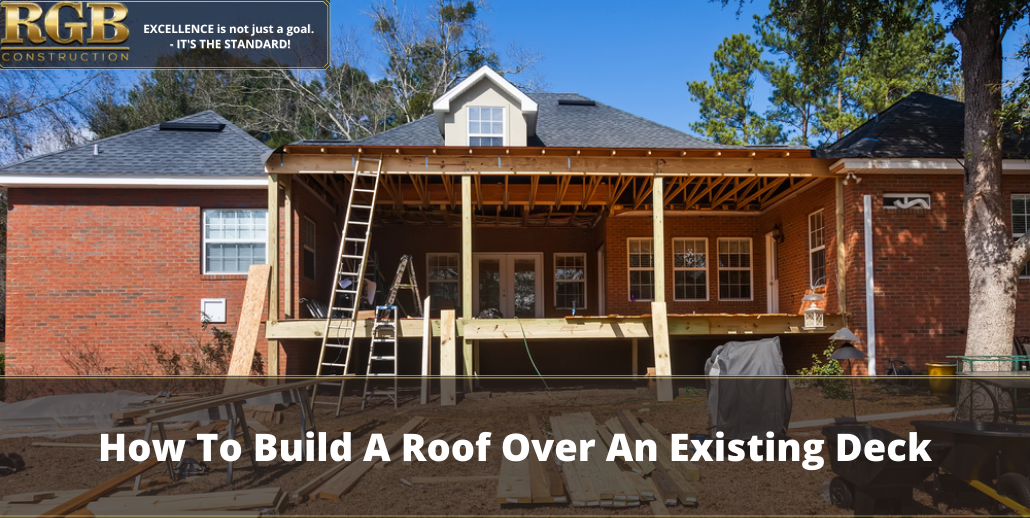
Building a strong foundation is the backbone of any successful roof deck project. Your deck needs solid support that can distribute weight evenly across the roof structure. There are two main approaches:
The key is ensuring that whatever support system you choose can handle the dead load (weight of the deck itself) plus live load (people, furniture, etc.). Typically, this means a minimum of 40 pounds per square foot for live load plus 10-15 pounds per square foot for dead load. That's why consulting with professionals is so important.
Another critical factor is the connection between the deck and the house. You'll need to ensure that the deck's attachment points won't compromise the structural integrity of your home. This includes checking that there are no electrical lines, plumbing, or other utilities running through the area where you plan to install your deck.
Safety Features and Code Compliance
Safety should always come first when building any structure, especially one that's elevated. Here are some essential safety measures:
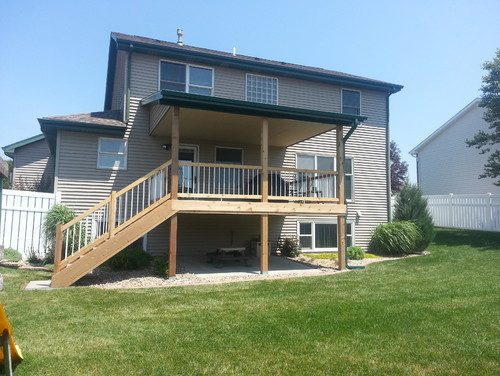
Local building codes vary significantly. Some areas require permits for decks over roofs, while others have specific height restrictions. Always check with your local building department before starting. They can tell you about zoning laws, setback requirements, and any special provisions for elevated structures.
Consider hiring a professional inspector to review your plans and final construction. This investment can save you from costly mistakes and ensure compliance with all regulations.
Installation Process and Timeline
Once you've planned everything and gathered your materials, it's time to start building. The process typically takes anywhere from a few days to a couple of weeks depending on size and complexity.
Here's a general timeline:
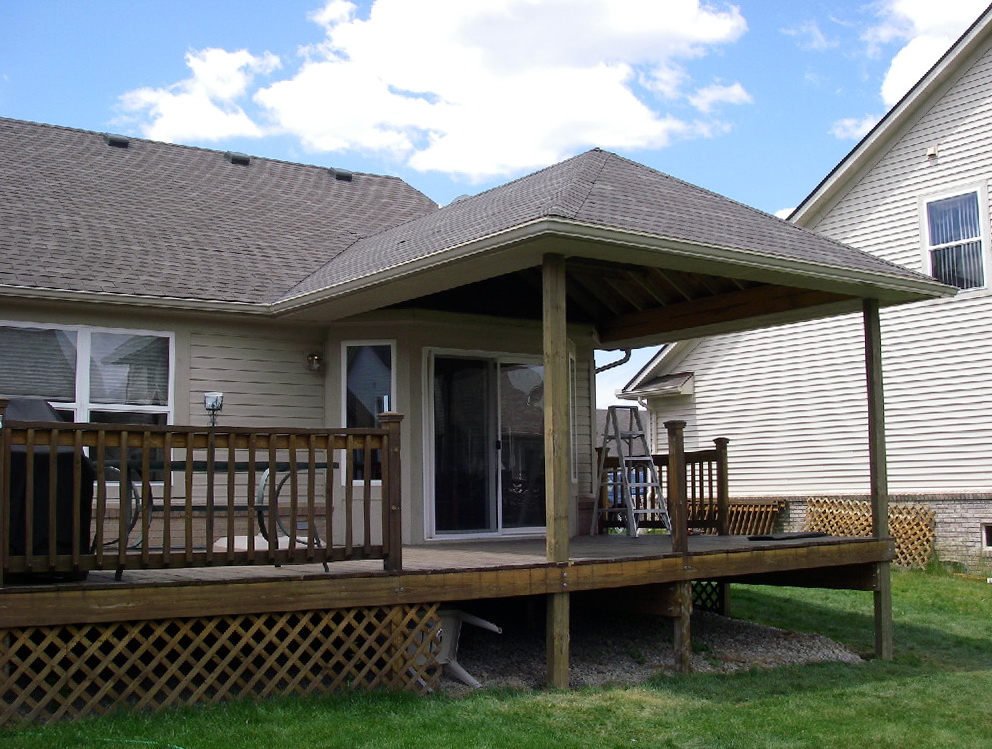
Start by preparing the site. Clear the area around your roof opening and protect your existing roof from debris. If you're installing an independent frame, you might need to temporarily remove some roofing materials to gain access to the underlying structure.
Framing is perhaps the most critical phase. This is where you establish the basic shape and support structure. Make sure all measurements are exact and that your frame is perfectly square. Even small errors can cause problems later when installing the deck surface.
When installing the deck surface, work systematically from one end to the other. Start with the longest boards and work toward the edges. Leave proper gaps between boards for expansion and contraction. These gaps should be consistent and typically range from 1/8 inch to 1/4 inch depending on the material.
Regular checks throughout the process help catch issues early. Measure twice, cut once, and always double-check that everything aligns properly. Small adjustments made during construction can prevent major problems later.
Maintenance and Longevity Tips
A well-built roof deck can last decades with proper care. Here are some tips to keep yours looking great and performing safely:
Consider keeping a maintenance log to track when you last treated the deck, inspected it, or made repairs. This helps you stay organized and ensures nothing gets overlooked.
Remember that a deck over a roof isn't just another room - it's a significant investment in your property. Taking good care of it will ensure it continues providing enjoyment for years to come. The effort you put into maintaining it now pays dividends in safety, appearance, and longevity.
Building a deck over your roof is definitely possible, but it requires thoughtful planning, quality materials, and attention to detail. From checking your roof's load capacity to following local building codes, each step matters. The investment you make in proper planning and construction pays off in years of enjoyment and increased property value.
Whether you're creating a peaceful retreat or a lively entertainment space, a roof deck can transform your home. Just remember to take your time, follow safety guidelines, and don't hesitate to seek professional advice when needed. With the right approach, your new deck can become one of your favorite places in the entire house.


