
Imagine waking up one morning to find your perfectly manicured lawn has suddenly transformed into a gaping hole. It's terrifying, but it happens more often than you think. Sinkholes can appear seemingly out of nowhere, leaving homeowners scrambling to understand what went wrong. These underground caverns form when water erodes underlying rock layers, creating voids that eventually cause the surface to collapse. Understanding the warning signs early could save you thousands in repairs and potentially prevent serious injury.
Sinkholes aren't just something that happen in movies or distant places. They're real threats that can affect anyone living in areas prone to certain geological conditions. Whether you've noticed unusual cracks in your driveway or your garden has started looking like a moonscape, there might be more going on beneath your feet than meets the eye. The good news? Most sinkholes give plenty of warning signs before they become dangerous. Recognizing these early indicators can mean the difference between a simple repair and a major emergency situation.
What Exactly Is a Sinkhole?
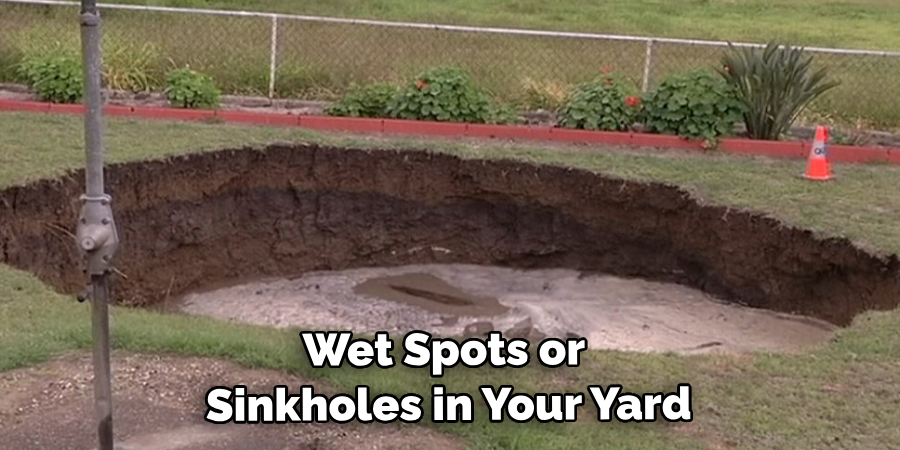
A sinkhole is essentially a hole that forms in the ground when the earth above it suddenly gives way. This usually happens when water dissolves underground rock like limestone, salt beds, or gypsum. Think of it like a bathtub slowly draining - except instead of water going down the drain, it's the earth disappearing beneath your feet. The process can happen gradually over months or years, or it can occur very quickly after heavy rain or seismic activity.
The most common type is called a dissolution sinkhole, which occurs in areas with soluble bedrock. When groundwater flows through these rocks, it slowly eats away at them, creating underground cavities. Eventually, the weight of everything above pushes down on these weakened spots, causing a sudden collapse. It's like watching a house of cards come tumbling down, except it's happening beneath your property.
Early Warning Signs to Watch For

The first sign of trouble might seem small, but it's worth paying attention to:
These aren't always sinkhole indicators, but when combined, they can signal something significant happening beneath your property. It's like having a car that makes strange noises - you don't wait until it breaks down completely.
Visual Indicators That Should Alarm You
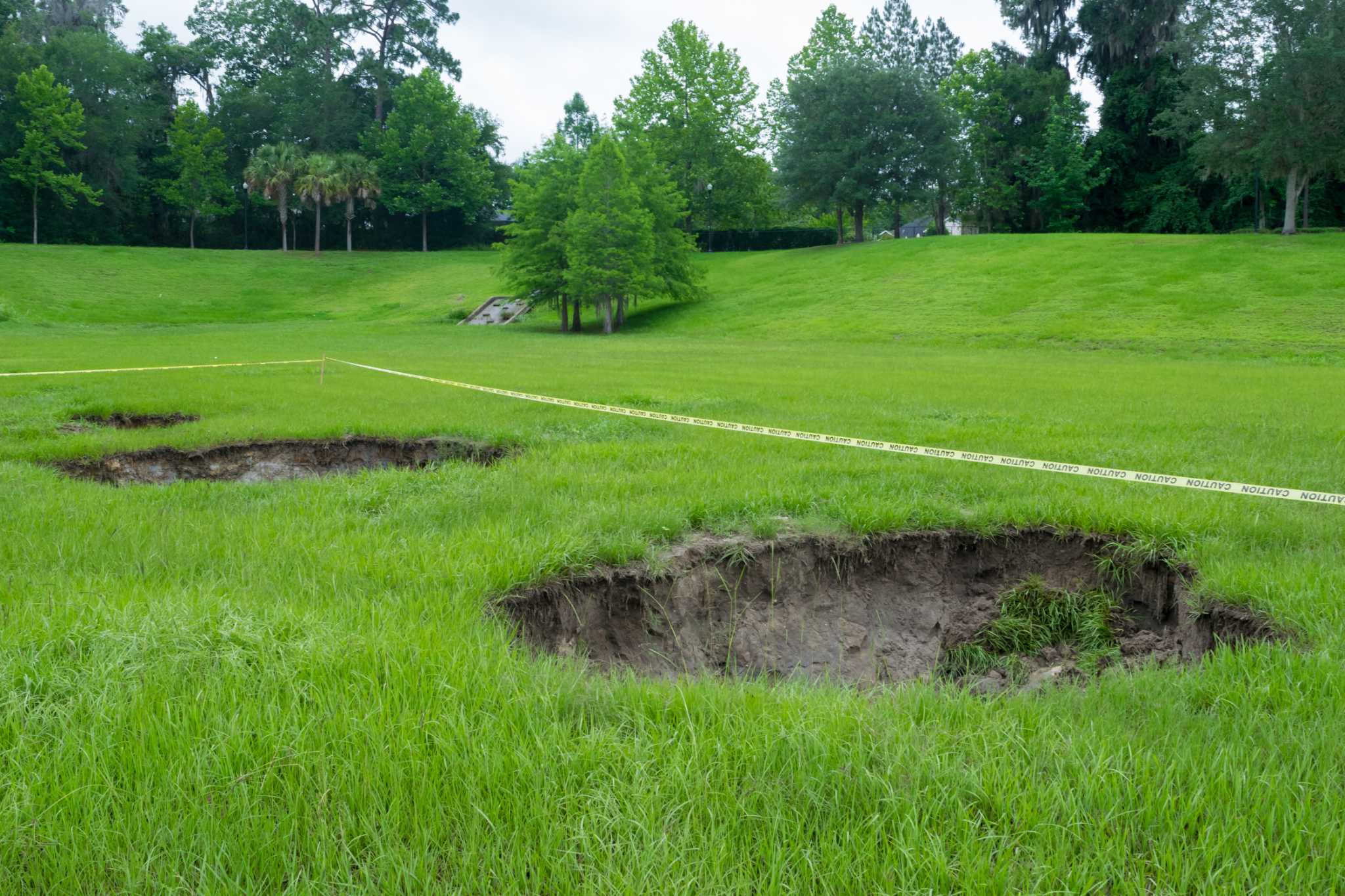
Sometimes the signs are obvious enough that you can't ignore them:
One homeowner in Florida discovered his entire backyard had collapsed after noticing his garden hose had been sitting in a depression that hadn't existed the day before. The sinkhole was about three feet wide and two feet deep. He was lucky he didn't step in it during his morning walk.
Why Some Areas Are More Susceptible
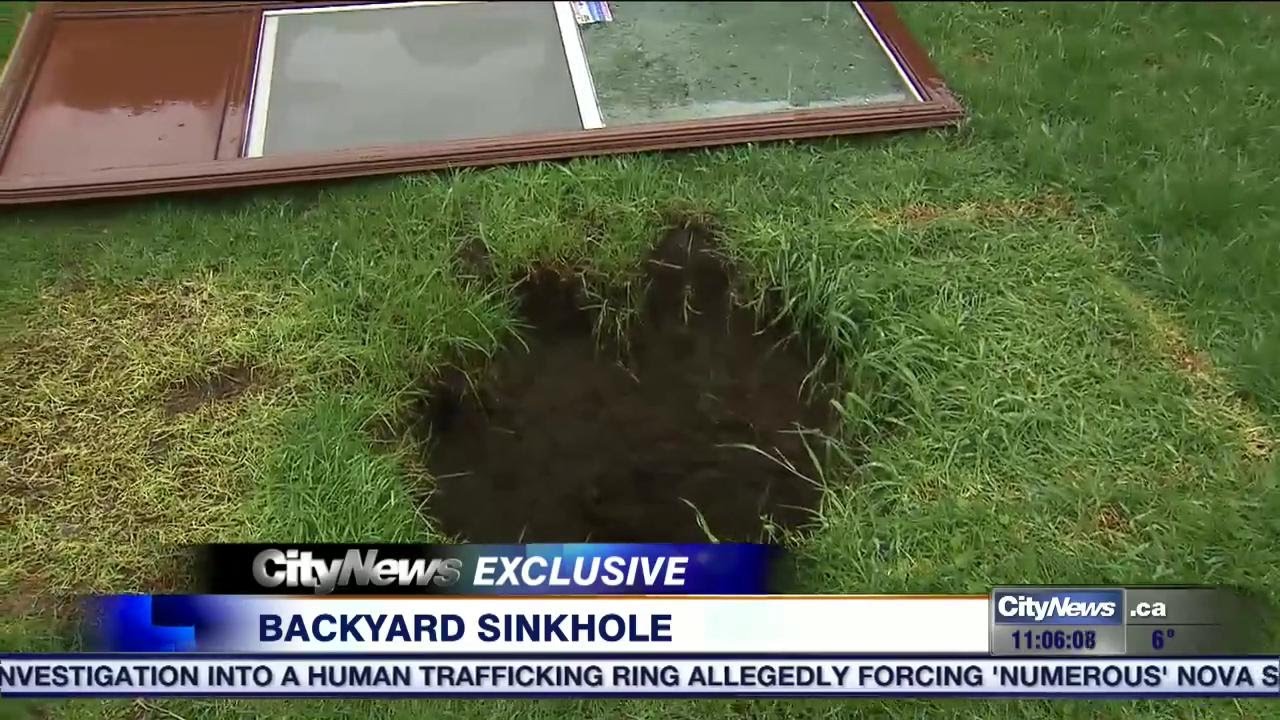
Not every neighborhood is equally at risk for sinkholes. Certain geological conditions make some locations more vulnerable:
Florida gets the most press for sinkholes, but they occur across the United States, particularly in states like Texas, Missouri, Alabama, and Pennsylvania. The key is knowing what to look for in your specific area, because what might seem normal in one place could be alarming in another.
What to Do If You Suspect a Sinkhole
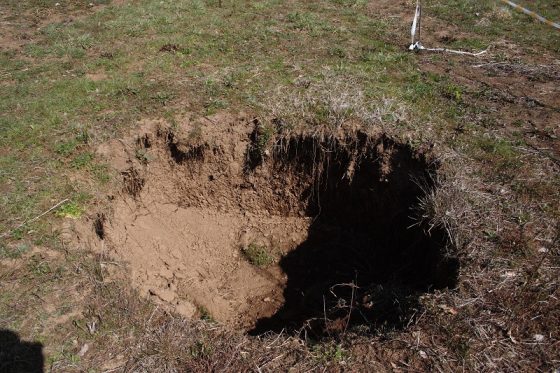
If you notice any concerning signs, don't panic, but do take action:
Many people try to fix sinkhole problems themselves, but this can make things worse and create safety hazards. Professional assessment is crucial, especially if you see signs of structural damage to buildings. A simple crack in your driveway might indicate a larger problem underneath.
Prevention and Protection Strategies
While you can't always prevent sinkholes, you can reduce risks:
Some communities require sinkhole insurance for properties in high-risk zones. Others offer public education programs about recognition and prevention. Understanding your local risks and taking preventive steps can save you from major headaches later. Prevention isn't always possible, but awareness certainly is.
Sinkholes represent one of nature's more unpredictable threats to property and safety. While they may seem like rare occurrences, they're actually quite common in certain regions and often give warning signs before becoming dangerous. The key is staying alert and understanding what to look for. Whether it's a small crack in your sidewalk or an unexpected dip in your lawn, these signs shouldn't be ignored. By learning to recognize the subtle warnings and acting quickly, you can protect your home, family, and investments. Remember, when it comes to sinkholes, knowledge really is power. Don't wait until the ground gives way beneath your feet to realize something's wrong.


