
Picture this: you're standing in your backyard, looking at a six-foot fence, wondering if those graceful creatures can clear it. You've probably seen deer gracefully bounding through fields, but have you ever wondered just how high they can actually leap? It's a question that pops up everywhere from wildlife management to backyard gardeners trying to keep their veggies safe.
Deer are incredibly athletic animals, known for their ability to navigate challenging terrain with ease. Whether they're leaping over fallen logs in dense forests or clearing obstacles in open meadows, their jumping prowess has fascinated humans for generations. But when it comes to fences, the question becomes more practical than academic. How tall does a fence need to be to effectively keep deer out of your property? The answer isn't as simple as it might seem, and it varies significantly based on several factors. From the species of deer to the terrain conditions, there's a whole science behind understanding deer jumping capabilities.
Basic Deer Jumping Abilities
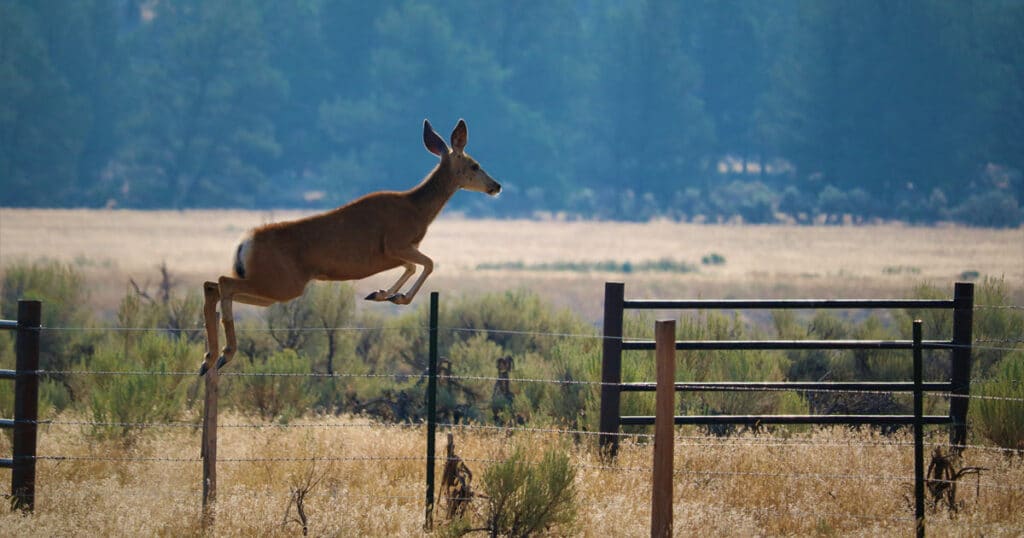
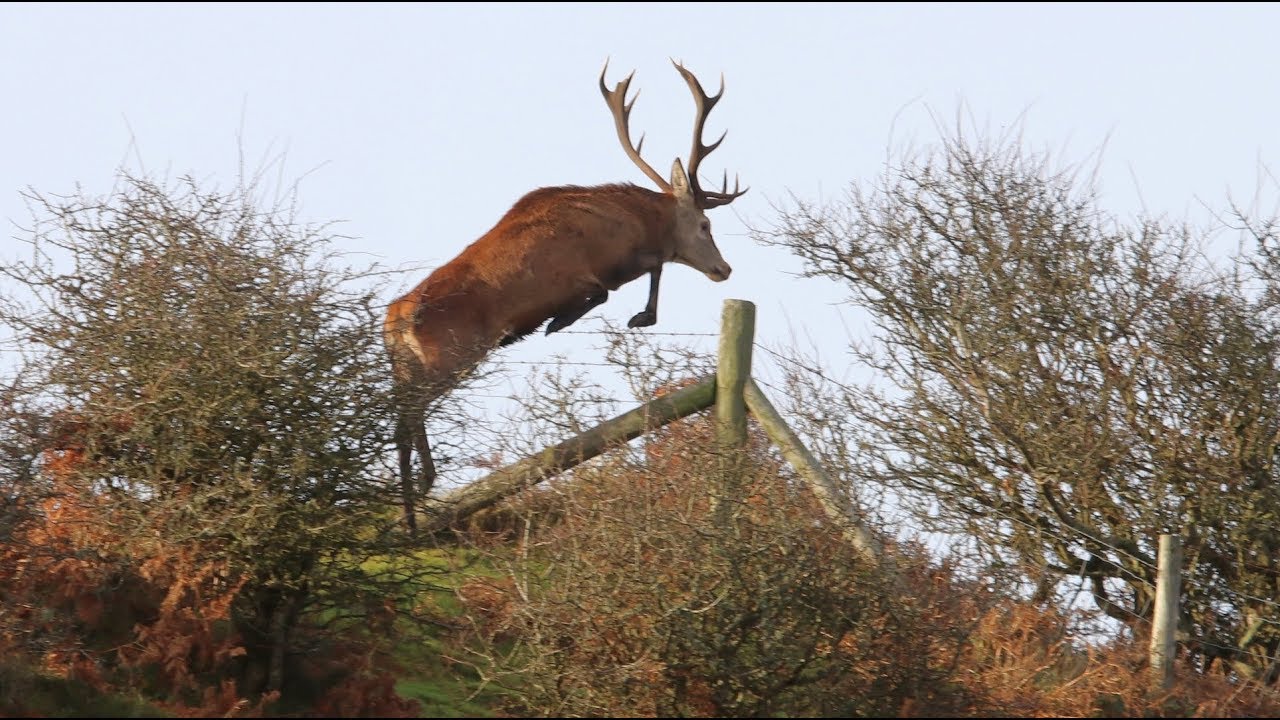
Most deer can easily clear fences that are between four and six feet tall. This range covers the majority of common residential fencing scenarios. However, let's not get too comfortable with those numbers. A mature whitetail deer can actually jump up to eight feet vertically in ideal conditions. That's taller than many people realize! The key word here is 'ideal conditions.' When deer are motivated to cross a barrier, they'll often exceed their normal jumping capacity. Imagine a deer desperately needing to reach food sources or escape danger - suddenly, those eight-foot jumps become possible. The average adult deer weighs between 120 and 300 pounds, depending on the species. Their powerful hind legs give them tremendous explosive force. Think of it like a well-trained athlete preparing for a competition. They can push themselves beyond normal limits when the situation demands it.
Species Differences in Jumping Heights
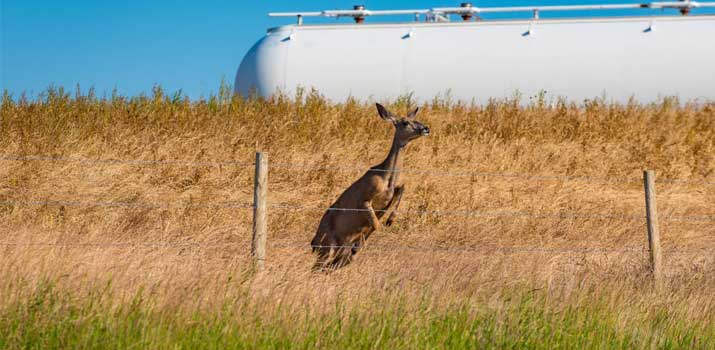
Not all deer are created equal when it comes to jumping ability. White-tailed deer tend to be the most agile jumpers among North American species. They can clear barriers up to eight feet high, especially when they're young and in good physical condition. Mule deer, on the other hand, are slightly less impressive in terms of vertical jumping. They typically manage around six to seven feet. But here's something interesting: mule deer are better at jumping horizontally than white-tails. They're more adapted for rocky, mountainous terrain where horizontal movement matters more than vertical leaps. Black-tailed deer fall somewhere in the middle of this spectrum. They're quite capable jumpers, but usually don't attempt jumps exceeding six feet unless absolutely necessary. These differences matter because if you're trying to protect your garden from specific types of deer, knowing their jumping capabilities helps you plan accordingly. For example, if you live in an area where mule deer are common, you might need to consider a slightly taller fence than if you're dealing with white-tailed deer.
Factors That Influence Jumping Ability
Several variables affect exactly how high a deer can jump at any given moment. The first major factor is age. Young deer are often more adventurous and willing to take risks. They're still learning about their environment and may attempt jumps that older deer would avoid. Seasonal changes also play a role. During mating season, bucks become more aggressive and willing to take dangerous leaps. In winter, when food is scarce, deer will go further to find sustenance, including attempting higher jumps. Weather conditions are crucial too. Snowy conditions can actually make jumping easier for deer since snow provides cushioning. Conversely, wet or muddy ground reduces traction and makes jumps more difficult. The type of fence material matters enormously. Deer can easily jump over chain link fences, but they'll struggle with solid wood or metal barriers. The surface texture affects their grip. Smooth surfaces are much harder to leap from than rough bark or textured materials. Terrain also plays a huge part. If deer are running downhill toward a fence, they can add significant extra height to their jumps. Conversely, uphill approaches require more effort and typically result in shorter jumps.
Real-World Examples and Case Studies
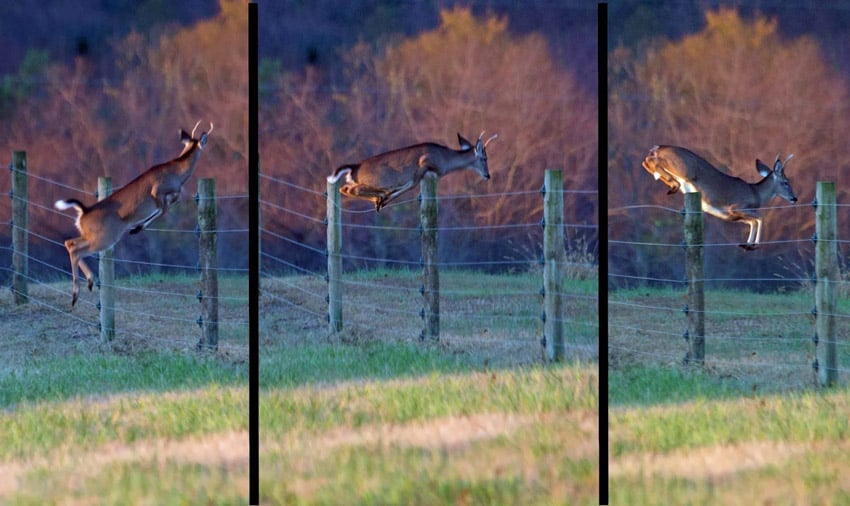
Consider this scenario: a homeowner in rural Pennsylvania had a six-foot chain link fence protecting their vegetable garden. Despite this barrier, deer were still getting in regularly. Why? The fence was old and had gaps in the mesh. More importantly, the deer had developed a routine path that allowed them to jump from a nearby tree onto the fence top before dropping down on the other side. Another case involved a farm in Colorado where deer were consistently jumping over a five-foot fence. The solution wasn't just raising the fence height, but adding a sloped approach to reduce their launch angle. In one particularly interesting case study, researchers tracked a group of white-tailed deer in Michigan. They discovered that during heavy rain, deer were able to jump nearly two feet higher than normal. This shows just how adaptable these animals are to changing conditions. Commercial farms have reported similar findings - deer often exploit weaknesses in fencing rather than simply jumping over the top.
Practical Solutions for Garden Protection
So what do you do if you're trying to keep deer out of your garden? The key isn't necessarily building the tallest fence possible, but creating barriers that work with deer behavior. Installing a fence that's at least eight feet tall is generally recommended for maximum protection, though this can be expensive. A more cost-effective approach involves using multiple barriers. Consider a two-tiered system: a lower fence that deer might try to jump over, combined with a taller upper barrier that prevents access. Adding a slight slope to the approach area can make jumping more difficult. Some gardeners have found success with electric fencing, which deer learn to avoid quickly. The key insight is that deer aren't stupid - they'll find ways around almost any barrier. Understanding their typical jumping patterns helps you design more effective defenses. Many successful deer-proof gardens combine physical barriers with scent deterrents and strategic plant placement.
Beyond Fencing: Alternative Protection Methods
Fencing alone rarely solves the deer problem completely. Consider integrating additional strategies for comprehensive protection. Motion-activated sprinklers can startle deer and discourage them from approaching your garden. Scent-based deterrents work well when deer become accustomed to seeing the same visual barriers repeatedly. Planting deer-resistant varieties creates a natural buffer zone. These include lavender, sage, and ornamental grasses that deer typically avoid. Physical barriers like chicken wire or netting can protect individual plants. Some gardeners have had success with reflective tape or wind chimes that create movement and noise. Creating alternative food sources away from your garden can redirect deer attention. The most effective approach combines multiple methods rather than relying on a single solution. Remember, deer are intelligent animals that adapt quickly to new situations. What works today might stop working tomorrow as they learn new patterns.
Understanding deer jumping abilities gives us a clearer picture of why some fencing solutions work while others fail. The reality is that deer can surprise us with their athletic capabilities, often exceeding our expectations. Rather than simply focusing on height, we need to consider the entire context of how deer move through their environment. Whether you're a gardener trying to protect your vegetables or a wildlife manager working with deer populations, knowing these jumping patterns helps you make better decisions. The most successful strategies combine multiple approaches, understanding that deer are clever, adaptive creatures. So the next time you see a deer gracefully clearing a fence, remember that you're witnessing the result of millions of years of evolution. Their jumping ability isn't just about athleticism - it's about survival in a world full of challenges. The best way to deal with deer isn't always to build higher fences, but to understand their behaviors and work with them rather than against them.


