
Adding salt to your pool might seem like a simple task, but there's more to it than meets the eye. Whether you're a seasoned pool owner or someone just starting out, understanding when it's safe to swim after adding salt is crucial. The timing isn't just about convenience – it's about protecting your health and ensuring your pool operates properly.
Pool owners often wonder how long they need to wait before taking a dip after adding salt. This question comes up frequently because salt affects water chemistry and can impact the pool's filtration system. The answer isn't always straightforward, and it depends on several factors. Some people rush in immediately after adding salt, while others wait days. What's the right approach? Let's explore the science behind it and find out how long you should wait.
Understanding Salt Pool Systems

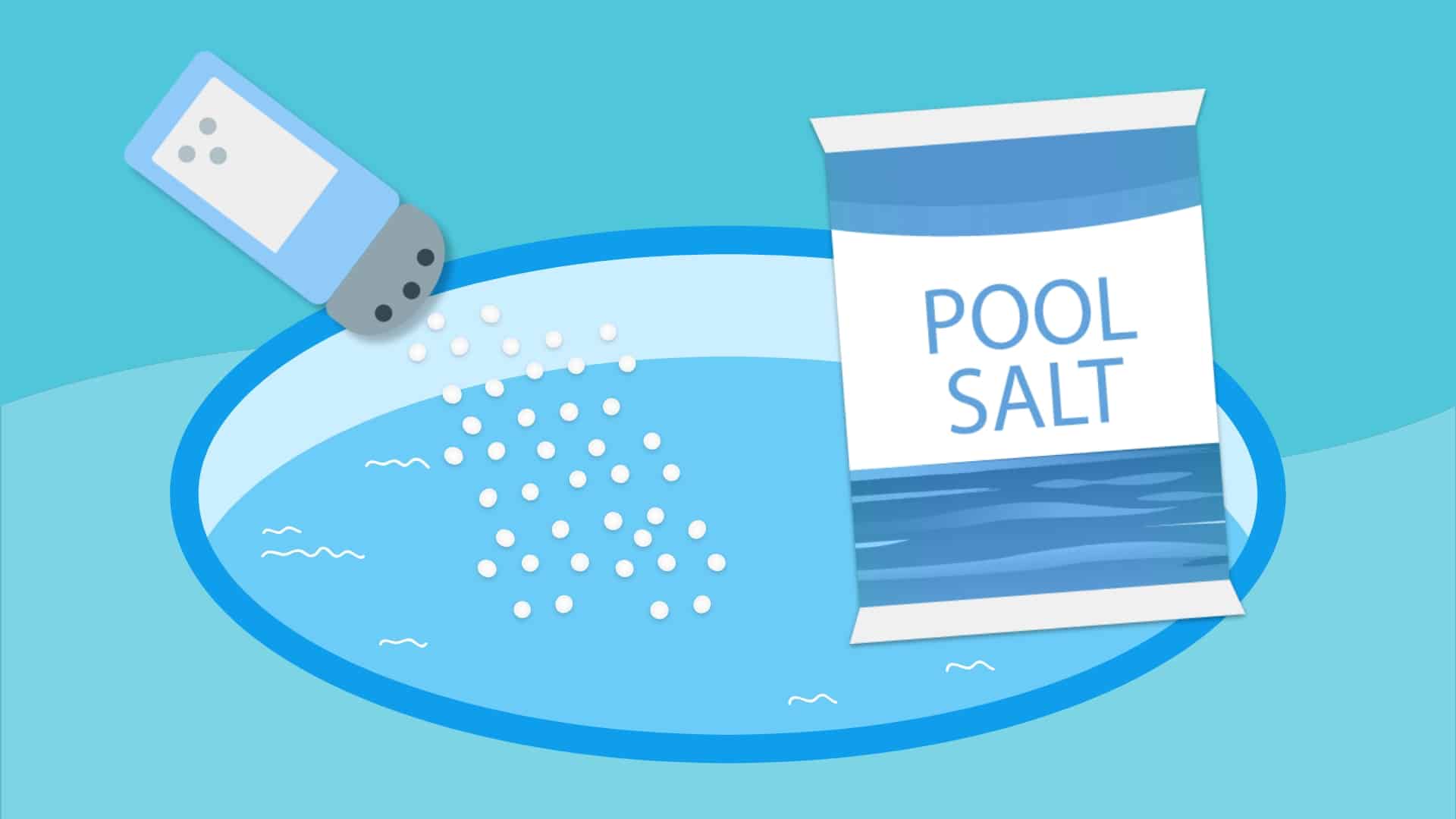
Salt pools work differently than traditional chlorine pools. Instead of manually adding chlorine tablets or liquid, salt pools use a salt chlorinator that converts salt into chlorine through electrolysis. This process happens continuously, providing a steady supply of sanitizer. But here's the catch – fresh salt needs time to dissolve and distribute evenly throughout the water.
Think of it like stirring a cup of coffee. You wouldn't expect the sugar to dissolve instantly, right? The same principle applies to pool salt. The salt crystals need time to break down and mix with the water. This isn't just about convenience – it's about creating a balanced chemical environment.
The Dissolution Process
When you add salt to a pool, it starts dissolving immediately. However, complete dissolution takes time. The rate depends on several factors:
Most pool experts recommend waiting at least 24 hours before swimming. This allows enough time for the salt to fully dissolve and circulate throughout the entire pool. During this time, the salt concentration stabilizes, reducing the risk of irritation.
Chemical Balance Considerations
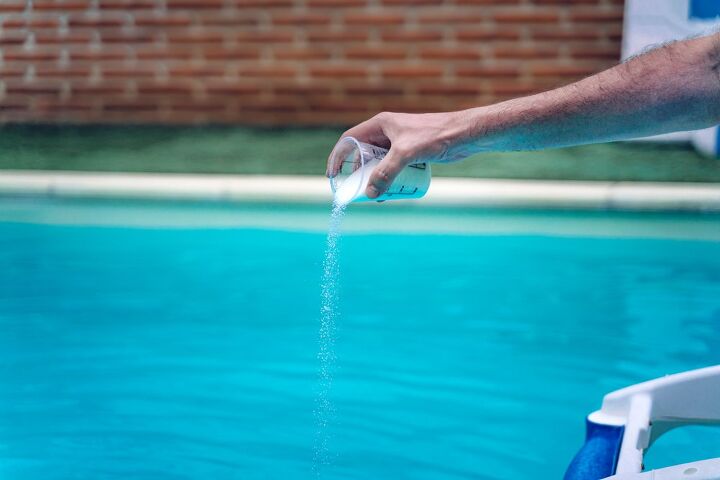
Adding salt changes the chemical balance of your pool water. The salt concentration affects the pH levels, alkalinity, and overall water chemistry. These changes happen gradually, and rushing into the pool too soon can cause problems.
Imagine trying to swim in water that's too salty – your skin and eyes would sting. While the salt concentration in pools is carefully controlled, sudden additions can disrupt the delicate balance. It's not just about taste – it's about comfort and safety.
Some pool owners notice immediate changes in their pool's feel or appearance after adding salt. This is normal and part of the adjustment process. The key is allowing time for everything to settle.
Factors That Affect Waiting Time
Several variables influence how long you should wait:
Some pool technicians suggest waiting 48 hours for large pools or those with heavy usage. Smaller pools might be ready in 24 hours. It's worth noting that if you're adding salt to a new pool or one that's been empty for a while, you might want to wait longer.
Signs Your Pool Is Ready
There are telltale signs that indicate your pool is ready for swimming:
If you're unsure, it's better to wait a little longer rather than risk discomfort. Many pool owners prefer to test their water chemistry before swimming. This gives them confidence that everything is within safe ranges.
Best Practices for Salt Addition
Here are some tips to make your salt addition process smoother:
Consider adding salt during off-peak hours when the pool isn't being used. This gives the salt more time to dissolve without interference from swimmers. Also, remember that some salt may settle at the bottom initially, so gentle circulation is important.
So when can you safely swim after adding salt to your pool? The general rule is to wait at least 24 hours, though 48 hours is safer for larger pools or those with heavy usage. The key is patience and attention to your pool's behavior. Every pool is different, and factors like size, temperature, and filtration system all play a role.
Don't rush the process. While it might be tempting to jump in immediately, taking a few extra hours ensures both your comfort and your pool's health. Think of it as giving your pool a chance to adjust and rebalance. After all, a well-maintained pool provides the best experience for everyone who uses it. Remember, a little wait goes a long way toward enjoying a safe and pleasant swim.


