
Picture this: You've spent weeks planning your garden, planting seeds with hope and dreams, only to find your prized vegetables mysteriously disappeared overnight. It's not the work of a burglar, but rather the graceful yet destructive presence of deer. These elegant creatures can leap over fences that seem perfectly adequate to us. So how tall should your fence be to truly keep them out? This question isn't just about numbers—it's about finding the right balance between protection and practicality.
Deer have an uncanny ability to surprise us with their athletic prowess. What appears to be a simple wooden fence might become a jumping challenge for these nimble animals. The reality is that deer aren't just interested in eating your plants—they're curious, agile, and often determined to reach whatever's on the other side. Whether you're protecting a small flower bed or managing a large agricultural area, understanding the proper fence height becomes crucial. This guide explores everything you need to know about deer-proof fencing, from basic requirements to creative solutions that actually work.
Understanding Deer Behavior and Jumping Abilities

Before we dive into specific measurements, it's important to understand why deer are such effective escape artists. Adult deer can jump remarkably high—typically 8 feet or more—and they're not just limited to vertical leaps. They can also bound horizontally across gaps, sometimes covering distances of 15 feet in a single leap. The average white-tailed deer can clear a 6-foot fence easily, but experienced deer can manage 8 feet or even higher. This behavior varies based on several factors including age, season, food availability, and habitat conditions.
Consider the story of a gardener in Ohio who built a 4-foot fence around her vegetable patch. Within days, deer were regularly leaping over it with ease. She wasn't alone in this experience. Many homeowners face similar challenges when underestimating the capabilities of these graceful creatures. The key is to think like a deer when planning your barrier.
Minimum Recommended Heights for Different Scenarios
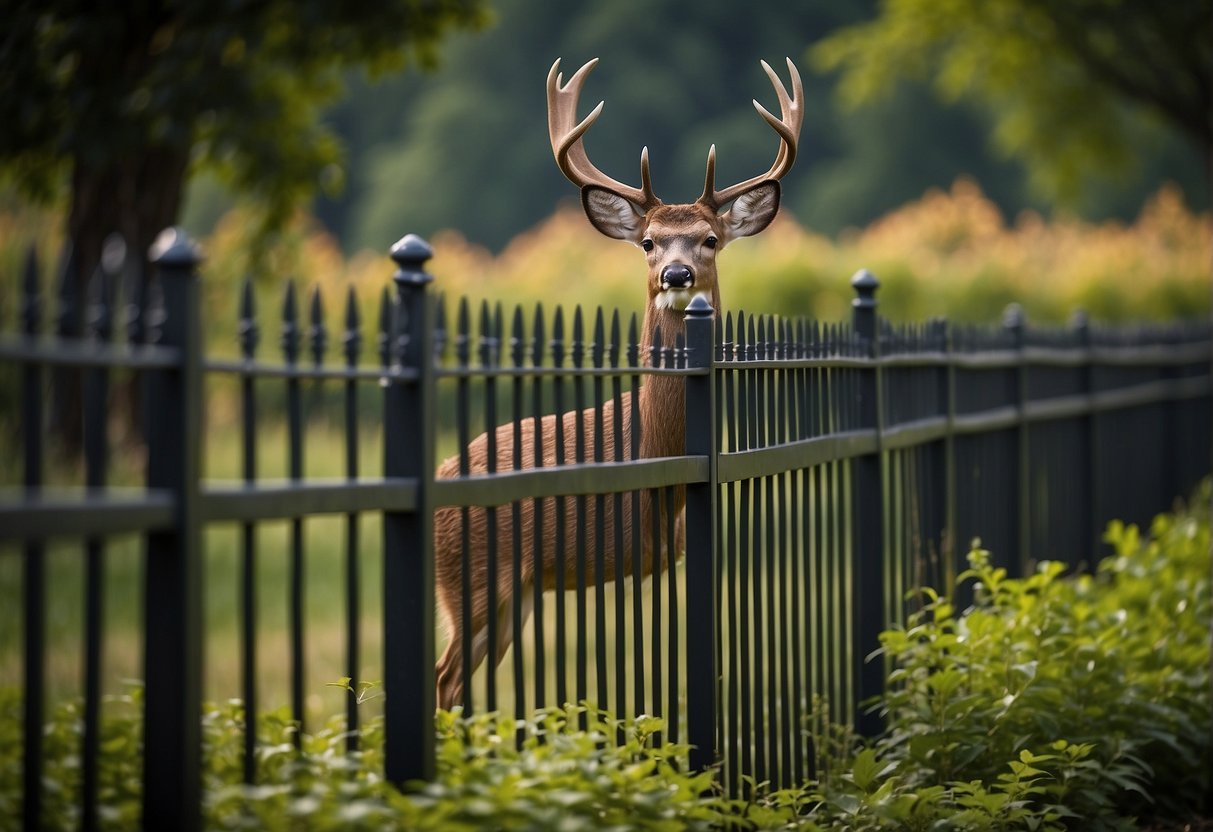
The science behind deer-proof fencing is straightforward: you need to exceed their natural jumping capacity. For most situations, a minimum of 8 feet is recommended. Here's a breakdown of what works best:
But wait—there's more to consider than just height. In some cases, you might want to go even higher. For example, if you're dealing with particularly aggressive deer in areas with abundant food sources, or if you're protecting delicate seedlings, going above 10 feet can provide better peace of mind. Some farmers report success with 12-foot fences when deer populations are high and food is scarce elsewhere.
The Role of Fence Design Beyond Height
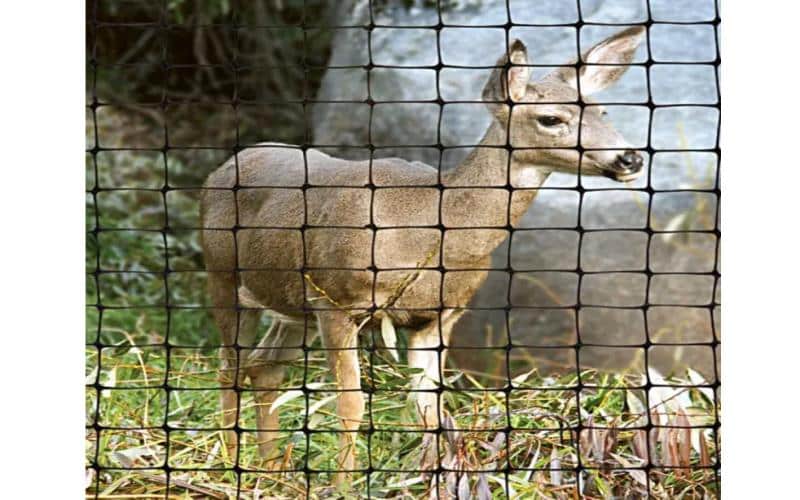
Height alone won't save you from determined deer. The design matters just as much. A 10-foot fence with a smooth surface offers little resistance to a deer's claws and hooves. Consider adding features like angled tops, barbed wire, or electric components. Some successful gardeners combine multiple elements: a 10-foot fence with a 6-inch outward bend at the top, creating a physical obstacle that makes landing difficult.
Another approach involves using materials that deer find unappealing. Deer tend to avoid certain textures and smells. Incorporating rough bark, metal mesh, or even certain types of wood can make your fence less attractive to browse. Think about it—would you want to spend time in a place that feels uncomfortable to your touch? That's exactly what deer do with fence materials.
Practical Installation Tips for Maximum Effectiveness
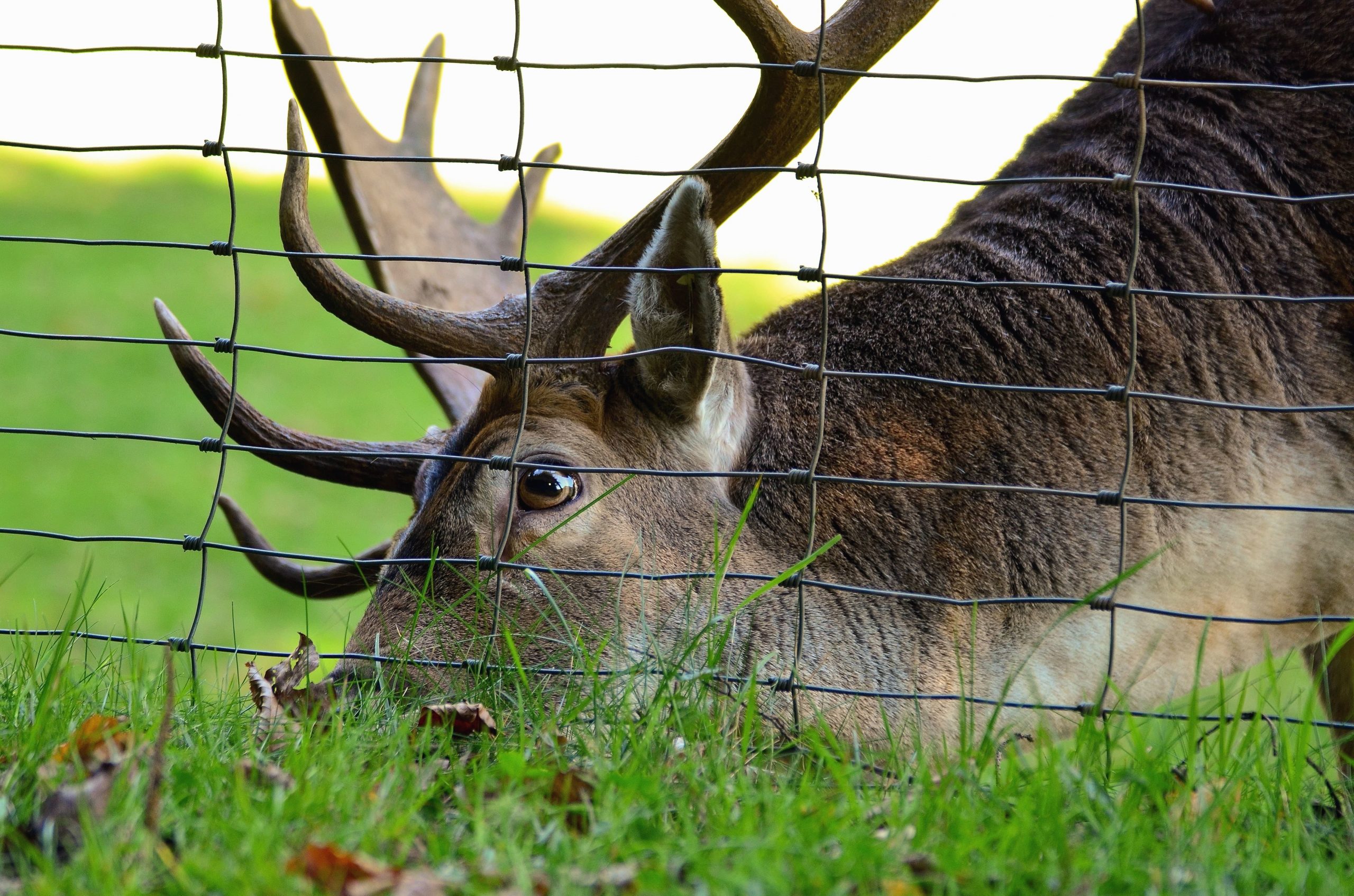
Building a deer-resistant fence isn't just about getting the right height. Proper installation techniques matter enormously. Here are some key points:
One gardener in Vermont shared her secret: she installed a 12-foot fence with a 4-foot-wide mesh panel at the top. The combination of height and texture made it nearly impossible for deer to get over. She also added a slight outward angle to the top, which discouraged any attempts at climbing.
Alternative Solutions When Traditional Fencing Isn't Enough
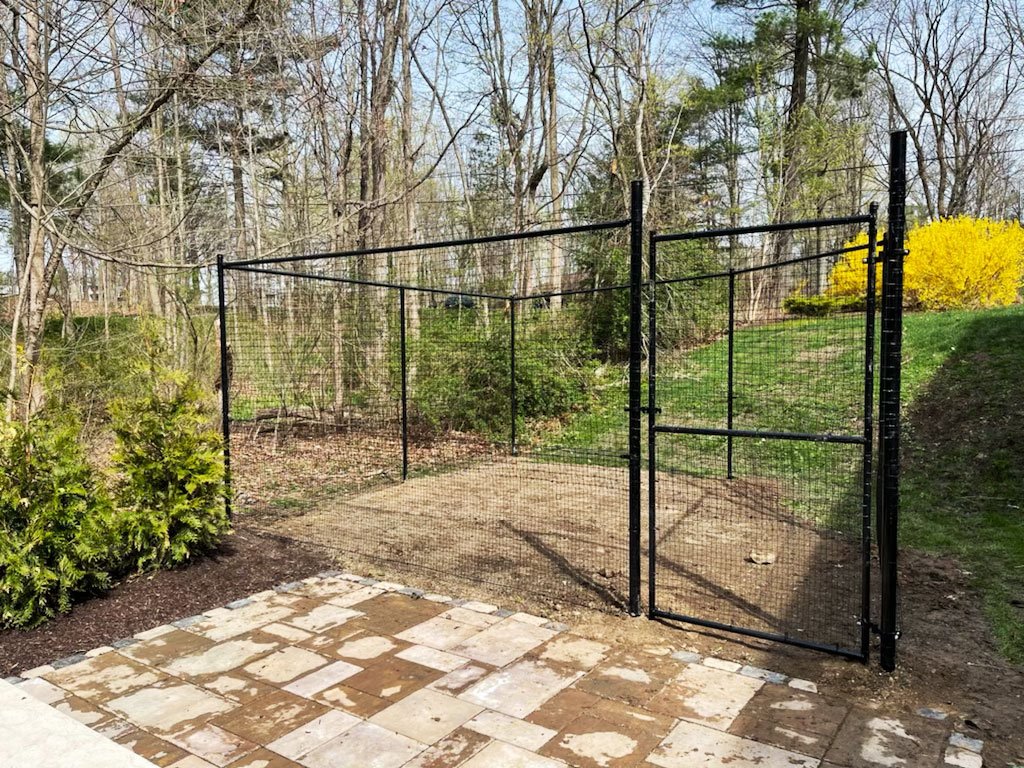
Sometimes, even the tallest fence isn't enough. If deer pressure is extreme or budget constraints limit your options, there are alternatives worth considering:
Some farmers have found success combining several methods. One approach involves installing a 10-foot fence with electric wires at 3 and 7 feet high. The bottom wire prevents ground-level access while the upper one discourages climbing. It's a multi-layered defense strategy that many find effective.
Seasonal Considerations and Changing Needs
Deer behavior changes with the seasons, affecting how well your fence works. During winter months, deer are more desperate for food and may attempt jumps they wouldn't consider in summer. Their bodies are also typically heavier during this time, making them more capable of clearing taller obstacles.
Spring brings new growth and increased browsing activity, so your fence may need reinforcement. Summer generally sees less pressure, though young deer are often more adventurous. Fall is usually the most challenging time because deer are preparing for winter and may be more aggressive in seeking food sources.
A gardener in Michigan learned this lesson the hard way. Her 8-foot fence worked fine in spring and summer, but in fall and winter, deer were consistently getting over it. She upgraded to 10 feet and added electric components during peak seasons. The investment paid off dramatically.
Protecting your garden or farm from deer requires more than just measuring height. It demands understanding the animals' capabilities, thinking strategically about design, and adapting to changing conditions. While 8 feet is a solid starting point, remember that deer are clever and persistent. What works today might need adjustment tomorrow. The key is to approach deer management with flexibility and creativity. Whether you choose to build a tall fence, add deterrents, or combine multiple strategies, the goal remains the same: keeping your plants safe while respecting these beautiful creatures. After all, they're part of the landscape we're trying to protect. With the right approach, you can find a solution that works for both you and your wildlife neighbors.


