
Have you ever wondered what it would be like to have deer wandering through your backyard? These graceful creatures aren't just beautiful to watch – they're also fascinating to observe in their natural habitat. Many people dream of attracting these gentle animals to their yards, but it's not as simple as just putting out some food. The truth is, creating a deer-friendly environment requires careful planning, understanding of deer behavior, and respect for both wildlife and property boundaries.
Picture this: you're sitting quietly in your backyard when a magnificent deer steps into view. Its eyes meet yours for a brief moment before it gracefully bounds away into the trees. This isn't just a fantasy – it's something that many homeowners actually experience. But how do you make this dream a reality? The answer lies in understanding deer preferences, creating appealing habitats, and following ethical practices that protect both wildlife and your property. Whether you're a seasoned wildlife enthusiast or someone simply curious about these amazing creatures, this guide will walk you through everything you need to know about drawing deer into your outdoor space.
Understanding Deer Behavior and Preferences
Before you start setting up your backyard for deer, it's essential to understand what these animals actually want. Deer are selective feeders with distinct taste preferences and seasonal behaviors. They're primarily browsers, meaning they prefer leaves, shoots, and tender plant growth over grasses. In spring, they crave fresh green vegetation like dandelions, clover, and young shoots. During summer, they enjoy fruits, nuts, and tender foliage. Fall brings their focus to acorns, beechnuts, and other mast crops. Winter demands different strategies as food becomes scarce.
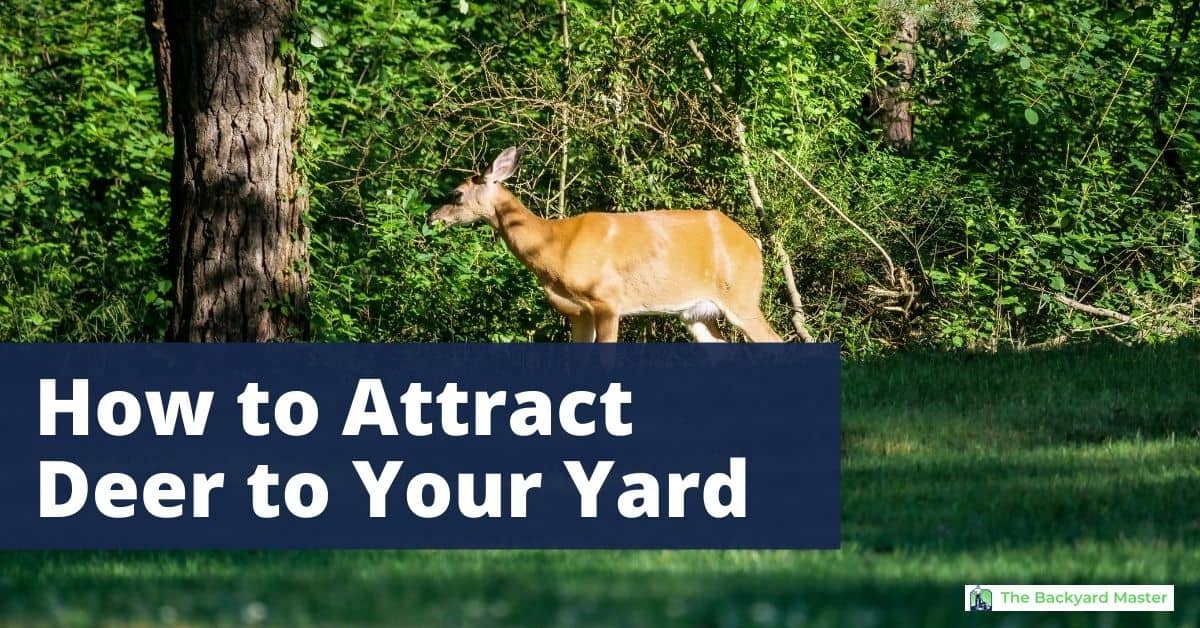
Deer are also incredibly cautious creatures. They rely heavily on their senses of smell, hearing, and sight. This means any sudden movements, loud noises, or unfamiliar scents could scare them away. Understanding that deer are most active during dawn and dusk helps you plan your attraction efforts accordingly. They also tend to stay within familiar territories, so creating a welcoming environment is crucial for long-term success.
Creating Food Sources That Work
Food is probably the biggest draw for deer, but choosing the right plants and foods matters enormously. Native plants are always the best choice because they're adapted to local conditions and provide the nutrients deer naturally seek. Some excellent options include:
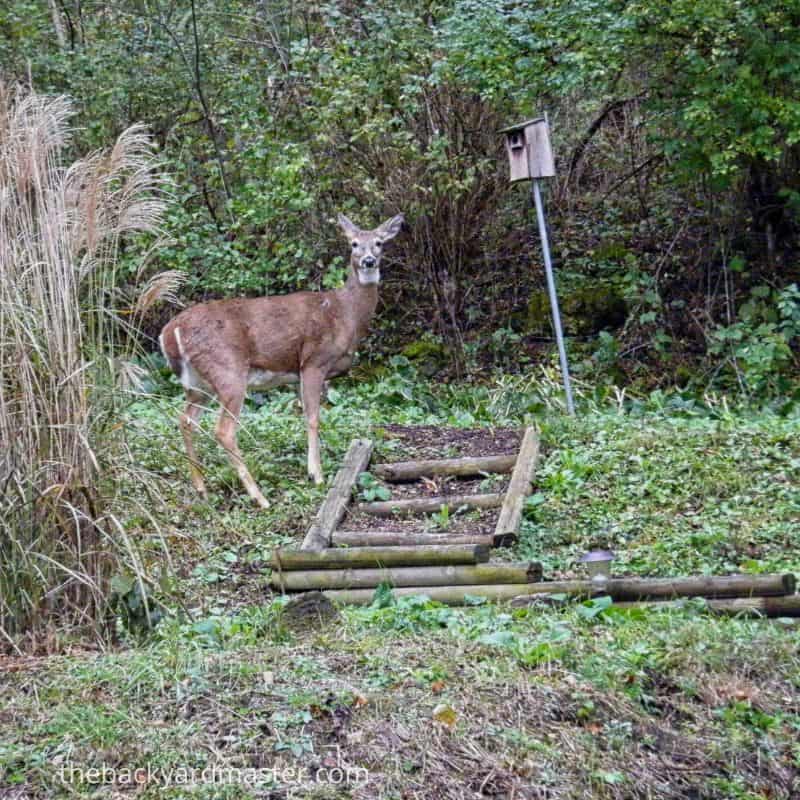
Planting a variety of these species across different seasons ensures year-round appeal. Consider creating small food plots using native seeds, though check local regulations first. For immediate results, hanging feeders can work, but remember that deer prefer natural food sources over processed feed. Also, avoid feeding them human foods like bread or corn, which can be harmful to their digestive systems.
Providing Water Access
Water is one of the most critical elements in attracting deer. These animals need fresh water daily, especially during hot weather or dry periods. If you don't already have a water source in your yard, consider installing a small birdbath or fountain. Deer are attracted to moving water, so a fountain or small waterfall can be particularly effective. You might also create a shallow pond or water feature, ensuring it's safe for wildlife and doesn't pose risks to pets or children.
Location matters too. Place water sources away from obvious human activity areas, but within easy walking distance from cover. Deer prefer to drink in open areas where they can see approaching threats, but they'll often approach water sources that are partially concealed by vegetation. Regular maintenance keeps water clean and appealing. During winter months, ensure water sources don't freeze completely, as deer may stop visiting if they can't access fresh water.
Establishing Safe Habitat Features
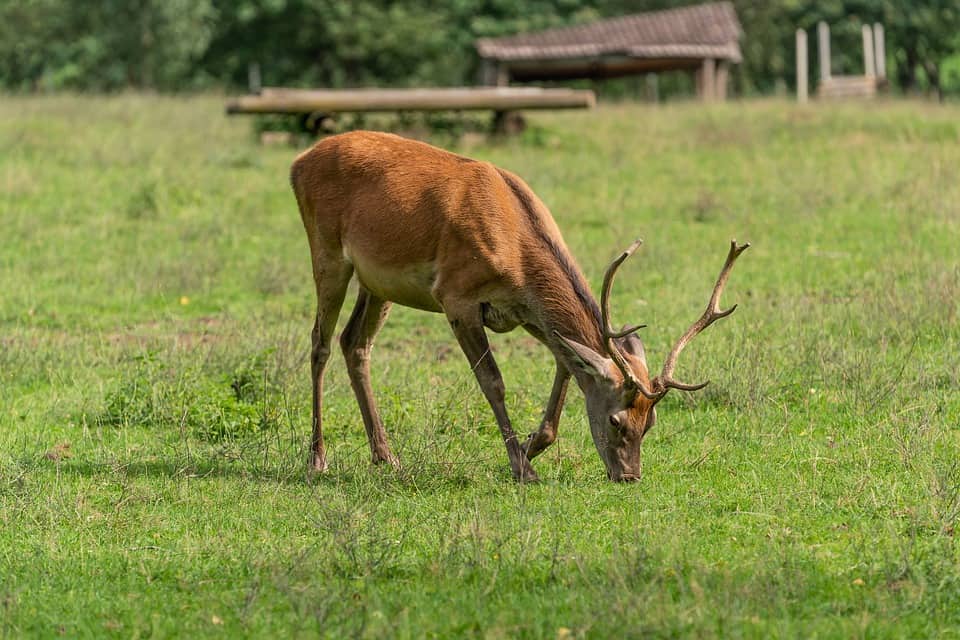
Deer need more than just food and water – they need places to hide, rest, and feel secure. Creating safe havens is crucial for long-term success. Dense shrubs and trees provide excellent cover for deer to rest during the day and escape predators. Evergreen trees, especially those with thick branches, make ideal hiding spots. Consider planting native shrubs like holly, rhododendron, or serviceberry around the edges of your property.
Natural barriers like thick hedges or brush piles can also serve as escape routes and resting areas. These features should be strategically placed to give deer multiple options for shelter while maintaining visibility to potential dangers. Remember that deer often travel along established trails between food sources, water, and shelter. Creating corridors of suitable habitat helps them navigate safely through your yard.
Seasonal Considerations and Timing
Timing plays a huge role in deer attraction efforts. Spring is generally the best time to start planting native vegetation because new growth is most appealing to deer. During this season, they're actively seeking fresh greenery after winter dormancy. Summer brings opportunities to add fruiting plants and ensure water sources remain adequate.
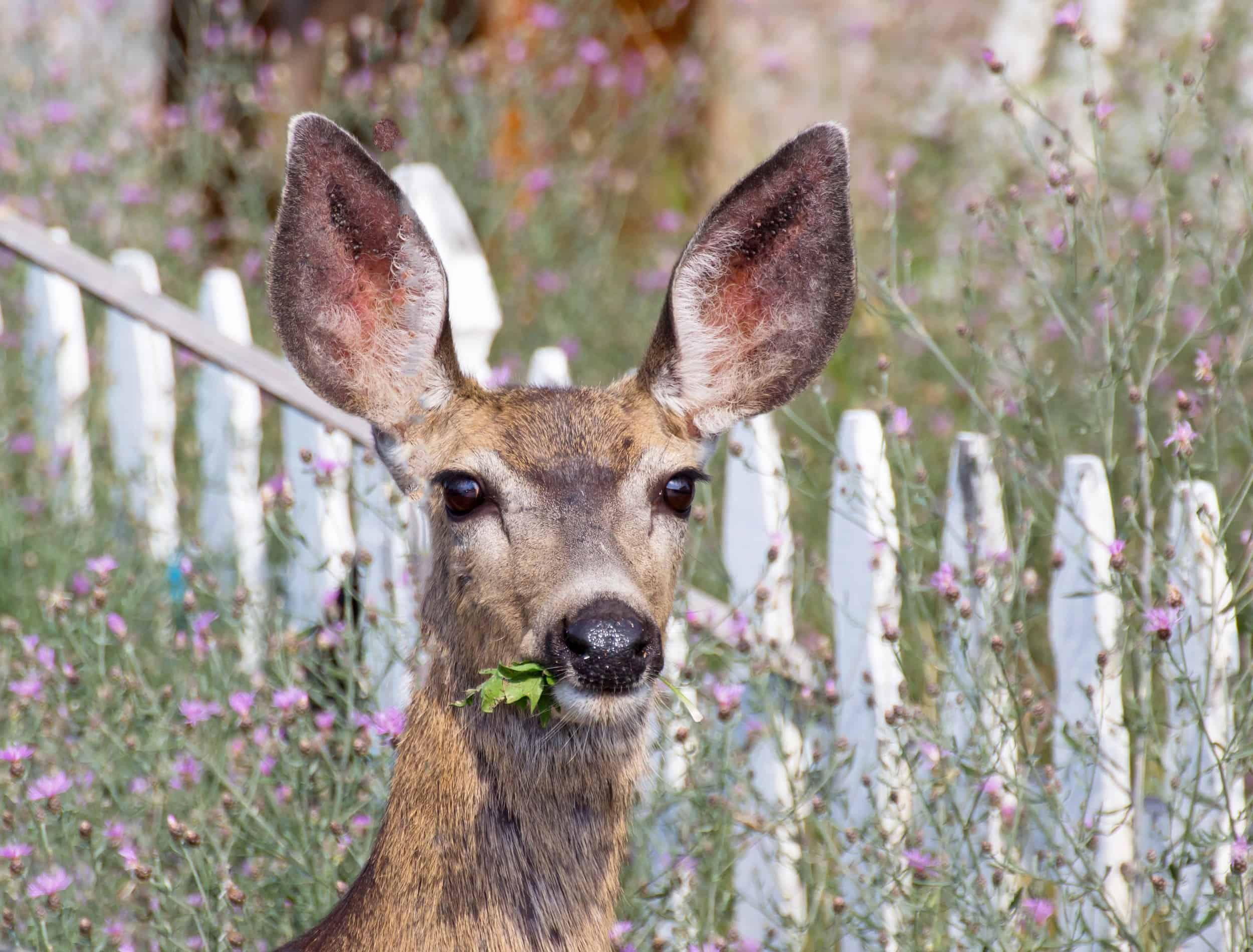
Fall is perhaps the most exciting time for deer visitors, as they prepare for winter by building fat reserves. Providing high-calorie foods like nuts and mast crops during this period can significantly increase your chances of attracting them. Winter presents challenges since food is scarcer, but deer still need access to browse and water. Keeping your food sources available and providing additional shelter can help deer survive harsh conditions.
Understanding these seasonal patterns helps you maximize your efforts. Planning ahead for each season ensures continuous appeal and reduces stress on local deer populations.
Ethical Practices and Legal Compliance
Attracting deer to your yard comes with responsibilities. First and foremost, always check local laws and regulations regarding wildlife feeding. Many areas prohibit or restrict feeding deer due to health concerns and potential conflicts with human activities. Some states require permits for certain types of wildlife management activities.
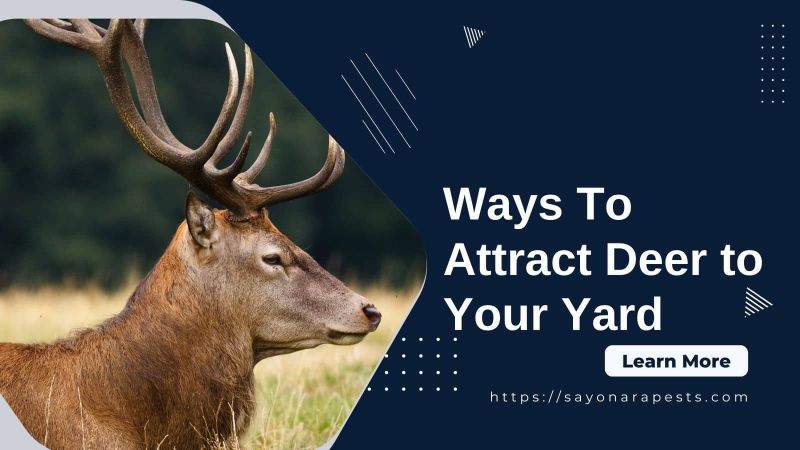
Ethical considerations include avoiding harm to deer and respecting their natural behaviors. Feeding deer can disrupt their normal foraging patterns and make them dependent on artificial food sources. It can also lead to overpopulation in areas where deer numbers are already high. Additionally, concentrated feeding sites can spread disease among deer populations.
Instead of relying solely on food placement, focus on creating sustainable habitat improvements. These efforts support deer populations while minimizing negative impacts on their natural behaviors and health. Always maintain a respectful distance and never attempt to touch or feed wild deer directly. Remember, these animals are wild and can carry diseases that affect humans.
Attracting deer to your yard is a rewarding endeavor that requires patience, understanding, and respect for wildlife. By focusing on creating natural habitat features rather than just offering food, you're more likely to succeed in drawing these magnificent creatures into your space. Remember that success isn't measured by how many deer visit, but by how well you've created a healthy environment that supports their needs.
The journey toward attracting deer involves learning about their behaviors, selecting appropriate plants, ensuring water availability, and providing safe spaces for them to rest. It's also important to approach this effort ethically and legally. While it's tempting to want to see deer every day, allowing them to live naturally in their environment is ultimately more beneficial for both parties.
Whether you're watching from a distance or simply knowing that deer are nearby, the experience of connecting with nature in your own backyard is truly special. With proper planning and consideration, you might just find yourself enjoying the presence of these graceful animals while contributing to the health of local ecosystems.


