
Picture this: you're walking barefoot through your lush green backyard, enjoying the fresh air, when suddenly you step on something squishy and unexpected. That's when you realize... mushrooms have taken over your yard. These curious fungi seem to pop up everywhere, often after rain or during humid weather. They're not just unsightly - they can be a sign of underlying issues in your soil. But fear not, there are several ways to tackle these unwanted guests and reclaim your outdoor space.
Mushrooms in your yard might look like nature's little surprises, but they can quickly become a nuisance. Whether they appear after a heavy rainstorm or persist through dry spells, these fungi are telling you something about your soil conditions. Sometimes they're harmless, other times they might indicate problems with drainage or organic matter levels. Understanding why mushrooms grow in your yard is the first step toward eliminating them effectively. The good news? There are multiple approaches you can take, from simple preventive measures to targeted treatments. Let's explore the most effective strategies to get rid of these mysterious growths.
Understanding Why Mushrooms Appear in Your Yard
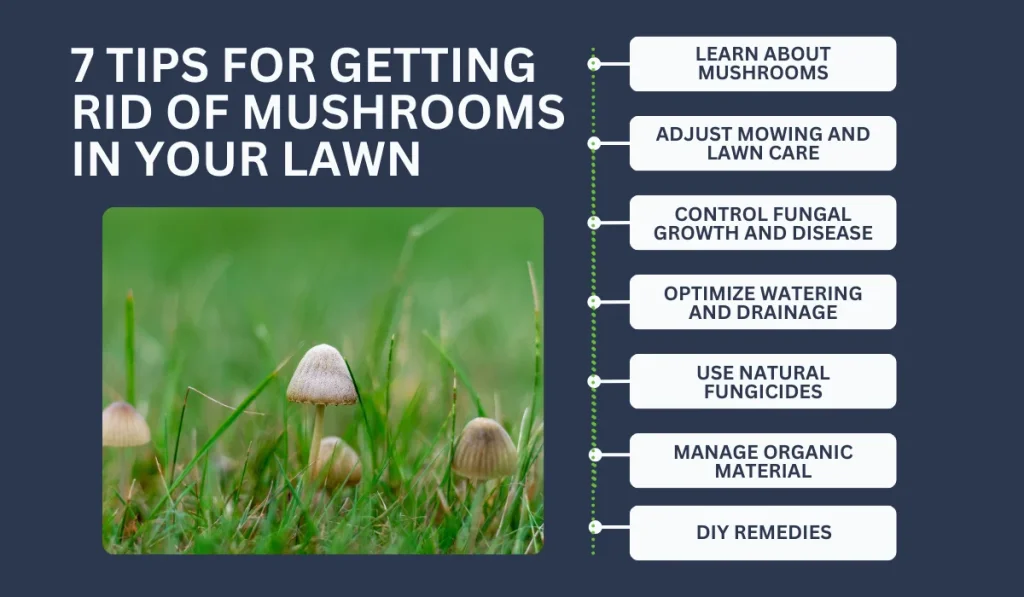
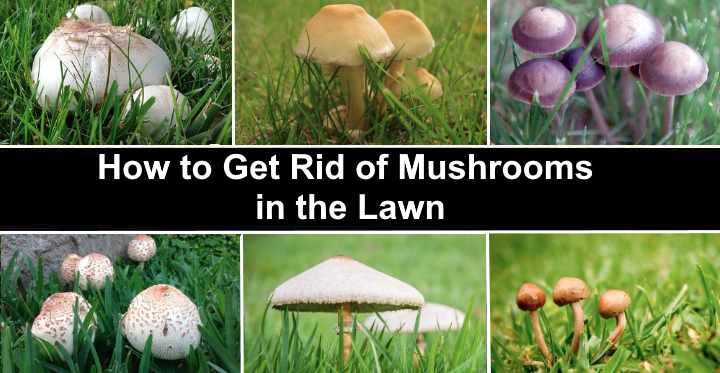
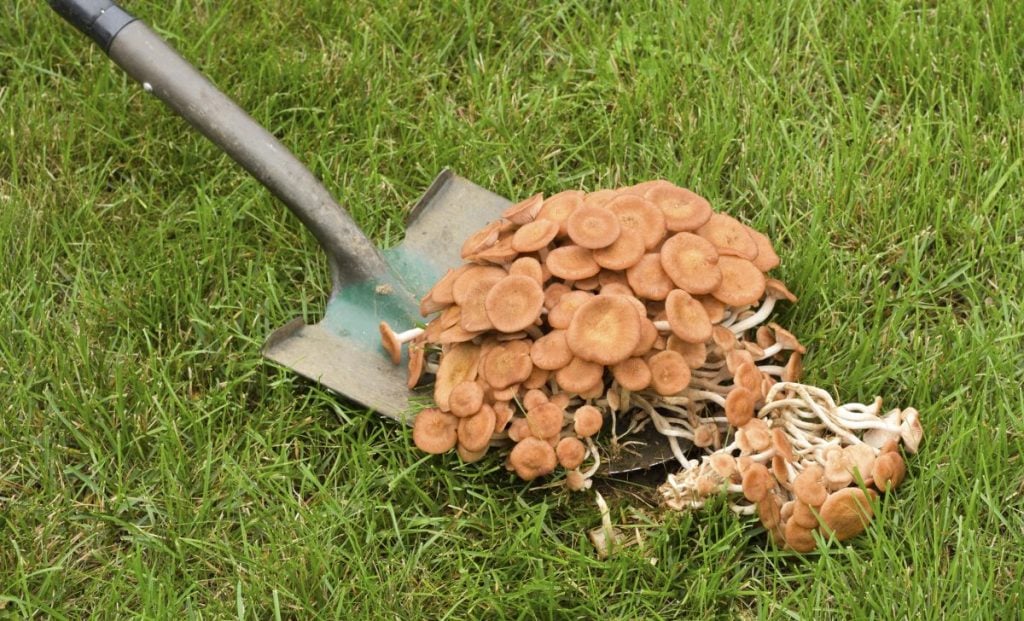
Before diving into solutions, it's crucial to understand what's causing mushrooms to spring up in your landscape. Mushrooms are actually the fruiting bodies of fungi that live underground in your soil. These organisms thrive in moist environments and feed on decomposing organic matter like dead grass, fallen leaves, or buried wood. If you've noticed mushrooms appearing after watering or during rainy seasons, that's a strong indicator of excess moisture. Additionally, areas with poor drainage or compacted soil often see mushroom growth because fungi prefer these conditions. The presence of mushrooms might also suggest that your yard has high levels of organic material that's breaking down. Some mushrooms are completely harmless and even beneficial, helping break down organic matter and improving soil health. However, others can be problematic or potentially dangerous if ingested by pets or children. Common culprits include fairy rings, which form circular patterns, and various species that grow on decaying logs or stumps. Knowing what kind of mushrooms you're dealing with can help determine whether they're worth removing or if they're simply part of your natural ecosystem.
Natural Methods to Eliminate Mushrooms
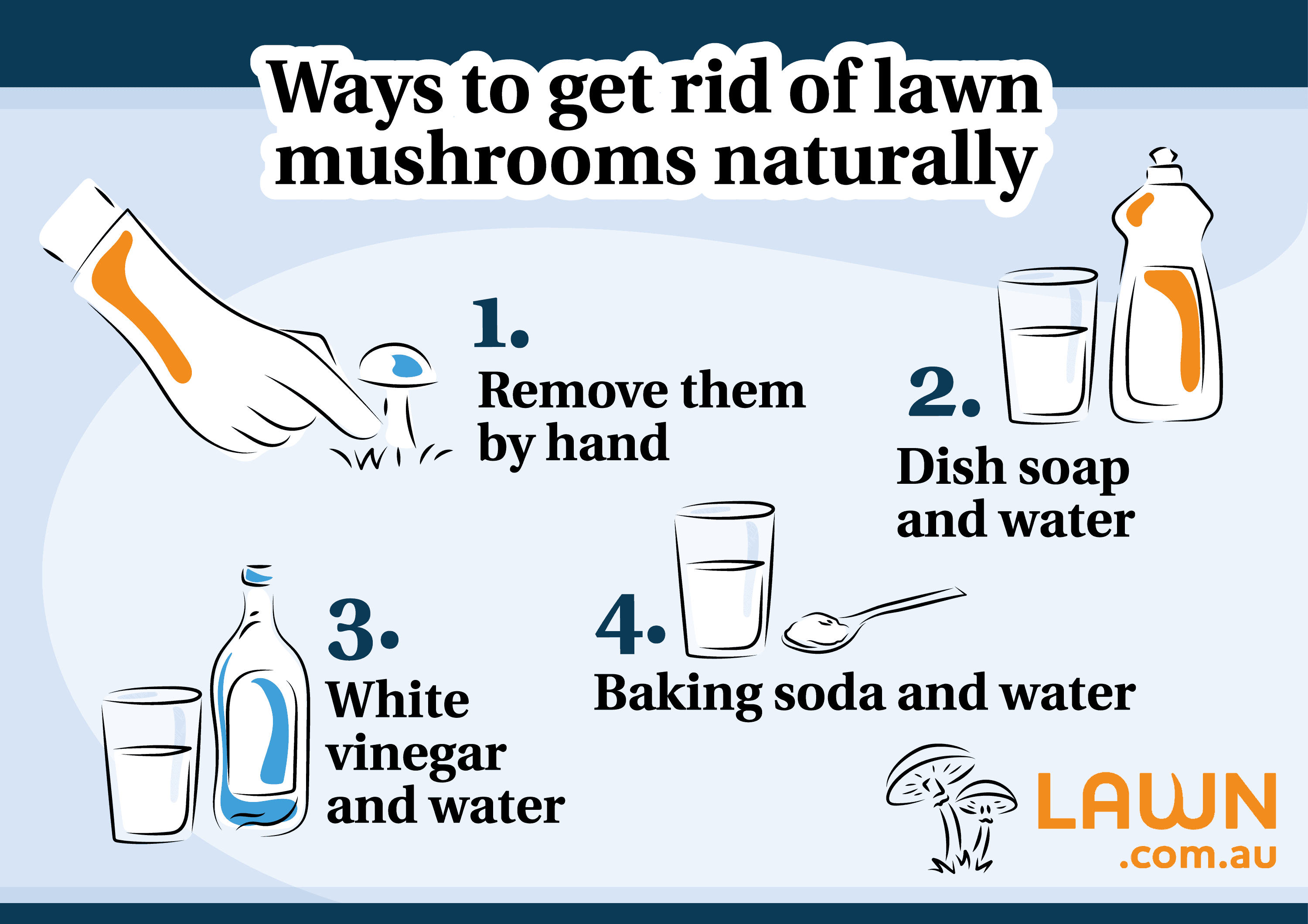
If you're looking to remove mushrooms without using harsh chemicals, several natural approaches can be quite effective. One of the simplest methods is simply removing the mushrooms by hand when they appear. This doesn't eliminate the fungus underground, but it does prevent spore spread. For best results, wear gloves and dispose of mushrooms in a sealed bag rather than composting them. Another approach involves reducing moisture levels in your yard. This means adjusting your watering schedule to avoid overwatering, especially in the evening when moisture stays on grass longer. Improving drainage around problem areas can also help significantly. Consider aerating your soil regularly to allow better water penetration and reduce compaction. Adding materials like sand or perlite to clay soils can improve drainage and make conditions less favorable for fungal growth. You might also try applying cornmeal to affected areas. This works because cornmeal contains a type of fungus that competes with the mushroom-forming fungi, essentially starving them of nutrients. This method requires regular applications and may take several weeks to show results. Natural remedies like baking soda mixed with water can also work as a treatment when sprayed directly onto mushrooms. Just remember to test this solution on a small area first to ensure it doesn't harm your grass.
Chemical Treatments and Fungicides
For persistent mushroom problems, chemical fungicides might be necessary. These products are designed specifically to target fungal growth and can provide faster results than natural methods. When choosing a fungicide, look for products labeled for use on lawns and ornamental plants. Many commercial fungicides contain active ingredients like chlorothalonil or myclobutanil, which are effective against various types of fungi. Always follow label directions carefully and consider the environmental impact before application. Chemical treatments work best when applied to actively growing mushrooms, typically during damp conditions. It's important to note that fungicides don't eliminate the underlying causes of mushroom growth, so they may need to be reapplied periodically. Some gardeners prefer organic fungicides made from natural ingredients like copper sulfate or neem oil. While these are generally safer for pets and children, they still require careful application and may need reapplication after rain. Professional lawn care services often use stronger chemical treatments, but these aren't typically recommended for home use without proper training and safety equipment. Remember that some mushrooms are actually beneficial to soil health, so consider whether removal is truly necessary before applying any chemical treatments.
Prevention Strategies for Future Mushroom Growth
The best way to deal with mushrooms is to prevent them from forming in the first place. Start by maintaining good lawn care practices that discourage fungal growth. Proper mowing height and frequency are essential - keeping grass at the appropriate height helps prevent moisture buildup. Avoid cutting grass too short, as this can stress plants and make them more susceptible to fungal infections. Regular fertilization provides nutrients that help grass stay healthy and resist disease. Good drainage is perhaps one of the most critical factors in preventing mushrooms. If water pools in certain areas of your yard, consider installing drainage ditches or redirecting downspouts. Reducing organic matter on the surface can also help, particularly dead leaves and grass clippings that accumulate in shady spots. Raking these materials away prevents them from decomposing and creating ideal conditions for fungal growth. Aerate your lawn annually to reduce soil compaction and improve air circulation. This allows moisture to evaporate more easily and makes the environment less hospitable for fungi. Consider adding mulch or compost to areas where you want to encourage beneficial microorganisms while avoiding areas where mushrooms tend to form. Creating good airflow through strategic pruning of nearby trees and shrubs can also reduce humidity levels in problem areas.
When to Seek Professional Help
Sometimes mushrooms in your yard indicate more serious underlying issues that require professional attention. If you notice unusual mushroom patterns, such as large, colorful specimens or those growing in unusual locations, it might be time to consult an expert. A local extension office or certified arborist can help identify mushroom species and recommend appropriate treatments. Professional services are particularly useful when dealing with mushrooms that might pose risks to pets or children. Some species of wild mushrooms are toxic and can cause serious illness if consumed. If you have young children or pets that spend significant time outdoors, it's wise to err on the side of caution and seek professional advice. Landscape professionals can also assess drainage problems or soil conditions that might be contributing to mushroom growth. They can provide tailored recommendations based on your specific situation and local climate conditions. In cases where mushrooms appear to be related to underground infrastructure issues or tree root problems, a specialist might be needed to properly diagnose and address the root cause. Don't hesitate to call for help if you're unsure about what you're seeing or if mushroom growth seems excessive or unusual for your area.
Safety Considerations and Environmental Impact
When dealing with mushrooms in your yard, safety should always come first. Many mushrooms are poisonous and can be harmful if ingested, especially by children and pets. Even seemingly harmless varieties can cause allergic reactions or digestive issues. Always assume that wild mushrooms are potentially dangerous unless you're absolutely certain of their identification. Wear protective gear like gloves and long sleeves when handling mushrooms or applying treatments. If you have pets or small children, keep them away from treated areas until any spray or powder has dried completely. Consider the environmental impact of your chosen method. Natural approaches are generally safer for surrounding ecosystems and groundwater, while chemical treatments can affect beneficial insects and soil microorganisms. Choose products that are specifically labeled for use in residential settings and follow all safety instructions carefully. Some fungicides contain ingredients that can be harmful to bees and other pollinators, so timing applications correctly is crucial. Watering your yard before applying any chemical treatment can help reduce drift and protect nearby plants. Always store any products safely out of reach of children and pets. Remember that mushrooms are part of nature's decomposition process, and sometimes their presence indicates healthy soil conditions. Consider whether removal is truly necessary or if you can simply enjoy the temporary beauty of these fascinating organisms.
Dealing with mushrooms in your yard is more about understanding their causes than simply removing them. Whether you choose natural remedies, chemical treatments, or a combination of both, the key is addressing the underlying conditions that favor their growth. Remember that mushrooms aren't always bad - they play important roles in soil health and ecosystem balance. The goal isn't necessarily to eliminate every single mushroom, but rather to manage their presence in a way that keeps your outdoor space safe and enjoyable. By implementing good lawn care practices, improving drainage, and being mindful of moisture levels, you can significantly reduce mushroom growth. If you're ever unsure about what you're seeing or concerned about potential hazards, don't hesitate to seek professional advice. With the right approach, you can maintain a beautiful, mushroom-free yard while still respecting the natural processes that make your landscape thrive.


