
Picture this: you're sitting on your porch in the middle of winter, wondering why you ever bothered with that screen door when you could have had a cozy room instead. That's exactly what many homeowners are thinking today as they consider transforming their outdoor space into something magical. A screened porch to sunroom conversion isn't just about adding a few extra square feet to your home. It's about creating a seamless connection between indoor comfort and outdoor beauty.
The idea of turning a screened porch into a sunroom might seem like a dream, but it's actually one of the most practical and rewarding home improvement projects you can undertake. Whether you've always wanted to enjoy your morning coffee without the bugs or simply want to extend your living space, this transformation can add significant value to your property. Think about it - you're taking an existing structure and enhancing its functionality while maintaining its charm. The key lies in understanding the nuances of such a project and making smart decisions along the way.
Understanding the Basics of Porch to Sunroom Conversion
Converting a screened porch into a sunroom involves more than just replacing screens with windows. It's a thoughtful process that requires careful consideration of structural elements, insulation needs, and overall design goals. The first step is assessing whether your current porch structure can support the changes you envision. Many homes built in the 1970s and 80s feature screened porches that were designed more for summer use rather than year-round living. Before you start planning, ask yourself if you want a fully enclosed room or something more open and airy. The answer will influence everything from foundation work to roofing choices.
Key considerations include:
This isn't just about aesthetics - it's about creating a functional space that meets your lifestyle needs.
Planning Your Conversion Project
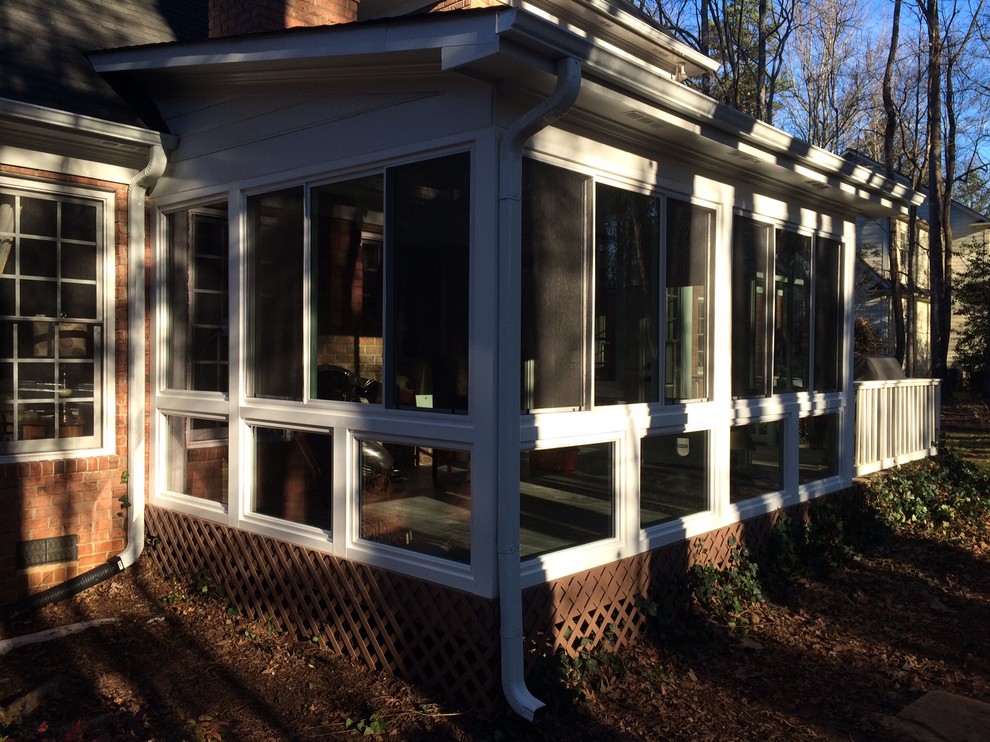
The success of any major renovation depends heavily on how well you plan ahead. Start by sketching out your vision and measuring every detail of your existing porch. Consider the flow of traffic, placement of furniture, and how you intend to use the space. Do you want it for dining, reading, entertaining, or perhaps as a quiet retreat? Your intended use will guide the layout and features you choose. Most importantly, factor in the cost of materials, labor, and potential delays. Home improvement projects rarely go exactly as planned, especially when weather becomes a factor.
Think about the following aspects during your planning phase:
It's also wise to consult with professionals early in the process. They can spot potential issues before they become expensive problems later.
Structural Considerations and Foundation Work
Before you even think about installing new windows or doors, you need to ensure your foundation and frame can handle the conversion. This is where many DIY enthusiasts run into trouble. A screened porch typically has a different load-bearing structure compared to a traditional room. The weight of glass, additional insulation, and possibly a roof extension all put stress on existing elements. If your porch was built with lightweight materials, you may need reinforcement.
Foundation work might include:
Some homeowners find that their porch structure simply cannot support a full sunroom conversion. In such cases, partial conversions or alternative approaches might be necessary. Don't underestimate the importance of professional structural assessment - it could save you thousands in future repairs.
Choosing the Right Windows and Doors
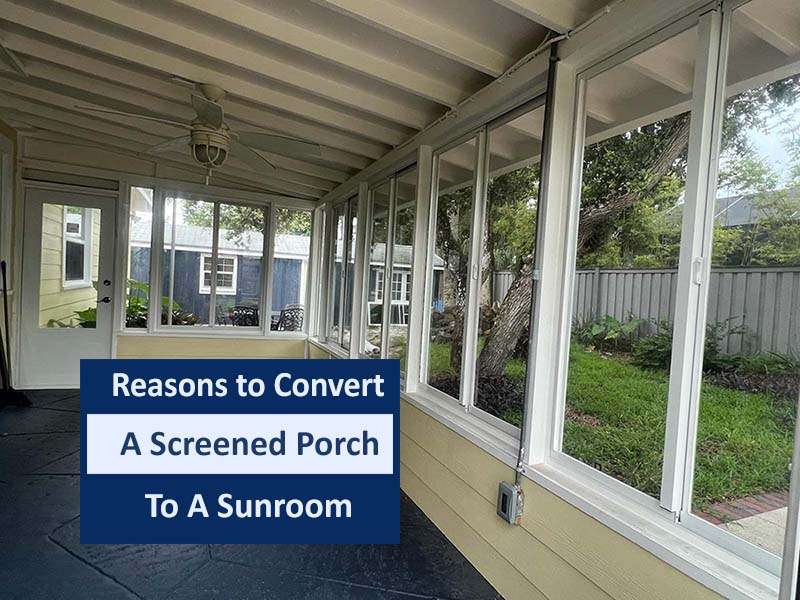
Windows and doors are arguably the most visible elements of your sunroom conversion. They determine how much light enters the space, how easy it is to access the outdoors, and how well the room maintains temperature. When selecting windows, consider energy efficiency ratings, UV protection, and durability. Single-pane windows might seem cheaper upfront, but they'll cost you more in energy bills and maintenance over time. Double-pane windows offer better insulation and are often worth the investment.
Popular window options include:
The door choice is equally important. You want something that's both functional and attractive. Some homeowners prefer bi-fold doors that completely open the space, while others opt for traditional sliding doors. Consider the size of your porch opening and how much space you have to work with. Also factor in security features, especially if you live in a high-crime area.
Insulation and Climate Control
One of the biggest challenges in porch conversion is managing temperature extremes. Unlike regular rooms, porches are exposed to direct sunlight, wind, and weather conditions. Proper insulation is crucial for creating a comfortable environment year-round. This includes not just wall insulation, but also ceiling and floor considerations. Many people overlook the importance of insulating the ceiling, but it's essential for keeping heat in during winter and cool air in during summer.
Key insulation strategies:
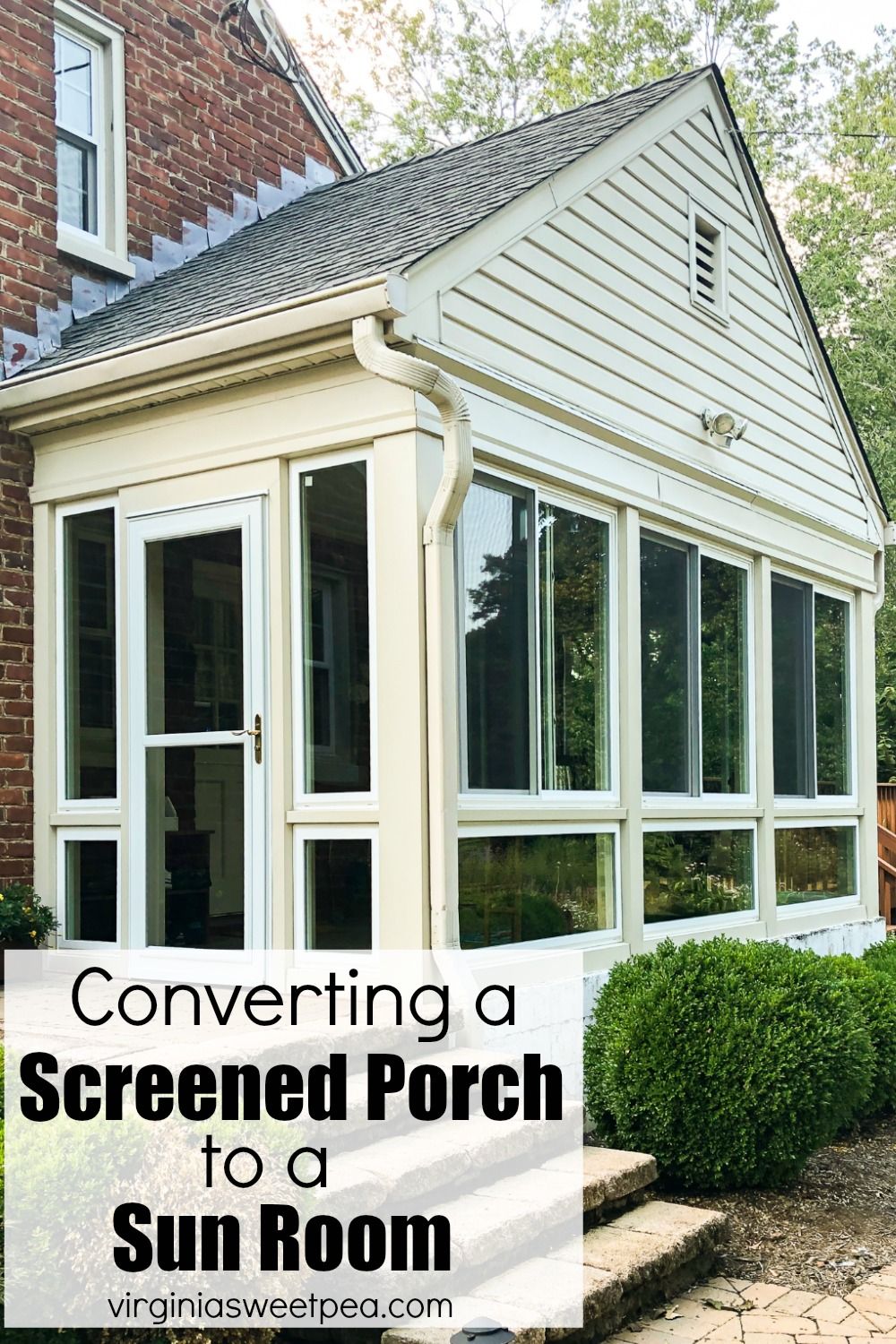
Climate control systems are another major consideration. While some homeowners rely solely on natural ventilation, others want heating and cooling options. A mini-split system offers efficient climate control without major ductwork modifications. Alternatively, portable units might work for smaller spaces. The key is matching your system to your space size and usage patterns.
Finishing Touches and Final Details
The final stages of your sunroom conversion involve bringing everything together. Flooring choices play a huge role in the overall feel of the space. Tile, hardwood, and carpet all have pros and cons depending on your climate and usage patterns. Tile works great for high-traffic areas but can be cold in winter. Hardwood adds warmth but requires more maintenance. Carpet provides comfort but may not be ideal for areas with moisture concerns.
Don't forget about:
The finishing touches are where your personality shines through. Consider how you want to use the space and what details will make it truly yours. A well-planned sunroom becomes more than just a room - it becomes an extension of your lifestyle and a place where memories are made.
Budget and Timeline Expectations
Conversion projects vary widely in cost and timeline depending on scope and complexity. Simple updates like new windows and basic insulation might cost $5,000-$15,000, while full-scale renovations can easily exceed $30,000. Factors that affect pricing include:
Most projects take 4-8 weeks from start to finish, though this can vary significantly. Weather delays are common, especially in spring and fall when contractors are busiest. It's wise to build in extra time for unexpected issues that arise during construction. Many homeowners find that their budget increases slightly due to unforeseen structural problems or material substitutions.
Maintenance and Long-Term Care
Once your sunroom is complete, ongoing care ensures it continues to provide enjoyment for years. Regular cleaning of windows and glass surfaces keeps light flowing freely into the space. Check weatherstripping periodically for wear and tear, especially after harsh winters or summers. Plants that thrive in bright, indirect light can enhance the atmosphere, but remember they need regular watering and care.
Important maintenance tasks:
Proper maintenance prevents small issues from becoming costly repairs. Many homeowners find that their converted sunroom becomes their favorite room in the house, so investing in its upkeep pays dividends in daily enjoyment.
Common Mistakes to Avoid
Even experienced homeowners can make errors during porch-to-sunroom conversion. One of the most frequent mistakes is underestimating the amount of work involved. People often assume it's a simple matter of replacing screens with windows, but there's much more involved. Another common error is choosing materials that aren't suitable for local climate conditions. For example, wood products might warp in humid environments, while certain metals can rust quickly.
Other pitfalls include:
Learning from others' experiences can help avoid these traps. Consider visiting similar projects in your neighborhood or speaking with other homeowners who've completed conversions. Their stories often reveal practical insights that aren't found in standard guides.
Making It Work for Your Lifestyle
The ultimate test of any home improvement project is how well it fits your lifestyle. A sunroom should enhance your daily routine, not complicate it. Think about how you spend your time and what activities you'd like to accommodate. Will you want to entertain guests regularly? Do you need space for hobbies or relaxation? Understanding your needs helps determine the right features and layout.
Consider these lifestyle factors:
A successful conversion creates a space that feels natural to inhabit rather than artificial. It should complement your existing home decor and provide the comfort and functionality you desire. Sometimes, the best approach is to start small and expand gradually rather than trying to transform everything at once.
Converting your screened porch into a sunroom represents more than just a home improvement project - it's an investment in creating a better quality of life. By carefully considering structural needs, climate factors, and personal preferences, you can create a space that truly serves your family's needs. The journey from porch to sunroom isn't just about physical transformation; it's about expanding your living experience and making the most of your home's potential. Whether you're looking for a quiet corner to read, a place to enjoy meals with family, or simply a way to connect more deeply with your outdoor environment, this conversion can deliver exactly that. With proper planning and realistic expectations, your newly transformed space will become a treasured part of your home for years to come. The key is starting with clear goals and working with professionals who understand both the technical and aesthetic aspects of such projects.


