
Imagine having a refreshing swimming pool right in your backyard, but one that looks like it belongs in a nature preserve rather than a commercial resort. Natural swimming pools offer a magical blend of beauty and functionality, and they don't have to cost a fortune. Whether you're looking to add some greenery to your outdoor space or simply want to enjoy clean water without harsh chemicals, these eco-friendly alternatives can be surprisingly affordable.
Backyard swimming pools have long been symbols of luxury and leisure. But what if you could enjoy the benefits of a pool while staying close to nature? Natural swimming pools are gaining popularity because they provide a chemical-free swimming experience that's both environmentally friendly and aesthetically pleasing. The good news is that you don't need a massive budget to create something wonderful. These pools can be built on a shoestring while still delivering that coveted natural feel.
What Makes a Natural Pool Different?
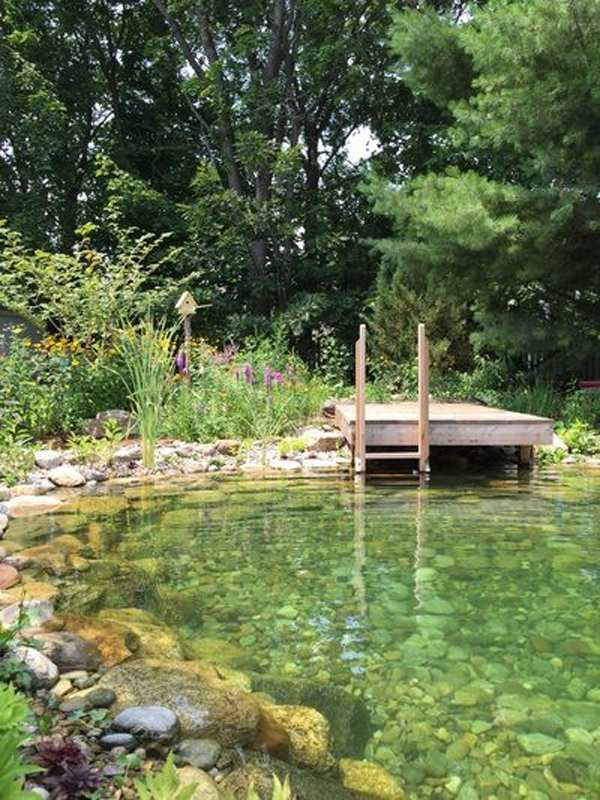
Natural swimming pools aren't just fancy terms for regular pools with plants. They're designed with two distinct zones: a swimming area and a filtration zone. The swimming area is where you actually swim, while the filtration zone is filled with aquatic plants and biological filters that naturally purify the water. This setup mimics nature's own water treatment systems.
Think of it like a living ecosystem. The plants absorb nutrients and toxins from the water, while beneficial bacteria break down organic matter. It's almost like having a mini wetland right in your backyard. You'll find that natural pools often look more like ponds or lakes than traditional swimming pools, which can be a huge plus for those who love the idea of blending their pool with their landscape.
The water quality in natural pools tends to be excellent, though it requires a different approach to maintenance. Instead of constantly adding chemicals, you're essentially creating a habitat for beneficial organisms. This means less time spent testing water and more time enjoying your pool.
Budget-Friendly Design Principles
Creating a natural pool on a budget starts with smart planning and design choices. The key is to work with what you already have rather than trying to build something elaborate from scratch.
Consider using existing features in your yard as part of your pool design. Maybe you have a natural depression that could serve as the main pool area, or perhaps there's a spot where water naturally collects after rain. These natural elements can save you thousands in excavation costs.
Here are some money-saving design strategies:
One gardener we spoke with created a stunning 6x8 foot natural pool using mostly recycled materials and plants she'd already grown in her garden. She spent less than $2,000 total and had a beautiful pool that looked like it belonged in a botanical garden.
Essential Components You'll Need
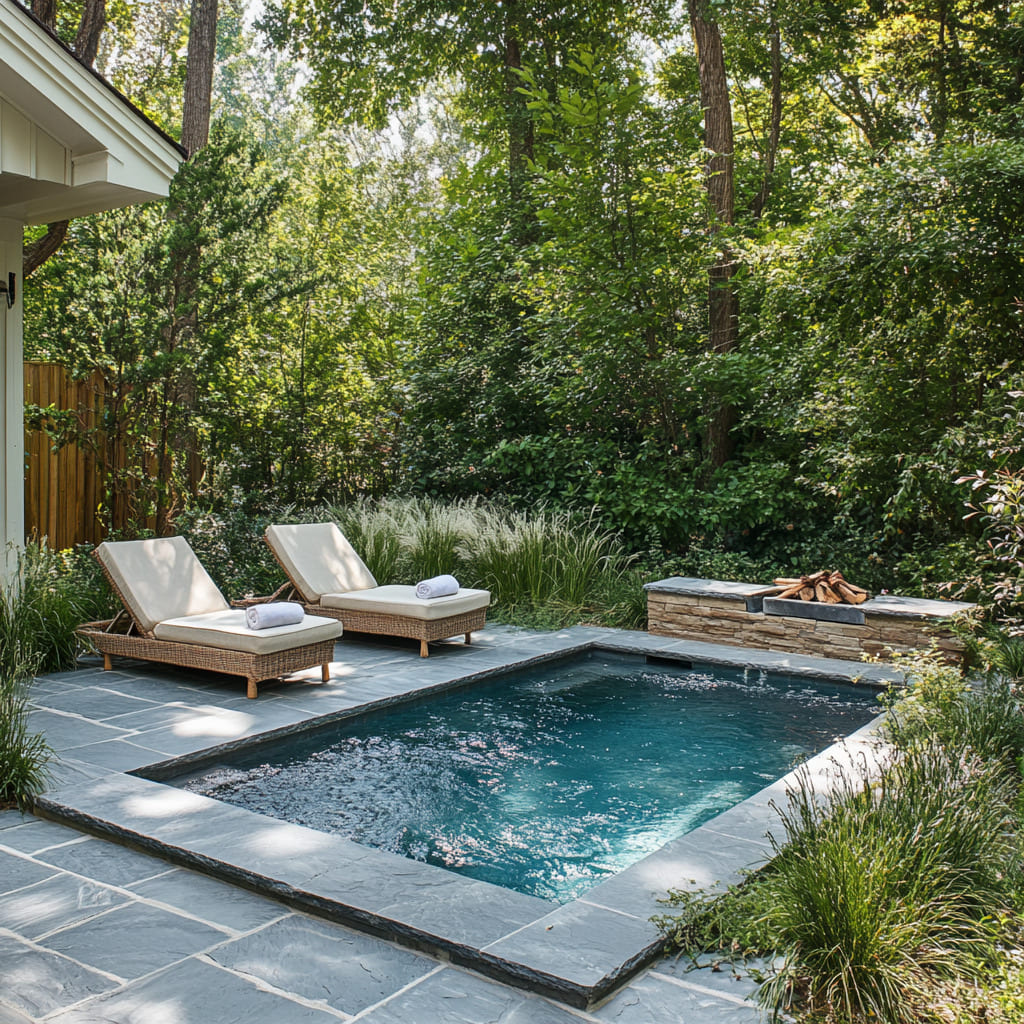
Every natural pool needs certain core elements to function properly. Understanding what you really need helps avoid overspending on unnecessary features.
The basic components include:
The most significant expense is usually the liner or construction materials. However, there are several ways to reduce these costs. Some people opt for a simple concrete structure with a plastic liner, which is much cheaper than full concrete construction. Others choose to build their pool using natural stone or brick, which can be more affordable than expensive tile or synthetic materials.
Don't forget about the plumbing. Simple systems work perfectly well for small pools. You can often find used pumps and filters at reasonable prices online or at local pool supply stores.
Plant Selection That Works on a Budget
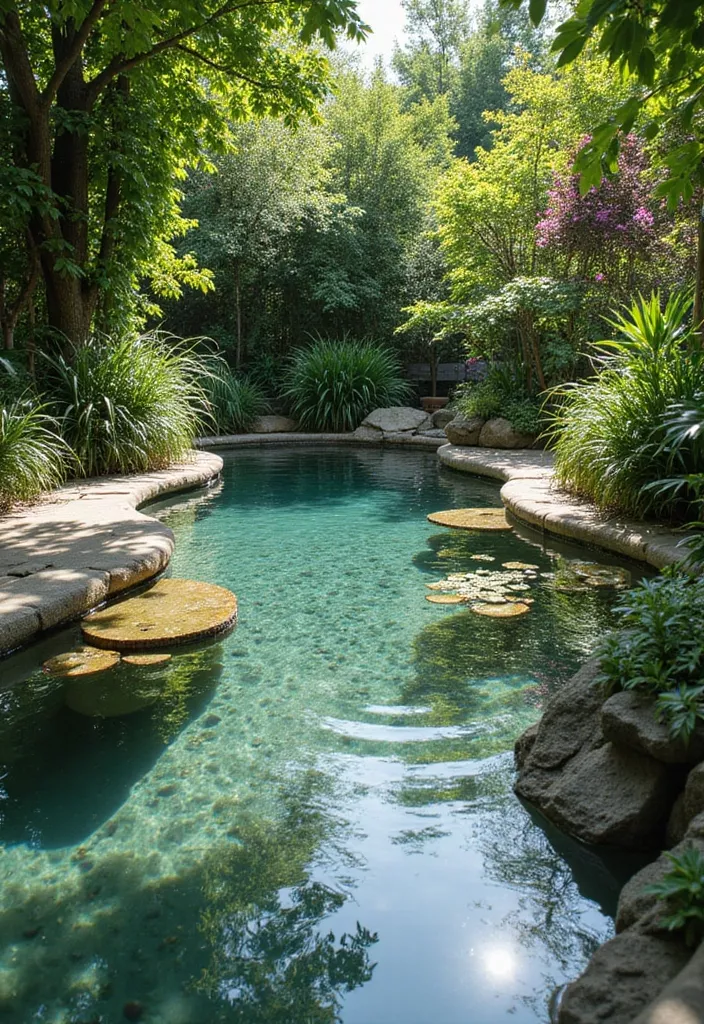
Plants are where natural pools truly shine. They provide the filtration and aesthetic appeal that makes these pools so special. The good news is that many effective plant species are very affordable and easy to grow.
Focus on these budget-friendly options:
Many garden centers sell these plants in small containers for just a few dollars each. Some people even collect seeds or take cuttings from existing plants to expand their collection.
It's important to remember that not all plants work equally well. Some are better at filtering specific types of pollutants, while others are more focused on aesthetics. A good rule of thumb is to have a mix of floating, submerged, and marginal plants to create a balanced ecosystem.
One enthusiast shared how he built his entire plant palette from seeds and cuttings, spending less than $100 on all the aquatic vegetation for his 10x15 foot pool.
DIY vs Professional Installation
The decision between building yourself and hiring professionals can significantly impact your budget. While DIY projects can save money, they require time, skill, and sometimes a willingness to learn on the job.
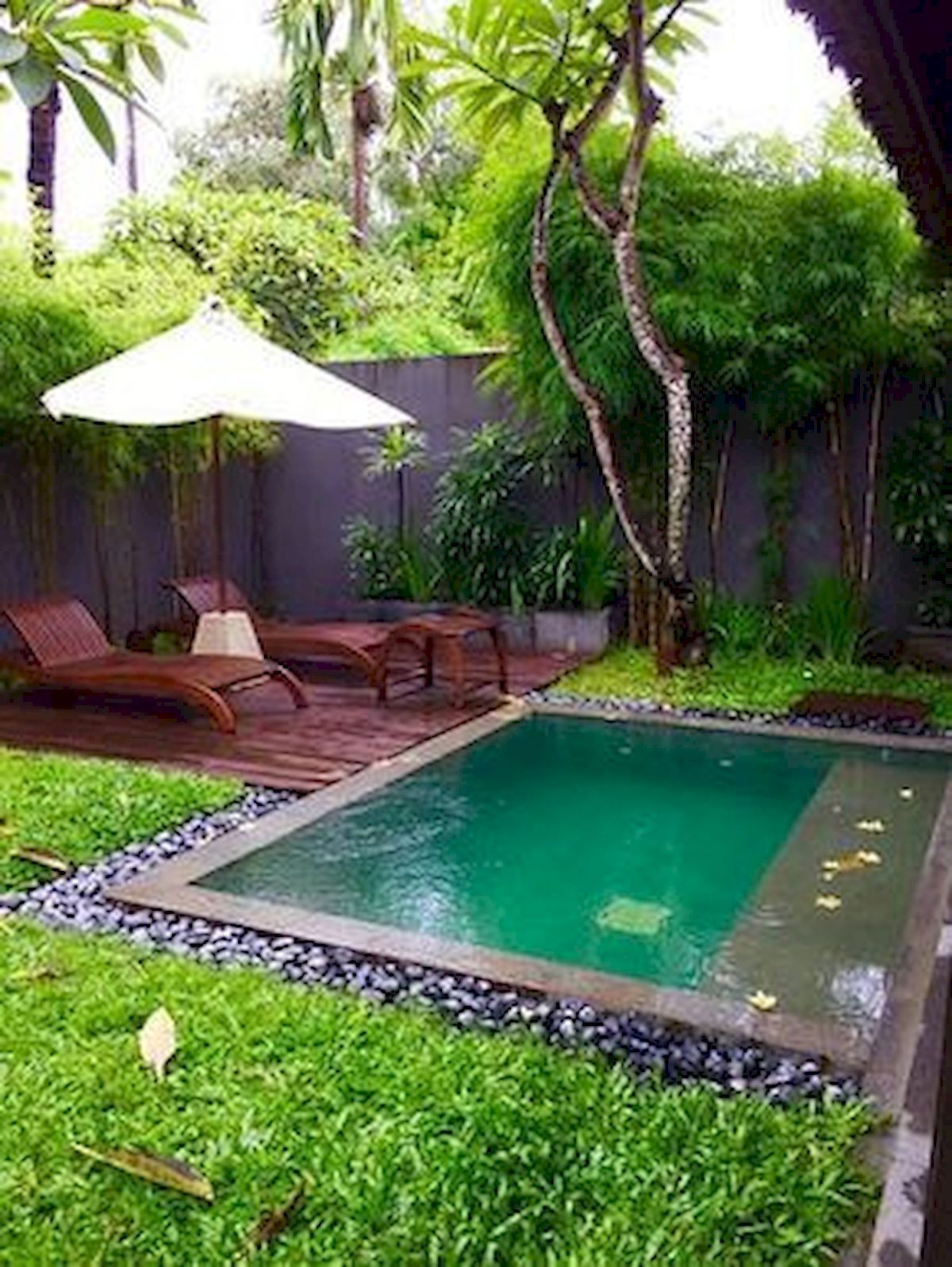
For a small natural pool, DIY might be feasible if you have some construction experience. Basic tasks like filling in the pool area, installing the liner, and planting can be done by homeowners with patience and basic tools. However, electrical work, plumbing, and structural elements often benefit from professional expertise.
Consider these factors when deciding:
Some people find that spending a few hundred dollars on professional installation saves them from expensive repairs later. Others prefer the satisfaction of building their own pool and end up saving hundreds or even thousands of dollars.
A helpful middle ground is hiring professionals for the more technical aspects like electrical and plumbing while handling the landscaping and plant installation yourself.
Maintenance Tips That Save Money
Natural pools require different maintenance approaches than traditional pools, but these differences often lead to savings. The key is understanding what's necessary and what's not.
Regular maintenance tasks include:
These tasks are generally much simpler and less expensive than chemical treatments. You won't need to buy expensive pool chemicals, test kits, or specialized equipment. Instead, you'll focus on keeping your plants healthy and ensuring proper water circulation.
One common mistake is overcomplicating the maintenance routine. Many new pool owners get caught up in trying to control every aspect of their ecosystem. The truth is that natural pools are remarkably self-sufficient once established. Letting the system develop its own balance is often more successful than constant intervention.
Costs for ongoing maintenance are typically under $100 per year for a small pool, compared to hundreds of dollars annually for chemical treatments and equipment in traditional pools.
Building a natural swimming pool on a budget is absolutely achievable, especially when you approach it with realistic expectations and smart planning. These pools offer something unique - a connection to nature that traditional pools simply cannot match. While the initial setup requires some investment, the long-term benefits in terms of reduced maintenance costs, environmental friendliness, and aesthetic appeal make them worth considering.
Remember that size matters less than you might think. A modest 8x10 foot pool can provide all the enjoyment of a larger one while being much easier to manage and maintain. The real magic happens when you combine thoughtful design with the right plants and a little bit of patience. Most importantly, don't let budget concerns prevent you from enjoying the natural beauty that these pools bring to any backyard. With careful planning and creative thinking, you can create something truly special without spending a fortune.


