
Have you ever watched a deer bound gracefully over a fence and wondered just how high they can leap? It's a question that pops up everywhere from rural farms to suburban neighborhoods. These remarkable creatures aren't just beautiful to watch - they're incredibly athletic, capable of clearing obstacles that might seem impossible to most animals. Understanding their jumping abilities isn't just fascinating; it's crucial for anyone dealing with wildlife management or property protection.
When you think about deer, you probably picture them gracefully moving through forests or grazing peacefully in meadows. But what happens when they encounter a barrier? This simple question opens up a whole world of interesting biology and behavior. The answer might surprise you - deer can jump much higher than many people realize, and their ability to leap varies dramatically based on species, size, age, and circumstances. Whether you're a farmer trying to keep deer out of your garden, a wildlife enthusiast wondering about their movements, or simply curious about nature's athleticism, understanding deer jumping capabilities gives you insight into one of the most impressive feats of animal agility.
Basic Deer Jumping Facts
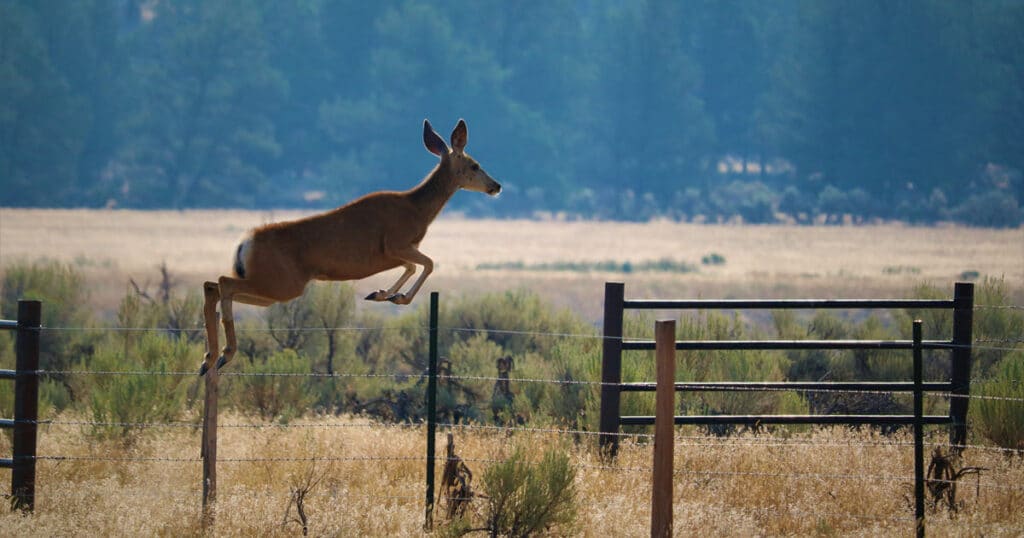
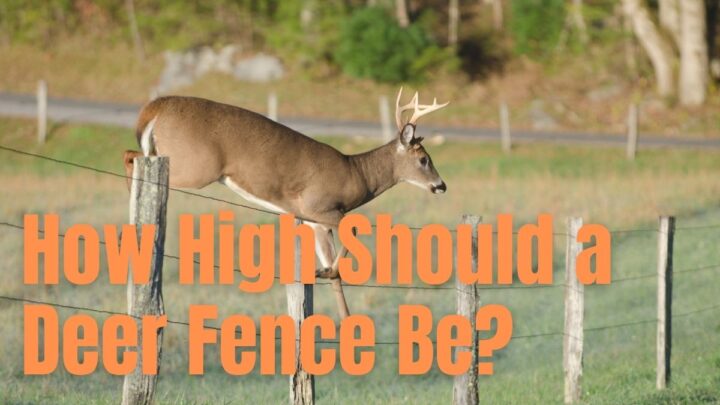
Deer aren't just graceful creatures - they're athletic marvels. The average white-tailed deer can leap vertically between 4 and 8 feet high. That's taller than most garden fences! But here's where it gets interesting - different species show different capabilities. Mule deer, for instance, tend to be even more agile than their white-tailed cousins. Their jumping height can reach up to 10 feet in some cases. Age matters too. Fawns, being smaller and more agile, often clear heights that adult deer might struggle with. Adult bucks, while powerful, sometimes have trouble with very high barriers due to their weight and body structure. The key takeaway? Don't assume that any fence will stop a determined deer. They've evolved to navigate their environment efficiently, and that includes overcoming obstacles.
Species Differences in Jumping Ability
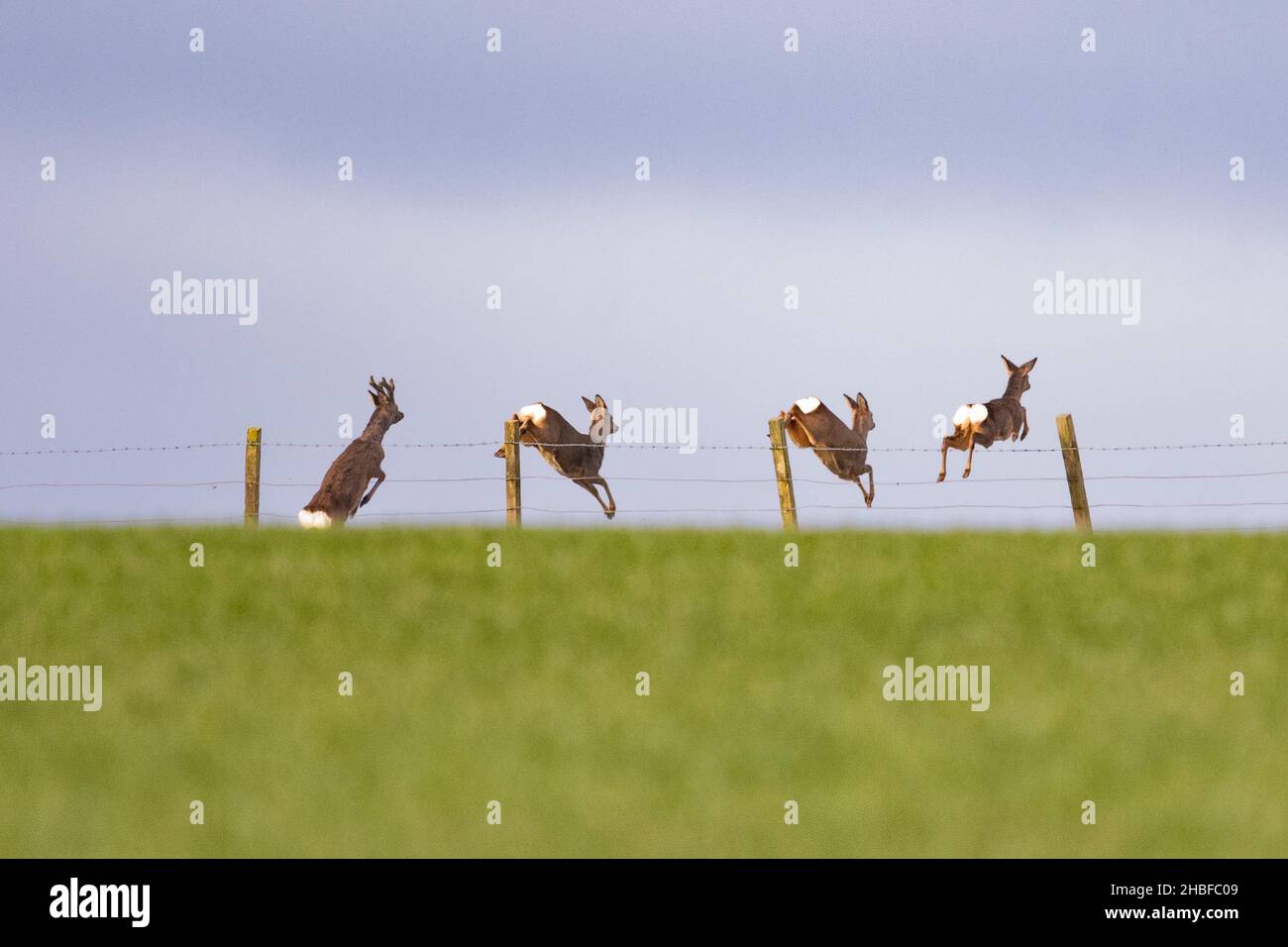
Not all deer are created equal when it comes to jumping prowess. White-tailed deer dominate the eastern United States and are known for their impressive leaping skills. They can easily clear 6-foot fences and sometimes manage 8 feet with ease. Mule deer, found primarily in western regions, have different physical characteristics that make them particularly adept at jumping. Their longer legs and lighter build allow them to achieve greater vertical leaps. Black-tailed deer, common along the Pacific coast, fall somewhere between these two extremes. Even within species, individual variation exists. Some deer are natural-born leapers while others prefer to avoid obstacles altogether. This diversity means that a single fence type might work well against one deer but not another. It's why understanding local deer populations is so important for effective wildlife management.
Factors That Influence Jumping Height
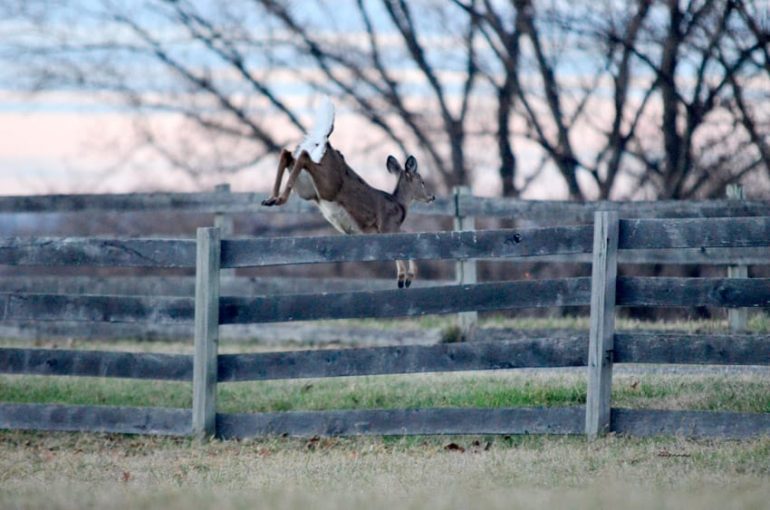
Several factors come into play when determining how high a deer can jump. Terrain plays a huge role. Deer that live in mountainous areas develop stronger leg muscles and better jumping techniques than those in flatlands. The condition of the ground matters too - soft soil allows for better takeoff compared to hard surfaces. Weather conditions affect performance significantly. Wet ground can actually help deer jump higher because it provides better traction. However, extreme weather like heavy snow or ice can make jumping more difficult. Food availability also influences behavior. When food is scarce, deer will attempt to cross more barriers to reach feeding areas. Seasonal changes impact jumping ability as well. During mating season, bucks become more adventurous and willing to take risks. Stress levels and overall health determine whether a deer will attempt to jump or simply walk around an obstacle. These variables combine to create a complex picture of deer mobility.
Real-World Examples of Deer Jumping
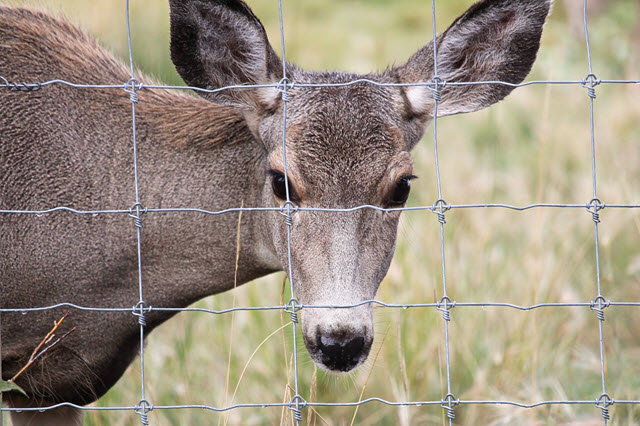
The real-world applications of deer jumping abilities are fascinating to observe. In agricultural settings, farmers have documented deer leaping over 10-foot fences to access crops. One famous case involved a white-tailed deer that cleared a 12-foot fence to reach a cornfield. Wildlife biologists have recorded mule deer jumping 15 feet to escape predators or reach new territory. Urban deer have been known to leap over chain-link fences that are 8 feet tall. These examples show that deer aren't just good jumpers - they're determined athletes. Some deer have even been observed jumping over obstacles that are 18 feet high, though this requires exceptional circumstances and energy expenditure. The most impressive examples often occur during migration periods when deer must overcome numerous barriers to find suitable habitat.
Fence Design Considerations for Deer Control
Knowing how high deer can jump is essential for designing effective fencing. Traditional 6-foot fences may seem adequate, but they're often insufficient for keeping deer out. The key is understanding that deer will attempt to jump any barrier they encounter, especially if there's something appealing on the other side. Effective deer fencing typically requires heights of 8 to 10 feet minimum. For maximum protection, consider adding a 3-foot extension above the main fence line to prevent deer from jumping over the top. The fence material also matters - deer can easily chew through weak materials like chicken wire or thin mesh. Stronger options include woven wire, electric fencing, or solid panels. Adding angled barriers or angled posts makes jumping more difficult. Many successful deer-proof fences incorporate multiple design elements rather than relying on height alone. The best approach combines proper height, strong materials, and strategic placement.
Practical Tips for Managing Deer Access
For homeowners and farmers dealing with deer problems, several strategies can help manage access. First, assess your current fencing. Measure the height and check for gaps or weak spots. If deer are regularly jumping over your existing barriers, consider upgrading. Planting deer-resistant vegetation around the perimeter can discourage approach. Strategic placement of food sources away from vulnerable areas helps reduce the incentive to jump. Installing motion-activated lights or sprinklers creates deterrents that deer associate with danger. The timing of deer activity matters too - evening and early morning are peak times for jumping attempts. Using multiple deterrent methods together proves more effective than relying on just one approach. Remember that deer are intelligent creatures - they learn quickly what works and what doesn't. Patience and consistency in implementing strategies pays off in the long run. Sometimes, the most practical solution involves accepting that some deer access is inevitable and focusing on protecting the most valuable areas.
Deer jumping abilities reveal just how sophisticated and adaptable these animals truly are. Understanding their capabilities isn't just academic - it has real implications for wildlife management, agriculture, and property protection. Whether you're dealing with a few curious does or an entire herd, knowing how high deer can jump helps you make informed decisions about fencing and deterrents. The truth is, no fence is completely deer-proof, but with proper planning and implementation, you can significantly reduce unwanted deer access. The key is combining knowledge of deer behavior with practical, proven solutions. As we continue to share spaces with wildlife, understanding these natural behaviors becomes increasingly important. The next time you see a deer leap over a fence, remember that you're witnessing centuries of evolution and adaptation at work. It's not just impressive athleticism - it's the foundation of survival in a changing world.


