
When you think about digging a garden bed or filling a planter, how much dirt do you really need? It's a question that trips up everyone from amateur gardeners to seasoned contractors. The answer lies in understanding cubic feet in a yard of dirt – a fundamental measurement that can save you time, money, and a lot of guesswork.
Picture this: you're planning to landscape your backyard. You've got a vision, maybe even some sketches, but when it comes to actually buying dirt, you're staring at bags labeled 'cubic feet' while wondering if they'll fill your space. This common confusion affects countless people, from DIY enthusiasts to professional landscapers. What exactly does it mean when someone says they need a yard of dirt? How many cubic feet are we talking about? These questions aren't just academic – they're practical problems that impact everything from budgeting to project completion. The good news? Once you understand the basics, it becomes straightforward. Think of it like knowing how many cups of flour you need for a recipe – once you get the hang of it, it's second nature.
What Exactly Is a Cubic Foot?
A cubic foot is a measurement that describes volume – specifically, how much space something takes up. Imagine a cube that's one foot long, one foot wide, and one foot tall. That's one cubic foot. It's a handy unit because it helps us measure things that might seem tricky to quantify. When we talk about dirt, we're measuring how much space that dirt occupies. For instance, a bag of potting soil might say it contains 1 cubic foot. That means if you lined up all the soil in that bag, it would fill a box that's one foot by one foot by one foot. It's simple, right? But when you're dealing with larger quantities, like a yard of dirt, it gets a bit more complex. Let's break it down further. One cubic foot equals 1728 cubic inches. That's a lot of tiny measurements! So when you're thinking about dirt, you're essentially thinking about how much three-dimensional space that dirt fills. Whether it's in a truck bed, a garden bed, or a storage container, this measurement gives us a consistent way to compare amounts.
Understanding the Yard of Dirt Measurement
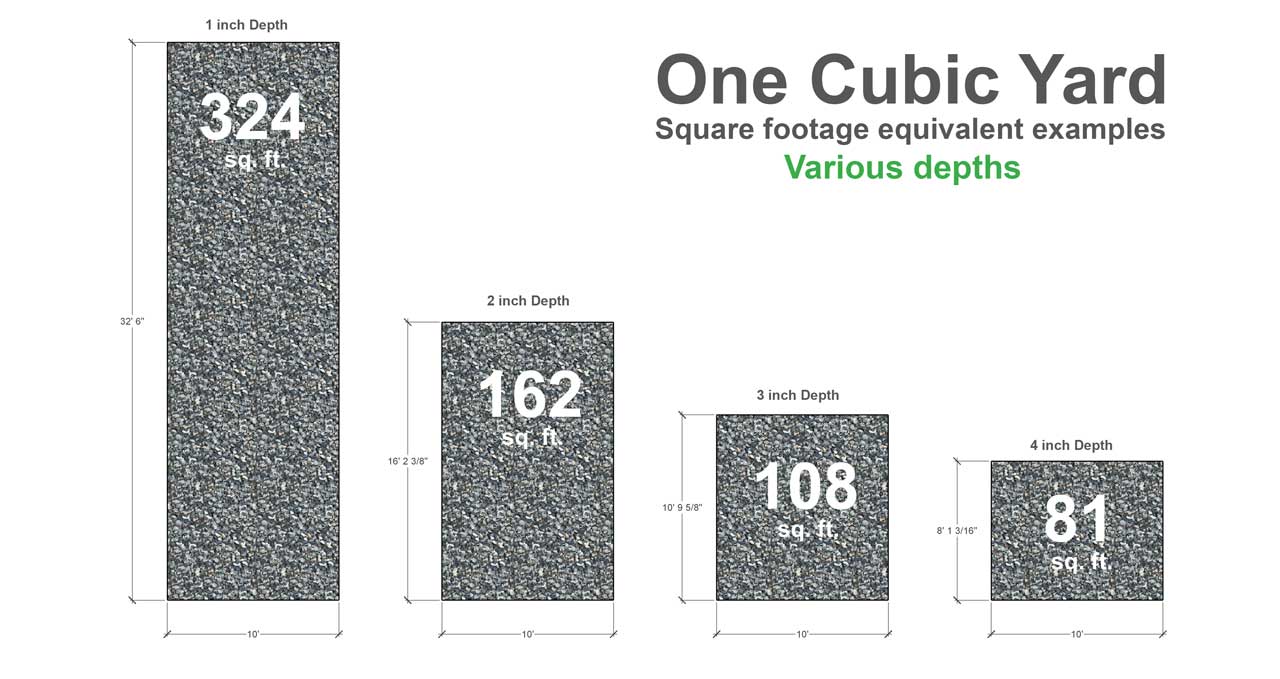
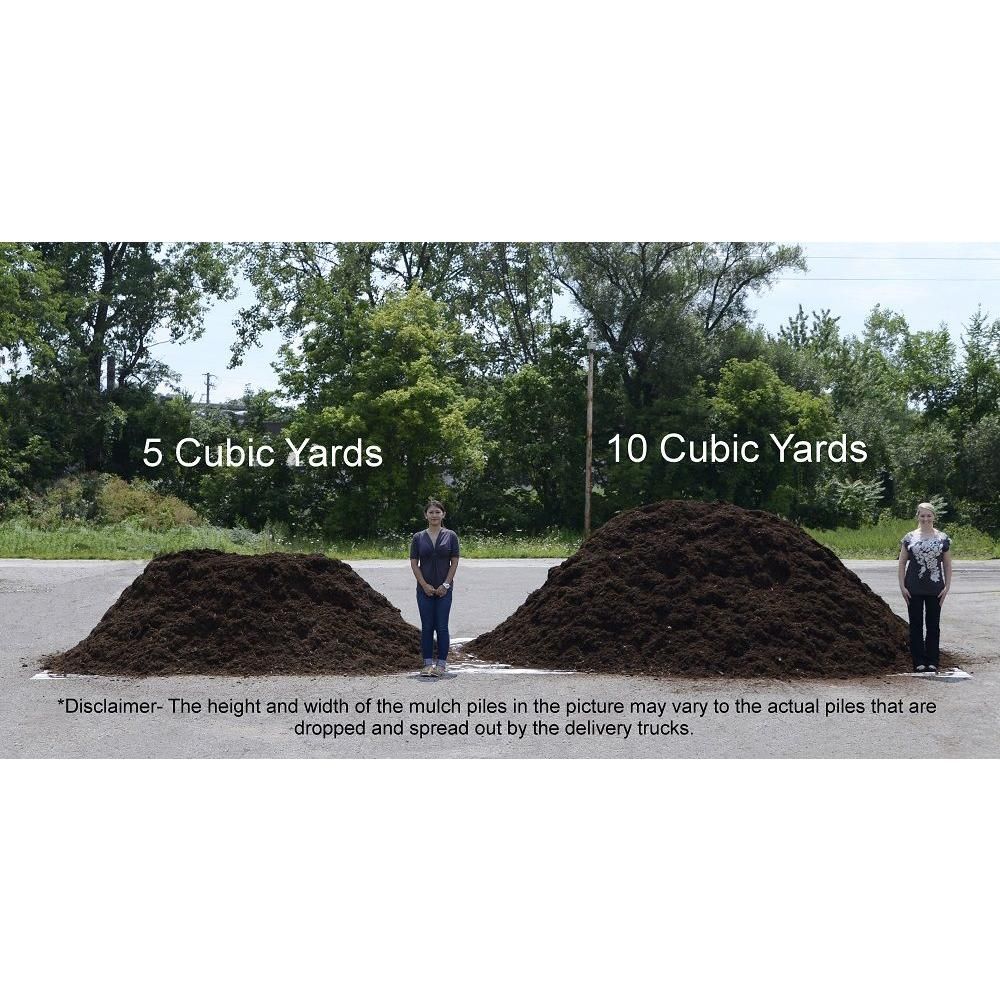
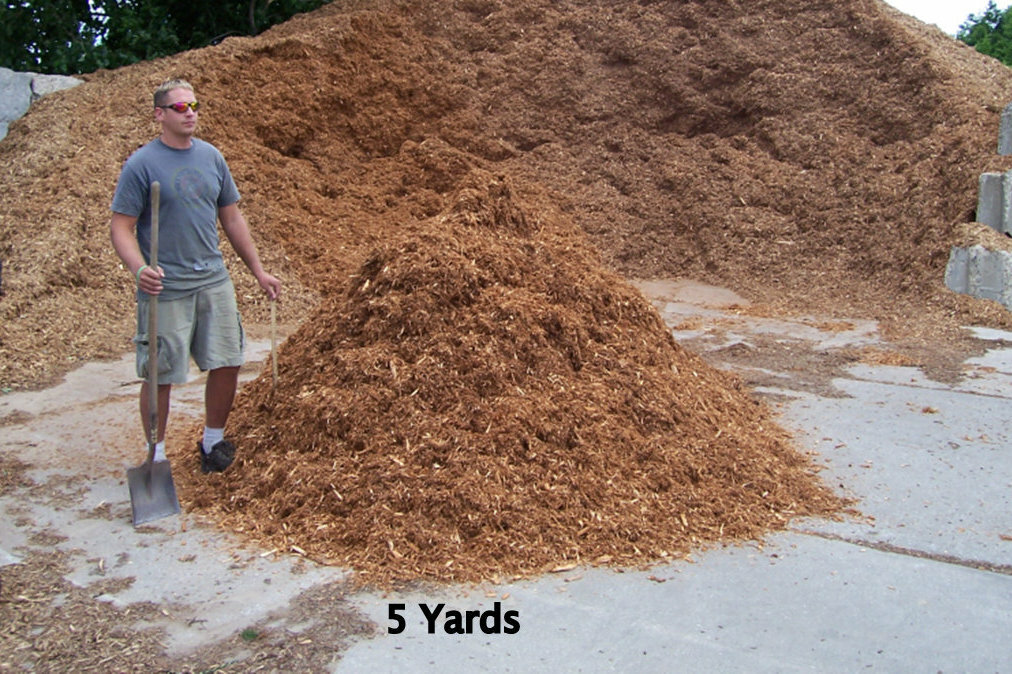
Now, let's tackle the big question: what is a yard of dirt? It's not just a random phrase – it's a standardized measurement used in construction, landscaping, and gardening. A yard of dirt refers to a cubic yard, which is 3 feet long, 3 feet wide, and 3 feet tall. That's a significant amount of dirt! To visualize it, imagine stacking three-foot-long wooden planks in a square formation, then stacking three layers of that square. That's your cubic yard. When you're working with dirt, a yard is a convenient unit because it's large enough to be practical but small enough to be manageable. For example, if you're ordering topsoil for your vegetable garden, a yard of dirt will cover about 100 square feet at a depth of 3 inches. That's a useful benchmark. The cubic yard measurement is used across many industries because it provides a consistent standard. It's like saying 'a pound of flour' instead of 'a cup of flour' – it's reliable and universal. The math works out to 27 cubic feet in every cubic yard. That's a crucial number to remember when calculating how much dirt you need for any project.
The Math Behind the Numbers
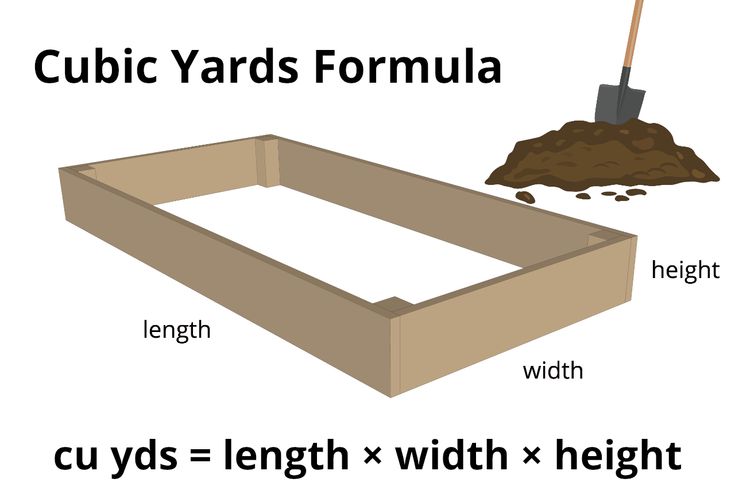
Here's where it gets interesting – the actual calculation. A cubic yard is 3 feet × 3 feet × 3 feet = 27 cubic feet. That's the magic number. So when someone tells you they need a yard of dirt, they're asking for 27 cubic feet of dirt. But wait, there's more to consider. Dirt isn't always uniform. Different types have different weights and volumes. For instance, clay-heavy dirt will pack differently than sandy soil. That's why professionals often account for compaction. A cubic yard of loose dirt might compress to about 0.7 cubic yards when packed down. It's important to know this when planning projects. Let's put this into perspective with a real-world example. Say you're filling a raised garden bed that measures 6 feet long, 4 feet wide, and 1 foot deep. That's 24 cubic feet of space. You'd need roughly 0.9 cubic yards of dirt. If you're working with a contractor, they'll usually round up to ensure you have enough material. This is where the math becomes essential – you want to avoid running short, but you also don't want to overpay for excess dirt. Remember, it's better to have a little extra than to find yourself short in the middle of a project.
Practical Applications in Real Life
Let's get down to earth and see how this knowledge actually helps in daily life. When you're planning a garden, knowing that a yard of dirt covers about 100 square feet at 3 inches deep can be incredibly helpful. For instance, if you're creating a new flower bed that's 20 feet long and 5 feet wide, you'll need approximately 3 cubic yards of dirt. That's about $150 to $300 depending on the type and where you buy it. It's also useful for estimating materials for larger projects. If you're building a retaining wall or filling a large planter, you can calculate how many cubic yards you'll need. For example, a 10-foot by 10-foot area filled to 6 inches deep requires about 1.5 cubic yards. This estimation helps you shop around for prices and avoid being overcharged. Homeowners often find this knowledge invaluable when dealing with landscaping companies. Instead of guessing, they can ask for quotes based on cubic yards, leading to fairer pricing and better project outcomes. It's also useful when renting dump trucks or hiring delivery services. Knowing the exact amount helps prevent overloading or under-delivering, which saves both time and money. The practical applications extend beyond gardening too – construction, agriculture, and even art projects can benefit from understanding these measurements.
Common Mistakes and How to Avoid Them
Even with all the knowledge, mistakes happen. One of the most frequent errors is confusing cubic feet with cubic yards. Someone might think they need 27 cubic feet of dirt for a project that requires one cubic yard. It's easy to make this mistake, especially when you're working with numbers and trying to solve a problem quickly. Another common pitfall is forgetting about compaction. Loose dirt expands when you dig it up, but it settles when you place it. This means you might need slightly more dirt than you initially calculated. Some people also forget to account for waste or spillage. When you're moving dirt from one location to another, some will inevitably be lost. It's wise to add a small buffer, perhaps 10% extra, to your calculations. Weather conditions can also affect your estimates. Wet dirt is heavier and more difficult to move than dry dirt, potentially requiring more material. Also, remember that different types of dirt have different densities. Clay soils are denser than sandy soils, so they'll weigh more per cubic yard. Finally, don't overlook the importance of checking local suppliers' measurements. Some places might use different terminology or have slight variations in their definitions. Always double-check before making major purchases or contracts. These small oversights can lead to significant problems down the road.
Tips for Getting the Right Amount
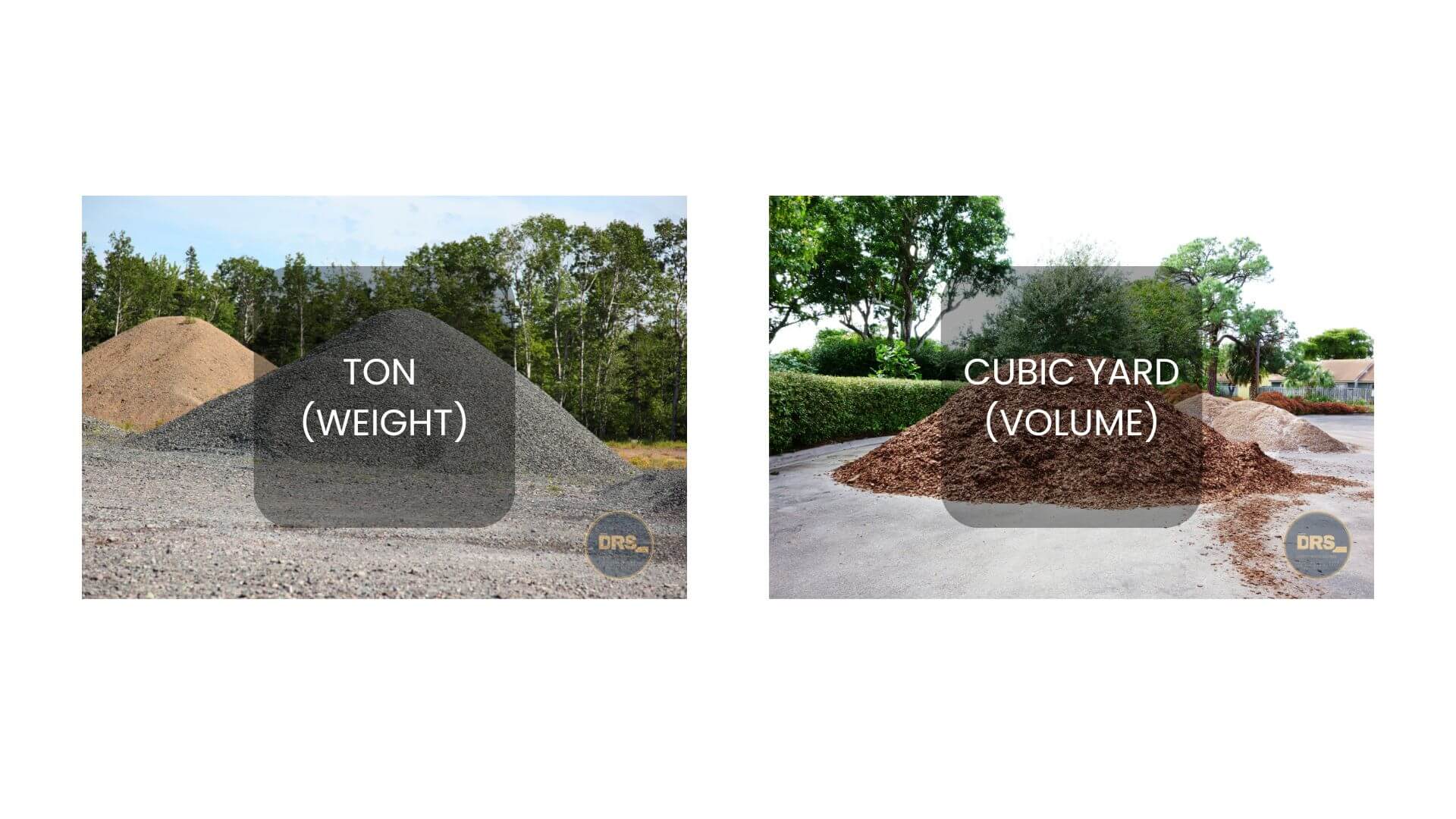
So how do you make sure you're getting the right amount of dirt? First, measure carefully. Take precise measurements of your space and multiply length times width times depth. Then convert to cubic yards by dividing by 27. This simple process prevents costly mistakes. Second, always add a little extra. Even professionals recommend adding 10% to your calculations. Why? Because perfectly measured projects rarely happen in practice. You'll probably need a bit more than you think. Third, consider the type of dirt you're purchasing. Different soils have different properties and costs. Topsoil is typically more expensive but better for gardens, while fill dirt is cheaper but less nutrient-rich. Fourth, check the supplier's terms. Some companies measure dirt by weight rather than volume, which can be confusing. Fifth, plan ahead. Order dirt early to avoid delays, especially during busy seasons. Sixth, consider buying in bulk. Many suppliers offer discounts for larger orders. Seventh, keep track of your measurements. It's easy to lose track of what you've ordered, especially when dealing with multiple deliveries. Finally, don't hesitate to ask questions. Most suppliers are happy to explain their processes and help you make informed decisions. These tips work whether you're doing a small garden project or a large construction job. They're simple but effective strategies that can save you time, effort, and money.
Understanding cubic feet in a yard of dirt might seem like a simple measurement issue, but it's actually a gateway to better planning, smarter shopping, and more successful projects. Whether you're a homeowner tackling a garden renovation or a professional managing construction sites, knowing these fundamentals makes all the difference. The key takeaway is that one cubic yard equals 27 cubic feet, and this relationship forms the foundation for estimating dirt needs for almost any project. From small garden beds to large landscaping jobs, this knowledge empowers you to make informed decisions and avoid common pitfalls. Remember, accuracy in measurement leads to efficiency in execution. Don't let confusing units or miscalculations derail your plans. With a little practice and attention to detail, anyone can master this essential skill. Next time you're planning a dirt project, take a moment to calculate your needs carefully. It might just save you from a costly mistake or a frustrating shortage. The investment in understanding these measurements pays dividends in every project you undertake.


