
Whether you're a seasoned contractor or a DIY enthusiast, cutting concrete pavers precisely can be both challenging and rewarding. The right approach makes all the difference between a professional finish and a frustrating mess. This guide walks you through everything you need to know about using an angle grinder to cut pavers effectively.
Picture this: You're laying out a beautiful patio, ready to install those perfect concrete pavers. Everything looks great until you realize one paver is just a smidge too big or too small for the space. What do you do? You reach for your angle grinder. But wait - how do you cut pavers properly without cracking them or creating a dangerous situation? This isn't just about making a cut. It's about making the right cut, with the right tool, at the right time. Let's dive into the essential knowledge every paver installer needs to master this skill.
Understanding Paver Materials and Properties
Before you even think about turning on that angle grinder, you need to understand what you're working with. Concrete pavers come in different types, each with unique characteristics that affect how they respond to cutting. Some are made with high-strength aggregates, others with lighter materials. The porosity varies significantly between brands and manufacturing processes.
The thickness matters too. Standard pavers range from 2 inches to 4 inches thick. Thicker pavers require more careful handling and often different cutting approaches. The surface texture also plays a role - some have a smooth finish while others have a textured pattern that can affect blade choice and cutting technique.
Consider the strength factor. Pavers designed for heavy traffic areas tend to be denser and harder to cut than decorative pavers used in residential settings. Understanding these differences helps prevent breakage and ensures clean cuts. For instance, a paver that's too dense might require a diamond blade instead of a standard abrasive wheel.
Essential Tools and Equipment
The angle grinder itself is just the beginning. You'll need several supporting items to make this process safe and effective:
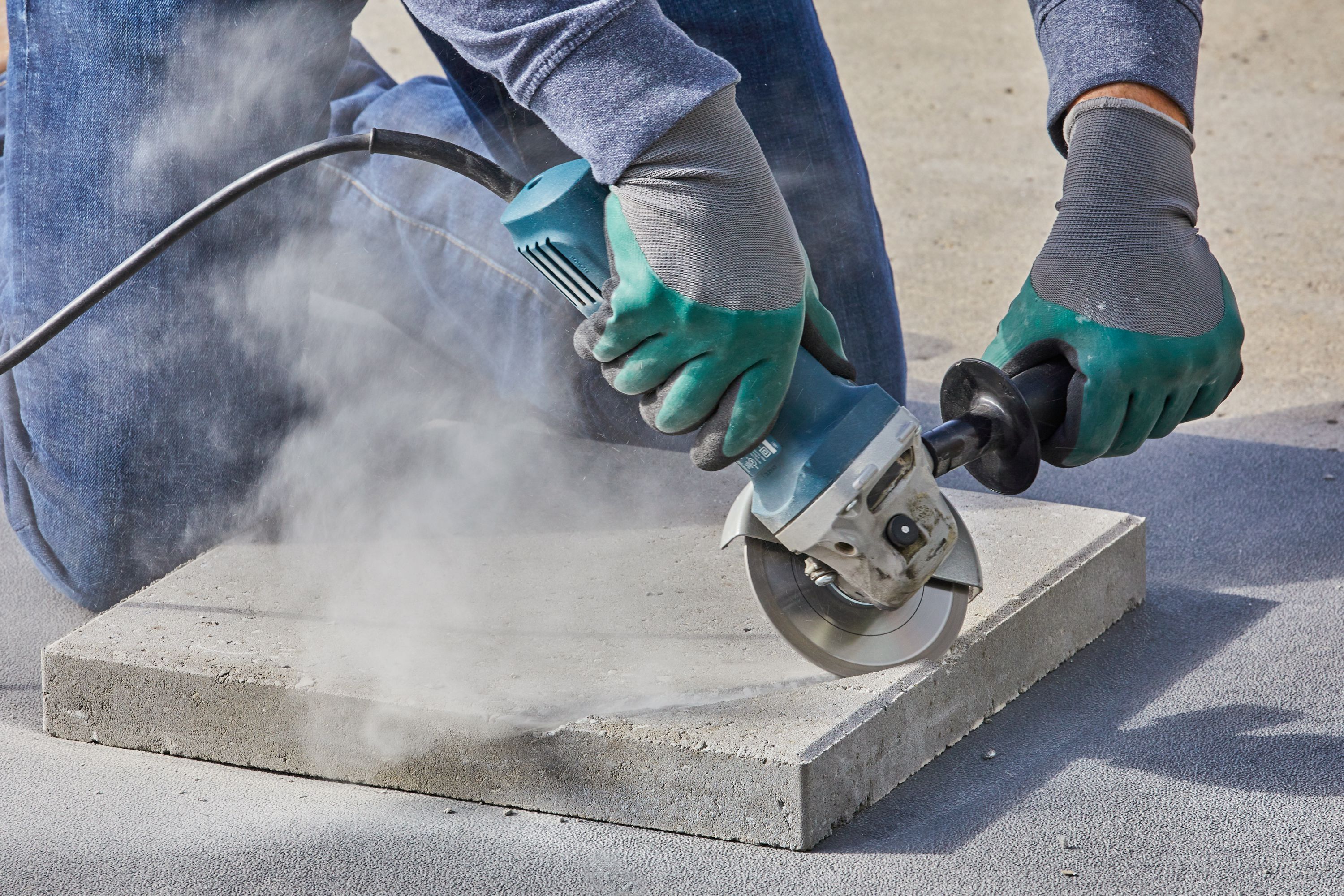
A quality angle grinder with variable speed control gives you much better results than a basic model. Look for one with at least 7.5 amp motor power and a guard that covers the blade adequately. The blade size matters too - typically 4.5 to 7 inch wheels work best for most paver cutting tasks.
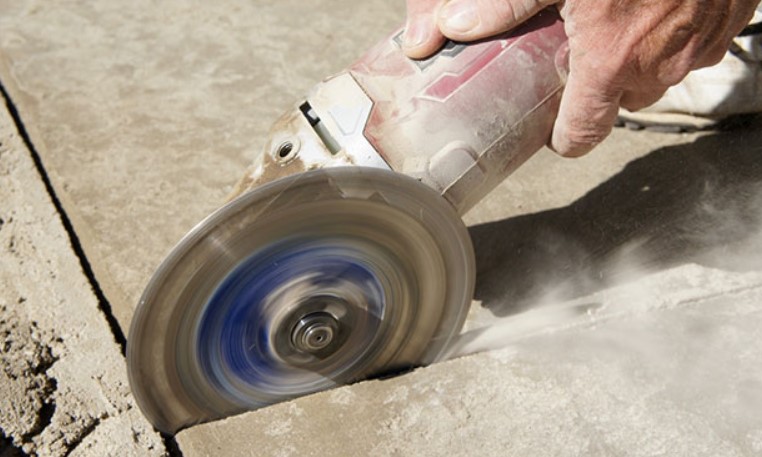
Don't overlook the importance of having the right blade. Abrasive wheels wear quickly, especially when cutting hard materials like concrete. Diamond blades last longer and provide cleaner cuts, though they cost more upfront. Many professionals switch to diamond blades for regular paver work because they offer superior performance and reduce waste.
Safety First: Critical Precautions
This might be the most important part of this entire guide. Cutting pavers generates significant dust and debris, plus there's always the risk of the blade failing or the paver breaking unexpectedly. Think about your safety first, every single time.
Always wear eye protection - nothing less than full safety glasses or goggles. Dust from cutting concrete can cause serious eye injuries. Gloves are equally crucial. They protect against sharp edges and vibration-related hand fatigue. A dust mask or respirator is mandatory because the fine particles created during cutting can damage your lungs over time.
Work in a well-ventilated area whenever possible. If indoors, ensure good air circulation or use a dust extraction system. Set up warning signs around your workspace to keep others away from the cutting zone.
Check your equipment before starting. Ensure the blade is properly secured and balanced. Look for cracks in the blade or grinder housing. Never attempt to cut anything if your equipment seems compromised in any way. It's better to wait a few minutes for proper setup than risk injury.
Preparation and Marking Techniques
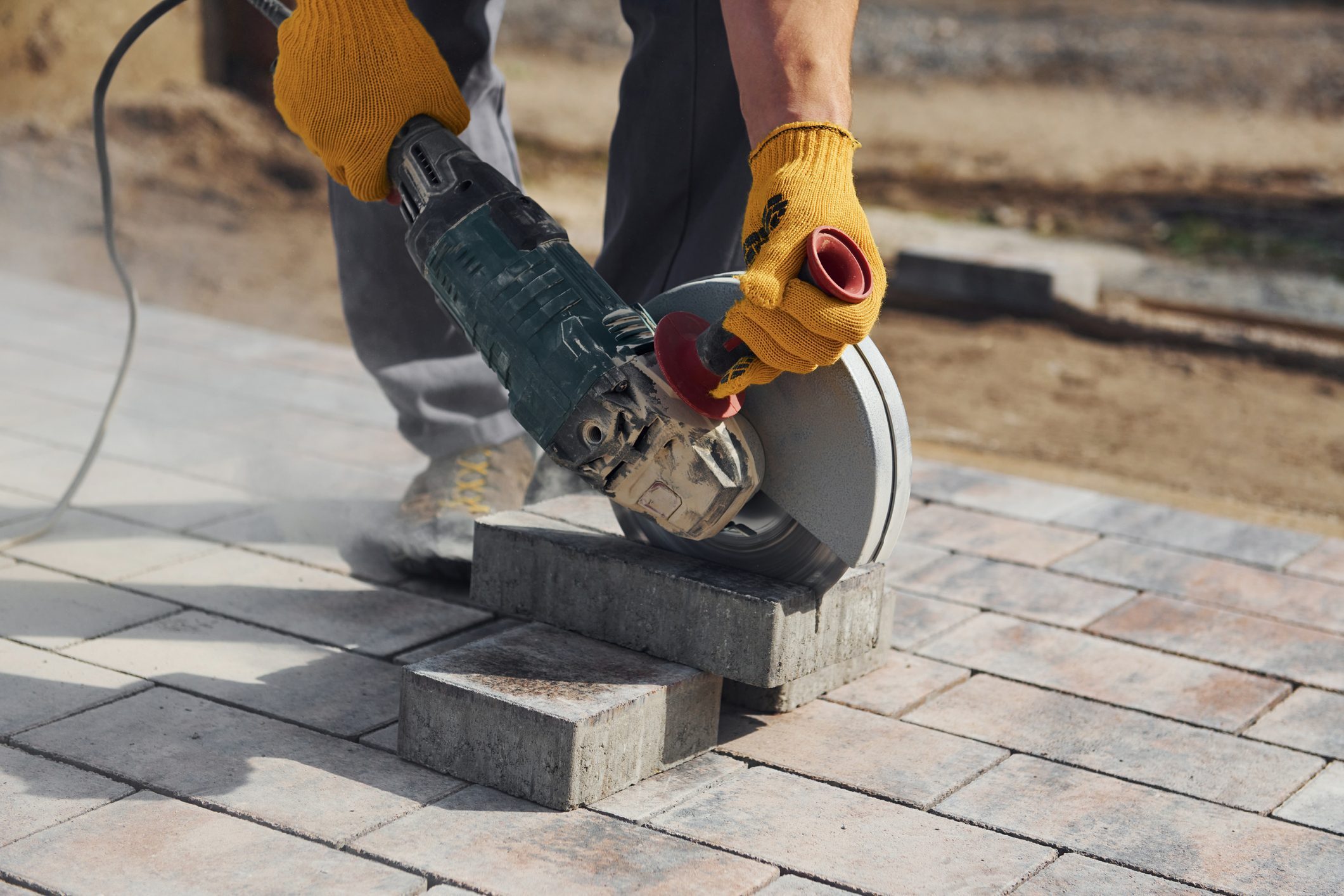
Good preparation saves time and prevents costly mistakes. Start by measuring carefully. Use a tape measure and pencil to mark exactly where you want to cut. Double-check your measurements multiple times before proceeding. Mistakes here lead to wasted material and extra work later.
For straight cuts, use a straight edge or ruler to draw a precise line. For curved cuts, sketch the desired shape lightly with a pencil first. Then transfer that drawing to the paver surface with a fine-tip marker or chalk line. Some people prefer to use a template or pattern to guide their cuts.
Clean the surface thoroughly before marking. Any dirt, oil, or debris can interfere with the cutting process and make it harder to see your markings clearly. A damp cloth works well for cleaning.
Plan your cutting path carefully. Consider the direction of the paver's grain if it has visible texture. Cutting against the grain can cause chipping or uneven edges. Always plan to make the cut from the side that will be hidden or less visible in the final installation.
Cutting Methods and Techniques
There are several approaches to cutting pavers, each suited for different situations:
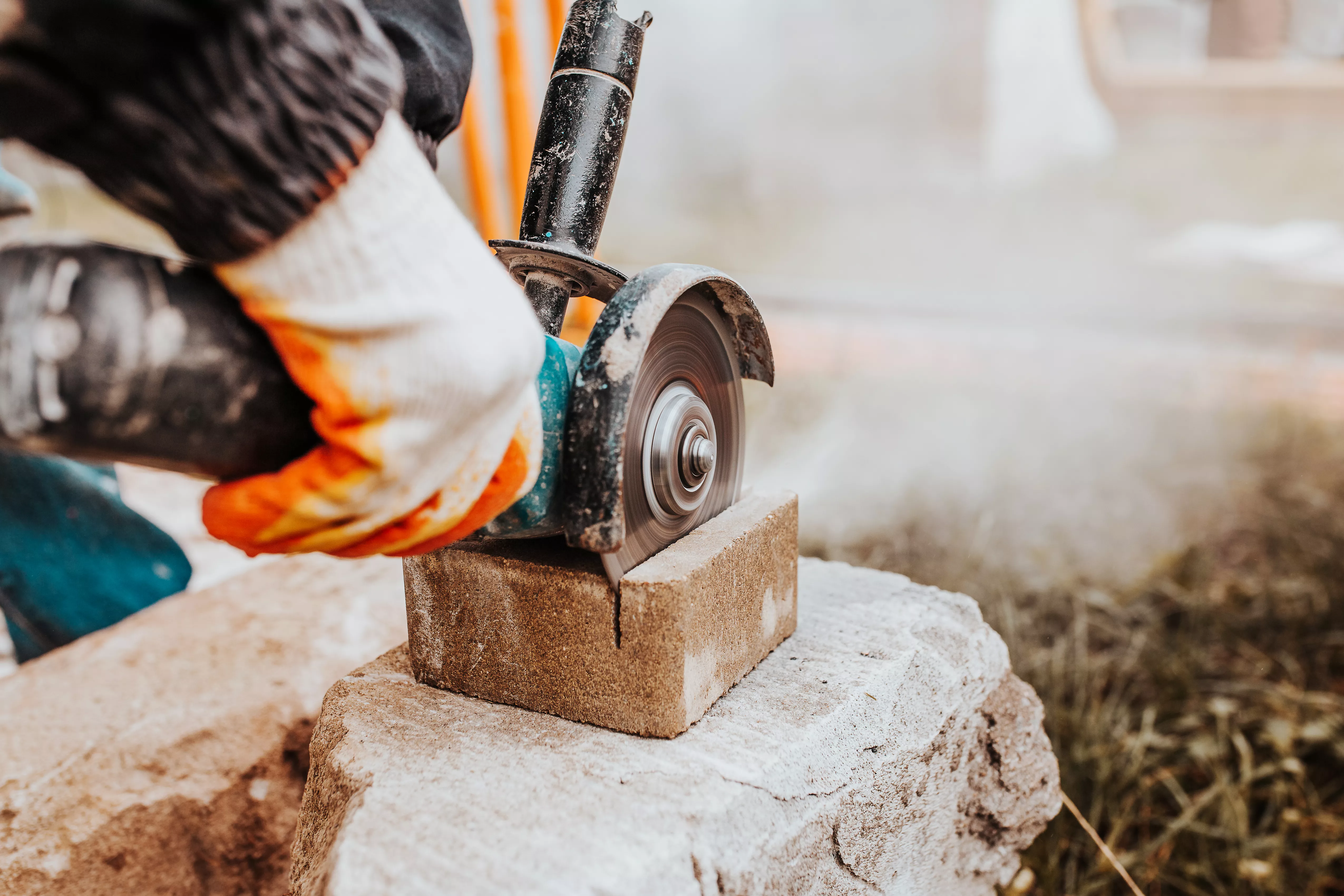
Always cut with the blade moving toward you rather than away from you. This helps prevent the blade from grabbing or binding. Keep the blade tilted slightly to avoid cutting too deeply into the back of the paver.
Some experienced users recommend making two passes for thicker pavers - one shallow pass to start, then a second deeper pass. This reduces stress on the blade and provides cleaner results.
Maintenance and Blade Care
Your angle grinder and blades are investments worth protecting. Proper maintenance extends their useful life and keeps them performing optimally. After each use, clean the grinder thoroughly to remove concrete dust and debris. Pay special attention to the blade guard and motor ventilation ports.
Inspect blades regularly for wear or damage. Look for chipped segments, excessive wear, or any signs of imbalance. A worn blade produces poor cuts and increases the risk of accidents. Replace blades promptly when they show signs of deterioration.
Store blades properly when not in use. Keep them in a dry place away from moisture and impact. Consider using blade covers or protective storage containers to prevent damage.
Keep your water supply handy during extended cutting sessions. Cooling the blade prevents overheating, which can damage both the blade and the paver. Many professionals use a small water spray system or simply wet the cutting area periodically.
Common Mistakes and How to Avoid Them
Even experienced cutters make errors sometimes. Here are some frequent problems and solutions:
Learning from these mistakes takes practice, but awareness helps you avoid them in the future.
Troubleshooting and Problem Solving
When things go wrong, knowing how to handle problems quickly prevents bigger issues. If your blade skips or vibrates excessively, it could be unbalanced or dull. Stop cutting and inspect the blade. Replace it if necessary.
If you're getting rough or chipped edges, check your blade condition and cutting technique. Sometimes the issue is simply that you're not keeping the blade properly cooled. Other times, the paver itself might be too brittle for the cutting method.
Dealing with stuck pavers requires patience. If you've made a cut but can't separate the pieces cleanly, try tapping gently with a rubber mallet. Sometimes a little force helps break the connection naturally.
Water management is critical. Too little water leads to overheating, while too much can create slippery conditions. Find the balance that works for your specific situation and materials.
Sometimes the paver itself is the problem. Older pavers or those with high air content may behave differently than newer, denser ones. Adjust your technique accordingly based on the material you're cutting.
Advanced Tips for Professional Results
Once you've mastered the basics, consider these refinements for more polished outcomes:
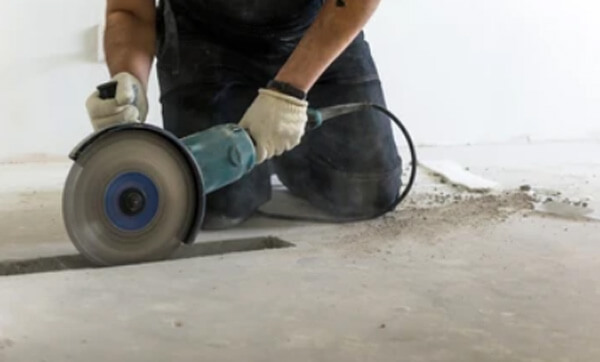
Professional installers often spend extra time preparing their workspace and tools, which pays off in better results and fewer rework situations.
Cost-Benefit Analysis and Best Practices
Cutting pavers yourself can save money, but it's not always the cheapest option. Consider the costs of tools, time investment, and potential mistakes. A good angle grinder with proper blades costs between $100-$300, plus ongoing blade replacement costs. Professional services can range from $50-$150 per paver depending on complexity.
Time is another factor. Cutting pavers yourself might take longer initially, but you gain control over timing and scheduling. However, if you're new to this work, expect to spend extra time learning proper techniques.
Quality matters too. Professional cuts look better and last longer. Poor cuts can lead to water infiltration, shifting pavers, and premature replacement.
Best practices include taking your time, investing in quality safety gear, and keeping detailed records of successful techniques. Document what works well so you can replicate success on future projects.
Remember that experience builds confidence. The more you practice, the faster and more accurate you become. Don't rush into complex projects until you're comfortable with basic techniques.
Cutting pavers with an angle grinder isn't rocket science, but it does require attention to detail, proper preparation, and respect for safety protocols. Whether you're fixing a single misfit paver or tackling an entire project, mastering these fundamentals will serve you well. The key is understanding your materials, choosing the right tools, and maintaining consistent technique. With practice, you'll find that cutting pavers becomes second nature. The satisfaction of achieving clean, precise cuts that fit perfectly together makes all the effort worthwhile. So grab your grinder, put on your safety gear, and get ready to transform your paver installation game. Every professional starts somewhere, and with the right approach, you'll be cutting like a pro in no time.


