
Picture this: you're settling in for a cozy evening by the fire, when suddenly you notice dark streaks and smudges on your fireplace walls. Those telltale signs of soot are there, and they're not just unsightly. They're actually telling you something important about your fireplace's performance. Cleaning soot isn't just about aesthetics – it's about safety and efficiency too.
Fireplaces bring warmth and ambiance to our homes, but they also leave behind traces of their combustion process. Soot, that fine black powder that coats your fireplace, isn't just a cosmetic issue. It's a sign that your chimney might need attention, and it can affect both your home's air quality and your fireplace's efficiency. Whether you've had a recent fire or you're dealing with buildup from months of use, understanding how to properly tackle soot removal is essential. The good news? With the right approach, this task becomes manageable and even straightforward. You'll discover that cleaning soot isn't just about scrubbing away grime – it's about maintaining a healthy, safe environment for your family.
Understanding Soot Formation
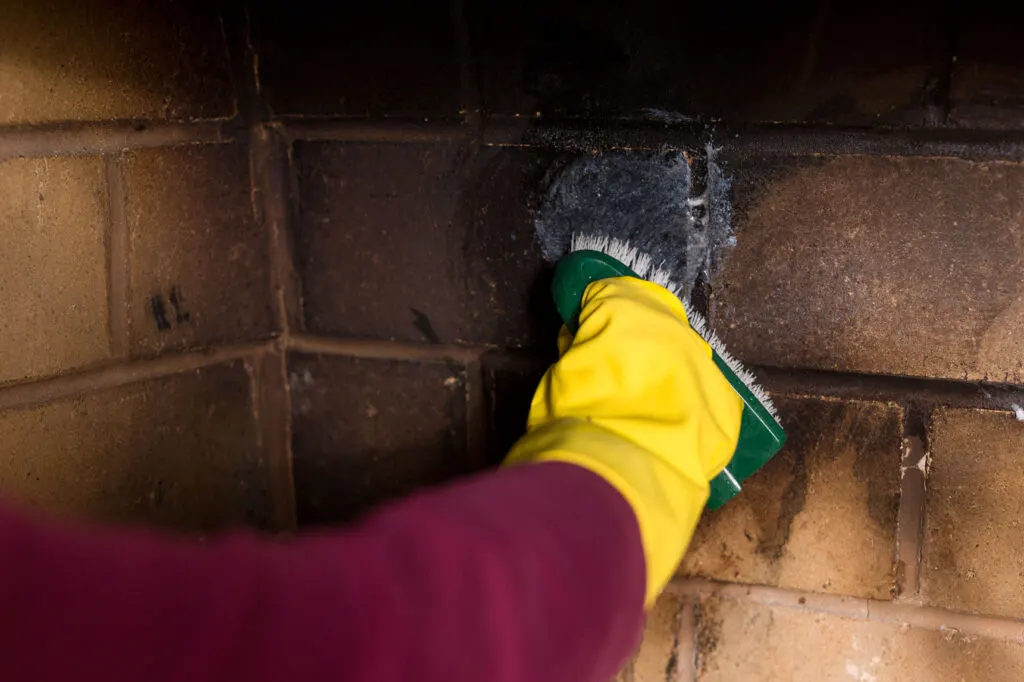
Soot forms when wood doesn't burn completely. This happens when there's insufficient oxygen, poor airflow, or when the wood itself isn't dry enough. When you see soot on your fireplace, you're looking at carbon particles that didn't fully combust. These particles are tiny, often microscopic, and they cling to surfaces like glue. The darker the soot, the more complete the combustion process was. But that's not always a good thing – excessive soot indicates incomplete burning. Think about it like cooking: if your food burns too quickly or unevenly, it leaves behind charred residue. Your fireplace works similarly. Understanding why soot appears helps you prevent future buildups. The key is ensuring proper ventilation and using seasoned hardwood. If you're noticing frequent soot accumulation, it might be time to check your chimney's condition or consider professional cleaning services.
Safety First: Preparing for Cleaning
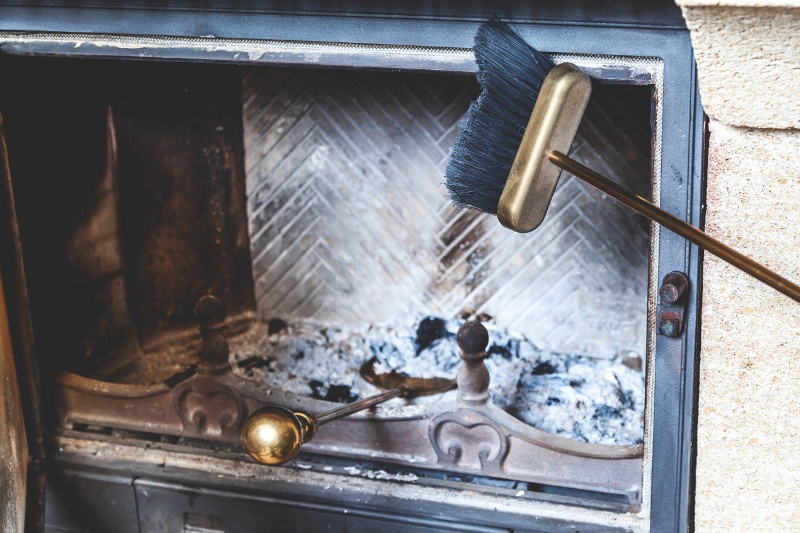
Before you dive into any cleaning activity, safety should always come first. Put on protective gear including gloves, eye protection, and a mask to avoid inhaling soot particles. Clear the area around your fireplace and ensure the fire is completely out. Remove any decorative items or mantel pieces that might get in the way. Check that your fireplace is cool to the touch – it could still retain heat even after the fire has died. Having a bucket of water nearby is smart for emergencies. If you're dealing with heavy soot buildup, consider opening windows for ventilation. Also, never use water directly on hot surfaces or electrical components near your fireplace. The combination of heat, moisture, and soot can create dangerous situations. Think of this preparation phase as setting the stage for a careful, methodical cleanup rather than rushing in blindly. Taking these precautions makes the entire process much safer and more effective.
Essential Tools and Materials
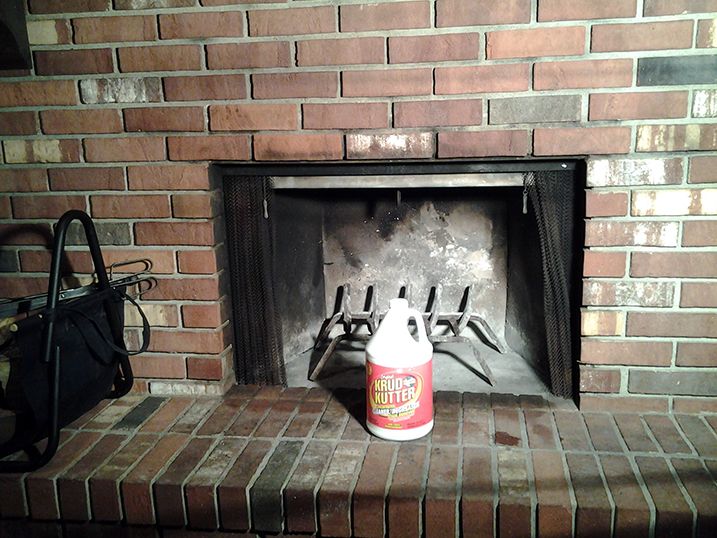
You don't need fancy equipment to clean soot effectively. Start with a soft-bristle brush or a specialized fireplace cleaning brush – these work wonders on stubborn deposits. Microfiber cloths are excellent for wiping surfaces without leaving fibers behind. You'll want a vacuum cleaner with a HEPA filter to capture soot particles and prevent them from spreading. A mixture of warm water and mild dish soap creates an effective cleaning solution. For particularly tough spots, baking soda can help lift stubborn stains. Some people swear by white vinegar mixed with water for its natural cleaning properties. Don't forget paper towels or rags for drying. A putty knife can help scrape off thick soot layers carefully. The most important tool might be patience – some areas will require multiple passes to achieve clean results. Having all your supplies ready ensures you won't have to interrupt your cleaning process.
Step-by-Step Cleaning Process
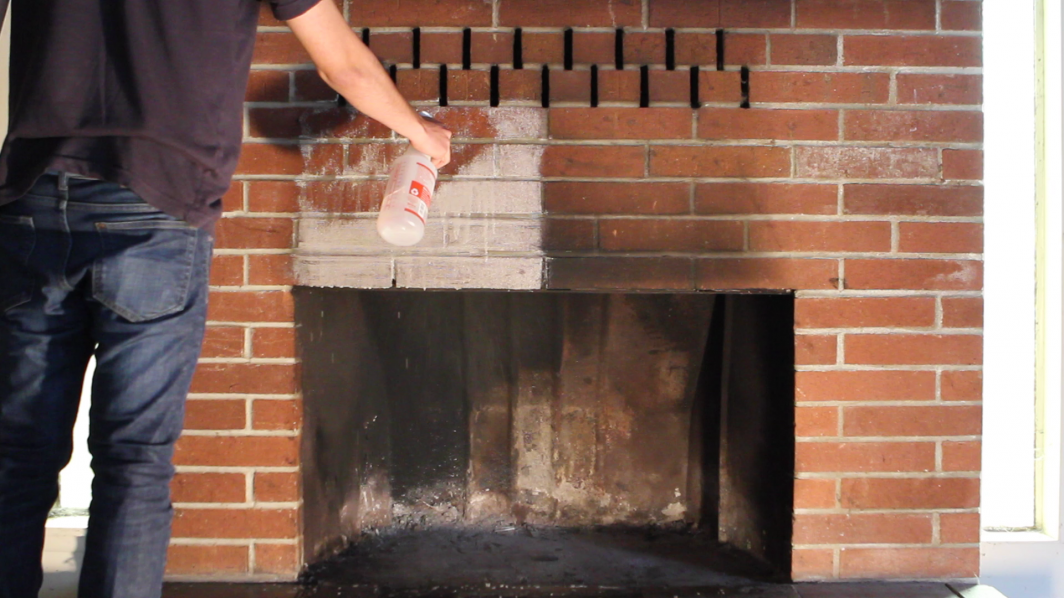
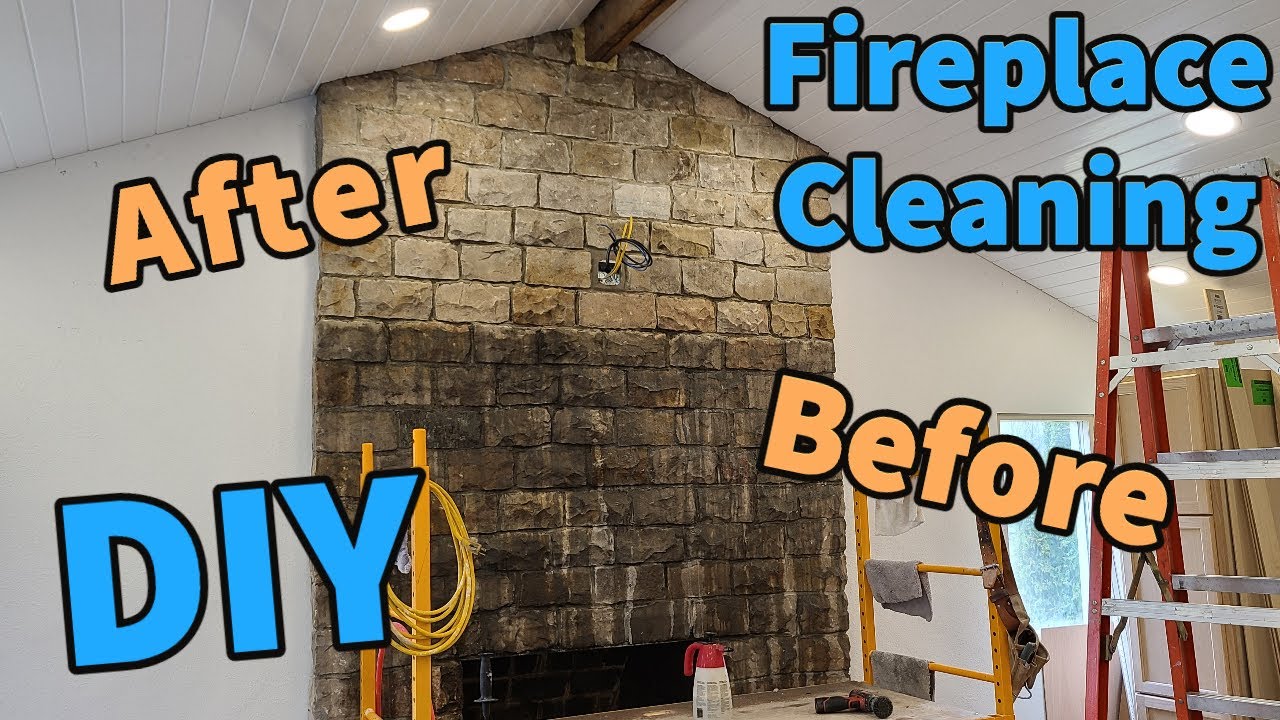
Begin by vacuuming loose soot from the fireplace opening and surrounding areas. Work slowly, paying attention to corners and crevices where soot tends to collect. Next, dampen your microfiber cloth with the cleaning solution and gently wipe down the interior surfaces. Be careful not to saturate the brick or stone – you want to remove soot without causing damage. For heavy buildup, apply the baking soda paste directly to problem areas and let it sit for a few minutes before wiping away. Rinse with clean water if needed, then dry thoroughly. Use the vacuum again to pick up any remaining debris. Finally, inspect your work. If you notice persistent stains or if the soot seems to be coming back quickly, it might be time to call in professionals. Remember, a clean fireplace not only looks better but also burns more efficiently.
Preventing Future Soot Buildup
Prevention is always better than cure. Regular maintenance prevents major soot problems. Schedule annual chimney cleaning to remove creosote and soot buildup. Use only dry, seasoned hardwood and avoid green or wet wood. Proper airflow is crucial – make sure your damper opens fully and your chimney flue is clear. Keep your fireplace hearth clean regularly. Consider installing a fireplace screen to prevent sparks and reduce soot production. Monitor your firewood storage to ensure it stays dry and well-ventilated. A small investment in prevention saves you from bigger headaches later. Think of it like taking care of your car – regular tune-ups prevent expensive repairs down the road. By staying proactive, you'll enjoy many more years of beautiful, efficient fireplace use.
When to Call Professionals
While basic soot cleaning is doable at home, certain situations warrant professional help. If you notice a strong smell of smoke or soot in your home, it could indicate a serious buildup that requires expert attention. Heavy soot accumulation that won't budge after several attempts is another red flag. If you suspect your chimney needs relining or has structural issues, don't hesitate to contact certified chimney sweeps. Professionals have specialized tools and experience to handle dangerous situations safely. They can also provide advice on improving your fireplace's efficiency. Sometimes, what looks like simple soot might actually be a sign of a larger problem. Remember, your safety matters more than saving a few dollars on cleaning costs. When in doubt, it's always wise to consult with someone who knows what they're doing. Professional help ensures your fireplace operates safely and efficiently for years to come.
Cleaning soot from your fireplace isn't just about keeping things looking nice – it's about maintaining a safe, efficient space for your family. You now know that soot formation relates to how your fire burns and that proper preparation makes everything easier. With the right tools and techniques, you can handle most cleaning tasks yourself. But remember, prevention is key, and sometimes professionals are the best choice. Your fireplace deserves care and attention. By following these steps, you're not just cleaning soot – you're investing in your home's comfort and safety. The next time you light a fire, you'll appreciate having a clean, well-maintained fireplace that provides warmth and joy without the worry of soot buildup. Take pride in your efforts, and enjoy the satisfaction of a job well done.


