
When it comes to creating beautiful outdoor living spaces, two popular choices stand out: stamped concrete patios and pavers. Both offer unique advantages and can transform your backyard into a stunning area for entertaining and relaxation. But which one is right for your home? Let's dive into the details of both options to help you make an informed decision.
Picture this: you're hosting a summer barbecue, the sun is setting, and your guests are admiring the beautiful outdoor space you've created. Whether you've chosen stamped concrete or pavers, the result is a functional and attractive patio that enhances your home's curb appeal. These outdoor flooring options have evolved significantly over the years, offering homeowners more choices than ever before. But what really sets them apart? What makes one better than the other? The answer lies in understanding their characteristics, costs, maintenance needs, and how they fit into your lifestyle and budget.

What Makes Stamped Concrete Special?
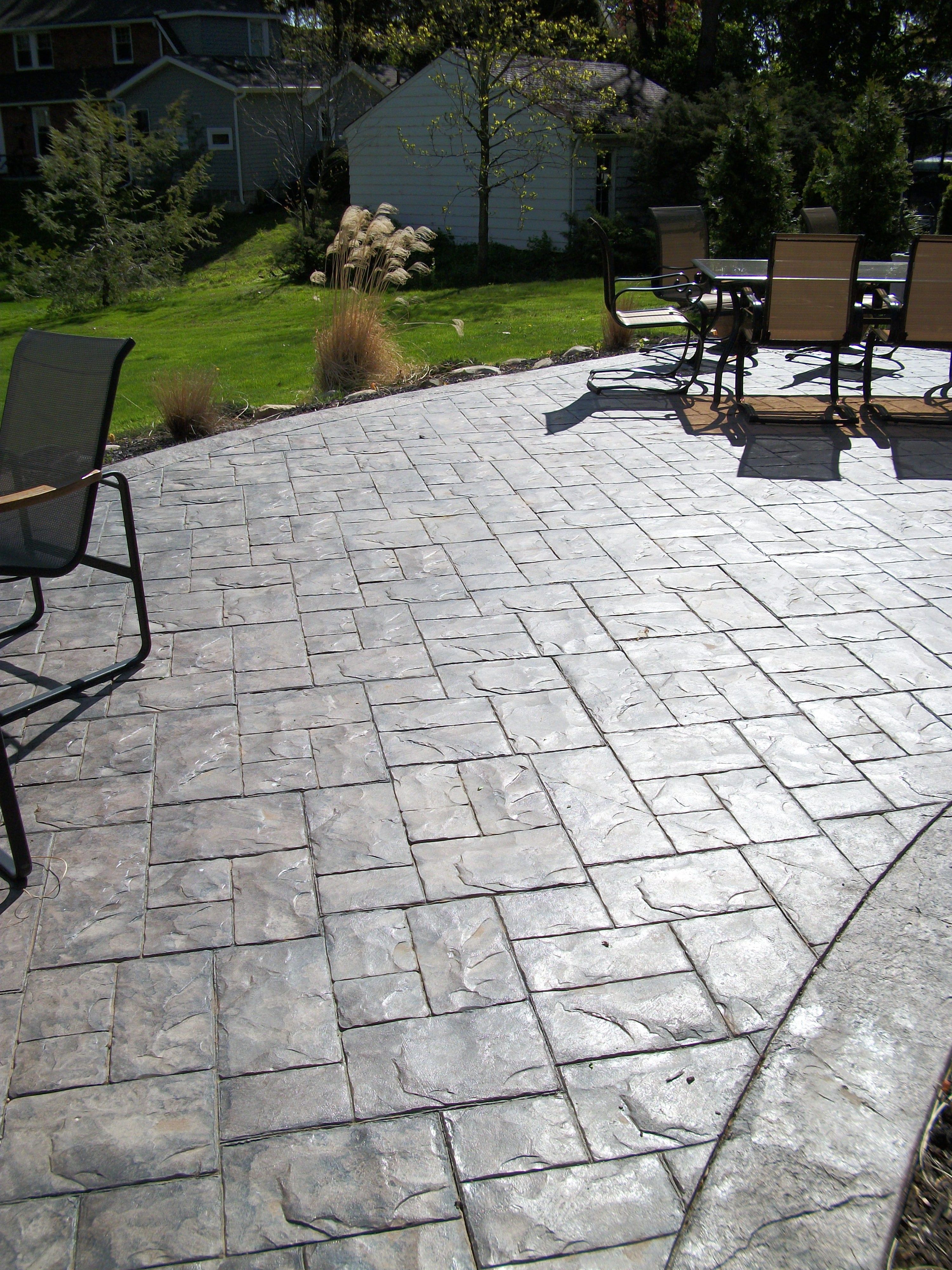
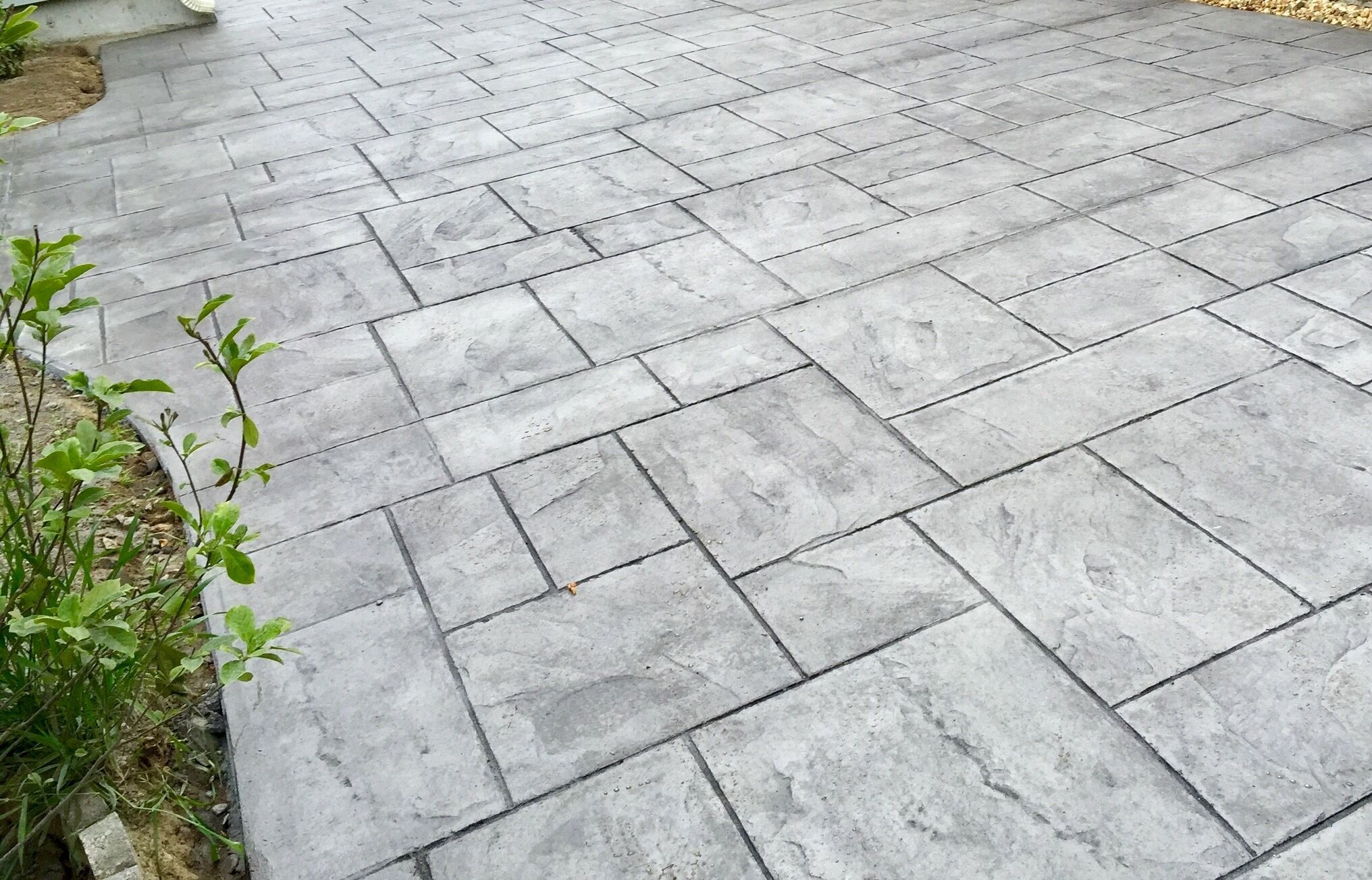
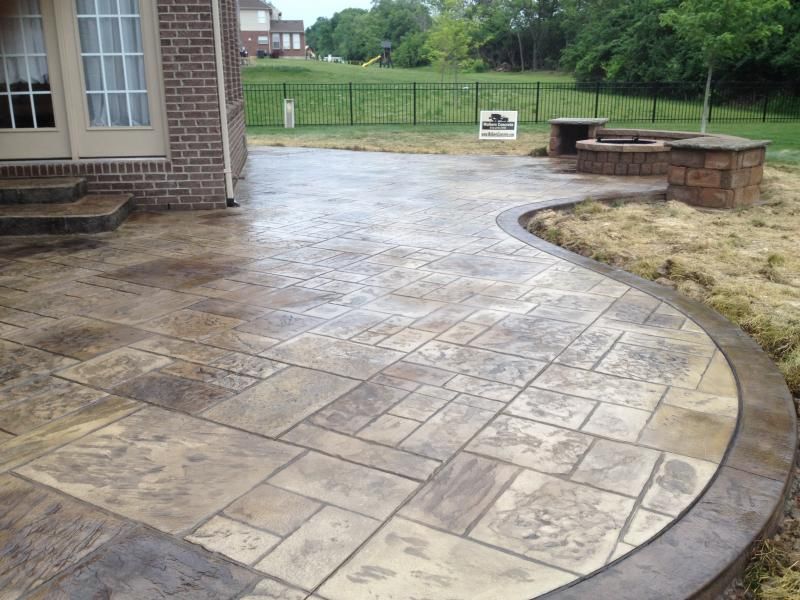
Stamped concrete isn't just concrete with a pattern pressed into it. It's a sophisticated surface treatment that mimics the look of natural stone, brick, or tile. The process involves pouring regular concrete and then pressing textured mats or stamps into the wet surface to create realistic patterns. This technique allows for endless design possibilities. You can choose from various textures like cobblestone, flagstone, brick, or even wood grain patterns. The beauty of stamped concrete lies in its ability to provide a custom look that matches your aesthetic preferences. Plus, it's available in many colors and finishes, allowing for creative expression in your outdoor design. Imagine having a patio that looks like expensive natural stone but costs significantly less. That's the magic of stamped concrete. It's also incredibly durable, resisting weather changes and foot traffic well. Many stamped concrete patios last 20-30 years with proper care.
The Appeal of Pavers
Pavers have been a classic choice for outdoor patios for decades. They're made from materials like concrete, clay, stone, or brick and are laid in a grid pattern. What makes pavers so appealing is their versatility and longevity. Unlike stamped concrete, which is poured in one piece, pavers can be individually replaced if damaged. If a single paver gets cracked or stained, you can simply remove and replace it without affecting the entire patio. This modular approach means repairs are easier and more cost-effective. Pavers also offer excellent slip resistance, making them safer for families with children or elderly members. They come in countless styles, sizes, and materials, giving you nearly unlimited design options. A traditional brick paver patio can look elegant and timeless, while modern concrete pavers might feature sleek lines and contemporary patterns. The installation process requires more work initially, but the payoff is often worth it.
Cost Comparison and Budget Considerations
When comparing stamped concrete versus pavers, costs vary based on several factors. Stamped concrete typically ranges from $6 to $12 per square foot for materials and installation. However, this price can fluctuate depending on the complexity of the pattern, color choices, and regional labor rates. Pavers usually cost between $8 and $15 per square foot, including installation. While pavers might seem more expensive upfront, they often require less maintenance over time. Stamped concrete may need resurfacing every 10-15 years, whereas quality pavers can last 40+ years. The initial investment for pavers is higher, but their longevity and repairability can make them more economical in the long run. Consider your budget carefully, but also think about how much you want to spend on maintenance and potential future repairs.

Installation Process Differences
The installation process for each option differs significantly. Stamped concrete requires careful preparation of the base, proper concrete mixing, and precise timing for stamping. The concrete must be poured and worked within a specific timeframe before it hardens. Professional installation is highly recommended because the timing and technique are crucial for achieving the desired results. Paver installation involves laying a base of compacted gravel and sand, followed by the pavers themselves. This process is more forgiving because individual pavers can be adjusted after placement. Pavers also allow for easier modifications if you decide to change the layout later. The preparation phase for pavers takes longer, but the actual installation can be completed more quickly once the base is ready. Both methods require proper drainage planning and base preparation for optimal performance.
Maintenance Requirements
Both stamped concrete and pavers require regular upkeep, but their maintenance needs differ. Stamped concrete needs periodic sealing every 2-3 years to protect against stains and weather damage. Cleaning involves regular sweeping and occasional pressure washing. However, the surface can be prone to staining from oil or plant matter if not properly sealed. Pavers generally require less frequent sealing, perhaps every 5-7 years, and they're easier to clean because dirt and debris can be swept away easily. One advantage pavers have is that individual stones can be cleaned separately if they get stained. Both surfaces benefit from annual cleaning and inspection. Stamped concrete may develop cracks over time, requiring patching or resurfacing. Pavers can shift or become loose, but they can be reset easily. Neither option is particularly difficult to maintain, but knowing what to expect helps you plan accordingly.
Durability and Longevity
In terms of lifespan, both stamped concrete and pavers offer excellent longevity when properly installed and maintained. Stamped concrete typically lasts 20-30 years, though this can vary based on climate and usage. In areas with freeze-thaw cycles, concrete may experience more wear than in milder climates. Proper installation and regular sealing can extend its life significantly. Pavers often outlast stamped concrete, with some lasting 40-50 years or more. Their modular nature means they can be repaired rather than replaced entirely. This makes them particularly attractive for high-traffic areas or homes with children and pets. The durability of pavers also means they resist fading better than many stamped concrete options. Both materials handle heavy loads well, but pavers have an edge in terms of flexibility for future modifications.
Choosing between stamped concrete and pavers for your patio ultimately depends on your priorities, budget, and lifestyle. If you want a seamless, uniform appearance with a wide variety of design options, stamped concrete might be your best bet. It offers a more affordable entry point and can mimic expensive natural materials beautifully. On the other hand, if you value long-term durability, easy repairs, and a timeless look that ages gracefully, pavers could be the better choice. They provide superior longevity and the flexibility to make changes over time. Consider your local climate, how much maintenance you're willing to do, and what kind of look you want to achieve. Both options can create stunning outdoor spaces that enhance your home's value and enjoyment. Take your time to research both options thoroughly, visit showrooms, and speak with professionals who can help guide you toward the right decision for your specific situation. Remember, whatever you choose, the most important thing is that you enjoy your new patio space.


