
Have you ever wondered if it's possible to put a fence right on top of a retaining wall? This question comes up often when homeowners want to maximize their outdoor space while adding security and privacy. The answer isn't simply yes or no - there are important considerations that affect everything from structural integrity to local building codes. Let's explore what makes this combination work well or potentially cause problems.
When it comes to creating defined outdoor spaces, few solutions offer the dual benefits of privacy and security quite like combining a retaining wall with a fence. But what happens when you want to place that fence directly on top of your existing retaining wall? It's not just a simple matter of placing posts in the ground. There are several factors to consider that can make or break your project. From structural engineering principles to local regulations, we'll walk through everything you need to know before taking on this type of construction work.
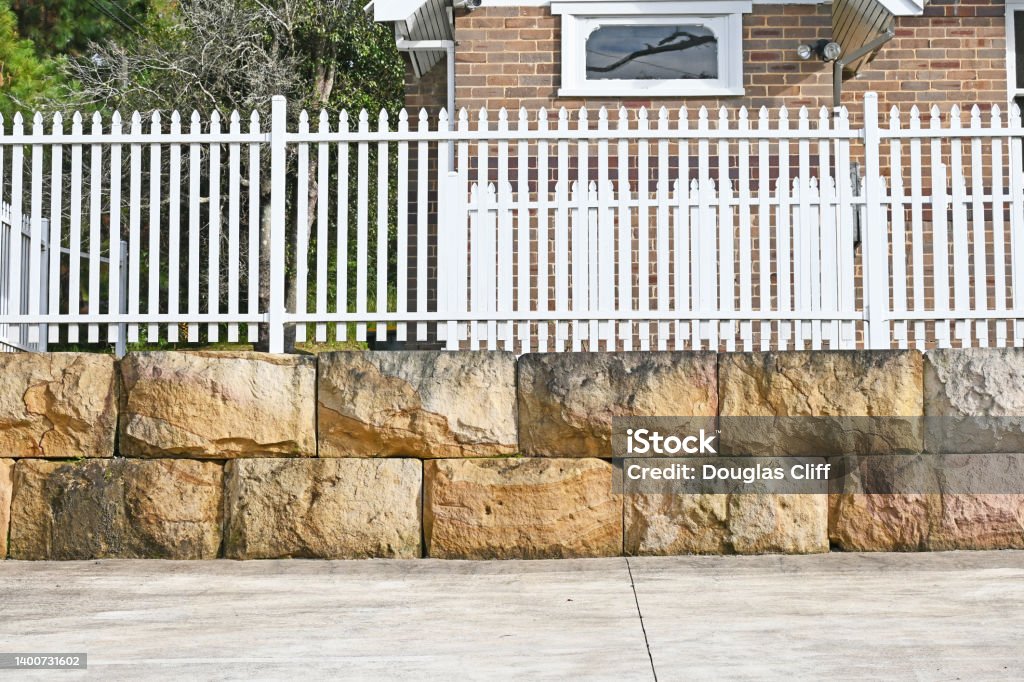
Understanding the Structural Considerations
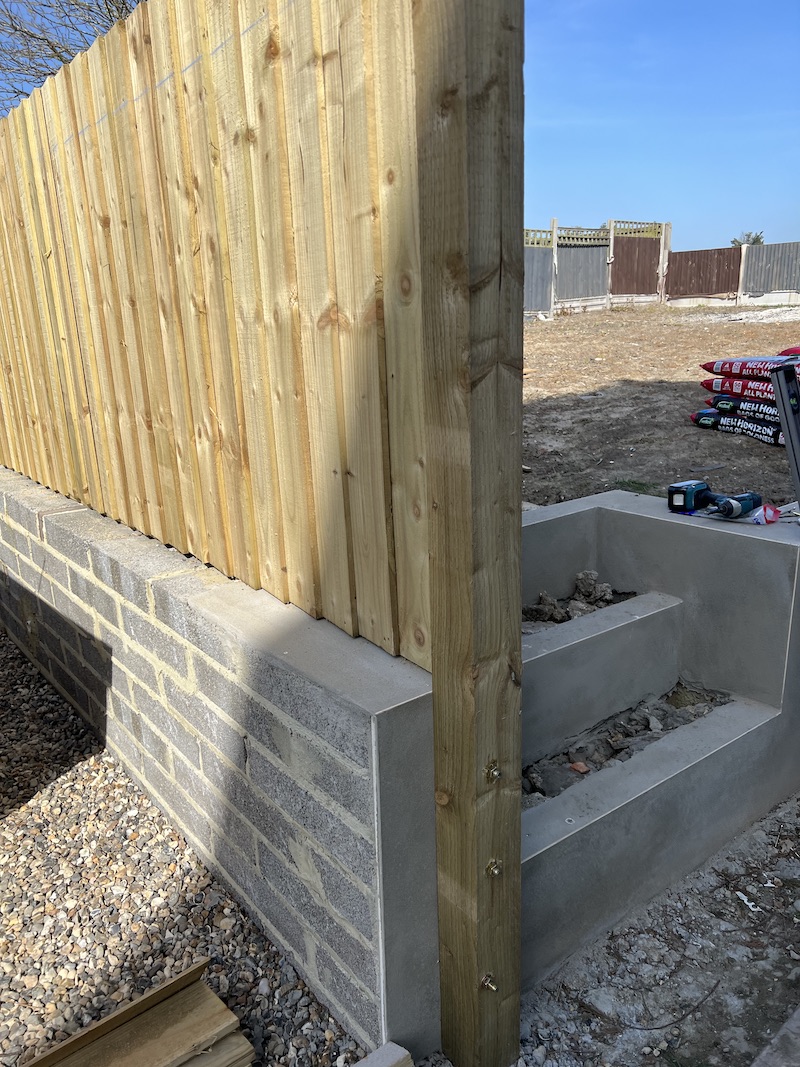
Placing a fence atop a retaining wall requires careful attention to load-bearing capacity. The wall itself must be strong enough to support additional weight from fencing materials, wind forces, and even people leaning against it. Think about the type of wall you have - concrete, stone, or block - each has different strength characteristics. For example, a solid concrete retaining wall can typically handle more weight than a mortared brick wall. The fence posts need to be anchored securely into the wall structure rather than just standing on top of it. This often means using specialized hardware or embedding post anchors during the original construction phase.
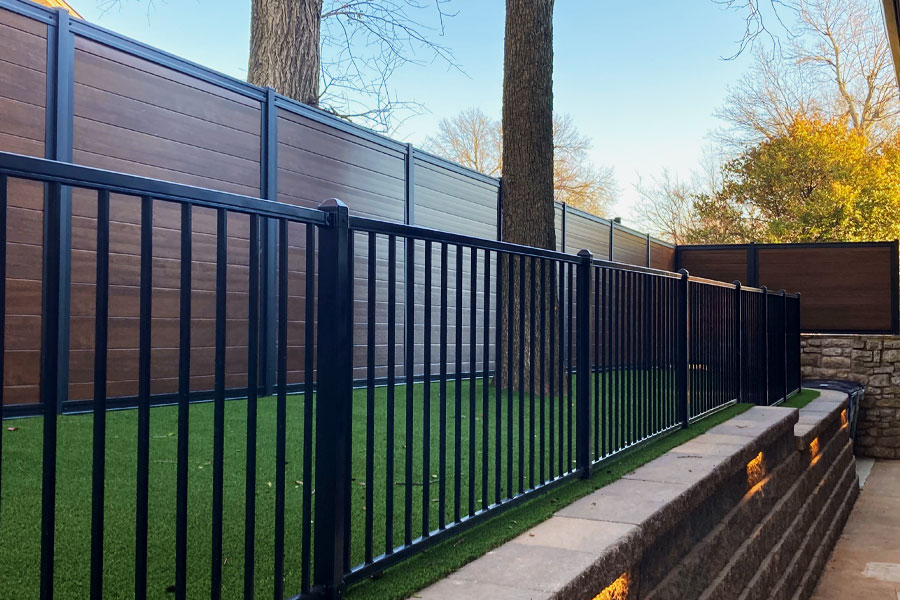
Legal and Regulatory Requirements
Before you start planning your fence installation, check with your local building department. Many municipalities have specific rules about fences placed on retaining walls, particularly concerning height restrictions and setback requirements. Some areas require permits for any changes to existing retaining structures. Additionally, there might be HOA guidelines that affect what materials you can use or how the fence should look. These regulations exist not just for aesthetic reasons but for safety and structural integrity. What seems like a simple addition could violate local codes if you're not careful.
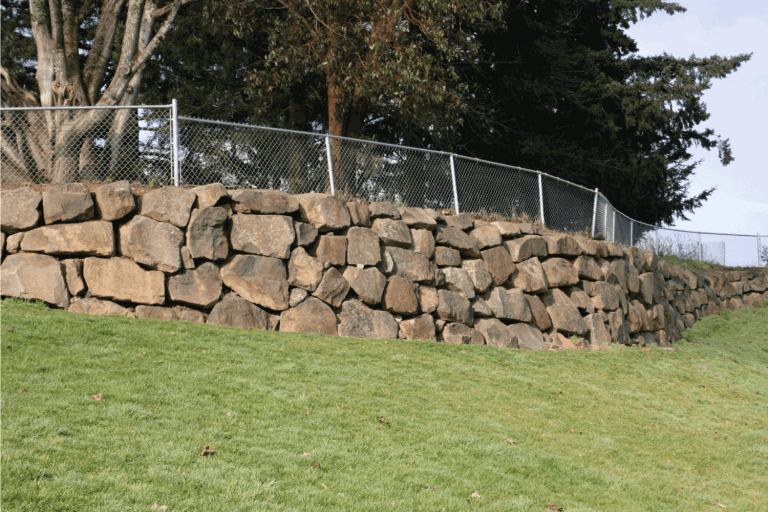
Choosing the Right Fence Materials
Not all fencing materials are created equal when it comes to installation on retaining walls. Wood fences, while classic and affordable, may rot faster when exposed to moisture from the wall below. Metal fences can rust over time, especially in areas with high humidity. Vinyl and composite options tend to hold up better in these conditions. The material choice affects both installation method and long-term maintenance needs. For instance, if you're using wood, you might need to add drainage features to prevent water damage to the wall. Consider also the visual impact - a heavy metal fence might overwhelm a delicate stone retaining wall.
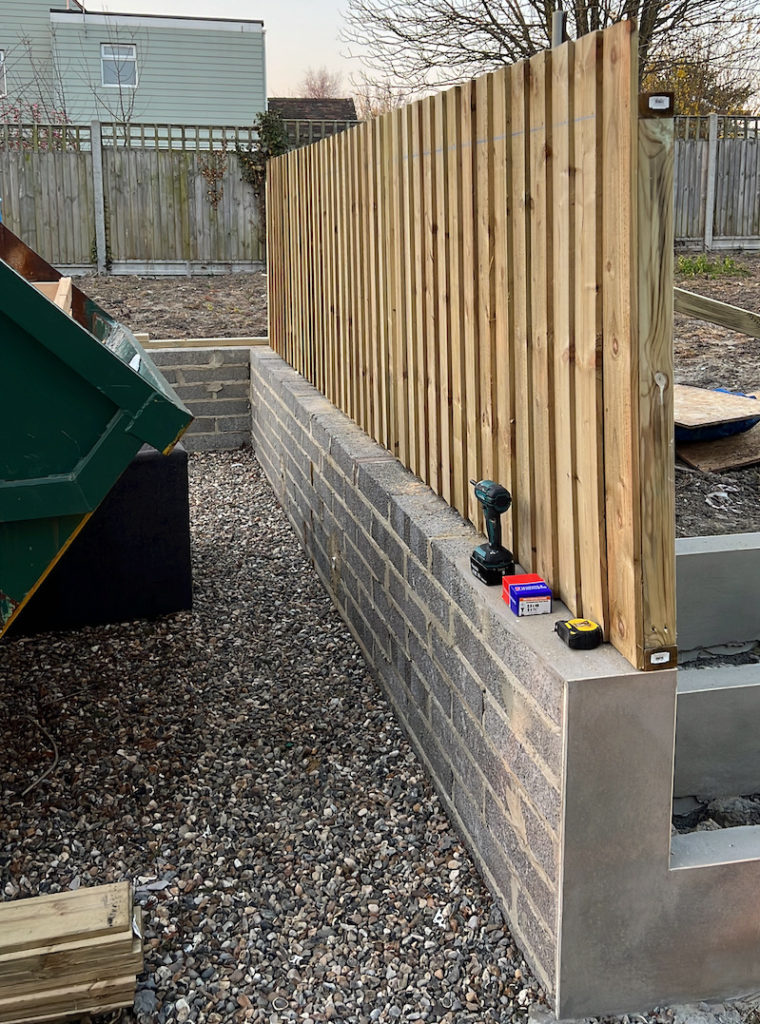
Installation Techniques and Best Practices
Proper installation is crucial when building a fence on a retaining wall. The key is ensuring that the fence posts are securely fastened to the wall structure itself, not just resting on top of it. This often involves drilling into the wall and using appropriate anchor bolts. Some contractors recommend using a mounting bracket system that distributes weight evenly across the wall surface. Another consideration is the gap between the wall and fence - leaving some space allows for natural expansion and contraction of materials. Always double-check that your fence won't interfere with the wall's drainage system, which is essential for preventing water damage.
Maintenance and Long-Term Care
Once installed, your fence-on-wall setup will require regular attention. Check for signs of deterioration in both the retaining wall and fence materials. Look for cracks in the wall that might indicate structural issues, and inspect fence posts for loose connections. Weather exposure accelerates wear, so plan for periodic cleaning and touch-ups. If you've used wood, re-staining every few years helps protect against rot and insects. Metal components might need repainting or rust treatment. The beauty of this setup is that it can last decades with proper care, but only if you stay vigilant about ongoing maintenance.
Common Mistakes to Avoid
Many projects fail because people skip important steps. One frequent error is not checking local building codes before beginning work. Another common mistake is assuming that any fence can be placed on any retaining wall without structural analysis. Not accounting for drainage is another major oversight - water trapped behind the fence can damage both structures. Some homeowners forget to consider future maintenance access, making repairs difficult later. Finally, choosing inappropriate materials for the environment can lead to premature failure of the entire system. These errors can be costly to fix once they occur.
Installing a fence on top of a retaining wall is definitely possible, but it requires thoughtful planning and attention to detail. From understanding structural limits to navigating local regulations, each step matters for creating a safe, lasting solution. The payoff is significant - you get enhanced privacy, security, and visual appeal all in one cohesive design element. When done correctly, this combination can transform your outdoor space while respecting both engineering principles and community standards. Whether you're a DIY enthusiast or planning to hire professionals, remember that proper preparation and consideration of all factors will lead to success.


