
When you think about building a deck, the stairs often get overlooked. But they're actually one of the most important features for both safety and usability. Have you ever walked up a narrow staircase and felt like you were going to tip over? That's exactly why stair width matters so much. The right dimensions can mean the difference between a safe, easy climb and a dangerous struggle.
Deck stairs aren't just functional elements – they're the gateway to your outdoor space. Whether you're planning a new construction project or renovating an existing deck, getting the stair width right is crucial. Too narrow and you'll have trouble carrying items or even walking safely. Too wide and you might waste space or create an awkward look. It's a balancing act that requires understanding both code requirements and practical needs. Let's break down everything you need to know about determining the proper width for your deck stairs.
Building Code Requirements and Minimum Standards
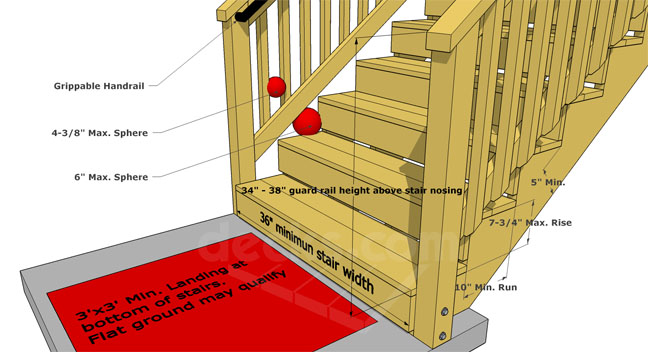
Before we dive into what feels right, let's start with what's legally required. Building codes across the country generally mandate that deck stairs must be at least 36 inches wide. That's the absolute minimum, though it's rarely recommended for regular use. Some local codes may require 30 inches or even less, but when you're thinking about safety and comfort, going beyond that is wise. Think of it like this – would you want to navigate a 30-inch-wide hallway in your house? Probably not. The same logic applies to deck stairs.
Most building departments will require a minimum of 36 inches for residential decks. This measurement is taken from the inside face of the handrail to the opposite side. If you're planning to install a handrail on both sides, you'll need to account for that in your overall width calculations. For example, if you have 36 inches of usable width and add two 3-inch handrails, your total width becomes 42 inches. This extra space helps accommodate users with mobility challenges and makes the stairs feel less cramped.
Practical Considerations for Daily Use
While codes give us a starting point, real-world usage tells us something different. Imagine trying to carry a large pot of plants up a narrow set of stairs, or having two people try to pass each other on a tight staircase. These scenarios highlight why wider stairs are often better than the minimum requirement.
Here's what experts recommend based on typical deck usage:
The key is thinking about who will be using these stairs regularly. Will you be carrying garden tools? Moving furniture? Hosting guests? All of these factors influence whether you need a narrow or wide staircase. A good rule of thumb is to make them as wide as practical within your space constraints and budget.
Factors That Influence Stair Width Selection
Several elements come into play when deciding how wide your deck stairs should be:
Space limitations If your deck is small or has architectural constraints, you might need to work within tighter spaces. However, don't sacrifice safety for space. Sometimes creative solutions like angled stairs or narrower sections with wider landings can work well.
Intended use Consider how many people will use the stairs simultaneously. If it's just for one person, 36 inches might suffice. But if you're expecting families or guests, plan for at least 42 inches.
Mobility needs Older adults or individuals with mobility aids like walkers or wheelchairs need more room. The Americans with Disabilities Act (ADA) guidelines suggest 36 inches minimum for accessibility, but 48 inches provides much better comfort for those with mobility challenges.
Future expansion Think ahead. Will you be adding more storage or moving larger items in the future? Planning for growth means considering a slightly wider staircase now rather than retrofitting later.
Safety and Accessibility Standards
Safety isn't just about preventing falls – it's about making stairs usable for everyone who might need them. When you're designing deck stairs, consider these safety aspects:
For accessibility compliance, remember that wider stairs allow for easier passage of mobility equipment. Even if you don't currently have someone who uses mobility aids, designing for inclusivity ensures your deck works for all family members and visitors.
Design Tips for Optimal Width
Once you've determined the appropriate width, here are some tips to maximize its effectiveness:
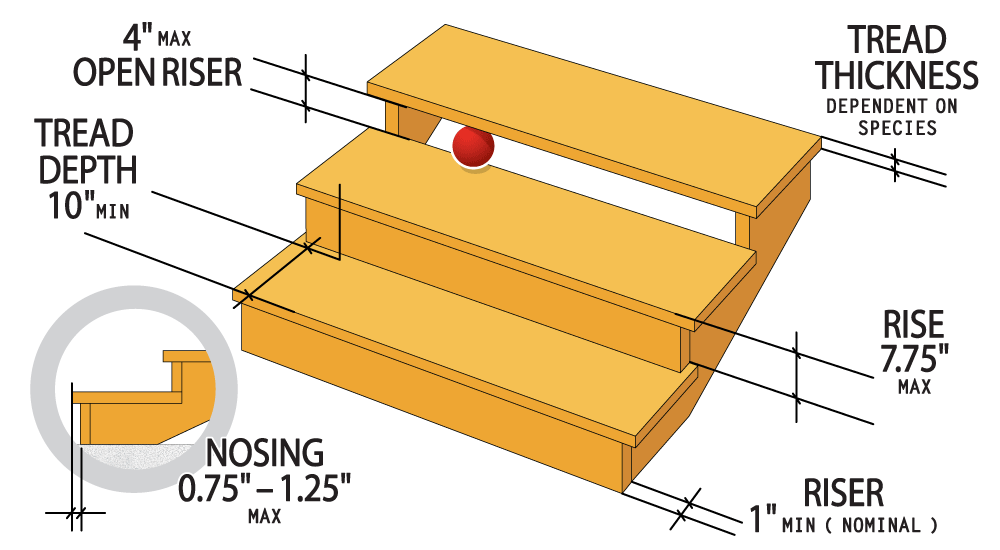
Consider the overall flow of your deck design. A 48-inch-wide staircase creates a more open feeling than a 36-inch version, and it gives users more confidence when navigating. Think about how people will move through your space – will they be carrying things? Walking quickly? Moving slowly?
Also, don't forget about the landing area. A landing that's at least as wide as the stair width provides a safe place to pause or change direction.
Common Mistakes and How to Avoid Them
Many people make errors when calculating stair width, leading to frustrating results later. Here are some common pitfalls:
To avoid these mistakes, measure carefully and consult with local building officials before beginning construction. Take photos of existing stairs if you're remodeling, and note their dimensions. Remember that the actual usable width is what matters most – not just the measurements from the outside edges.
Another common error is assuming that the width is the same throughout the entire staircase. In reality, the usable width can vary depending on whether there are handrails, the type of material used, and how the stairs connect to the deck surface. Always measure from the inside edge of any railings to determine the actual walkable space.
Choosing the right width for your deck stairs isn't just about meeting building codes – it's about creating a space that works for everyone who uses it. Whether you're building a new deck or updating an old one, investing time in proper stair planning pays off in safety, convenience, and peace of mind. Remember, the ideal width depends on your specific situation, but aiming for at least 42 inches gives you flexibility and comfort. Don't let the smallest details overshadow the big picture – your deck stairs should be a welcoming feature, not a source of stress. Take the time to measure properly, consider all users, and follow local regulations. Your future self – and anyone who visits your deck – will thank you for the thoughtful approach to stair design.


