
Every great deck deserves a strong, reliable railing system. But what happens when you want to connect those railing posts to your deck? It's more than just attaching something to wood - it's about creating a secure barrier that protects families while standing up to weather and time. Whether you're building a new deck or upgrading an existing one, understanding how to properly connect railing posts to deck surfaces is fundamental.
Think about it - you've invested in a beautiful deck, maybe with a stunning view or perfect spot for entertaining. But if the railing isn't properly attached, all that effort could end up being wasted. That's why getting the connection between railing posts and deck right matters more than you might think. This isn't just about aesthetics or style. It's about safety, durability, and ensuring your outdoor space remains functional for years to come. What makes this connection so important? Well, let's take a closer look at how to do it correctly.
Understanding the Basics of Railing Connections
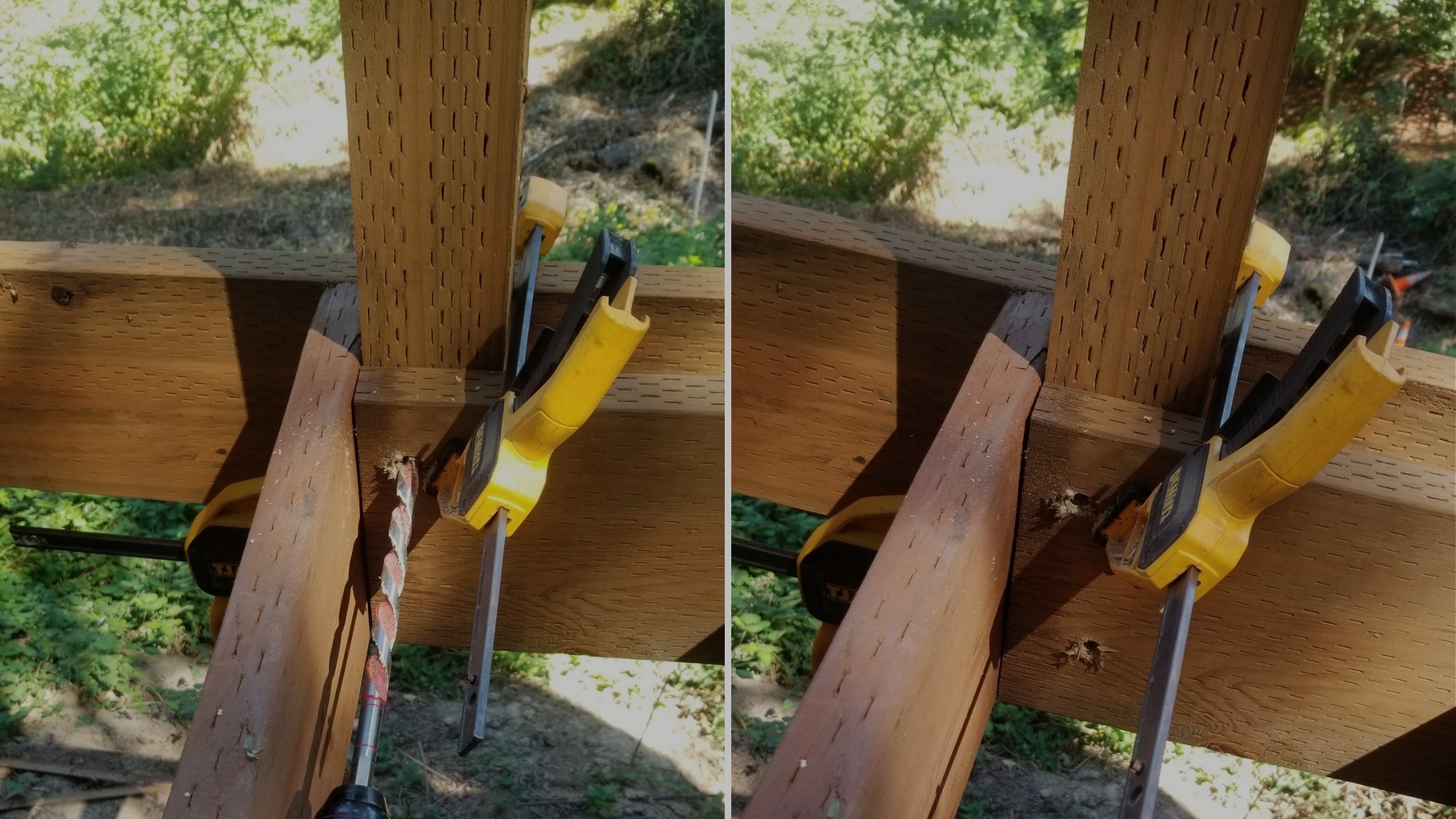
Before diving into the technical details, it helps to understand why proper attachment is so critical. Railing systems must handle both vertical loads and lateral forces - think about someone leaning against the rail or accidental impacts. The connection between post and deck acts as the backbone of this protection. When you're dealing with a wooden deck, there are several approaches to consider. You might use metal brackets, hidden fasteners, or traditional screws and bolts. Each method has its pros and cons, but they all aim to create a strong bond that won't fail under pressure. Consider the materials involved too. Wood expands and contracts with moisture changes, so your connection needs to account for this movement.
Choosing the Right Attachment Method
There are several ways to attach railing posts to decks, each suited for different situations:
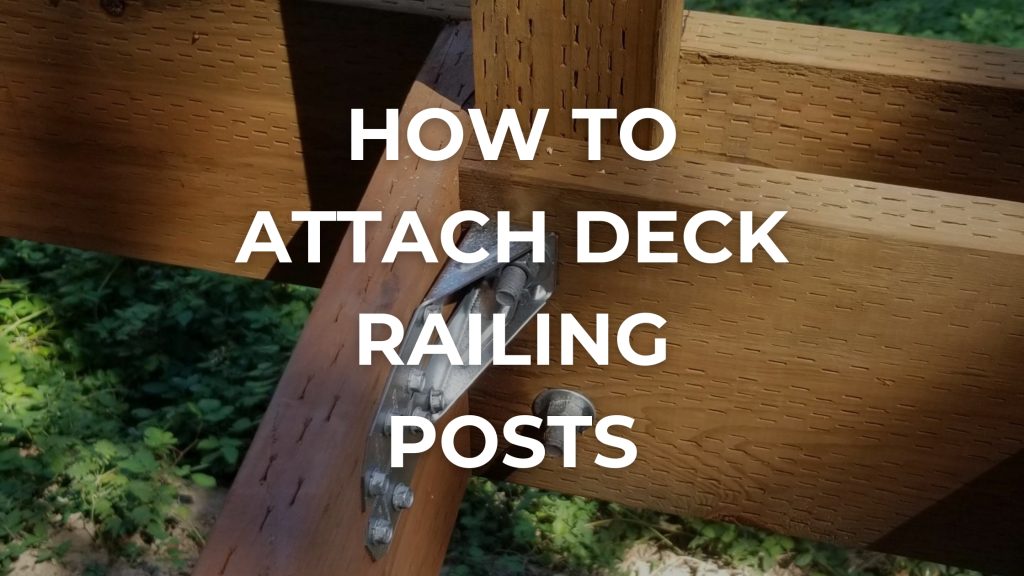
The choice often depends on whether you're working with a new construction or retrofitting an existing deck. Newer projects often allow for better integration, while older decks might require creative solutions. Sometimes the deck material itself influences the decision. For example, composite decking requires different considerations than traditional lumber.
Key Components and Hardware You'll Need
Getting the right hardware makes all the difference in your railing installation. Here's what typically goes into a solid connection:
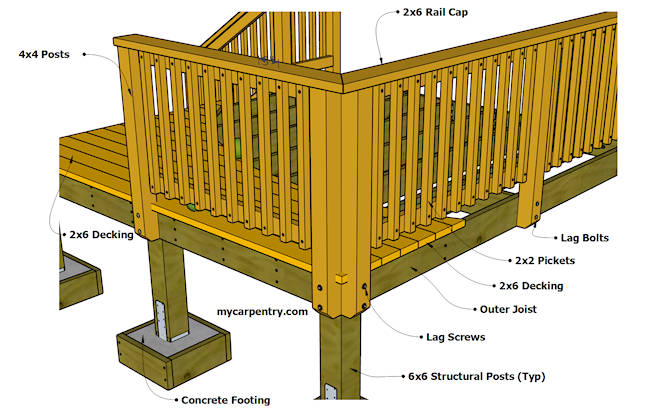
Quality matters here. Cheap hardware might save money upfront, but it could fail over time. Look for stainless steel or galvanized components that resist rust and corrosion. Also consider the thread type and length carefully. You want enough penetration into the deck structure to create a solid hold.
Step-by-Step Installation Process
Installing railing posts properly takes planning and patience. Here's how to approach it systematically:
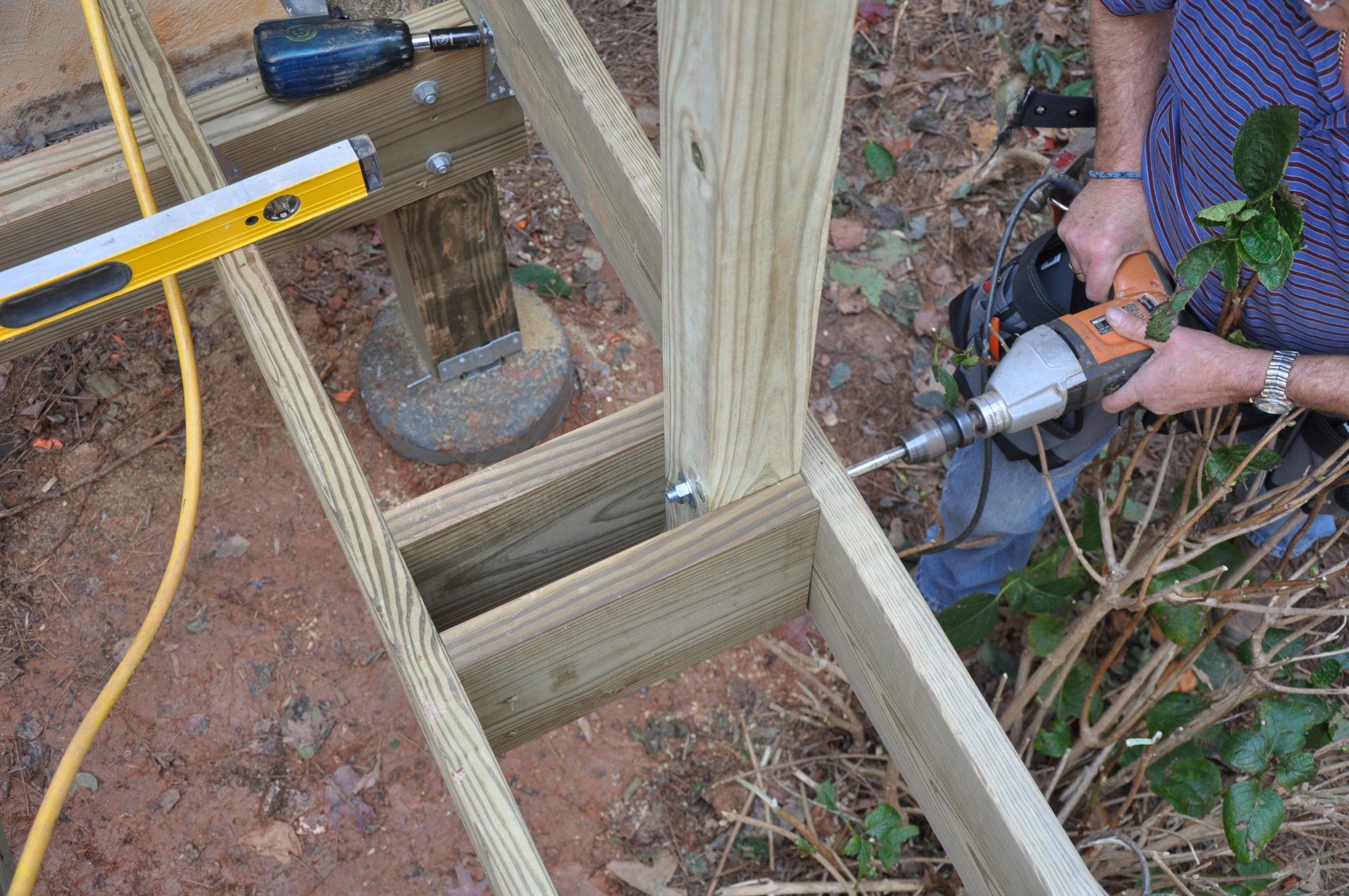
1. Measure and mark positions - Determine exactly where each post will go 2. Check alignment - Ensure posts are straight and evenly spaced 3. Pre-drill holes - Prevent splitting wood during installation 4. Attach brackets or anchors - Secure them to the deck surface 5. Position the post - Align it properly with the bracket 6. Secure with appropriate fasteners - Use the correct size and type 7. Double-check stability - Test that everything is tight and secure
Each step builds upon the last. Skipping one can lead to problems later. For instance, pre-drilling prevents wood from splitting, which is especially important with hardwoods or when using longer screws.
Common Mistakes to Avoid
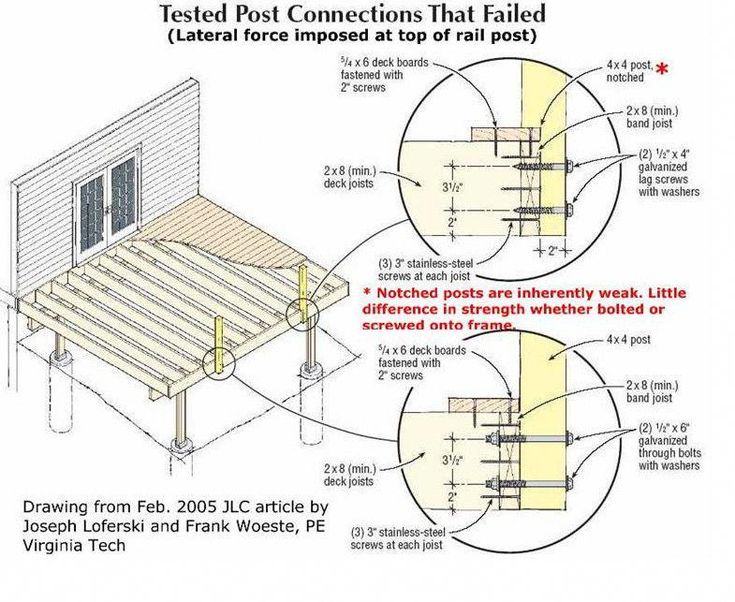
Even experienced DIYers sometimes stumble over simple issues. Here are some frequent errors:
One mistake that catches many people off guard is not considering how weather affects the connection over time. Moisture and temperature changes mean that even perfectly installed connections can loosen if not designed properly for movement.
Maintenance Tips for Long-Term Performance
Once your railing posts are connected, regular care keeps everything functioning properly. Here's what to watch for:
Regular maintenance doesn't have to be a chore. Simple checks during seasonal transitions can catch problems before they become serious. Many homeowners find it helpful to inspect their railing systems after heavy storms or periods of high humidity.
Connecting railing posts to your deck isn't just about following instructions - it's about creating lasting safety and beauty. When done right, the connection becomes invisible, allowing your railing to perform its job without drawing attention to itself. Whether you're building a new deck or upgrading an old one, investing time in proper attachment methods pays dividends in both safety and longevity. The key is understanding that this connection represents more than just hardware. It's part of your home's overall integrity. So take the time to get it right. Your family's safety depends on it, and future generations will appreciate the quality work you put in. After all, a good railing system should last as long as your deck itself, providing protection and peace of mind for years to come.


