
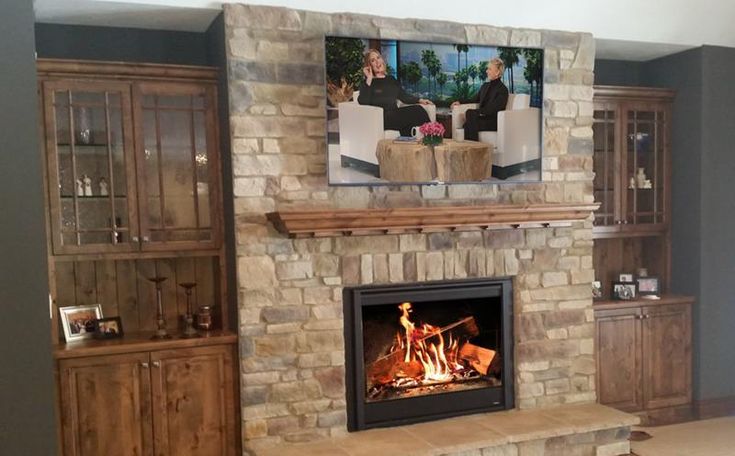
Picture this: you're curled up on the couch, watching your favorite show, with the crackling fire casting dancing shadows across the wall behind you. Now imagine that same cozy scene enhanced by a sleek, modern TV mounted directly above the fireplace. It's not just a dream anymore—it's an achievable reality that many homeowners are embracing today.
The combination of a wood burning fireplace and a television above it has become increasingly popular in modern homes. This setup creates a focal point that brings together the warmth of traditional hearth culture with contemporary entertainment technology. But it's not just about aesthetics—it's about creating a space where comfort meets convenience. Whether you're renovating your living room or simply looking to upgrade your current setup, understanding how to properly install and utilize a TV above a wood burning fireplace is essential.
Safety First: Understanding Heat Risks
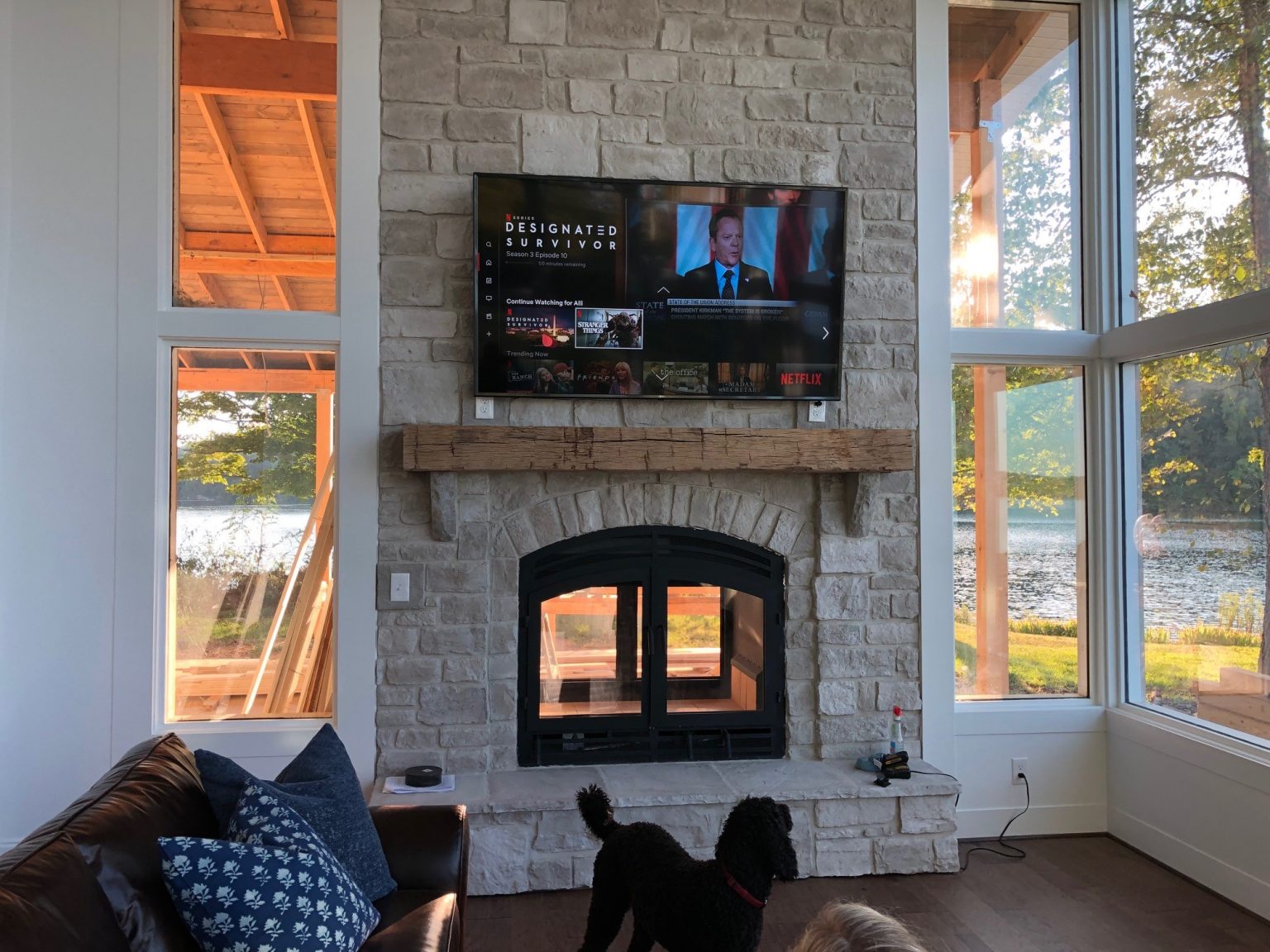
Before diving into the installation process, it's crucial to understand the heat risks involved. Wood burning fireplaces generate significant heat, especially when they're actively burning. The temperature near the fireplace can reach upwards of 1,000 degrees Fahrenheit. This heat can damage electronic components in your television over time. That's why proper clearance requirements are non-negotiable.
The general rule of thumb is to maintain at least 12 inches of clearance between the top of the fireplace and the bottom of your TV. Some manufacturers recommend even more space. Additionally, the heat from the fireplace can cause the TV screen to warp or develop permanent damage if it's too close. Consider installing a heat shield or protective barrier to provide extra protection.
Choosing the Right Mounting Solution
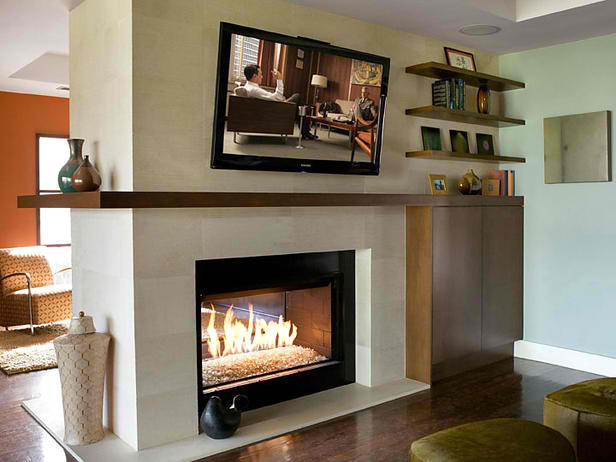
Mounting a TV above a wood burning fireplace requires careful consideration of the mounting hardware. Unlike wall mounts that might be used in other areas of your home, fireplace mounting presents unique challenges.
The right mount isn't just about keeping your TV secure—it's about ensuring it remains safe and functional for years to come.
Measuring and Planning Your Installation
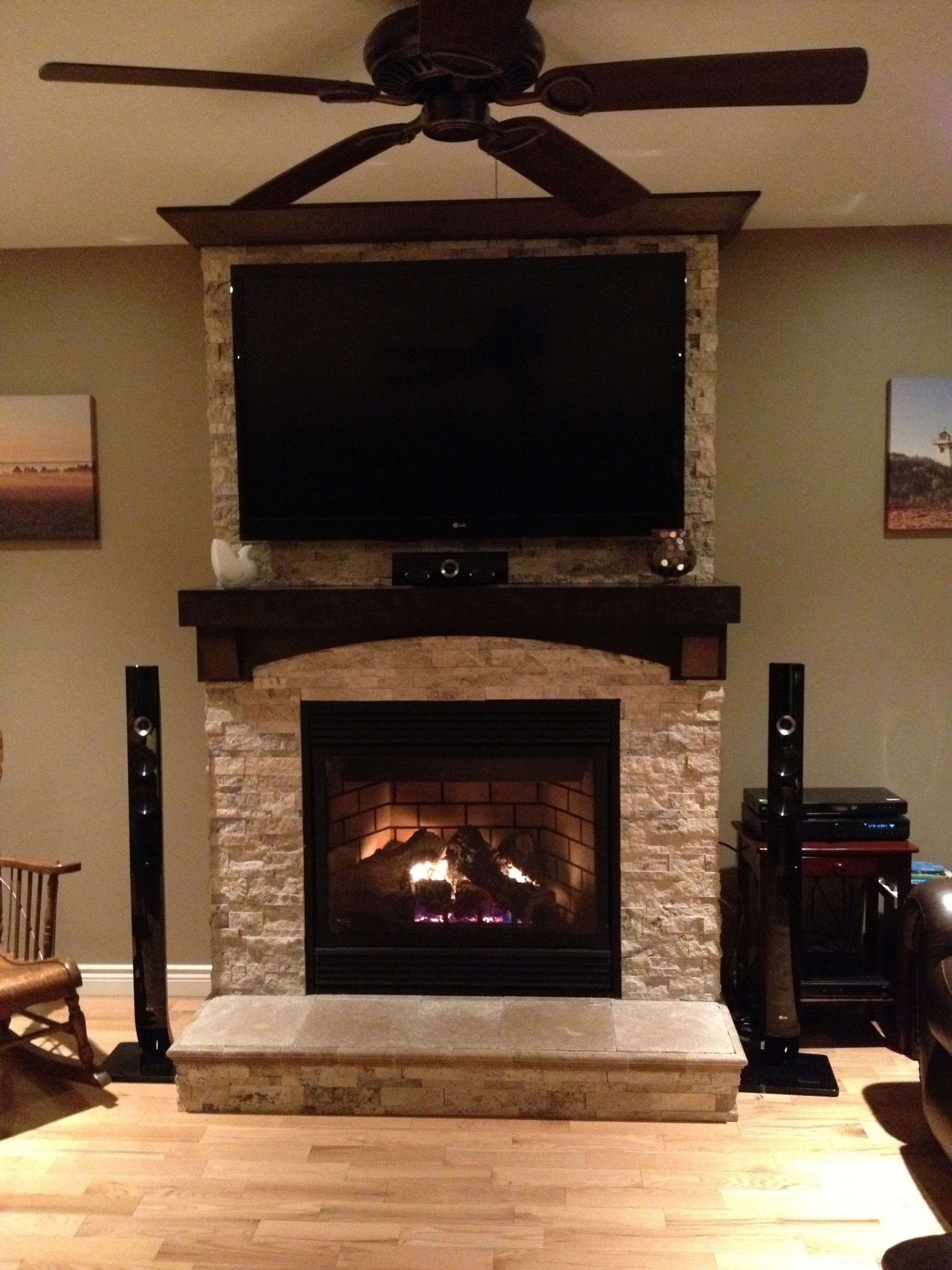
Proper measurement is the foundation of any successful installation. Start by measuring the dimensions of your fireplace opening and the TV you plan to mount. The key measurements include:
Once you have these measurements, determine where exactly you want your TV positioned. Consider the viewing angle and whether there will be enough clearance for the TV to function properly. The ideal placement allows for comfortable viewing without straining your neck.
It's also wise to check for any electrical outlets or wiring that might interfere with your installation. If you're unsure about electrical safety, consider hiring a professional electrician.
Fireplace Design Considerations
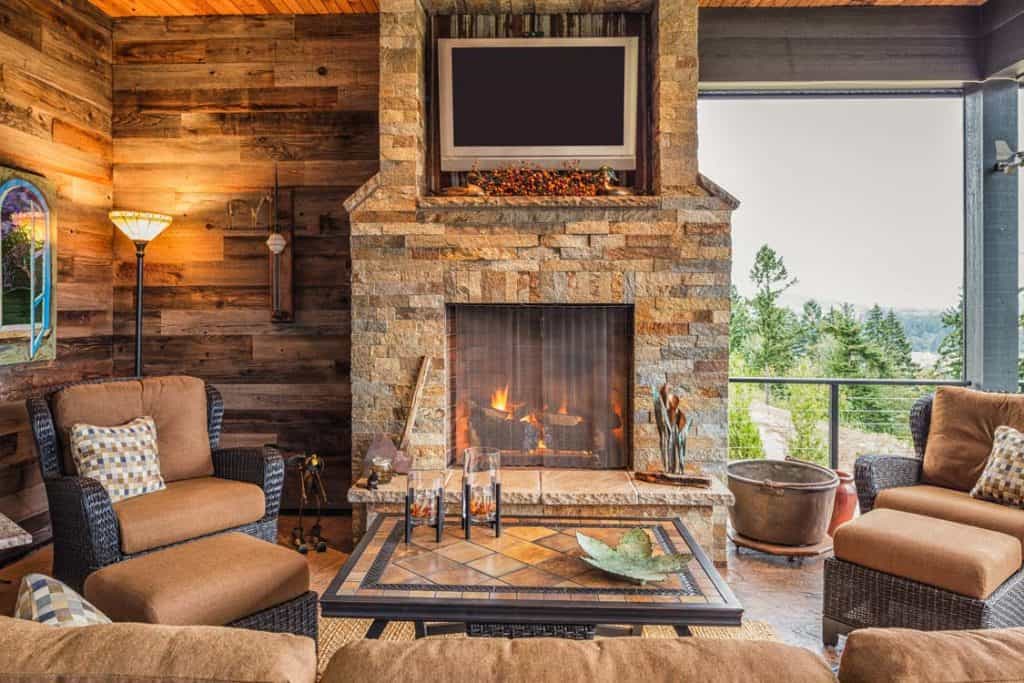
Not every fireplace design works equally well with a mounted TV. The type of fireplace you have will influence your installation options and overall aesthetic.
Consider how the TV will complement the existing fireplace design. Sometimes, the contrast between modern technology and traditional elements creates a striking visual effect.
Ventilation and Airflow Concerns
One of the most overlooked aspects of mounting a TV above a fireplace is ensuring adequate ventilation. When a wood burning fireplace operates, it pulls air from the room through the chimney and releases hot air back into the space. This airflow pattern can impact the performance of your electronics.
These factors can significantly impact how long your TV lasts and how well it performs over time.
Practical Tips for Daily Use
Beyond the initial installation, there are several practical considerations that will make your experience more enjoyable:
Installing a TV above a wood burning fireplace can transform your living space into a modern sanctuary that honors both tradition and innovation. The key lies in balancing functionality with safety, ensuring that your investment in technology doesn't compromise the warmth and character of your fireplace. By carefully considering heat management, proper mounting solutions, and thoughtful planning, you can enjoy the best of both worlds. Whether you're building a new home or updating your existing space, this combination offers a unique opportunity to create a memorable gathering spot that brings families together. The beauty of this setup is that it celebrates the enduring appeal of wood burning fireplaces while embracing the conveniences of modern entertainment. With proper attention to detail, you'll find that this combination creates a space that feels both timeless and contemporary.


