
There's something magical about stepping onto a porch, feeling the morning breeze, and watching the world go by. For ranch home owners, adding a porch can be the perfect way to enhance both the beauty and functionality of their space. Whether you want a cozy spot for morning coffee or a welcoming area for family gatherings, a porch addition can transform your home.
Ranch homes have a timeless appeal that many homeowners love. They offer open floor plans, easy access to the outdoors, and that classic American charm that makes them so desirable. But sometimes, a simple addition can make all the difference. Adding a porch to a ranch home isn't just about aesthetics – it's about creating a new living space that connects you with your environment. The right porch can become the heart of your outdoor lifestyle, offering a place to relax, entertain, and enjoy the simple pleasures of life. From the initial planning stages to the final touches, this guide will walk you through every step of adding a porch to your ranch home.
Planning Your Porch Addition
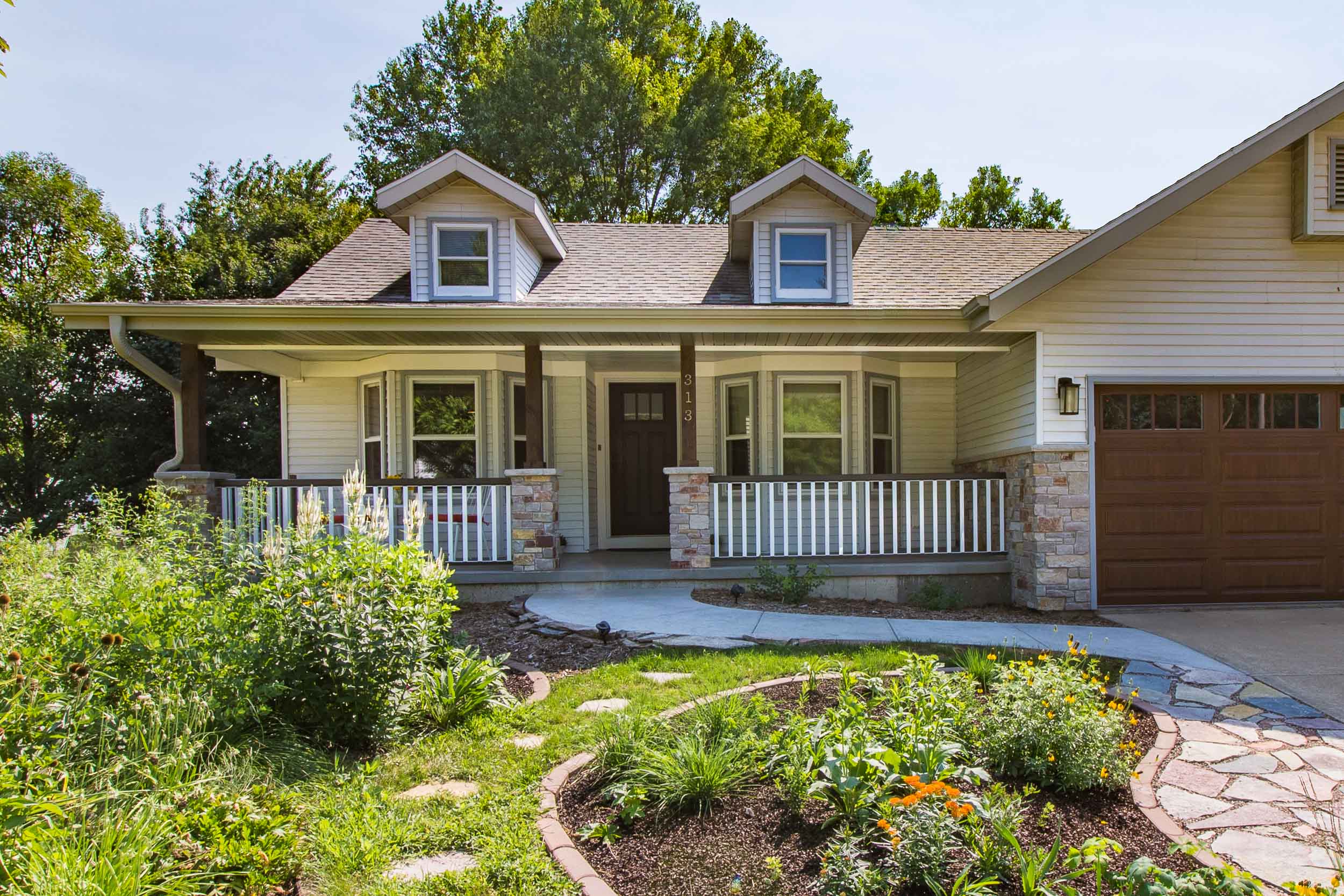
Before you start digging, you'll want to think carefully about what kind of porch you want. Consider the size, style, and location that best fits your ranch home. Think about how you plan to use the space – do you want it for dining, lounging, or maybe even as a sunroom? The porch should complement your existing architecture rather than clash with it. You'll also need to consider local building codes and whether you need permits. Some areas have strict rules about porch dimensions, setback requirements, and materials allowed. Take some time to research your neighborhood's aesthetic preferences too. A porch that looks great on paper might not fit in with your community's overall look. Measure your home carefully and sketch out different options. What if you want a covered porch that extends from the main entrance? Or perhaps a smaller deck off the kitchen? These decisions will shape your entire project.
Choosing the Right Porch Style
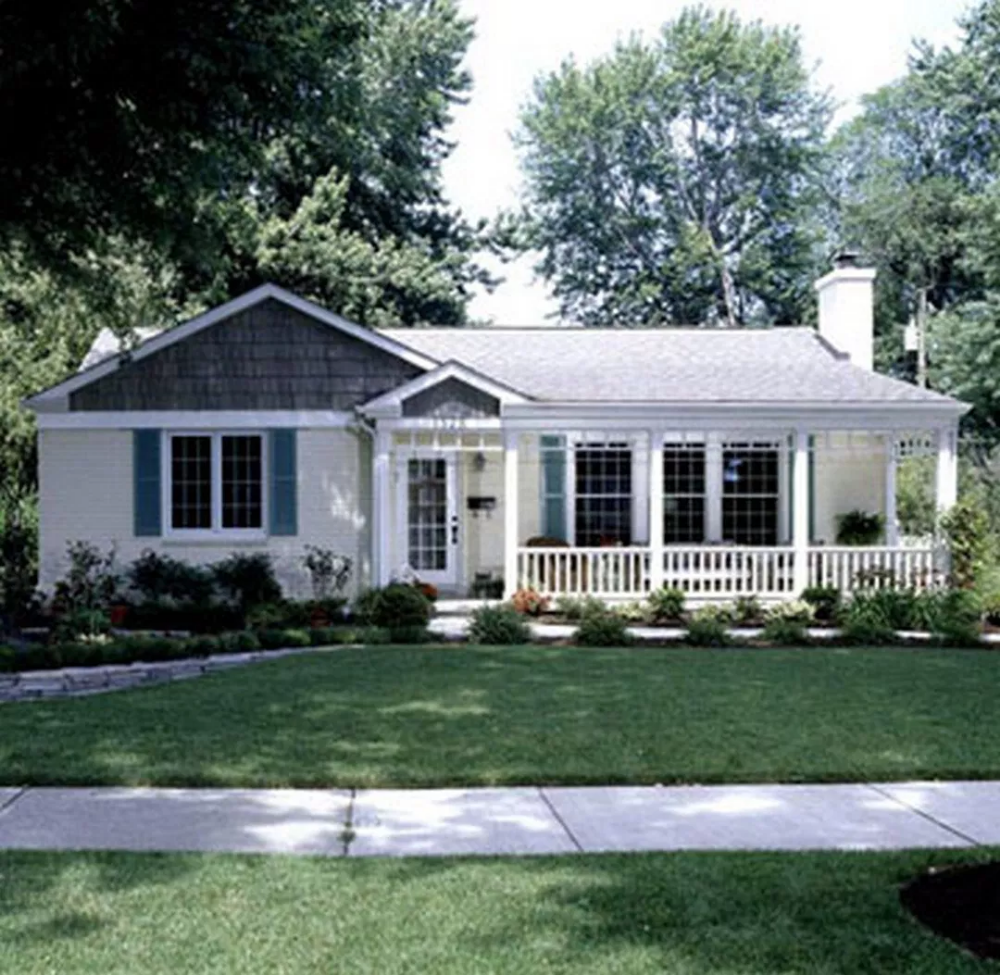
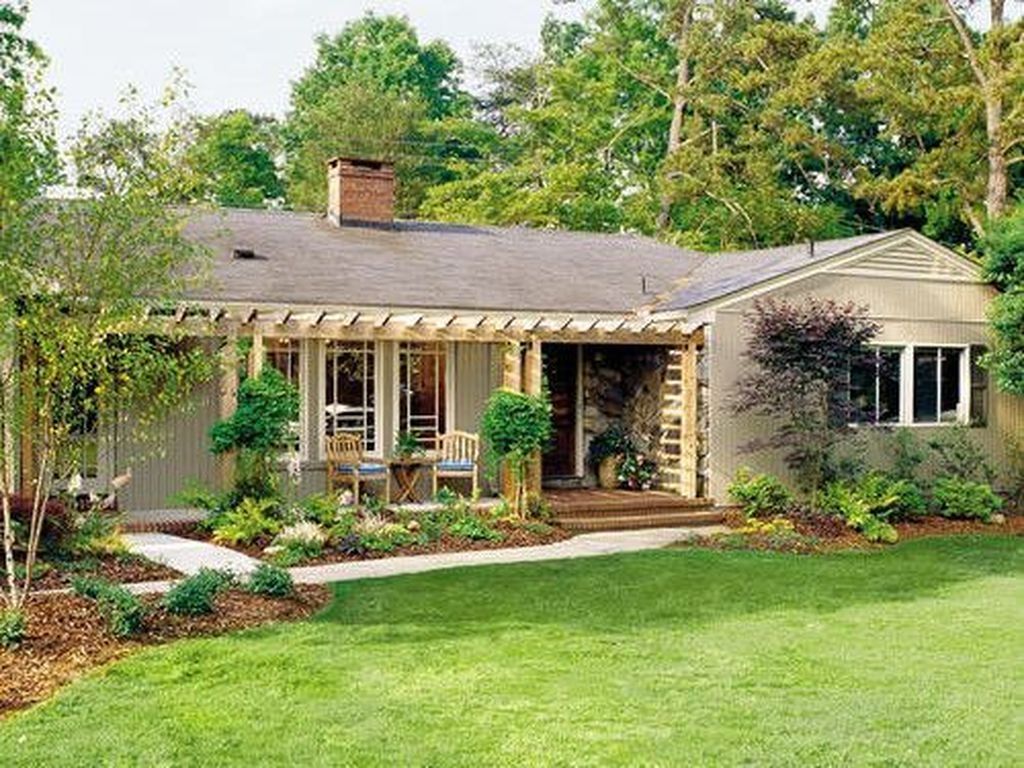
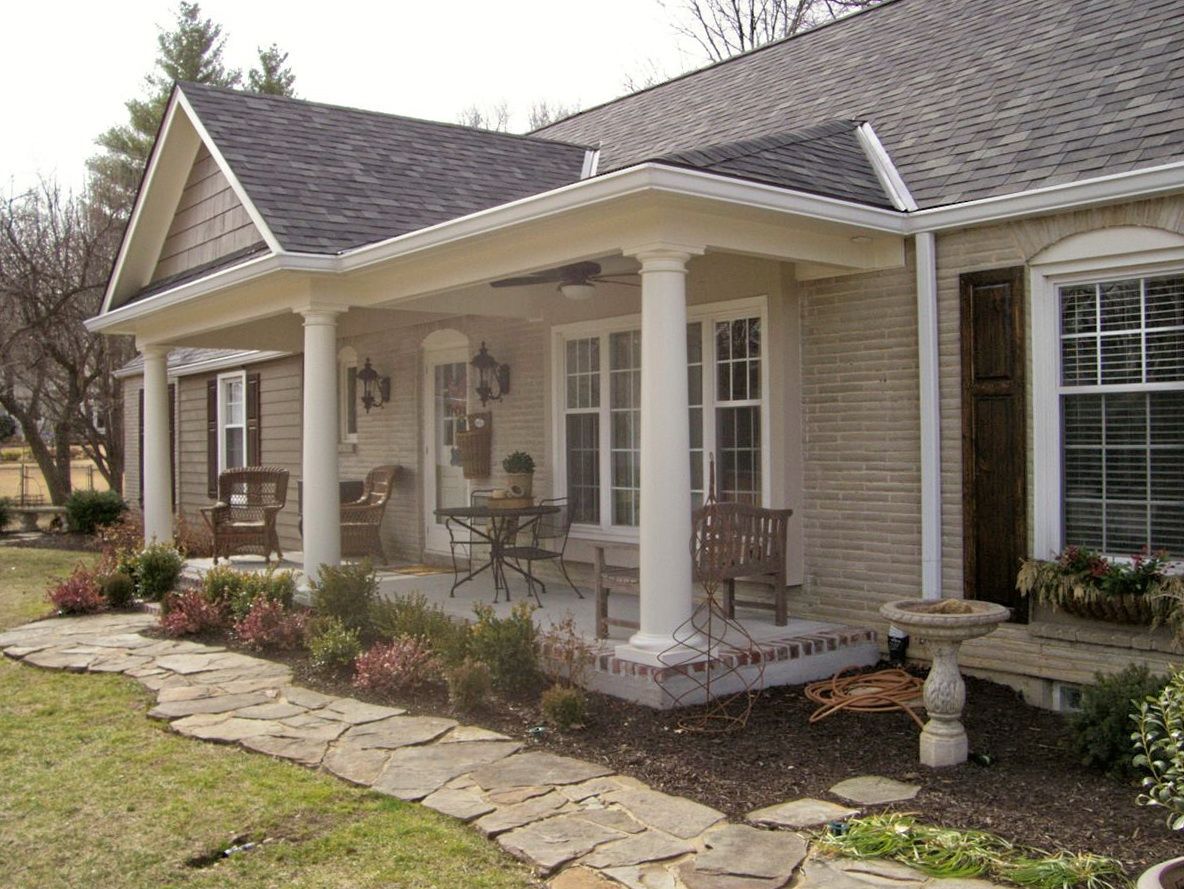
Ranch homes work well with several porch styles. A front porch is probably the most common choice, especially for homes with traditional layouts. This type of porch often features columns or pillars that support the roof and give it that classic look. If your ranch has a long, low profile, you might consider a covered porch that runs along the side of the house. This works particularly well if you have a large backyard and want to extend your living space. Another popular option is a wraparound porch that goes around part of your home. This gives you more usable space and creates a wonderful entryway. Don't overlook the possibility of a covered deck or patio instead of a traditional porch. These can be more affordable and still provide all the benefits you're looking for. Think about materials too – wood, composite, or vinyl each have their advantages and disadvantages. Wood offers natural beauty but requires more maintenance. Composite mimics wood but needs less upkeep. Vinyl is durable and low-maintenance but may not have the same warmth.
Understanding Structural Considerations
The foundation and structure of your ranch home play a crucial role in determining what kind of porch you can add. You'll need to assess whether your home can support the additional weight and load. This involves checking the existing foundation and possibly reinforcing it. Many ranch homes built in the 1950s and 60s have concrete slabs or footings that can handle porch additions. However, older homes might need extra support. It's essential to consult with a structural engineer if you're unsure about your home's capabilities. The porch's design must also account for drainage and weather protection. Water runoff from the porch roof should direct away from your home's foundation. This prevents water damage and keeps your basement or crawlspace dry. You'll also want to consider the impact on your home's electrical and plumbing systems. Will you need to run new wires for lighting or add outlets for outdoor appliances? These considerations can affect both cost and timeline.
Budget and Cost Factors
Adding a porch to a ranch home can range dramatically in cost depending on size, materials, and complexity. Expect to pay anywhere from $5,000 to $20,000+ for a basic porch addition. Smaller projects like a simple deck might cost less, while elaborate designs with custom features can push costs higher. Labor costs vary significantly by region – you'll pay more in urban areas than rural ones. Material prices also fluctuate based on market conditions and availability. Wood is generally less expensive upfront but requires ongoing maintenance. Composite materials cost more initially but save money over time due to lower upkeep needs. Consider the total investment, not just the initial price tag. A well-built porch can increase your home's value by 5-10%. Factor in permits, inspections, and potential contractor fees. Sometimes, you can save money by doing some work yourself, but remember that safety and code compliance are non-negotiable. It's often better to hire professionals for major structural elements, even if you handle finishing touches.
Building Permits and Regulations
Most porch additions require building permits, and you'll want to check your local zoning laws before starting any work. Every city and county has different rules about what's allowed, how big porches can be, and where they can be located. Some areas require porches to be a certain distance from property lines, while others have restrictions on height or materials. You might also need to comply with accessibility requirements if your porch will be used by people with disabilities. Check if there are any historical preservation restrictions that apply to your ranch home. Older homes in historic districts often have special rules about modifications. The permit process can take weeks or months, so factor this into your timeline. Some jurisdictions require detailed architectural drawings before issuing permits. Plan ahead – it's much better to wait for permits than to find out you can't build what you planned after starting construction.
Construction Process and Timeline
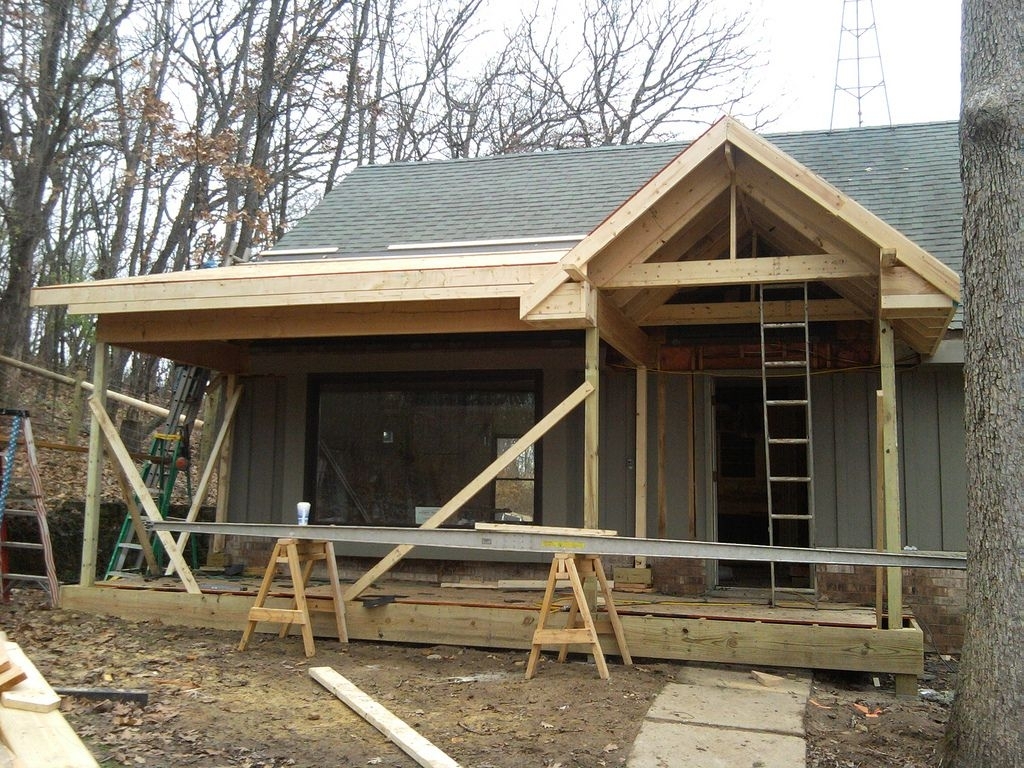
The actual construction phase usually takes two to four weeks for a typical ranch porch addition. Start with site preparation – clearing the area and ensuring proper drainage. Next comes the foundation work, which could involve pouring concrete footings or installing piers. The framing stage follows, where the structure is built according to your plans. This is when you'll install the roof, siding, and any decorative elements. Weather plays a big role in timing – you don't want to pour concrete in freezing temperatures or start roofing during rain. Most contractors prefer to work in spring or fall when weather conditions are more predictable. The finishing touches include flooring, trim work, and any custom details. Don't forget about electrical and plumbing connections if needed. You'll also need to schedule inspections at various stages of construction to ensure compliance with local codes. Keep communication open with your contractor throughout the process. Regular check-ins can prevent costly mistakes and keep everyone on the same page.
Adding a porch to your ranch home is more than just a home improvement project – it's an investment in your lifestyle and your property's future. When done right, a porch becomes a beloved part of your daily routine, offering comfort, beauty, and increased home value. Whether you're envisioning a simple wooden porch or a more elaborate structure, careful planning and professional guidance will lead to a successful outcome. Remember that every detail matters, from choosing the right materials to following local regulations. Take your time with the planning phase, and don't rush into construction. A well-thought-out porch addition will provide years of enjoyment and serve as a testament to good design and craftsmanship. With proper preparation and realistic expectations, your ranch home can welcome visitors and provide peaceful moments in the sun. The key is to approach this project with patience, attention to detail, and a clear vision of what you want to achieve.


